Artwork
Paradigmata Graphics Variorum Artificum
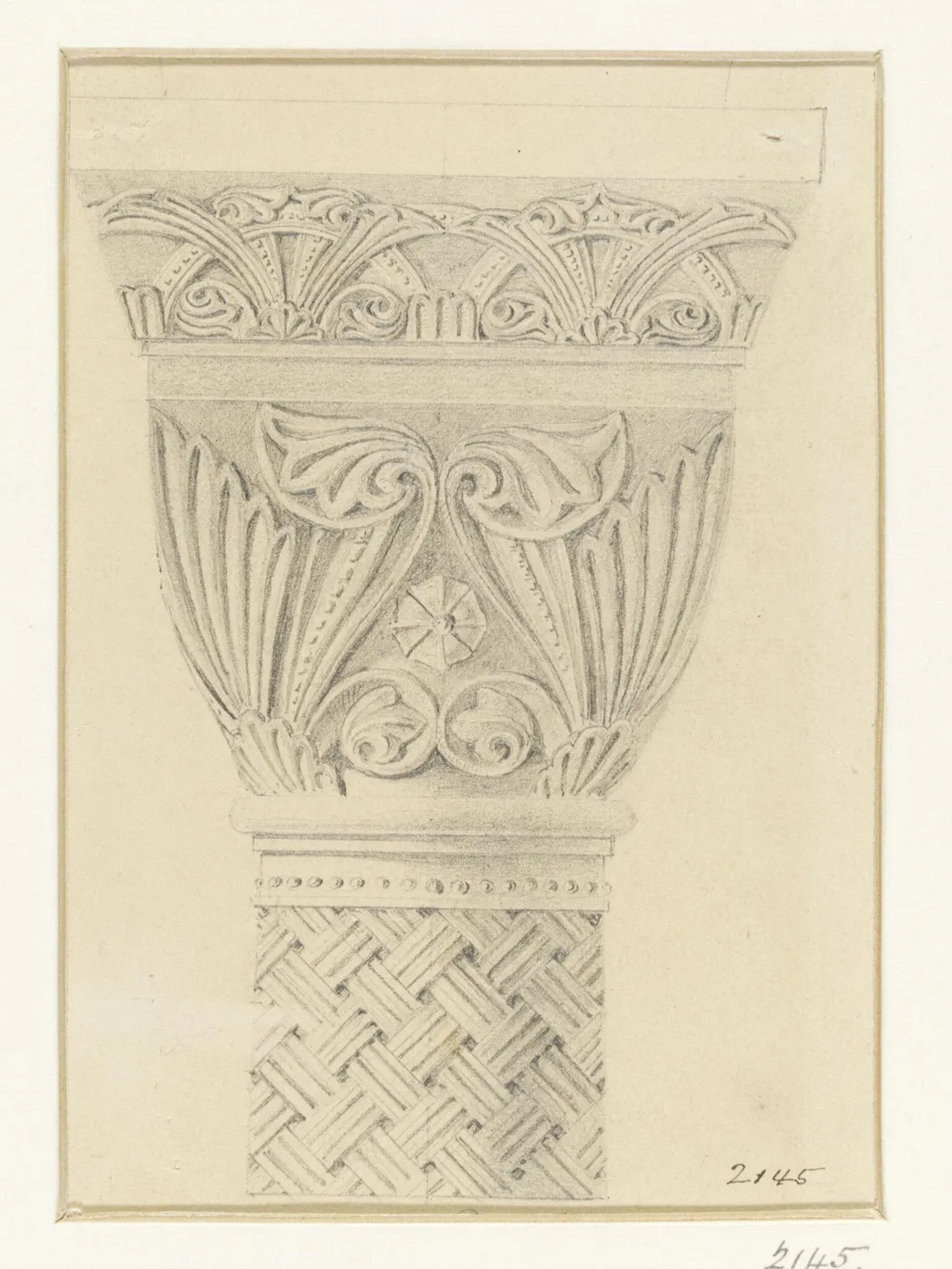
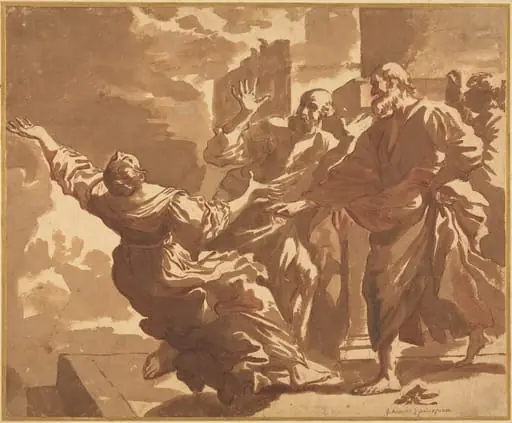
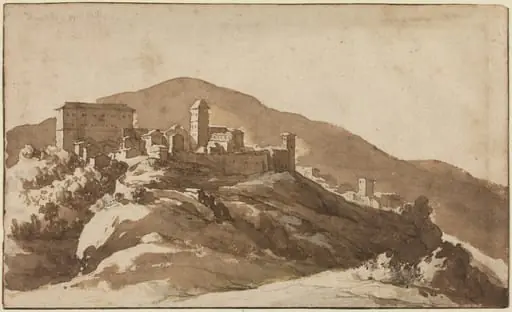
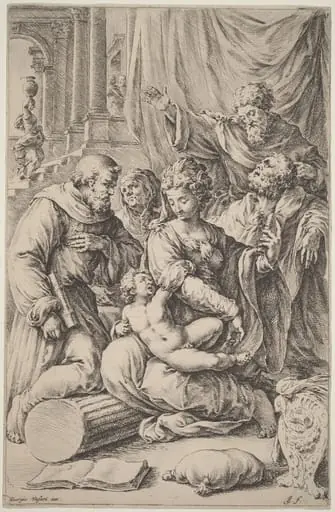
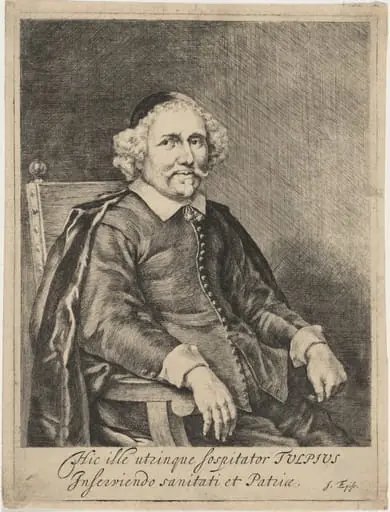
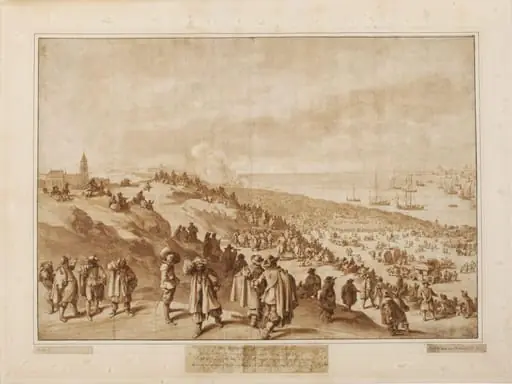
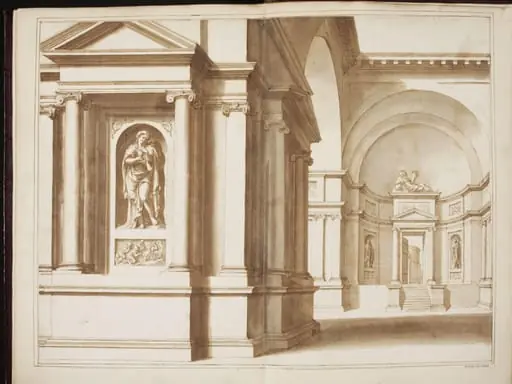
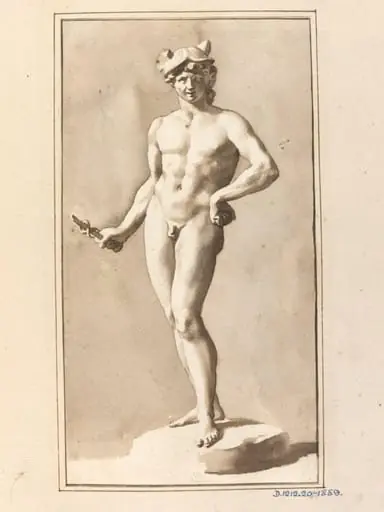
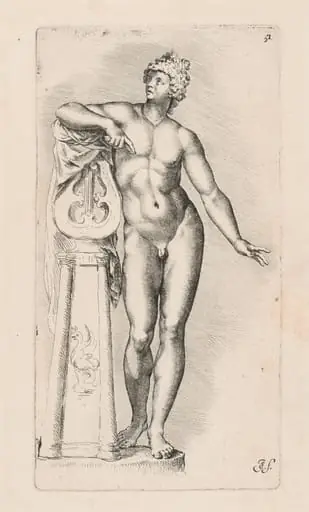
Paradigmata Graphics Variorum Artificum is a print by the Baroque artist Jan de Bisschop. It dates from 1671 and is held in the collection of the Victoria and Albert Museum.
About this work
Overview
Created in 1671 by Jan de Bisschop, *Paradigmata Graphics Variorum Artificum* is one of 157 engraved studies compiled as a reference for artists and craftsmen.
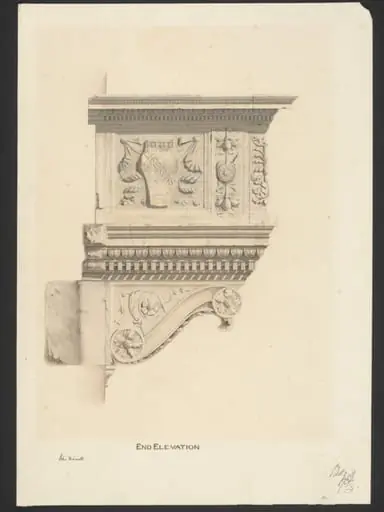
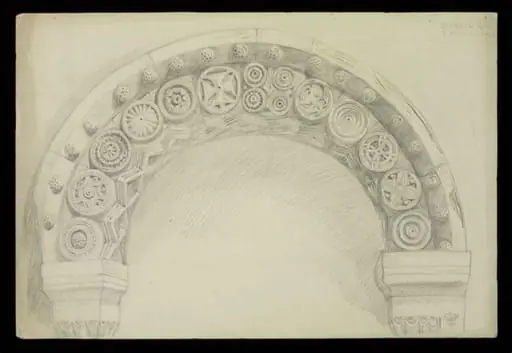
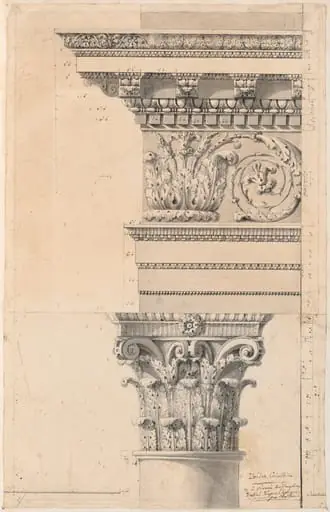
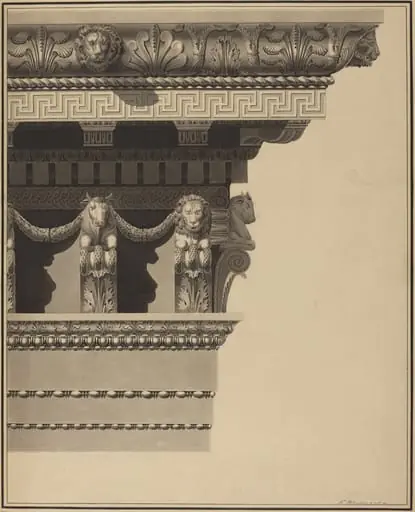
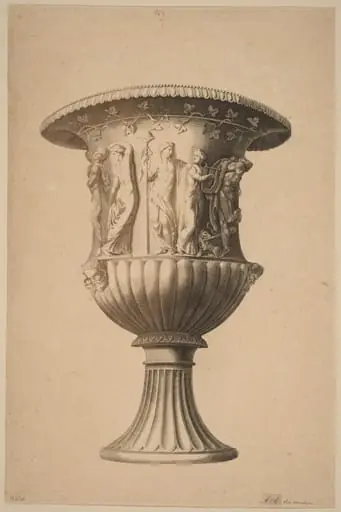
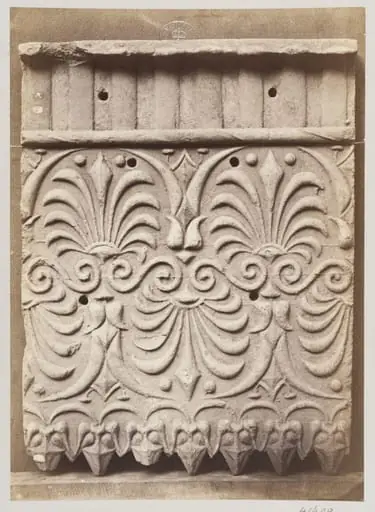
Created in 1671 by Jan de Bisschop, *Paradigmata Graphics Variorum Artificum* is one of 157 engraved studies compiled as a reference for artists and craftsmen. The work presents detailed drawings of architectural ornamentation, intended as instructional models rather than finished compositions. Each plate captures specific decorative motifs, reflecting a systematic approach to documenting design elements used in contemporary building practices.
Subject & Meaning
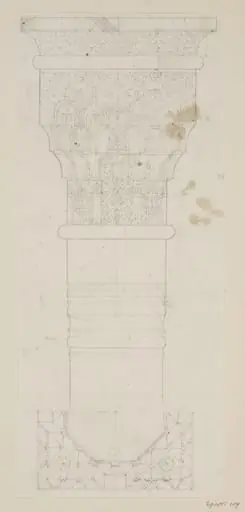
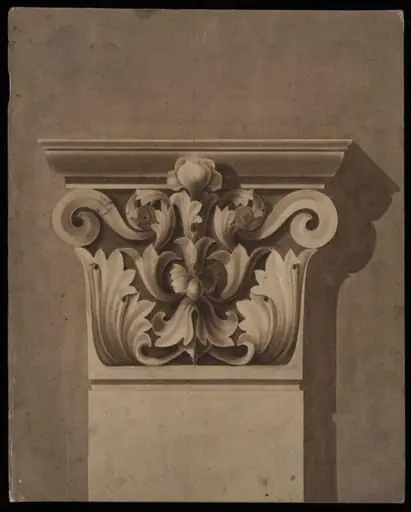
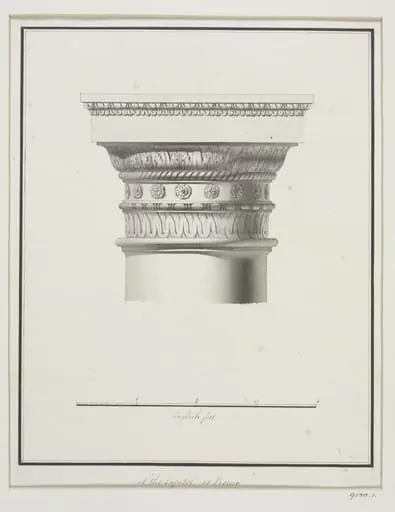
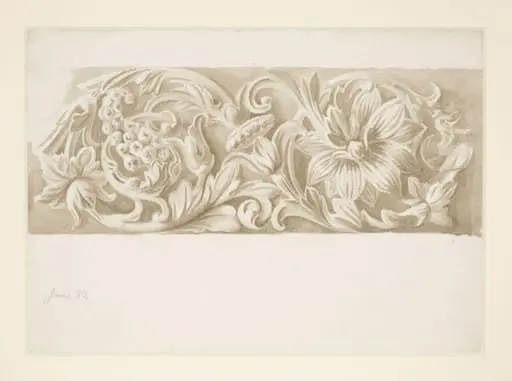
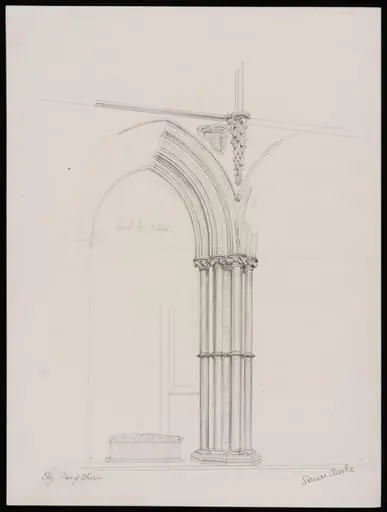
The drawing depicts a composite column adorned with stylized foliage, a central star motif, and a base resembling braided rope. These elements draw from classical and Baroque decorative traditions, reinterpreted through careful observation. Rather than conveying narrative or symbolism, the image functions as a technical exemplar—offering a precise visual record of ornamental forms available to artisans of the period.
Technique & Style
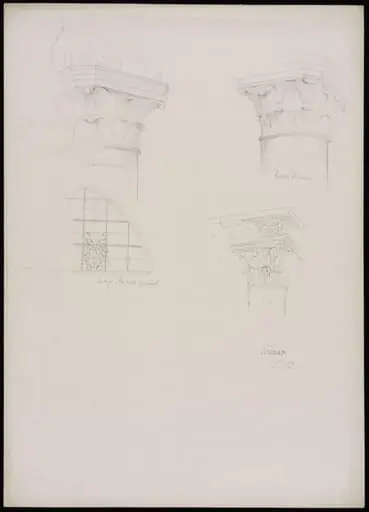
Executed in pencil on paper, the work displays fine, controlled linework characteristic of preparatory studies. The rendering emphasizes clarity and structural accuracy over expressive flair, with attention to the interplay of organic and geometric forms. The absence of color or heavy shading underscores its role as a didactic tool, prioritizing legibility and replicability for other artists and craftsmen.
History & Provenance
Jan de Bisschop, a Dutch painter and engraver trained in Italy, compiled this series during his time in Rome, where he studied classical and Renaissance architecture. The *Paradigmata* was likely produced for private circulation among artists and architects, serving as a portable archive of decorative vocabulary. The set survives as a rare example of 17th-century artistic pedagogy in print form.
Context
In late 17th-century Europe, artists increasingly relied on compiled visual references to master complex ornamentation. De Bisschop’s work aligns with broader trends in artistic education, where direct observation of antiquities and contemporary design was formalized into study collections. Similar compilations emerged across Italy and the Netherlands, reflecting a growing emphasis on technical precision in the visual arts.
Legacy
Though not widely exhibited today, the *Paradigmata* series remains a valuable resource for scholars of Baroque decorative arts. Its methodical documentation influenced later pattern books and architectural manuals. The work exemplifies how artistic knowledge was transmitted through reproduction, bridging the gap between studio practice and professional training in early modern Europe.
Artist & collection
Artist
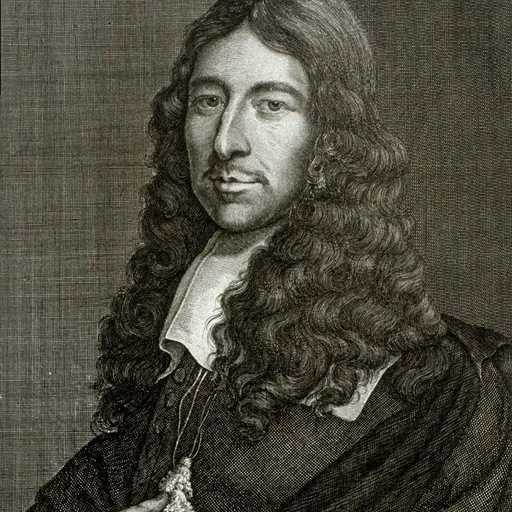
Jan de Bisschop, also known as Johannes Episcopius (1628–1671), was a lawyer, who became a Dutch Golden Age painter and engraver.