Artwork
Bull
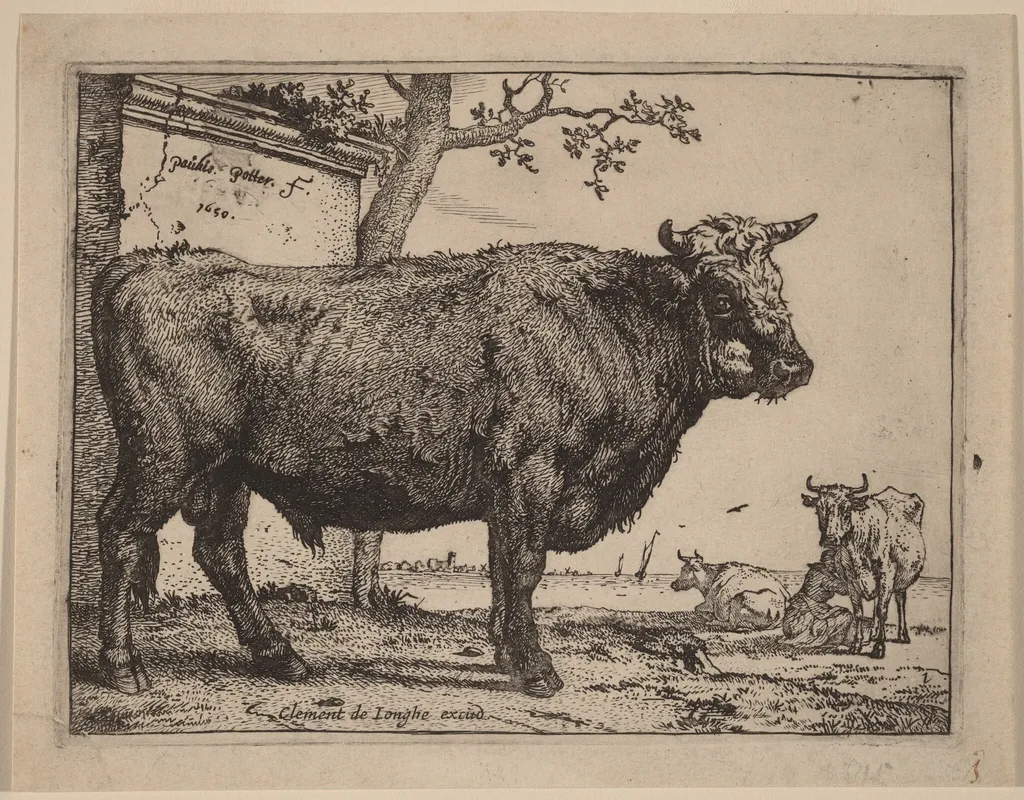
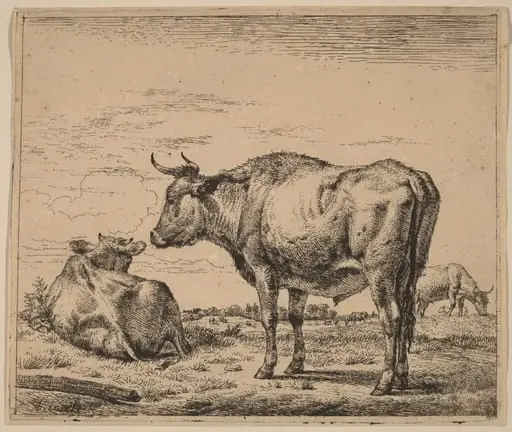
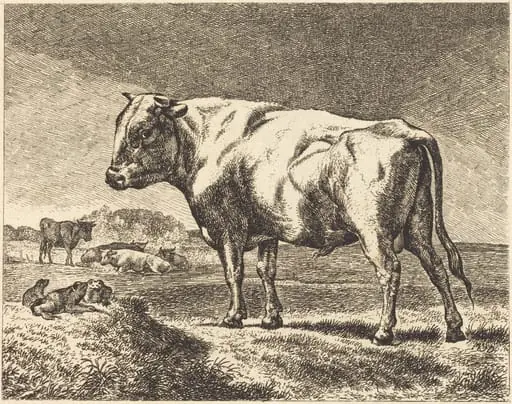
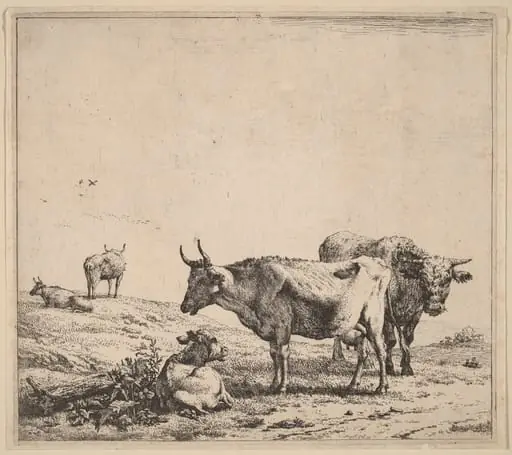
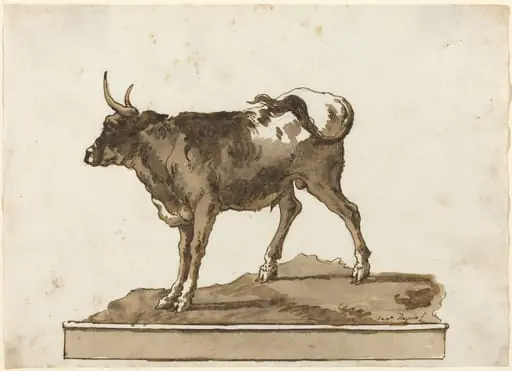
Bull is an ink print by the Baroque artist Paulus Potter. It dates from 1650 and is held in the collection of the National Gallery of Art.
About this work
Overview
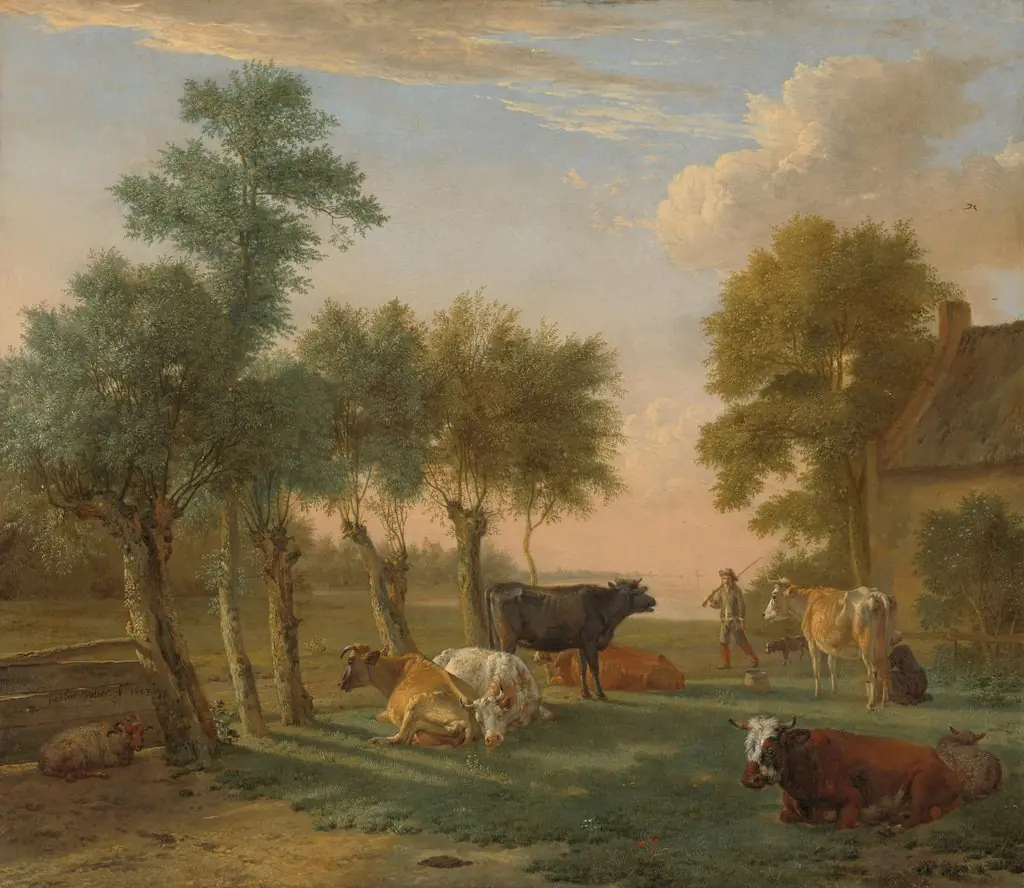
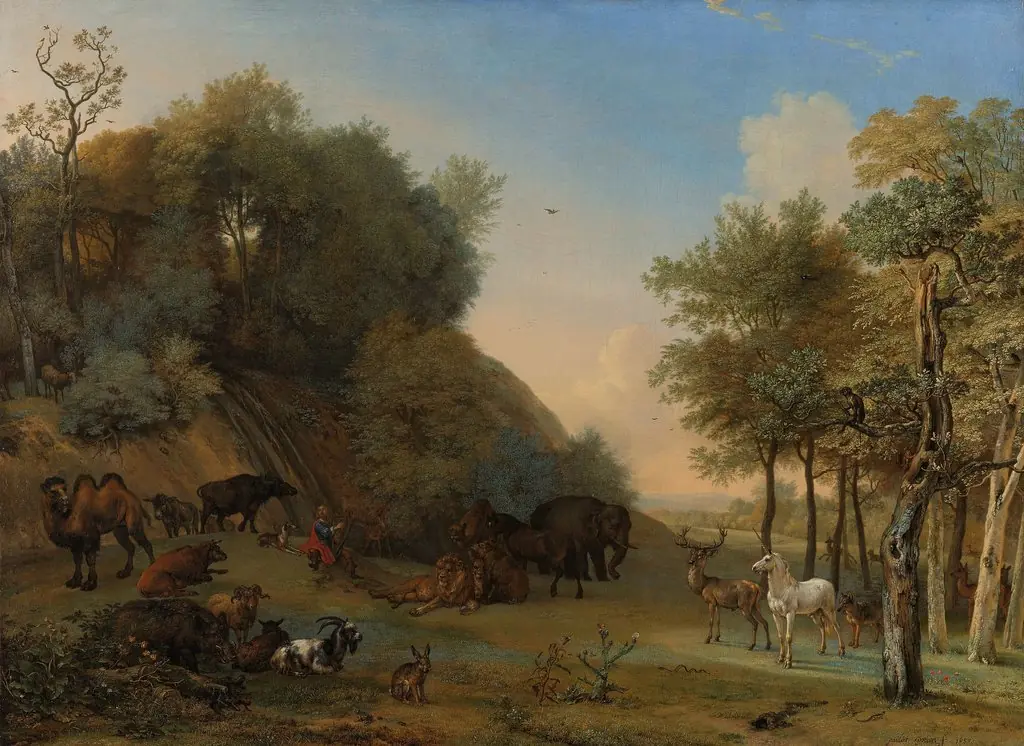
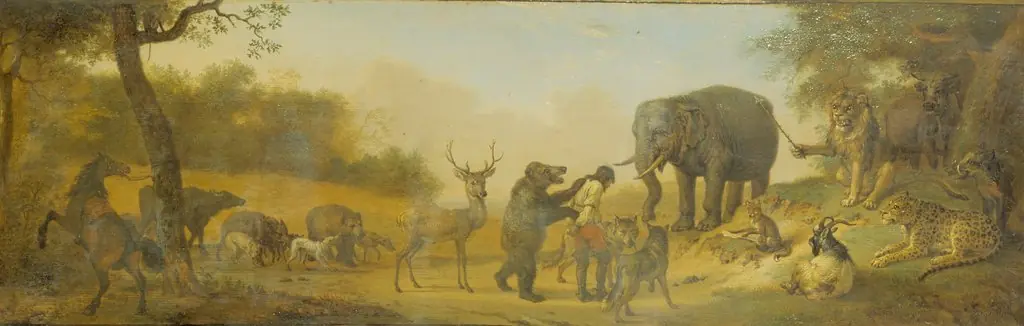
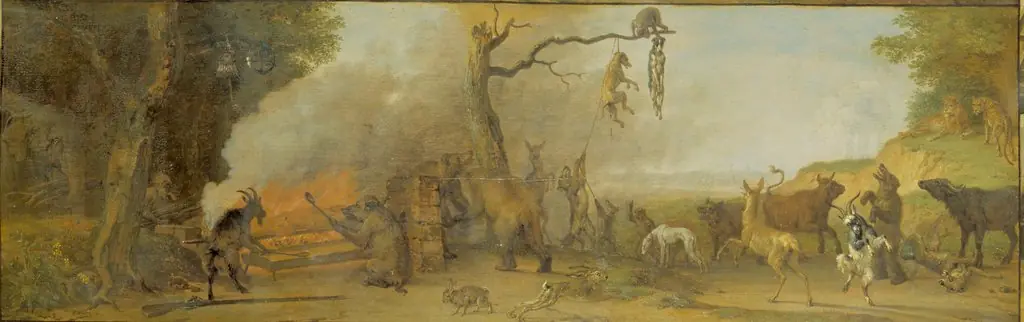
Though his career was brief—ending with his death from tuberculosis at age 28—he created approximately 100 works, mostly focusing on animals in rural settings.
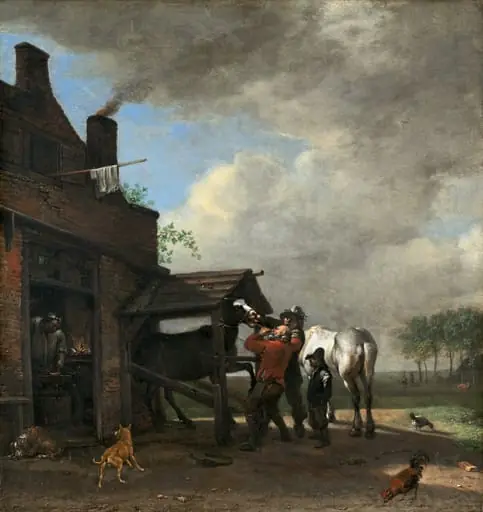
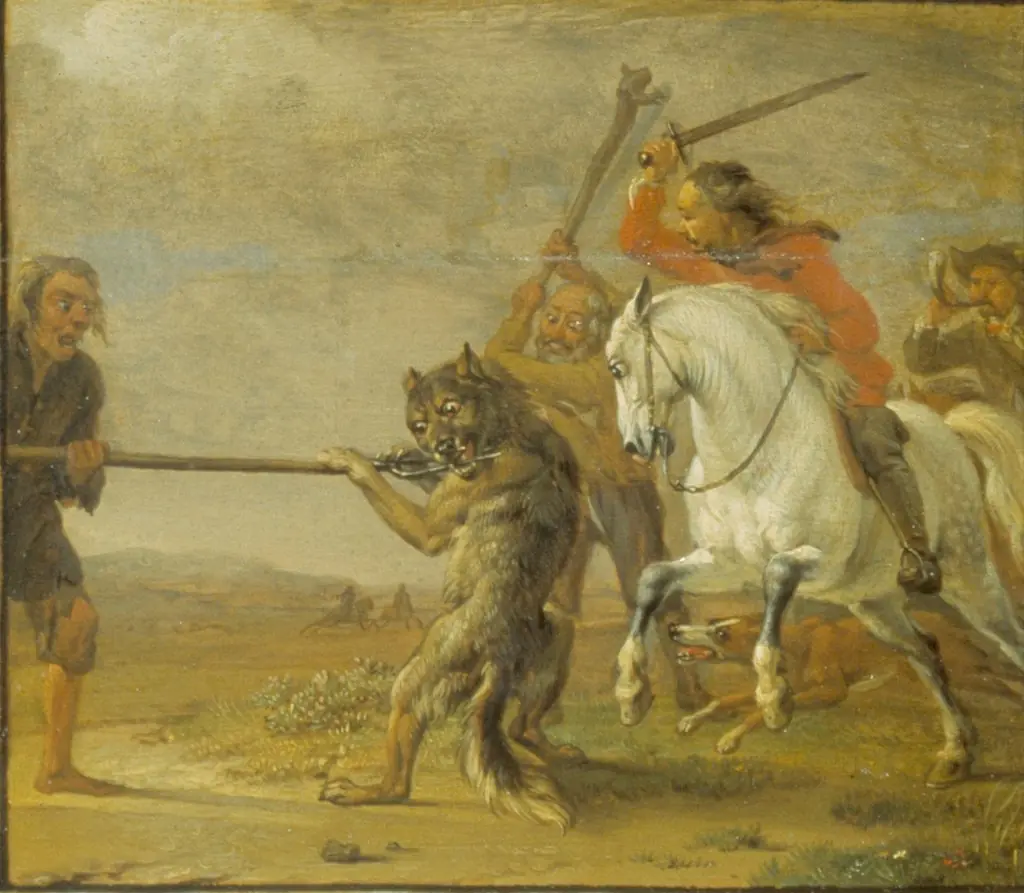
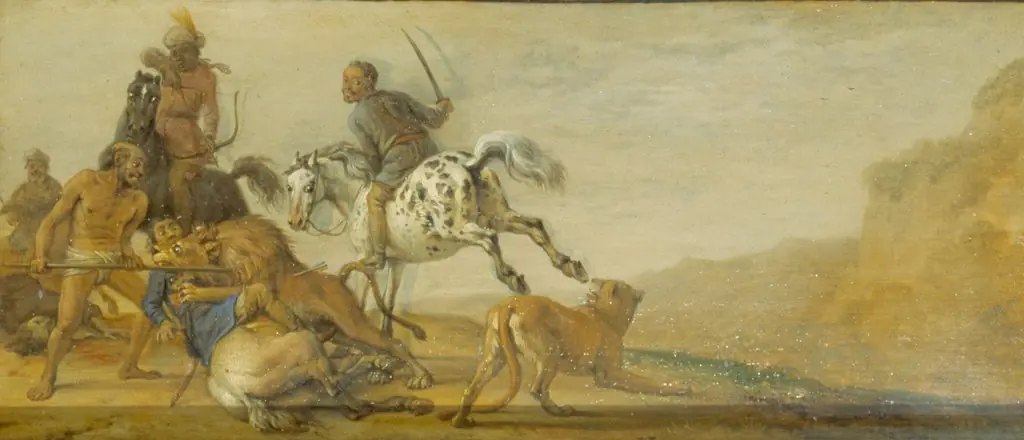
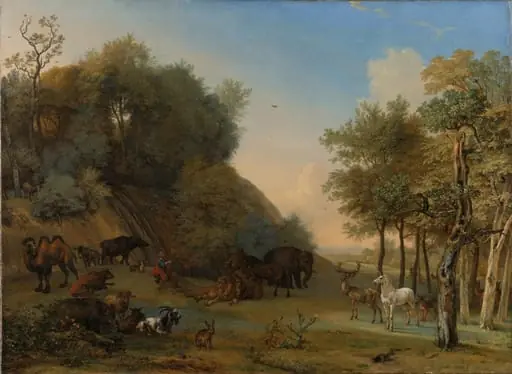
Paulus Potter, a Dutch artist active in the mid-17th century, produced the etching *Bull* in 1650. Though his career was brief—ending with his death from tuberculosis at age 28—he created approximately 100 works, mostly focusing on animals in rural settings. This print exemplifies his dedication to capturing livestock with quiet realism, distinguishing him among his contemporaries who favored human-centered narratives.
Subject & Meaning
The etching depicts a bull in profile, its head turned to confront the viewer with a composed gaze. Positioned within an open, undefined landscape, the animal conveys neither threat nor submission, but a sense of quiet presence. In 17th-century Dutch society, bulls symbolized agricultural wealth and stability; here, their dignity is emphasized through stillness, reflecting a cultural reverence for the creatures that sustained rural economies.
Technique & Style
Potter employed fine, controlled lines to model the bull’s muscular form, using varying densities of etched strokes to suggest volume and texture. The fur is rendered with deliberate, directional marks that catch light and shadow, enhancing tactile realism. The background remains minimal, drawing focus to the animal’s posture and surface detail. His technique avoids theatricality, favoring close observation over idealization.
History & Provenance
Created during the height of the Dutch Golden Age, *Bull* emerged from Potter’s short but prolific career. Little is documented about the print’s early ownership, but it aligns with the period’s growing market for animal studies among middle-class collectors. As one of roughly 100 known works by Potter, it survives as a testament to his singular focus and the niche he carved in printmaking.
Context
In 17th-century Netherlands, landscape and animal painting gained prominence as symbols of national identity and economic prosperity. While many artists depicted grand scenes, Potter turned to humble subjects—cows, sheep, and bulls—rendered with intimate attention. His work resonated with a society that valued agricultural life, offering a visual record of the animals central to daily existence.
Legacy
Potter’s etchings, including *Bull*, influenced later artists interested in naturalistic animal depiction. Though overshadowed in his time by more celebrated painters, his precise, unembellished approach to livestock contributed to the evolution of animal portraiture in print. His legacy endures in collections that value observational accuracy over narrative drama.
Artist & collection
Artist
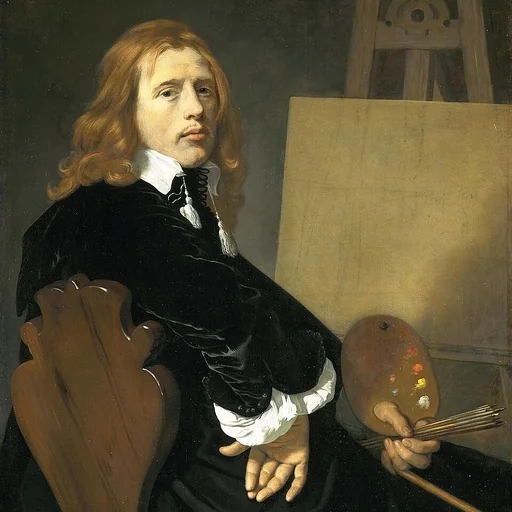
Paulus Potter (Dutch pronunciation: ; 20 November 1625 (baptised) – 17 January 1654 (buried)) was a Dutch painter who specialized in landscapes featuring animals, often from a low vantage point.