Artwork
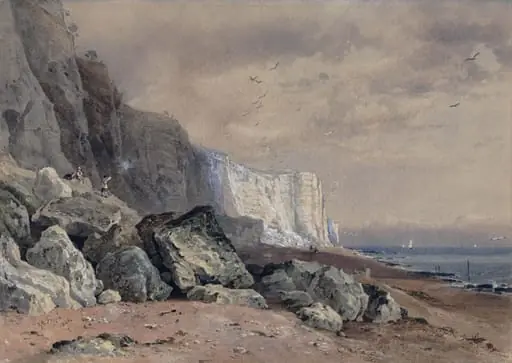
Seashore with figures
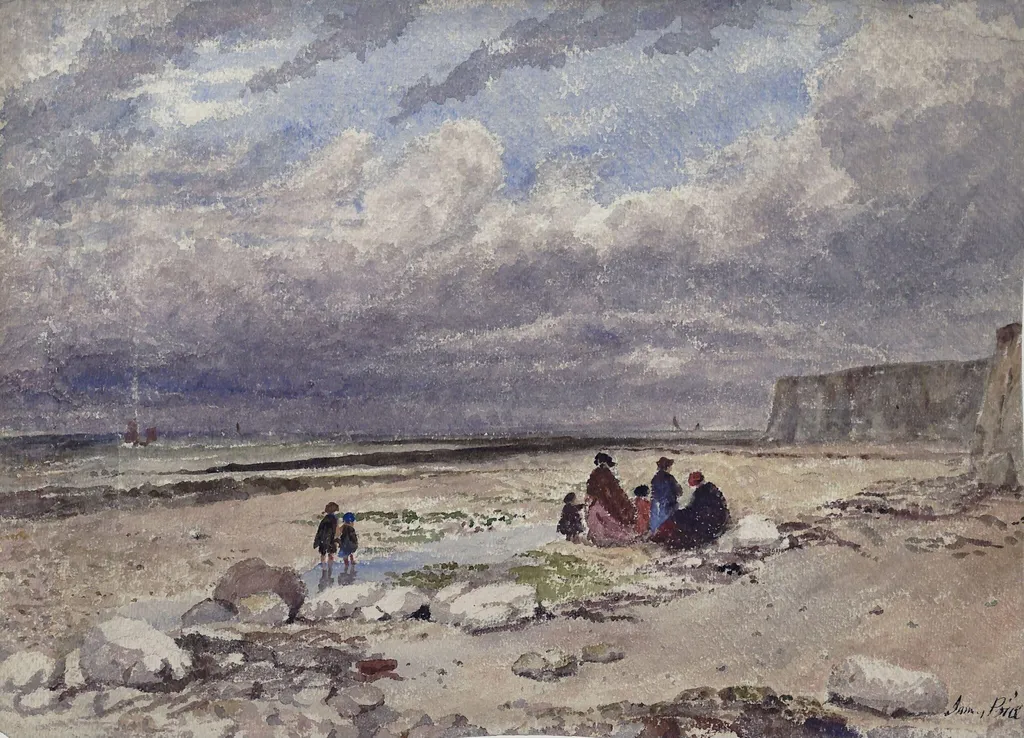
Seashore with figures is a watercolor work on paper by the Romanticist artist James Price. It dates from 1842 and is held in the collection of the Victoria and Albert Museum.
About this work
Overview
Created in 1842 by James Price, this watercolour captures a coastal scene with minimal detail and a focus on atmosphere. The work is executed in transparent pigments on paper, characteristic of 19th-century British watercolour practice. Its informal composition and rapid brushwork suggest it was made outdoors, reflecting a growing interest in direct observation of nature during this period.
Subject & Meaning
The scene portrays ordinary people on a rugged shoreline: two children near the tide and a cluster of adults seated on the sand. Their postures and clothing imply a quiet, everyday moment rather than a ceremonial or narrative event. The absence of clear identity or action invites contemplation of human presence within the natural landscape, a common theme in Romantic-era landscape art.
Technique & Style
This approach prioritizes mood and light over precision, aligning with contemporary watercolour traditions that valued spontaneity and atmospheric effect.
Price employs loose, fluid brushwork to suggest form rather than define it. The sky is rendered with broad, swirling washes of grey and white, evoking movement in the clouds. The cliffs and rocks are indicated with quick, dry strokes, while the figures are simplified silhouettes. This approach prioritizes mood and light over precision, aligning with contemporary watercolour traditions that valued spontaneity and atmospheric effect.
History & Provenance
The painting is held in the collection of the Victoria and Albert Museum, where it is part of a broader archive of 19th-century British watercolours. Its origin as a private work, likely intended for personal or domestic display, reflects the medium’s popularity among amateur and professional artists alike. No record of prior ownership or exhibition history beyond the museum’s acquisition is publicly documented.
Context
In the 1840s, watercolour was widely used for topographical studies and leisurely landscape sketches, especially in Britain. Artists like Price often worked en plein air, responding to the natural world with immediacy. This piece fits within a broader movement that valued the transient effects of light and weather, influenced by earlier Romantic painters and the rise of travel and seaside tourism.
Legacy
Though not widely known today, Price’s work exemplifies the quiet, observational strand of British watercolour painting that flourished outside the academic mainstream. Its preservation in a major public collection underscores its value as a representative example of mid-19th-century practice, offering insight into how ordinary moments were rendered with sensitivity and technical restraint.
Artist & collection
Artist
James Price painted quiet English landscapes in watercolor between the 1840s and 1870s, often filling the sheet with gentle foliage and scattered cottages.

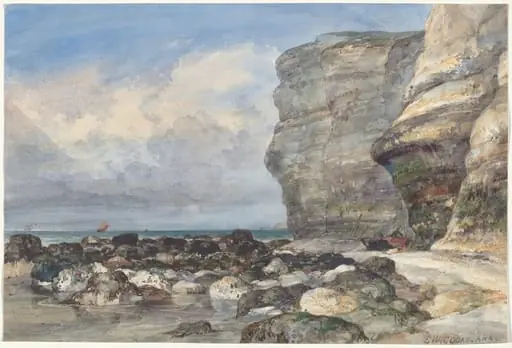 The Rocky Beach and Cliffs at Fécamp
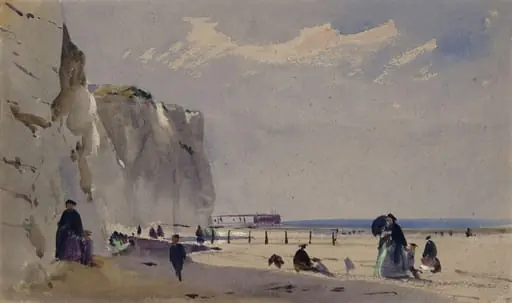 Coast Scene, Normandy
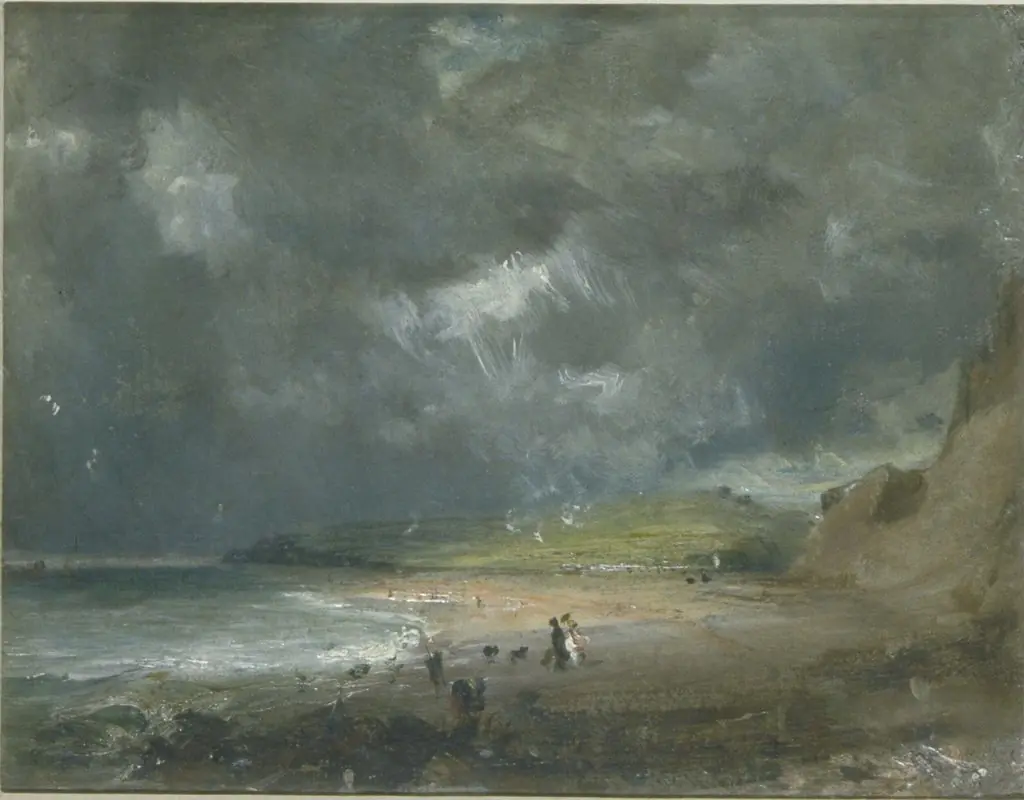 Weymouth Bay
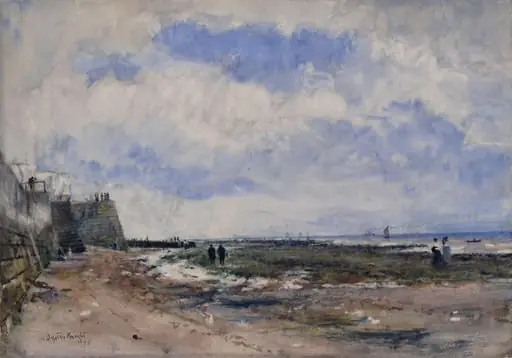 Ramsgate
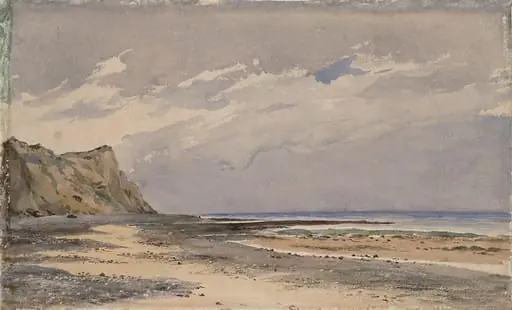 Shore Scene, Sheringham, Norfolk
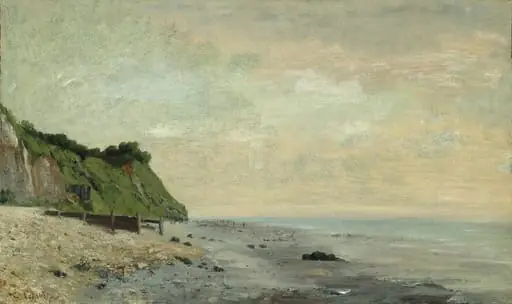 Cliffs on the Sea Coast: Small Beach, Sunrise (Falaise au bord de la mer, vu Petite Plage, soleil levant)
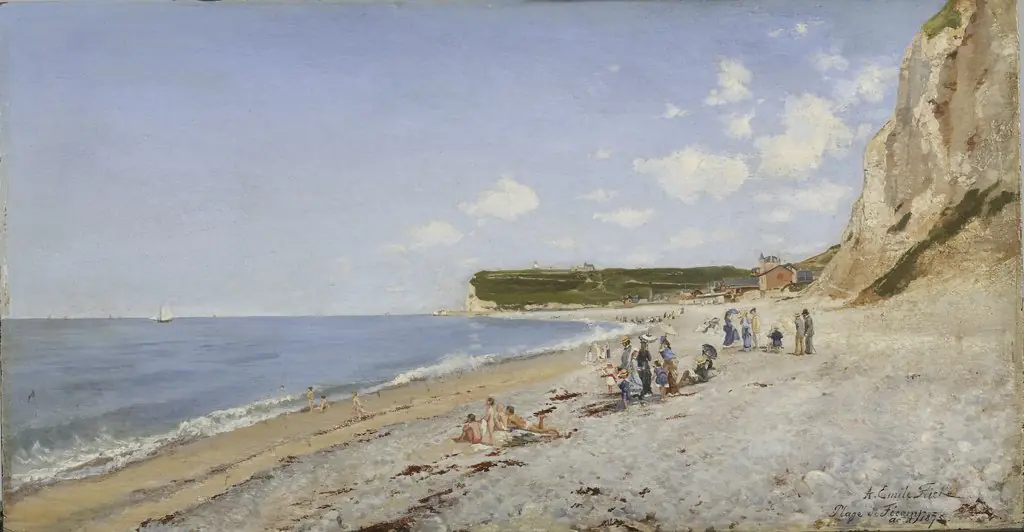 The Beach at Fécamp
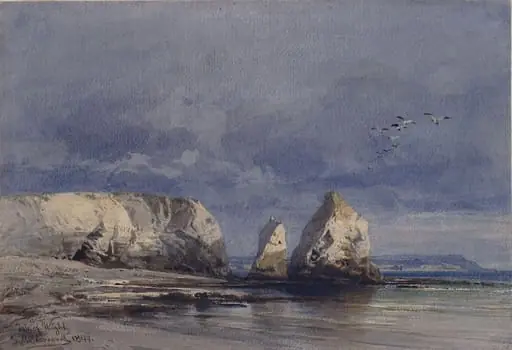 The Needles, Isle of Wight
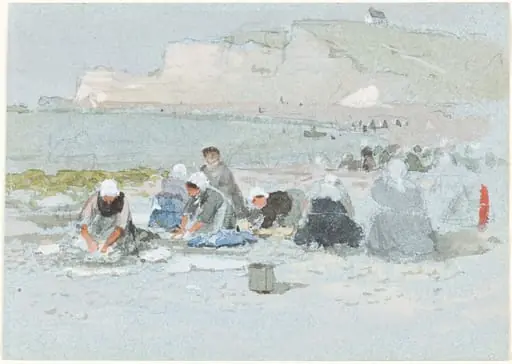 Washerwomen on the Beach at Etretat
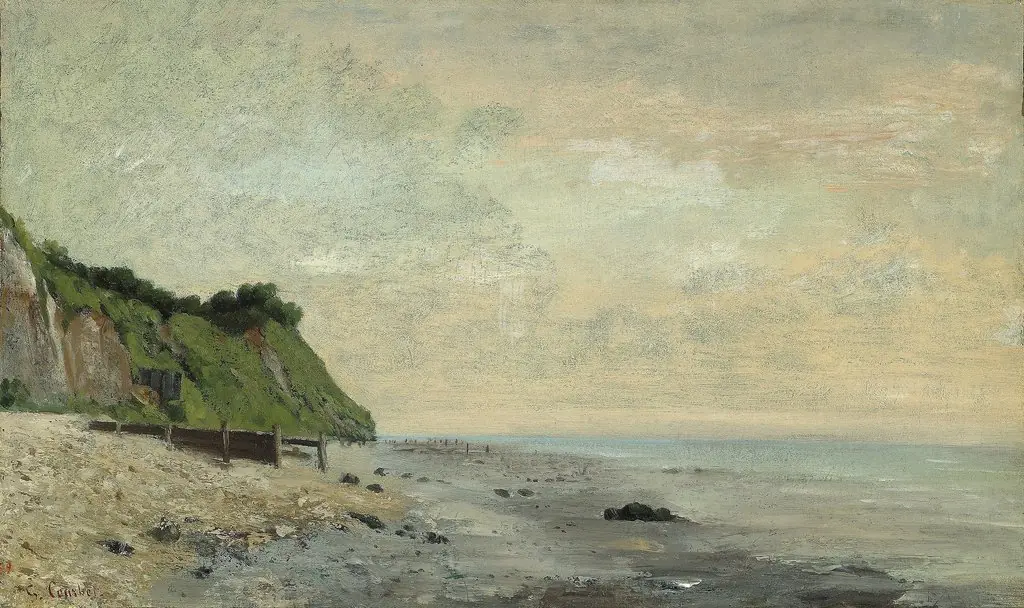 Cliffs on the Sea Coast: Small Beach, Sunrise (Falaise au bord de la mer, vu Petite Plage, soleil levant)
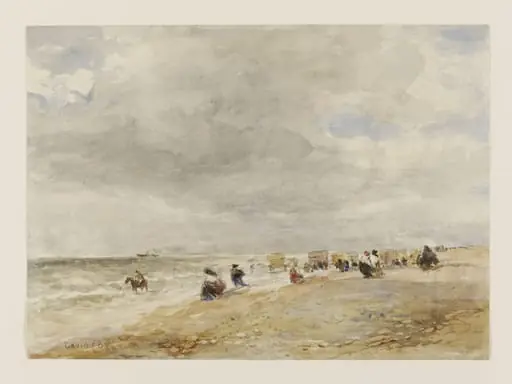 Rhyl Sands
 Dover Cliffs