Artwork
Moses
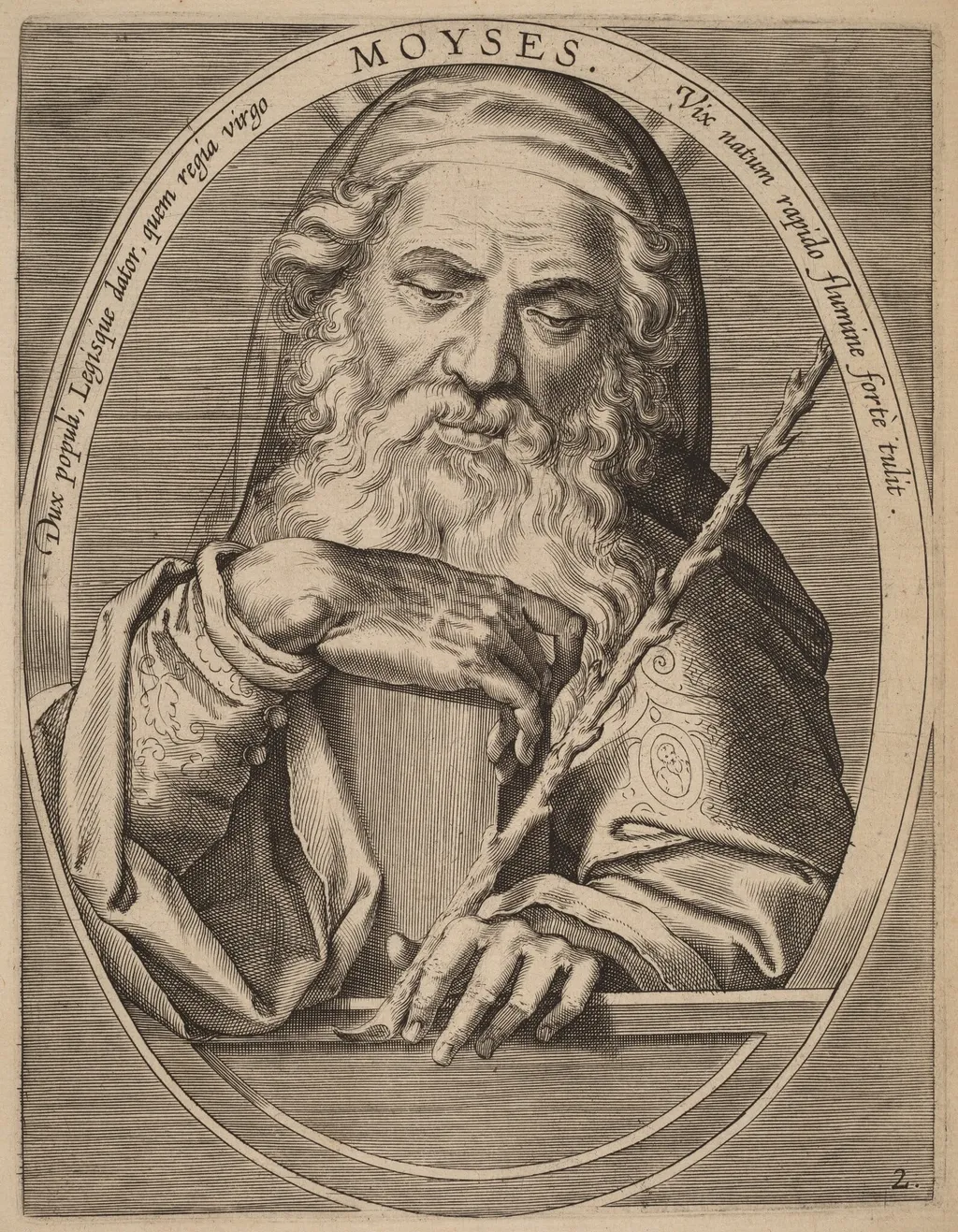
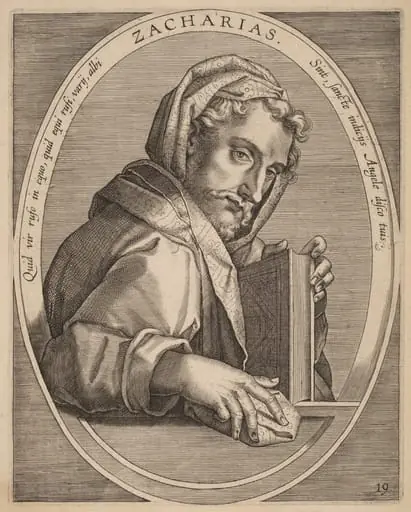
Moses is an ink print by the Baroque artist Theodor Galle. It dates from 1613 and is held in the collection of the National Gallery of Art.
About this work
Overview
The print retains sharp detail despite its age, reflecting the precision of early 17th-century engraving techniques and the artist’s control over line and tone.
Created in 1613 by Theodor Galle, this engraving on laid paper depicts Moses as a weary yet resolute figure, burdened by the weight of the stone tablets. The composition is tightly focused on the figure, with minimal background elements that emphasize his solitude. The print retains sharp detail despite its age, reflecting the precision of early 17th-century engraving techniques and the artist’s control over line and tone.
Subject & Meaning
Moses is portrayed not as a divine messenger in triumph, but as a man physically and emotionally drained by his sacred duty. The heavy tablets and two additional stones suggest the immense responsibility he carries. His furrowed brow and slumped posture convey exhaustion, while the sparse landscape around him underscores isolation. This humanized depiction invites reflection on the cost of leadership and divine command.
Technique & Style
Galle employed fine cross-hatching to model form and depth, particularly in the folds of Moses’ robes and the textured curls of his beard. The contrast between light and shadow is carefully calibrated, enhancing the three-dimensionality of the figure. The laid paper’s subtle texture subtly interacts with the ink, lending the image a quiet antiquity. The precision of the lines reveals mastery in metalplate engraving, a technique demanding steady hand and patience.
History & Provenance
The engraving was produced during a period when biblical subjects were widely circulated in Northern Europe through prints. Galle, active in the Southern Netherlands, worked within a network of publishers and engravers who reproduced religious imagery for private devotion and education. While specific early ownership records are sparse, the print’s survival in multiple institutional collections suggests its enduring use in scholarly and devotional contexts.
Context
In the early 1600s, engraving was a primary medium for disseminating religious narratives beyond painted altarpieces. Galle’s work reflects the influence of Flemish and German print traditions, where emotional restraint and detailed realism were valued. The depiction of Moses aligns with Protestant emphasis on personal moral struggle, contrasting with more theatrical Catholic portrayals of the same figure.
Legacy
Though less celebrated than contemporaries like Rembrandt, Galle’s engraving exemplifies the quiet power of monochrome printmaking in conveying psychological depth. His use of light, texture, and posture influenced later artists exploring biblical themes in print. The work remains a reference point for understanding how religious figures were rendered with human vulnerability in the age of Reformation and print culture.
Artist & collection