Artwork
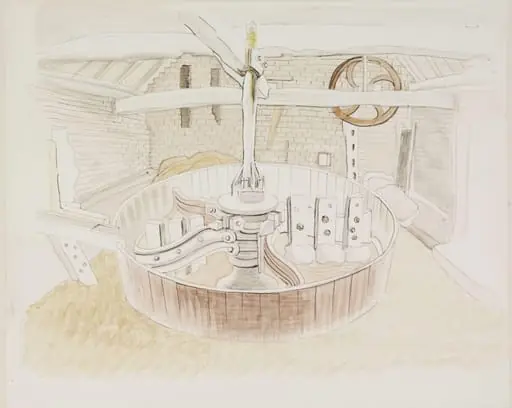
Haymill, Downton Gorge
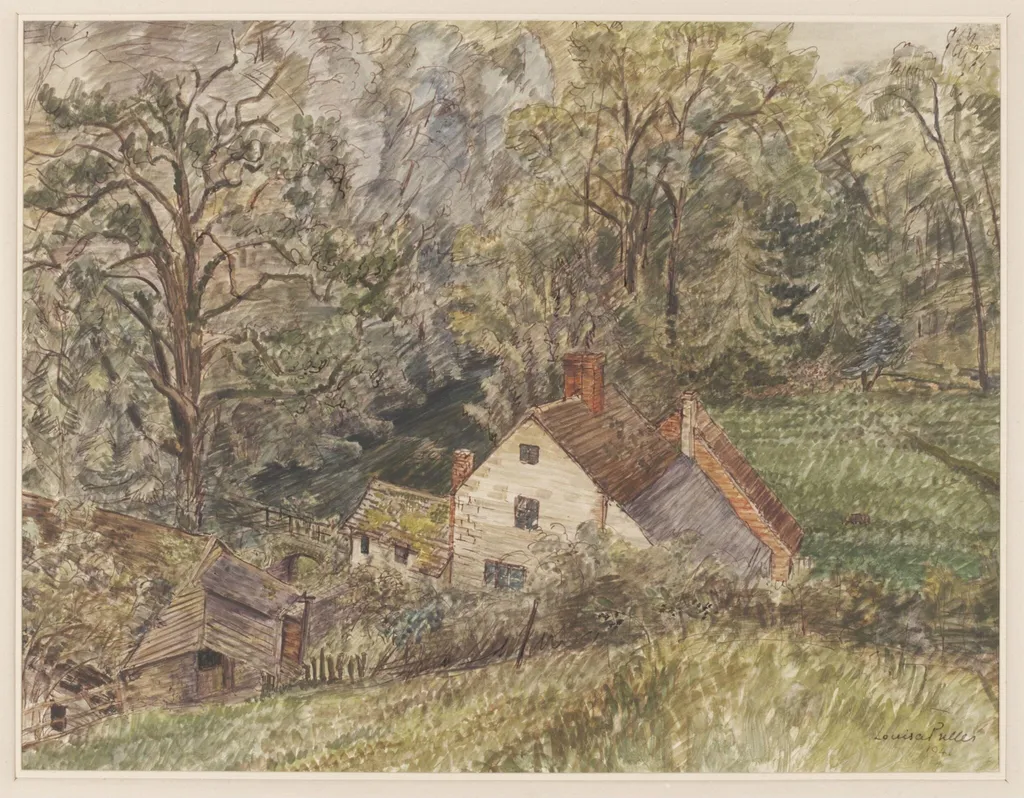
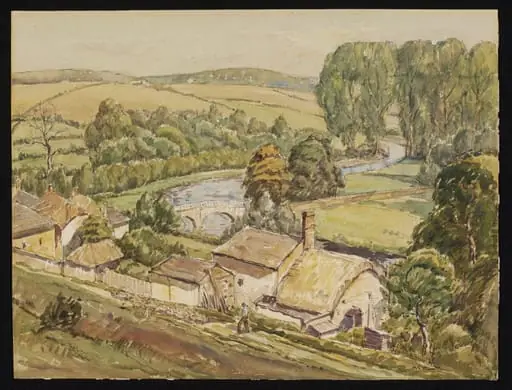
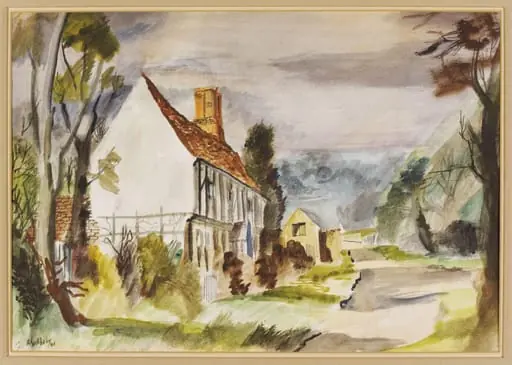
Haymill, Downton Gorge is a watercolor work on paper by Puller. It is held in the collection of the Victoria and Albert Museum.
About this work
Overview
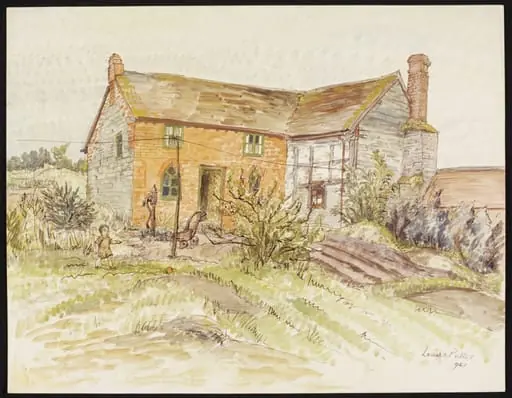
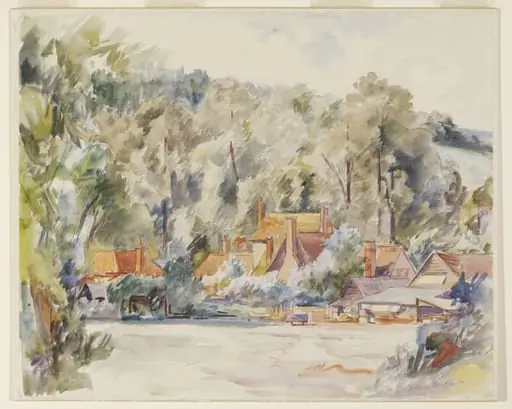
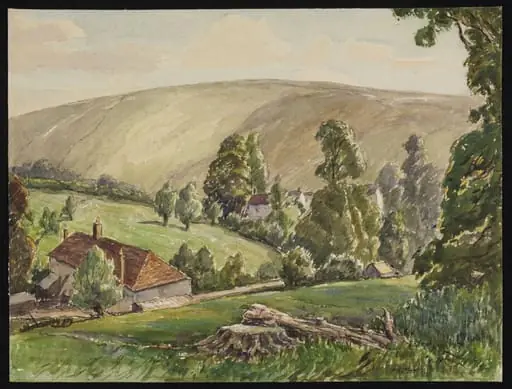
Haymill, Downton Gorge is a watercolour painting created by Puller in 1941. It depicts a serene valley scene with old wooden buildings and trees, characterized by soft watercolour strokes and muted colors, evoking a calm atmosphere.
Subject & Meaning
The painting captures a tranquil rural landscape with three aged wooden structures, including a larger dwelling with a chimney and sloping roof, surrounded by bare-branched trees in the foreground and lush, rolling hills in the background. The scene conveys a sense of quiet, timeless existence.
Technique & Style
Puller employed gentle watercolour techniques to achieve a soft, filtered light effect, with muted color palette contributing to the overall misty and peaceful ambiance of the valley setting.
History & Provenance
Commissioned as part of the Recording Britain project (1940-1943), led by Sir Kenneth Clark and funded by the Pilgrim Trust, this work aimed to document Britain's threatened landscapes and cultural heritage during wartime. The project involved 97 artists producing over 1,500 works, focusing primarily on England.
Context
Created amidst wartime concerns over the erosion of traditional Britain due to modernization and potential war damage, Haymill, Downton Gorge reflects the project's goal to preserve a visual record of a 'vanishing Britain'.
Legacy
Now part of a broader collection, this piece, like others from the Recording Britain initiative, is housed in institutions such as the Victoria and Albert Museum, where similar works can be viewed, highlighting the project's enduring legacy in documenting Britain's cultural and geographical heritage.
Own this work as a print
Artist & collection