Artwork
Theseus Taming the Bull of Marathon
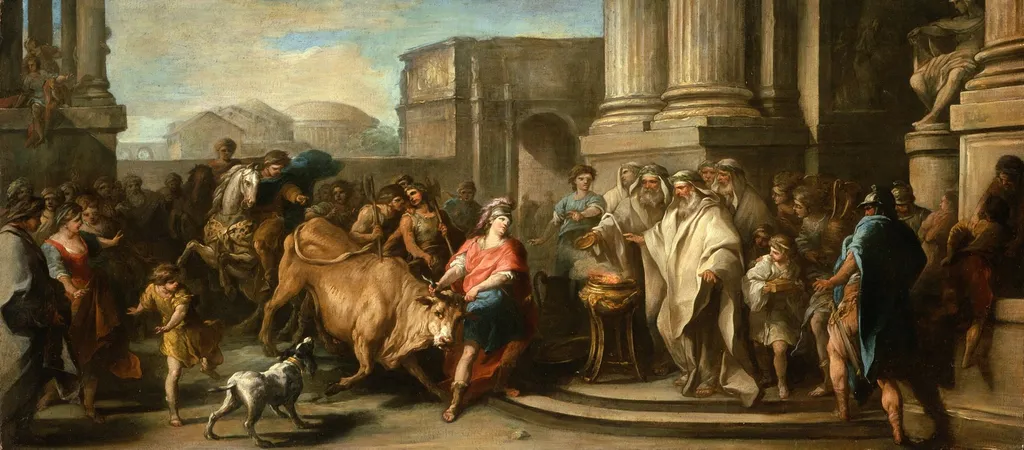
Theseus Taming the Bull of Marathon is an oil painting by Charles André van Loo. It dates from 1730 and is held in the collection of the Los Angeles County Museum of Art.
About this work
Overview
Painted in 1730 by Charles André van Loo, this oil work portrays a moment from Greek myth in which Theseus confronts the wild bull of Marathon.
Painted in 1730 by Charles André van Loo, this oil work portrays a moment from Greek myth in which Theseus confronts the wild bull of Marathon. Executed in the Baroque tradition, the composition emphasizes movement and emotional intensity. The painting resides in the collection of the Los Angeles County Museum of Art, where it remains a notable example of 18th-century mythological narrative painting.
Subject & Meaning
The scene captures Theseus, a legendary Athenian hero, subduing a sacred bull associated with the region of Marathon. His calm posture contrasts with the animal’s coiled energy, symbolizing human reason overcoming primal force. Onlookers in the background—among them a woman in yellow and a man in white—serve as witnesses, reinforcing the cultural weight of the act as a civic and divine trial.
Technique & Style
Van Loo employs chiaroscuro to model the figures with dramatic lighting, enhancing the three-dimensionality of the bull and Theseus. The palette includes rich reds, blues, and golds to distinguish figures against a distant architectural backdrop. Brushwork is fluid yet precise, particularly in the rendering of fabric and muscle tension, reflecting the artist’s training in French academic traditions.
History & Provenance
Commissioned during van Loo’s early career, the painting entered the LACMA collection in the 20th century. Its journey from 18th-century European patronage to a major American museum reflects broader patterns of art acquisition and the enduring interest in classical themes among Western collectors.
Context
Created during the height of Enlightenment fascination with antiquity, the painting aligns with a broader European trend of reviving mythological subjects to explore virtue, power, and civilization. Van Loo’s interpretation follows the conventions of French academism, where historical and mythological narratives were elevated above genre or landscape painting.
Legacy
Though not widely reproduced today, the work exemplifies how 18th-century artists reimagined classical myths through contemporary visual language. It stands as a testament to the persistence of Greco-Roman narratives in European art and the role of museums in preserving such interpretations for later generations.
Artist & collection
Artist
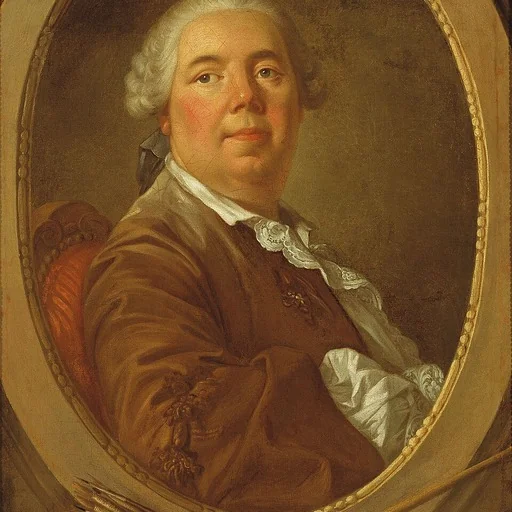
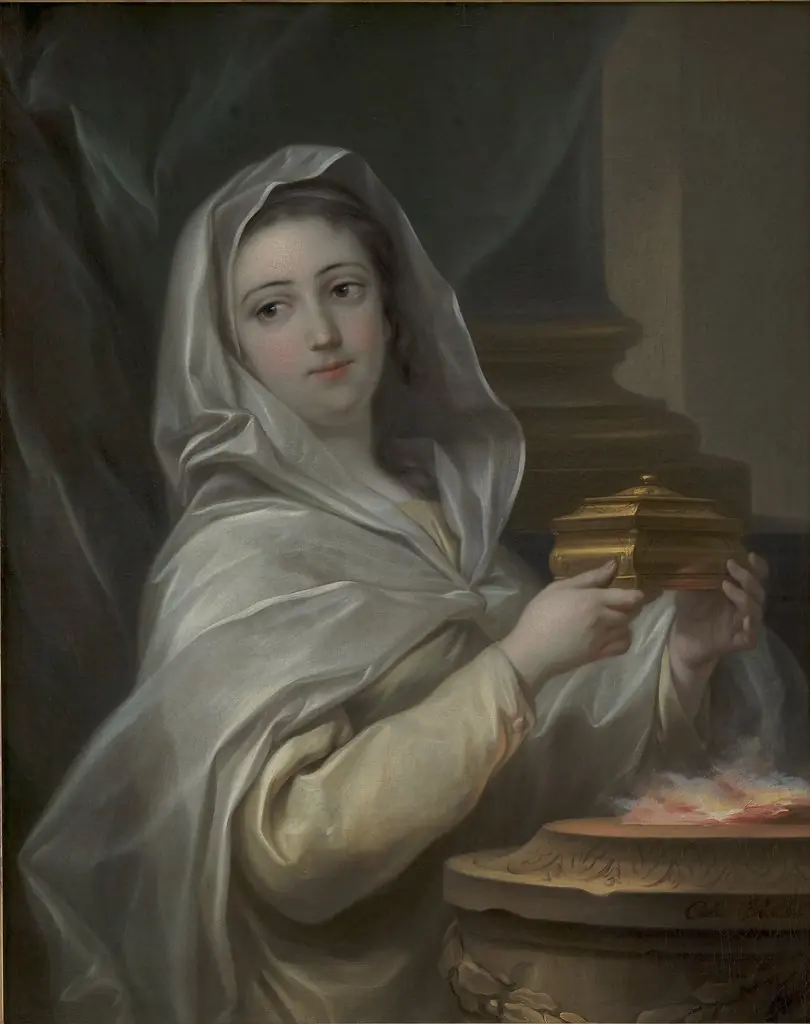
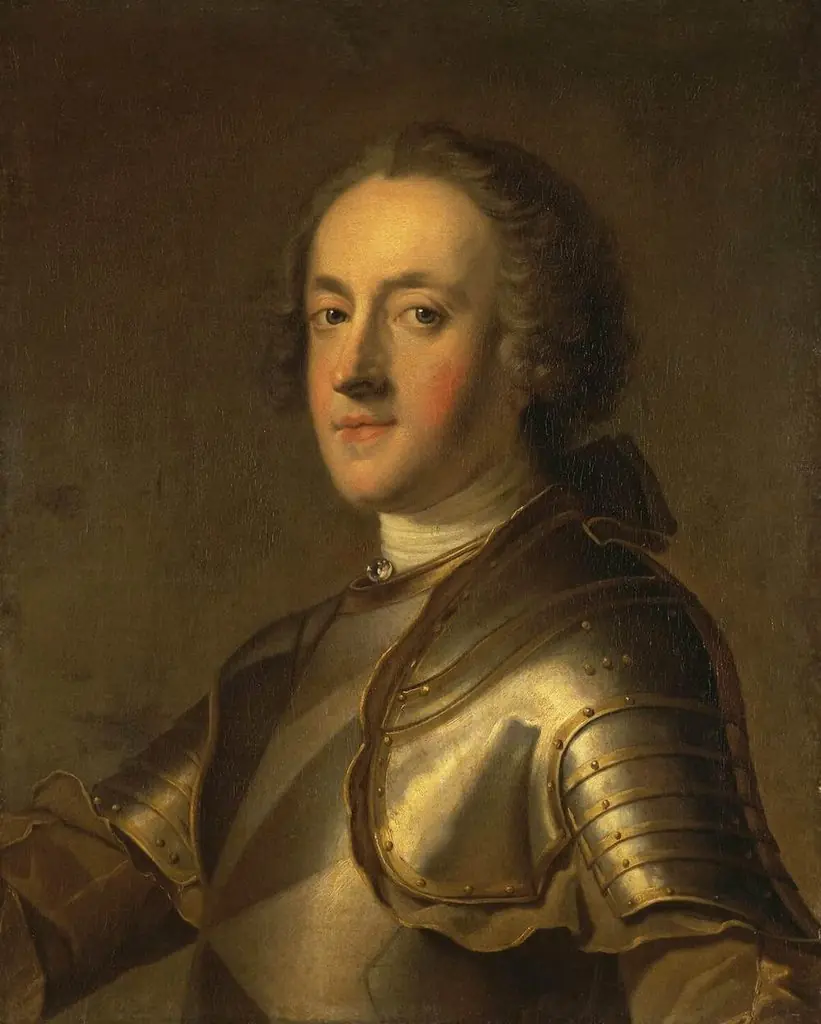
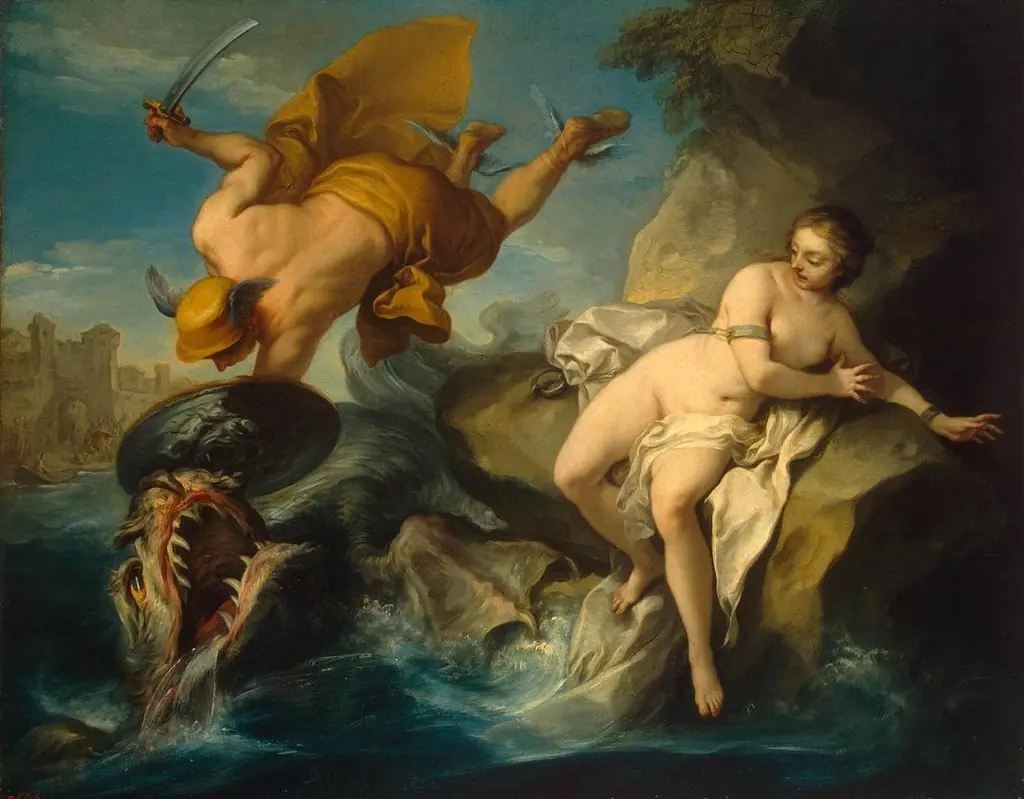
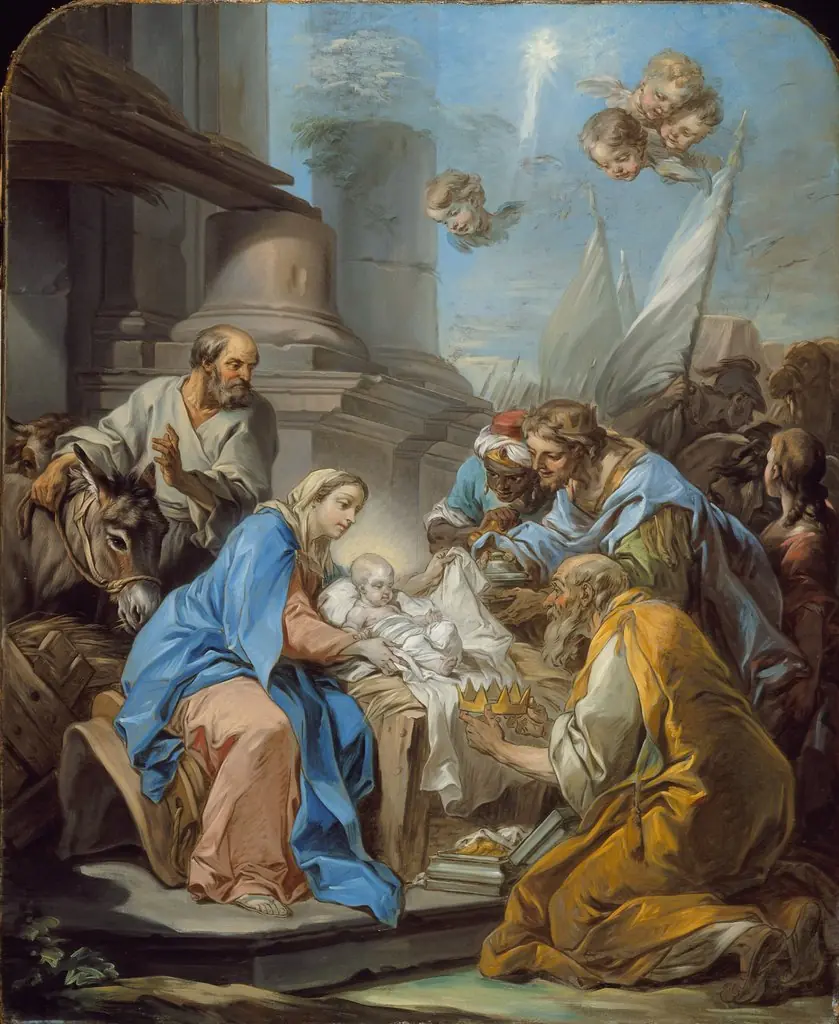
Carle or Charles-André van Loo (French pronunciation: ; 15 February 1705 – 15 July 1765) was a French painter, son of the painter Louis-Abraham van Loo, a younger brother of Jean-Baptiste van Loo and grandson of Jacob van Loo.

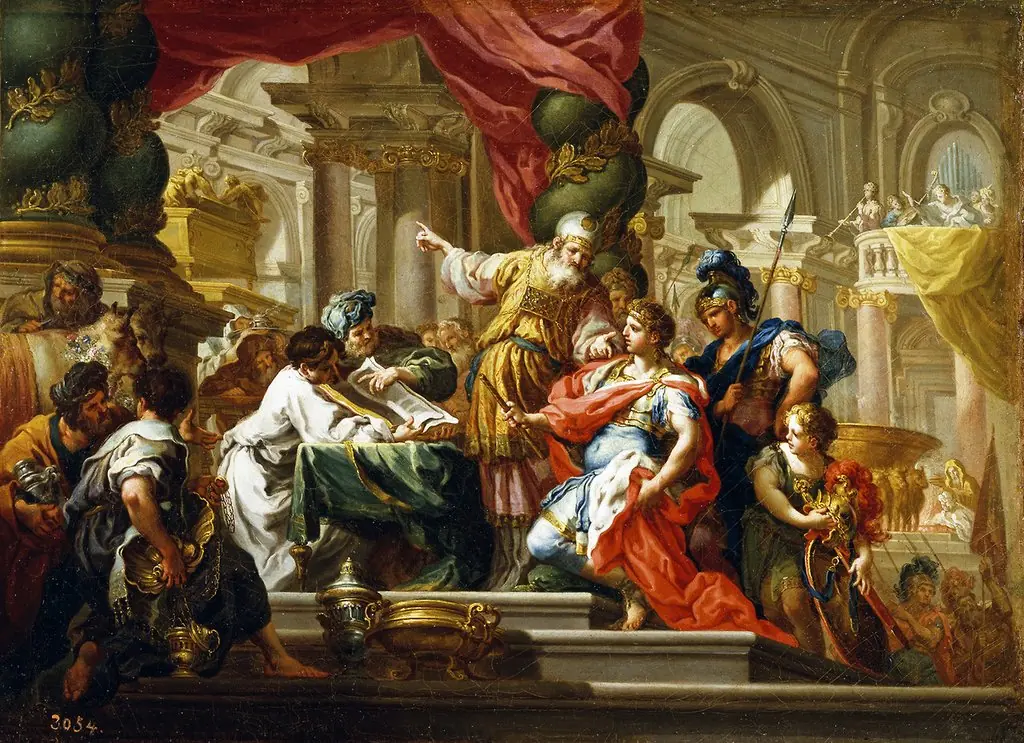 Alexander the Great in the Temple of Jerusalem
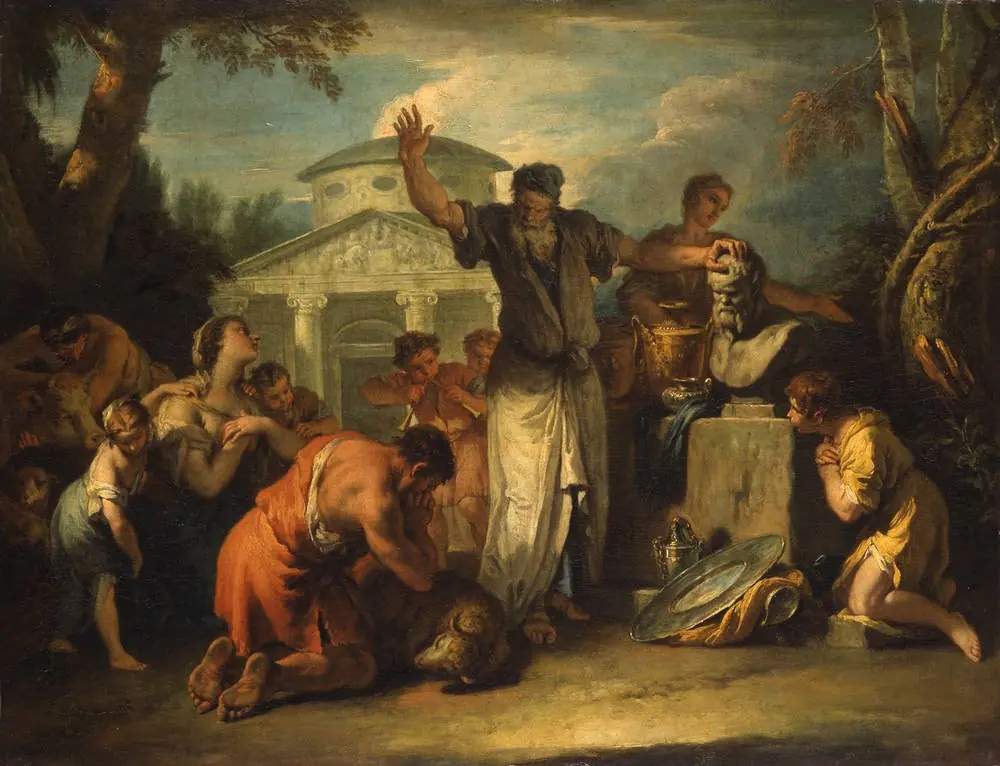 Opfer an Silen
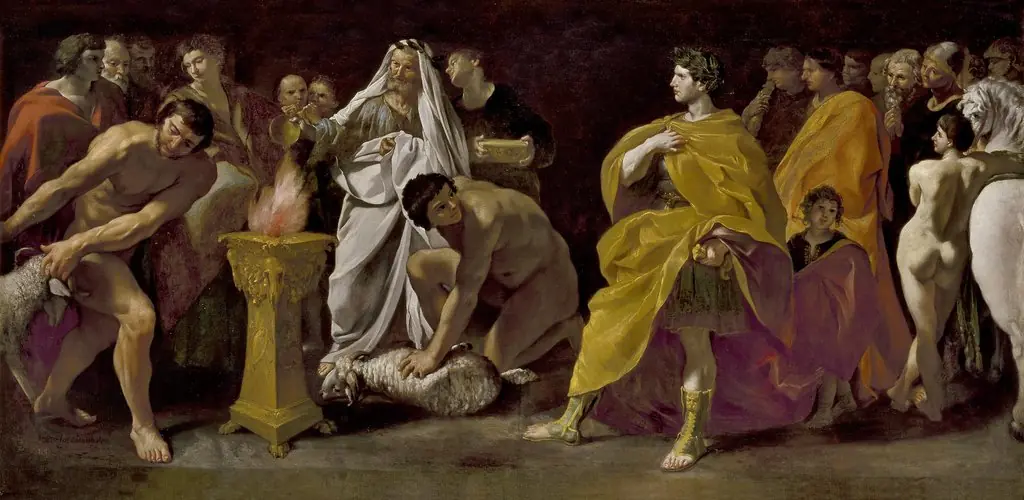 A Priest sacrificing for a Roman Emperor
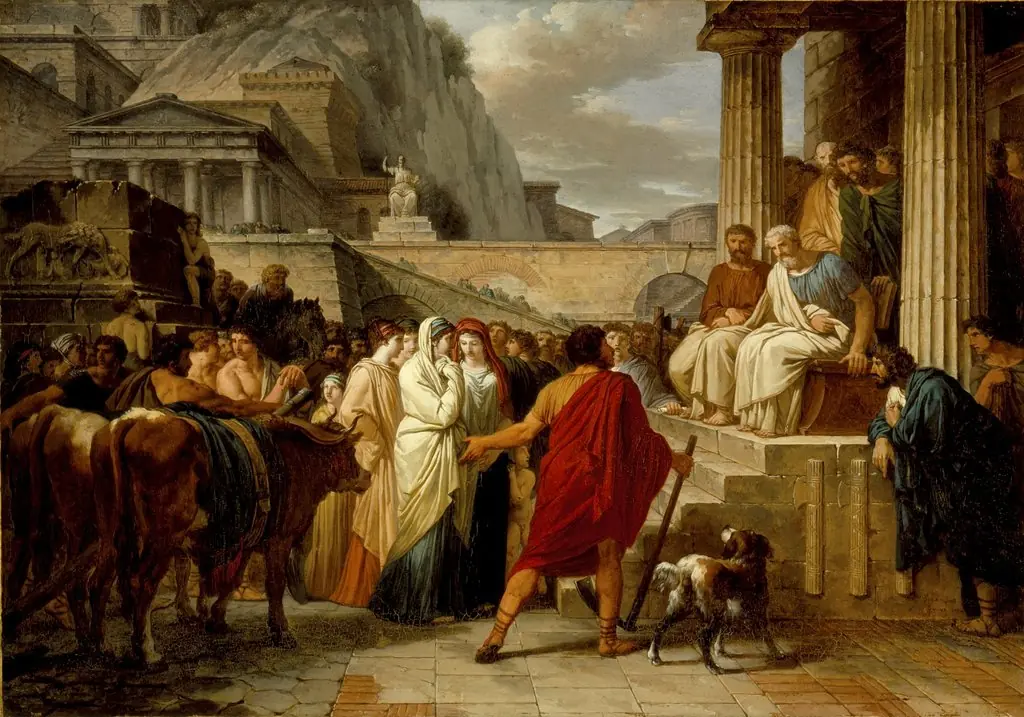 Caius Furius Cressinus Accused of Sorcery
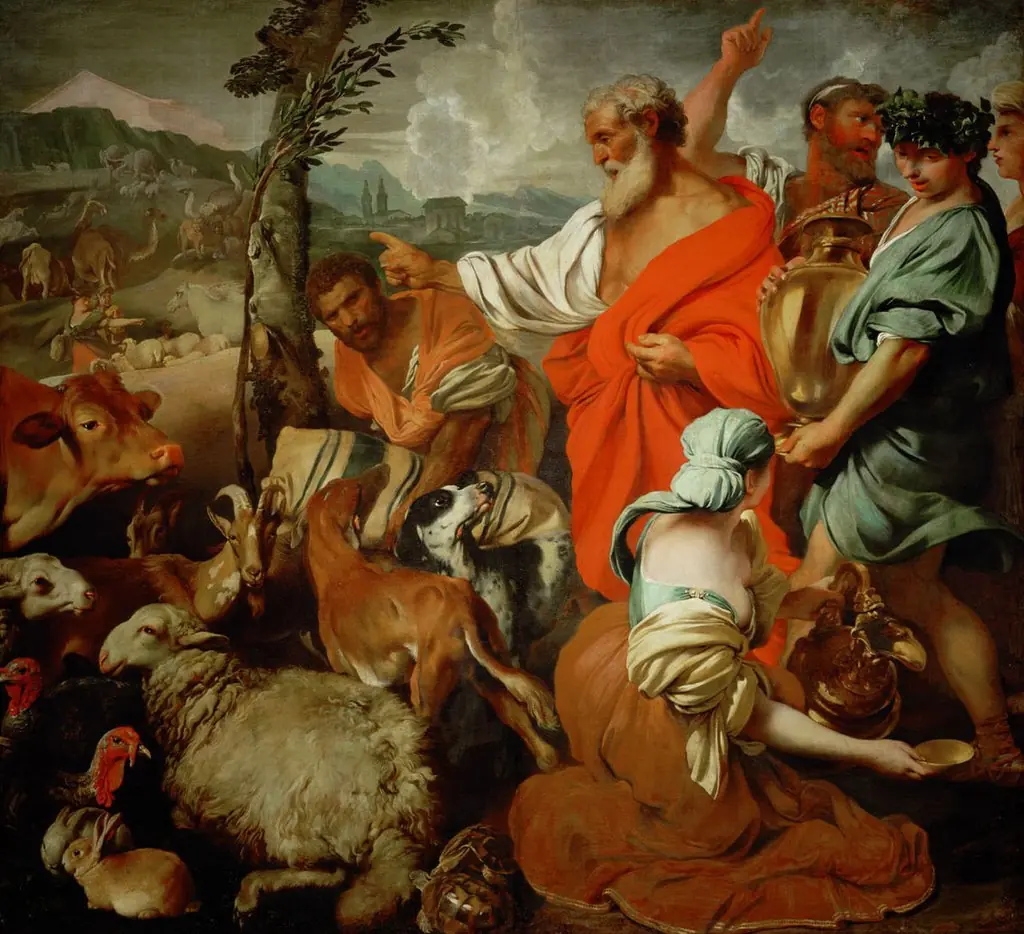 Einzug der Tiere in die Arche Noah
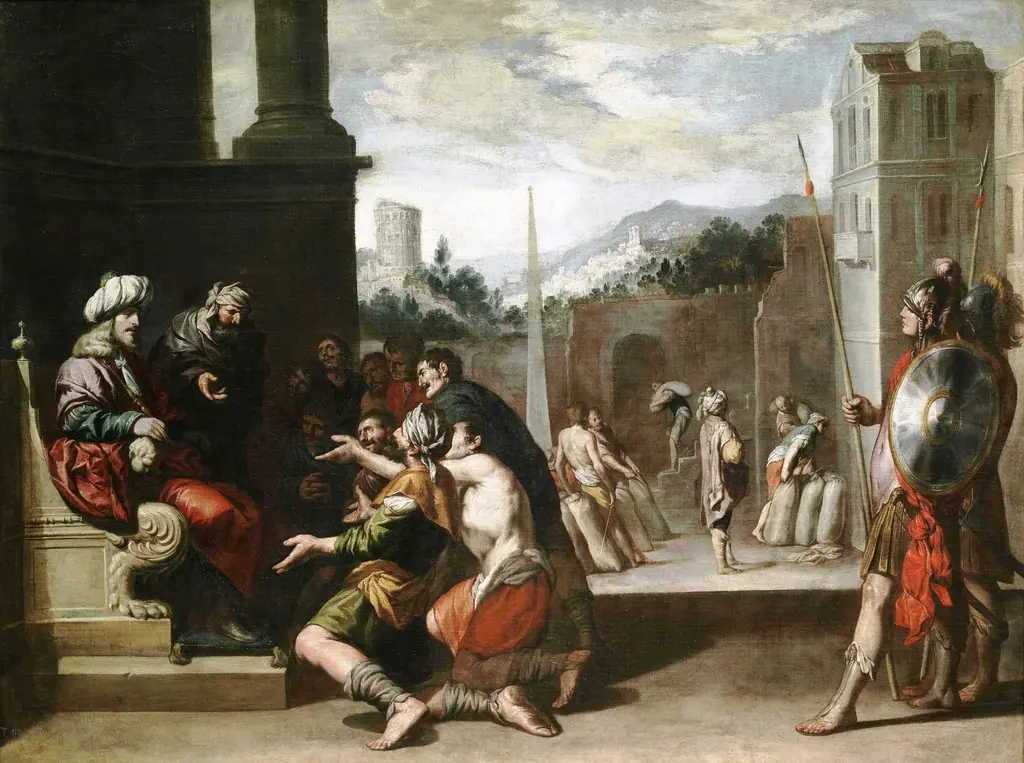 Joseph orders Simeon’s Imprisonment
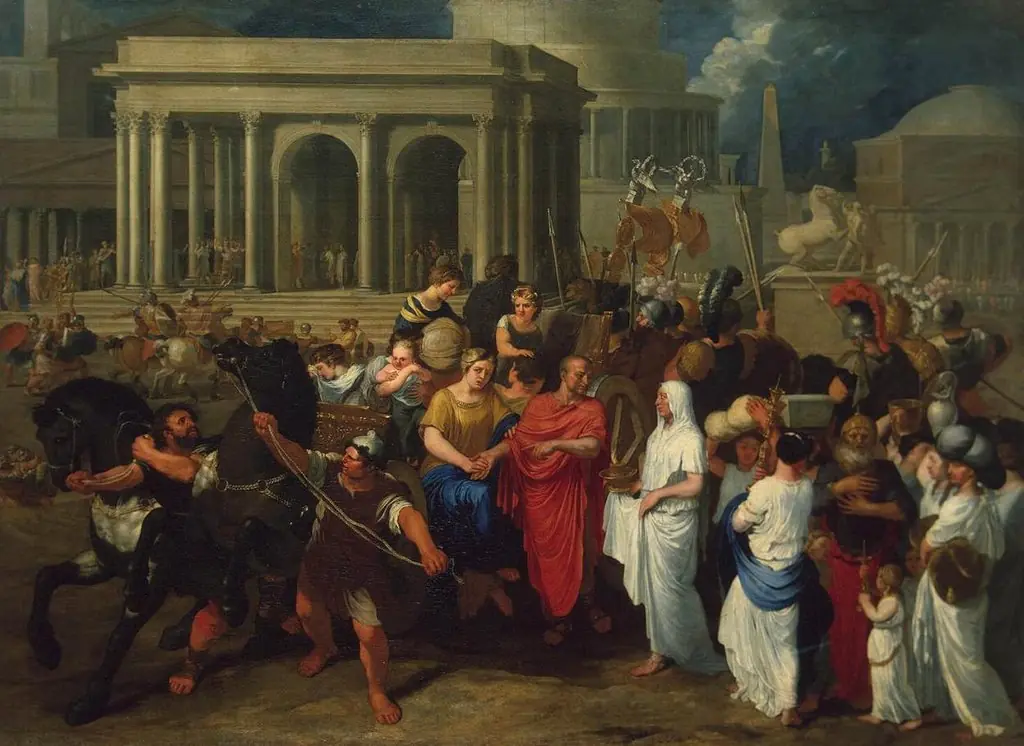 Lucius Albinus Giving his Carriage to Vestals
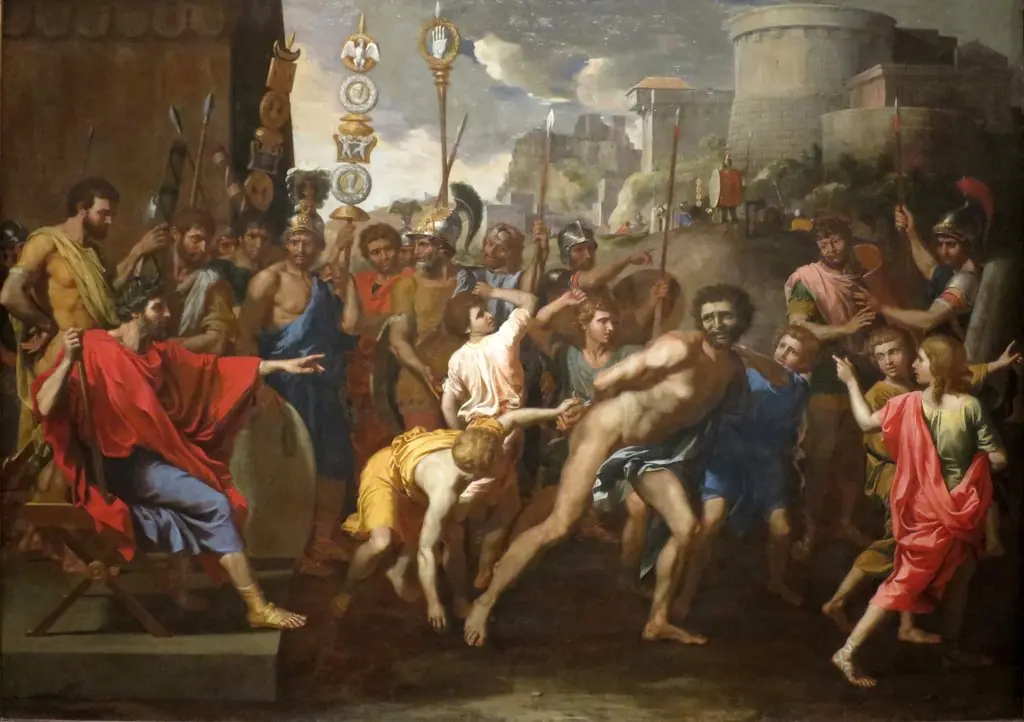 Camillus and the Schoolmaster of Falerii
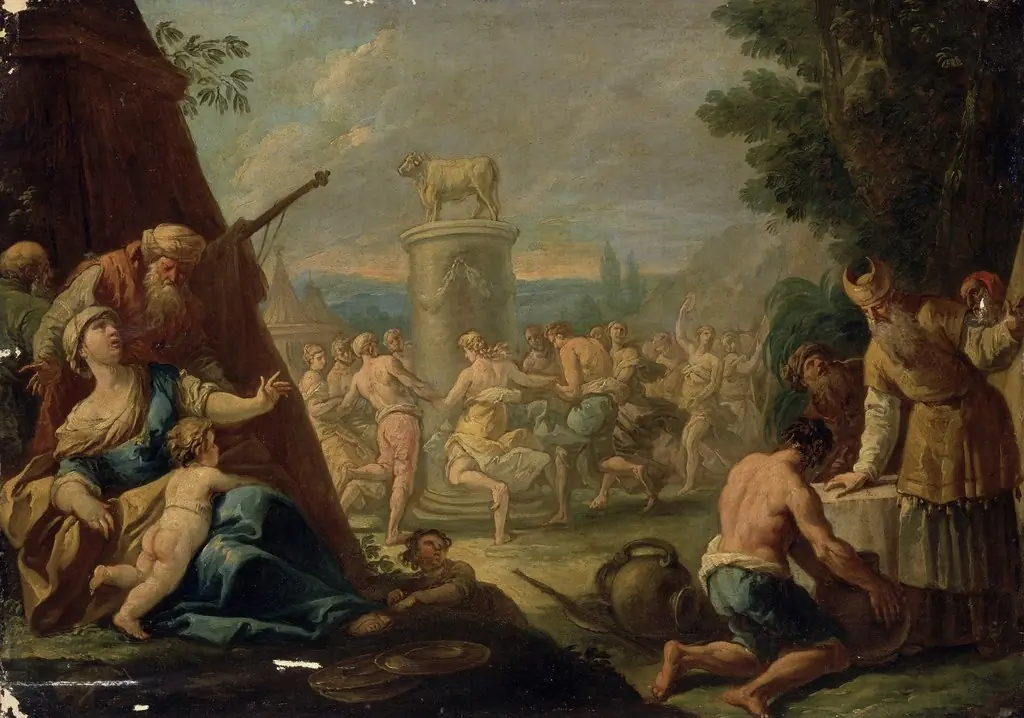 Adoration of the Golden Calf
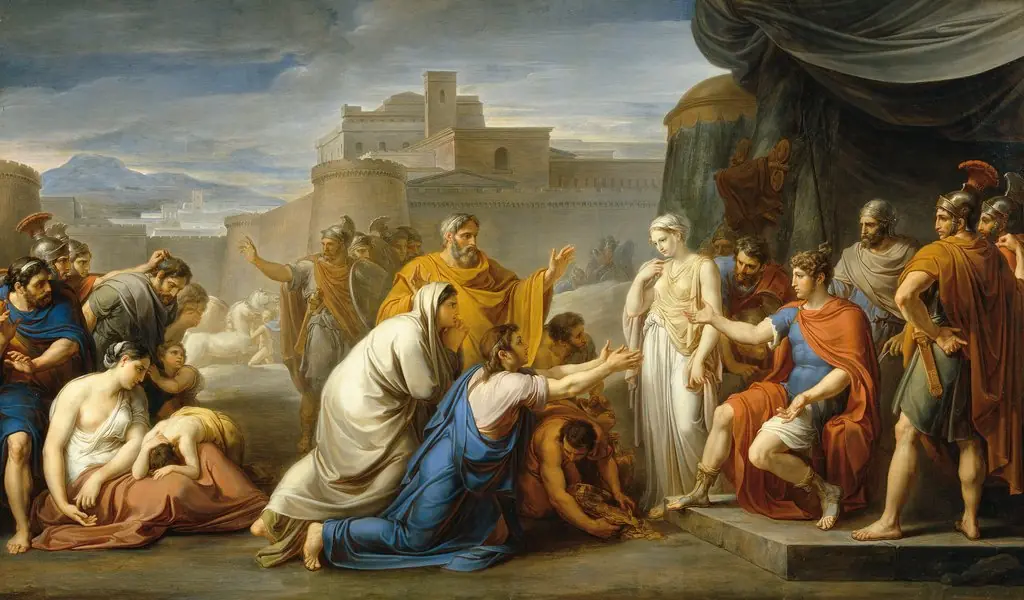 Scipios Mäßigung
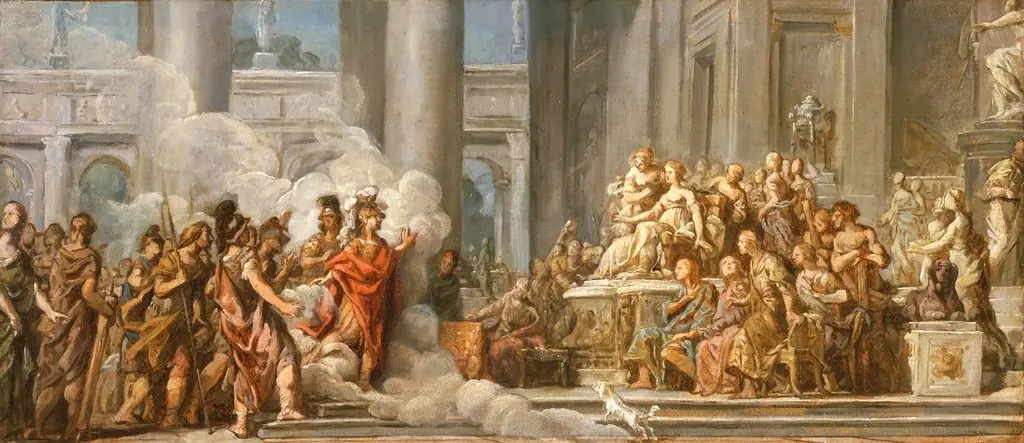 The Arrival of Aeneas in Carthage
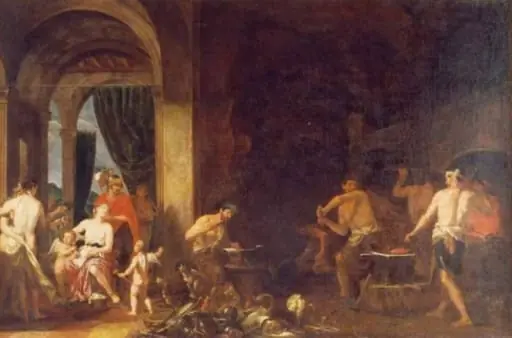 Atelierul lui Vulcan