Artwork
An Allegory of Architecture
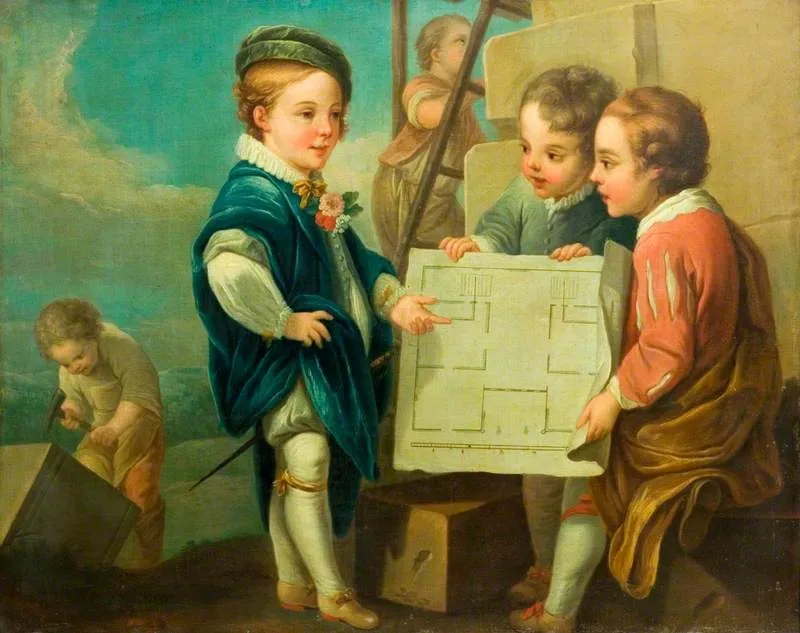
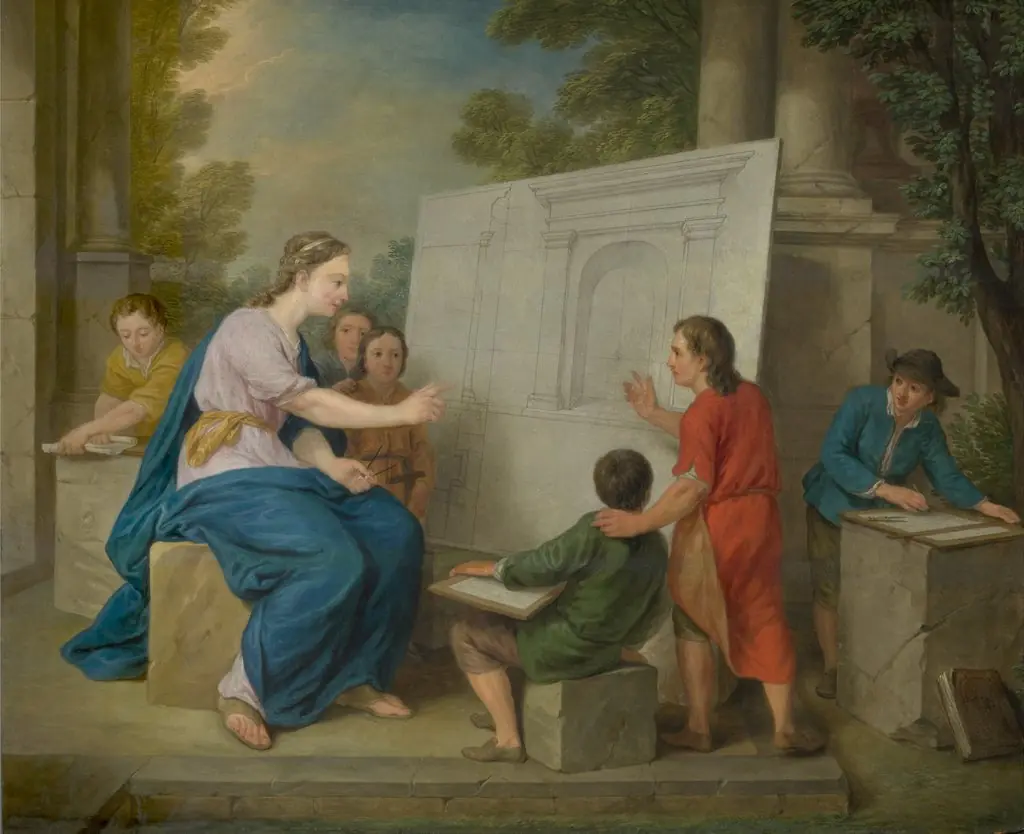
An Allegory of Architecture is an oil painting by Charles André van Loo. It dates from 1745 and is held in the collection of the Victoria and Albert Museum.
About this work
Overview
Painted around 1745, An Allegory of Architecture is an oil-on-canvas work by Charles André van Loo. It belongs to a tradition of allegorical art that personifies abstract concepts through human figures and symbolic settings. The painting is part of the collection at the Victoria and Albert Museum in London, where it is displayed as an example of 18th-century French academic painting.
Subject & Meaning
She is attended by figures representing related disciplines—geometry, engineering, and design—emphasizing architecture as a rational and cultivated art.
The painting presents Architecture as a noble female figure, seated and crowned, surrounded by tools and models of construction. She is attended by figures representing related disciplines—geometry, engineering, and design—emphasizing architecture as a rational and cultivated art. The composition conveys the Enlightenment ideal of architecture as a disciplined science, grounded in knowledge and order.
Technique & Style
Van Loo employs smooth brushwork and a restrained palette to achieve a refined, polished surface typical of French academic painting. Figures are rendered with classical poise, their drapery and gestures drawn from historical precedent. The background is softly modeled, directing focus to the central allegorical group without distracting detail, reflecting the period’s preference for clarity and intellectual harmony.
History & Provenance
The painting was likely commissioned or created for a private collector or academic circle interested in the arts of design. It entered the Victoria and Albert Museum’s collection in the 19th century, among a group of works acquired to illustrate the history of decorative arts. Its presence there underscores its role as a didactic object rather than a purely decorative one.
Context
Created during the height of the French Enlightenment, the work reflects contemporary efforts to elevate architecture to the status of a liberal art. It aligns with writings by theorists like Blondel and the growing institutional interest in architectural education. Van Loo’s depiction responds to a cultural moment that valued reason, hierarchy, and the integration of art with science.
Legacy
An Allegory of Architecture remains a representative example of how 18th-century artists visualized intellectual ideals. While not widely known outside specialist circles, it contributes to the understanding of how academic painting served to legitimize professional disciplines. Its preservation in a museum of decorative arts ensures its continued relevance to studies of artistic pedagogy and cultural values.
Artist & collection
Artist
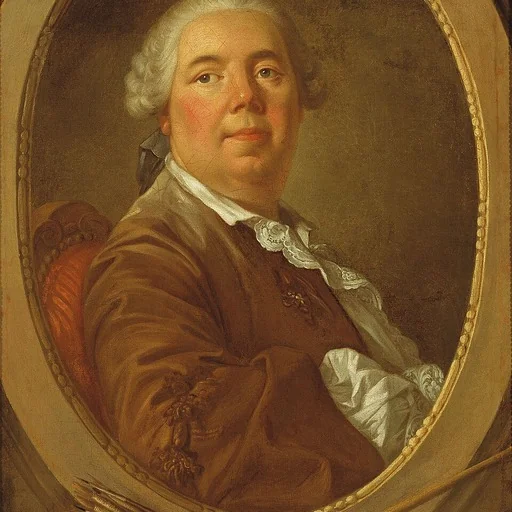
Carle or Charles-André van Loo (French pronunciation: ; 15 February 1705 – 15 July 1765) was a French painter, son of the painter Louis-Abraham van Loo, a younger brother of Jean-Baptiste van Loo and grandson of Jacob van Loo.

 Portrait of Auguste Gabriel Godefroy
 Instruction in Perspective
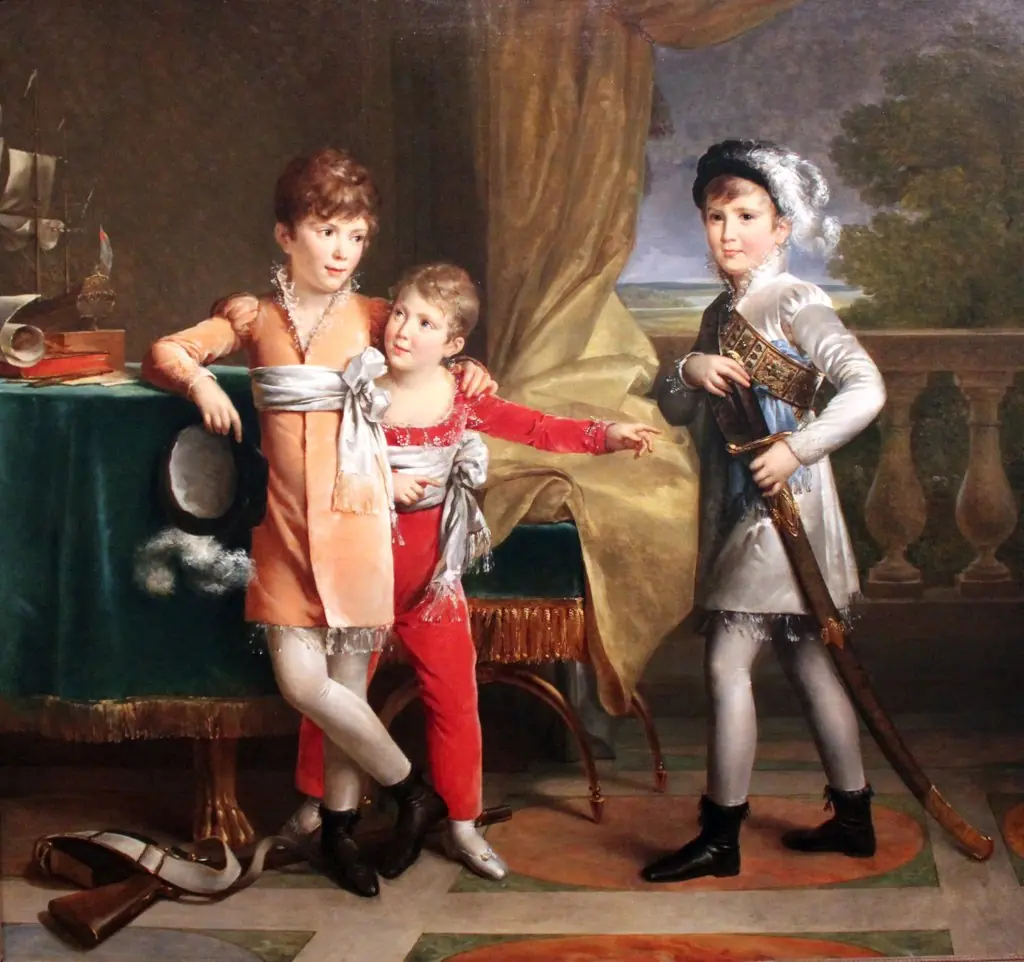 The sons of Marshal Ney
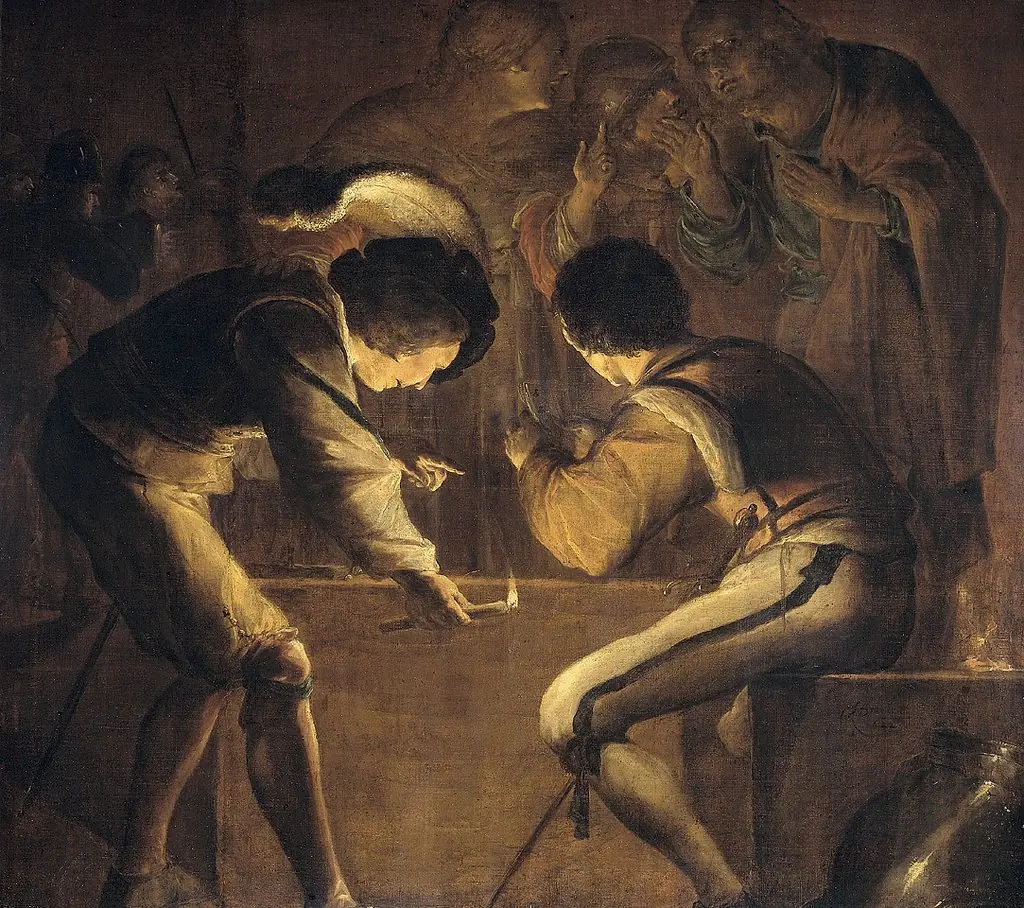 St Peter's denial
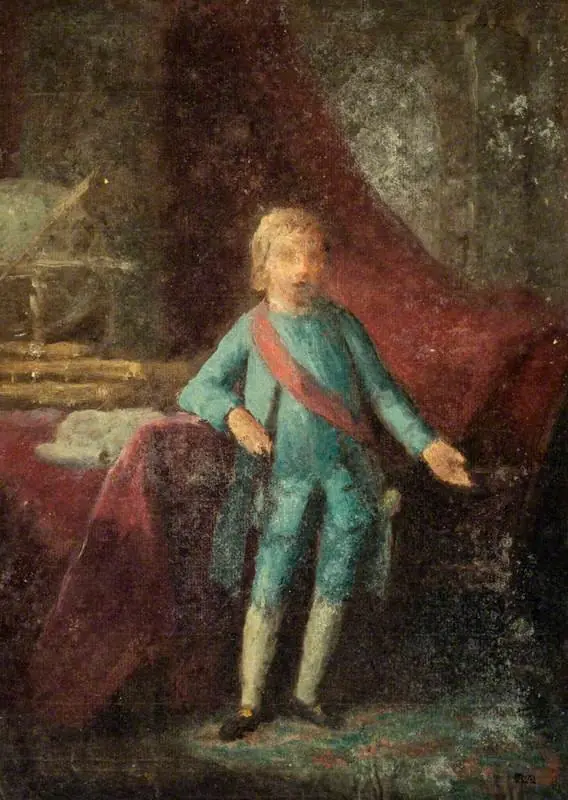 Study for the Painting of Frederick Augustus, Duke of York and Albany, as a Child
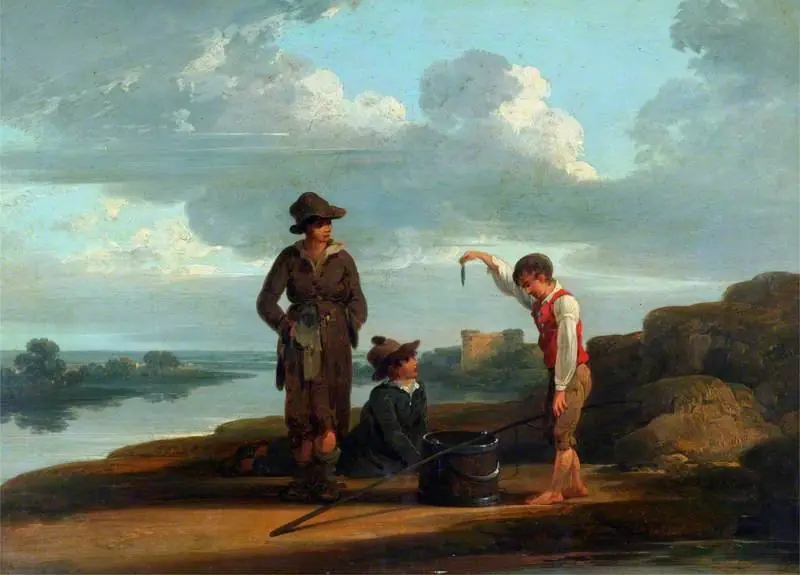 River Scene, with Boys in the Foreground
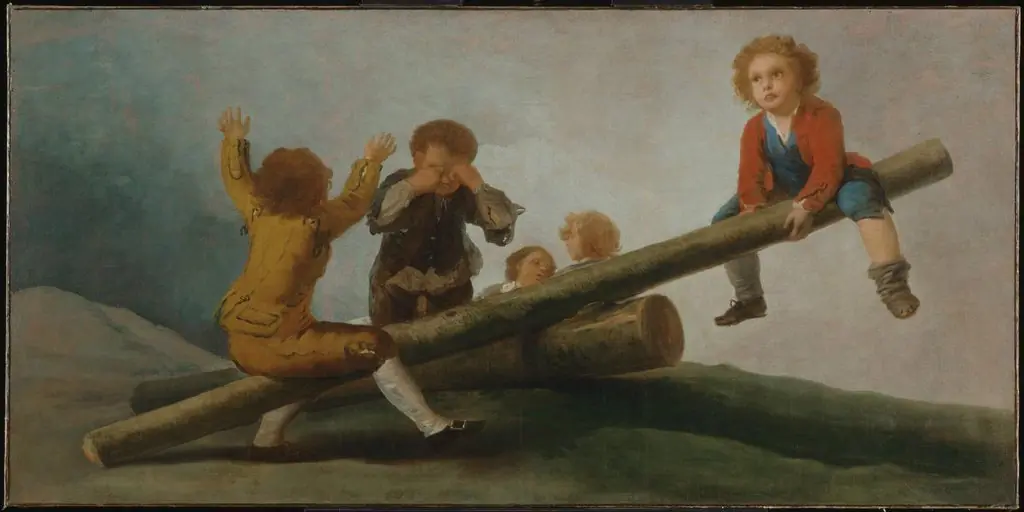 The Seesaw (1791)
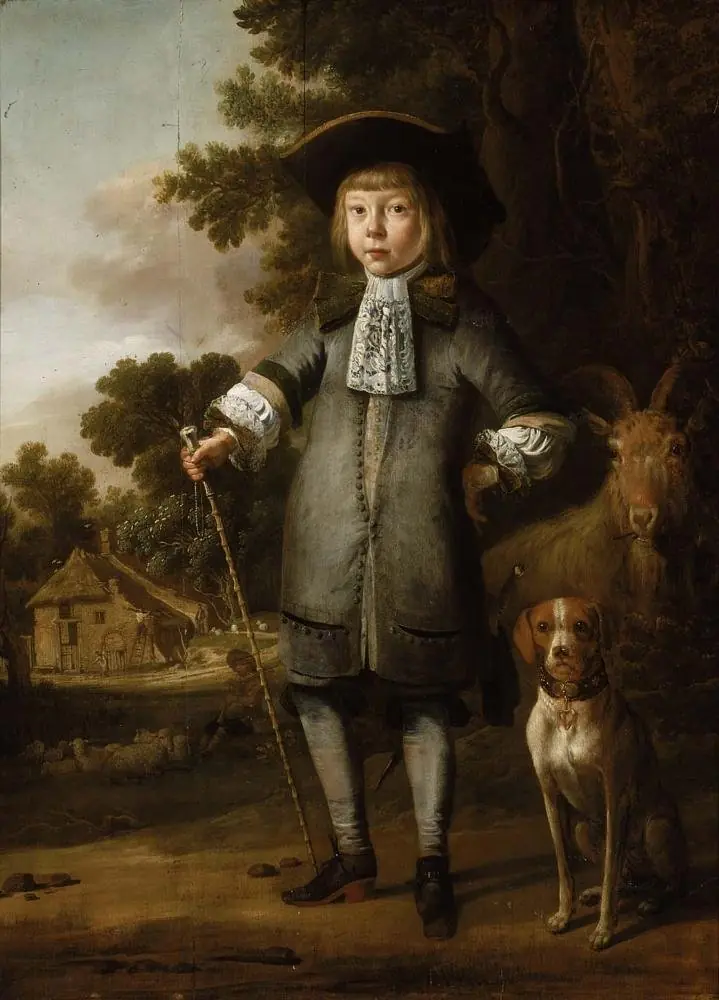 Portrait of a Boy
 Portrait of a Boy (Horace Hone), Sketching
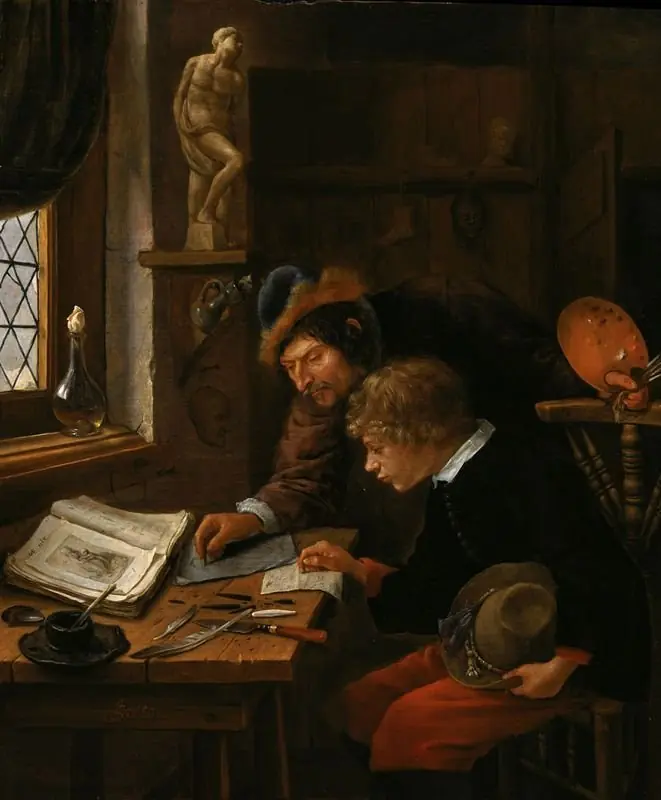 The drawing lesson for a boy holding a hat
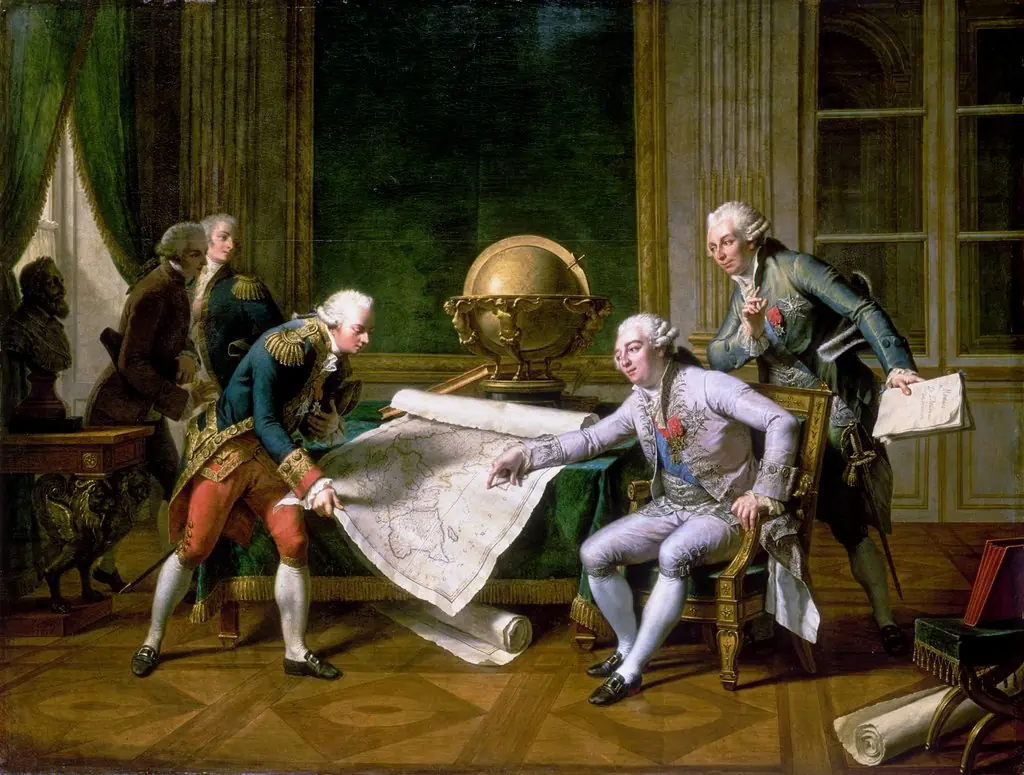 Louis XVI giving his instructions to Lapérouse on 29 June 1785
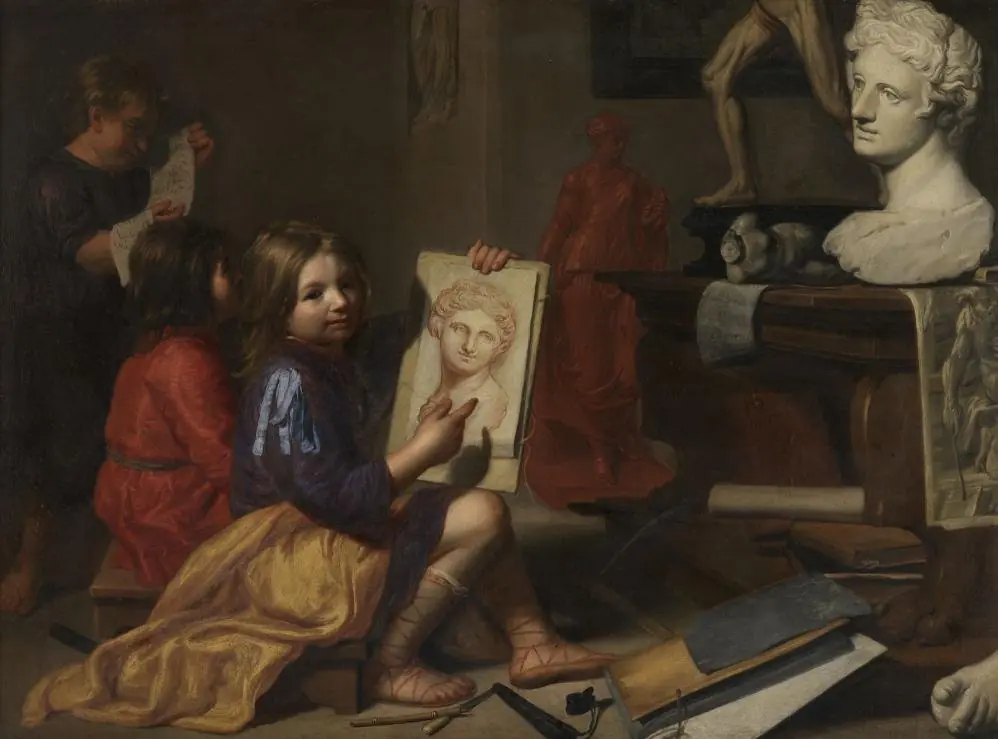 The artist's Studio