Artwork
A Priest sacrificing for a Roman Emperor
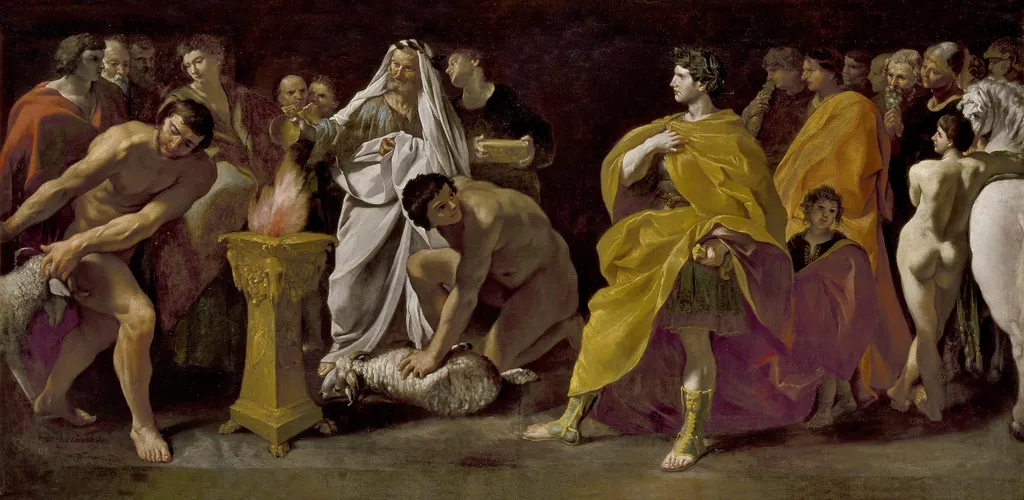
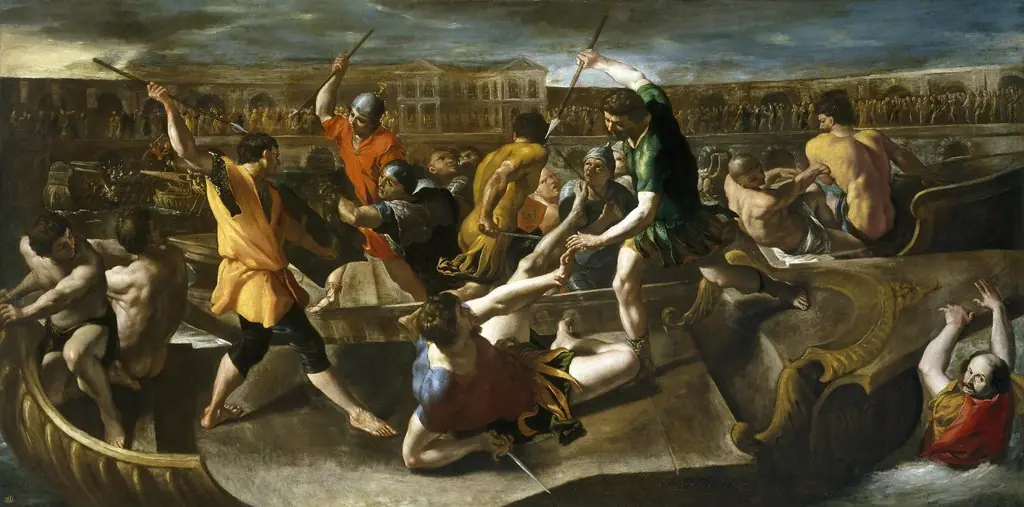
A Priest sacrificing for a Roman Emperor is an oil painting by the Early Baroque Italian artist Giovanni Lanfranco. It dates from 1635 and is held in the collection of the Museo del Prado.
About this work
Overview
Giovanni Lanfranco’s oil painting, created in 1635, portrays a ritual sacrifice performed by a priest before a Roman emperor.
Giovanni Lanfranco’s oil painting, created in 1635, portrays a ritual sacrifice performed by a priest before a Roman emperor. Executed in the early Italian Baroque style, the work is part of the Museo del Prado’s collection. The composition centers on a white‑robed priest standing at a golden altar, a small fire flickering beneath a sacrificial bowl, while an attendant in a yellow toga watches from the side.
Subject & Meaning
The scene depicts a ceremonial offering, likely intended to convey the intertwining of religious duty and imperial authority in ancient Rome. The priest’s solemn posture and the presence of a sacrificial animal—a sheep—suggest a public rite designed to legitimize the emperor’s power through divine favor. The distant onlookers and the white horse add layers of social hierarchy and ritual spectacle.
Technique & Style
Lanfranco employs a restrained palette of muted tones, punctuated by vivid accents of yellow and red that draw attention to the altar and the attendant’s garment. Fine brushwork renders varied textures—from the sheen of the golden altar to the softness of the horse’s coat—demonstrating the artist’s meticulous attention to detail. The composition balances dramatic chiaroscuro with a measured, classical arrangement characteristic of early Baroque Bolognese painting.
History & Provenance
Painted in 1635, the canvas reflects Lanfranco’s mature period after his apprenticeship under Annibale Carracci. The work entered the Spanish royal collection in the 18th century before being transferred to the Museo del Prado, where it remains on display. Documentation traces its ownership through several aristocratic inventories, confirming its continuous presence in prominent European collections.
Context
Lanfranco’s career unfolded within the Bolognese school, which emphasized a synthesis of naturalism and classical idealism. This painting aligns with contemporary Baroque interests in theatricality and narrative clarity, while also echoing Carracci’s revival of antiquarian subjects. The depiction of Roman ritual reflects the period’s fascination with classical antiquity as a moral and political exemplar.
Own this work as a print
Artist & collection
Artist
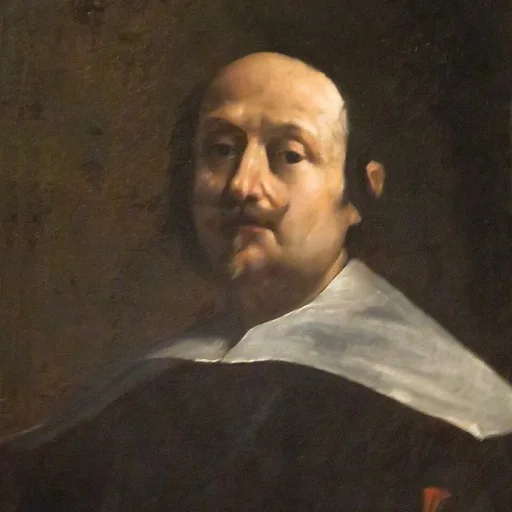
Giovanni Lanfranco (26 January 1582 – 30 November 1647) was an Italian Baroque painter. He was a distinguished artist of the Bolognese school, deeply influenced by Annibale Carracci's’ classicism.

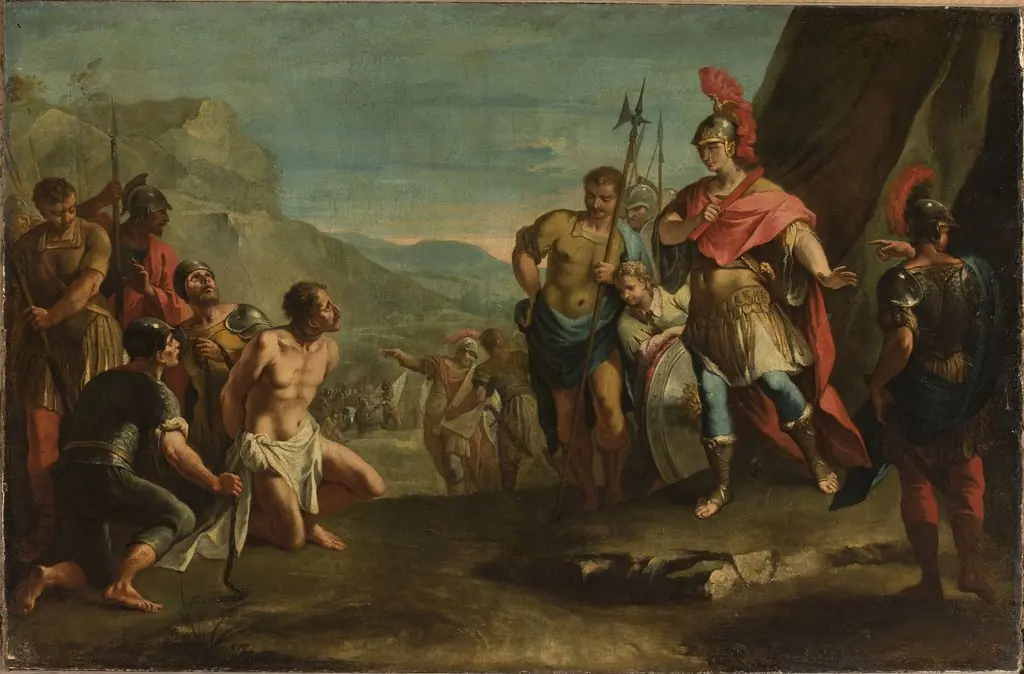 Killer of Darius before Alexander (King Porus and Alexander the Great)
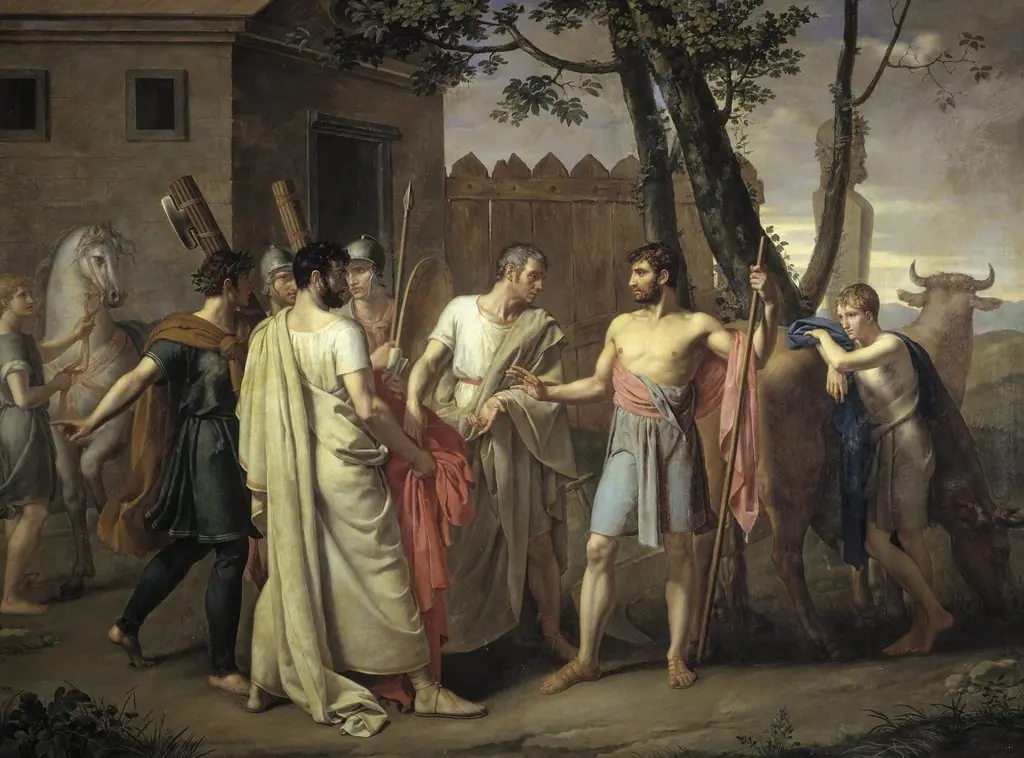 Cincinnatus abandons the Plough to dictate Laws to Rome
 Scipios Mäßigung
 Scipio Africanus Freeing Massiva
 Caius Furius Cressinus Accused of Sorcery
 Mucius Scaevola before Lars Porsenna
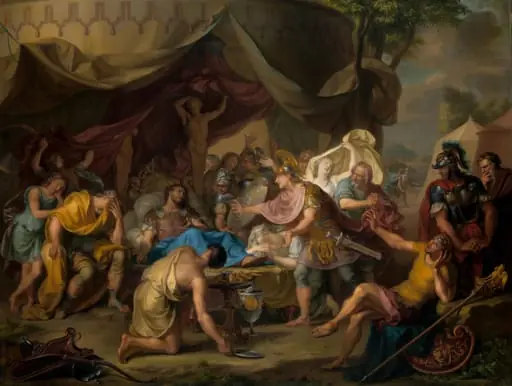 Het sterfbed van Epaminondas
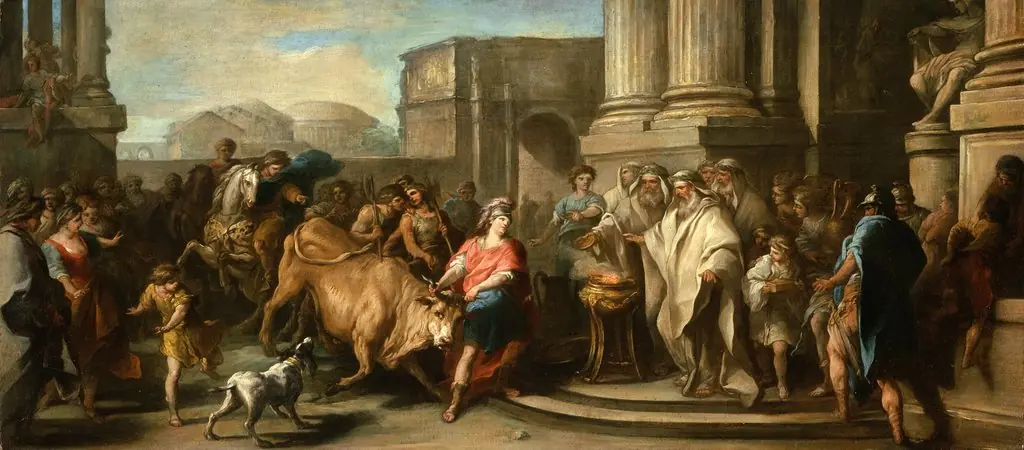 Theseus Taming the Bull of Marathon
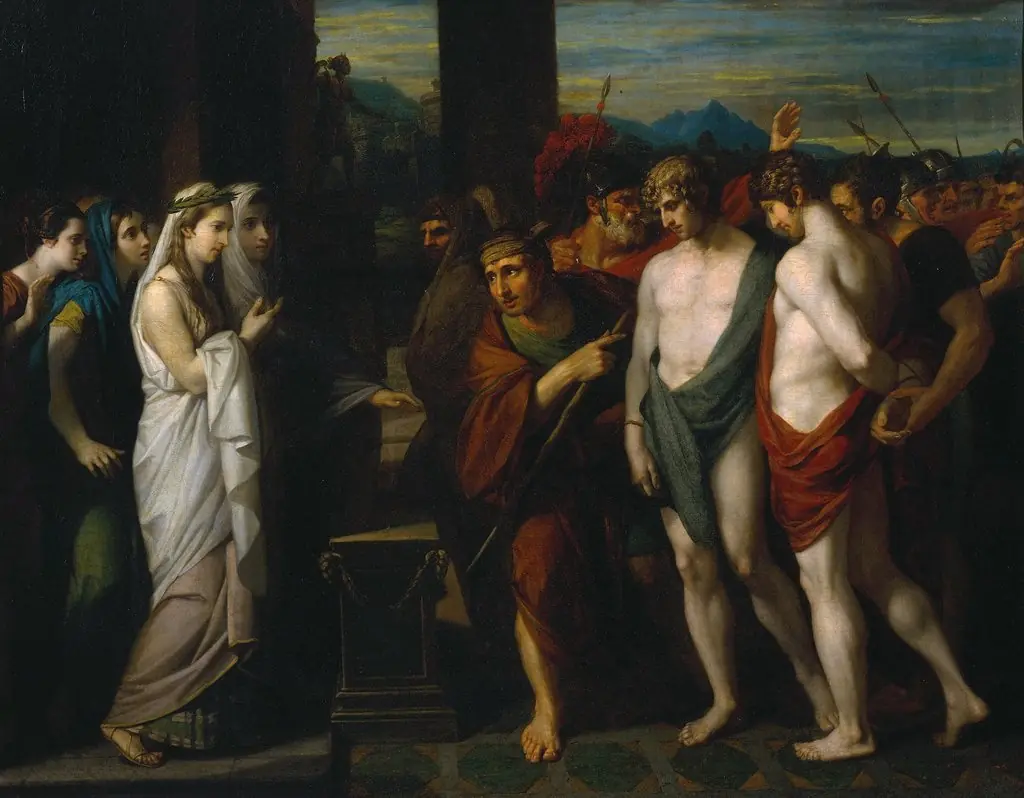 Pylades and Orestes Brought as Victims before Iphigenia
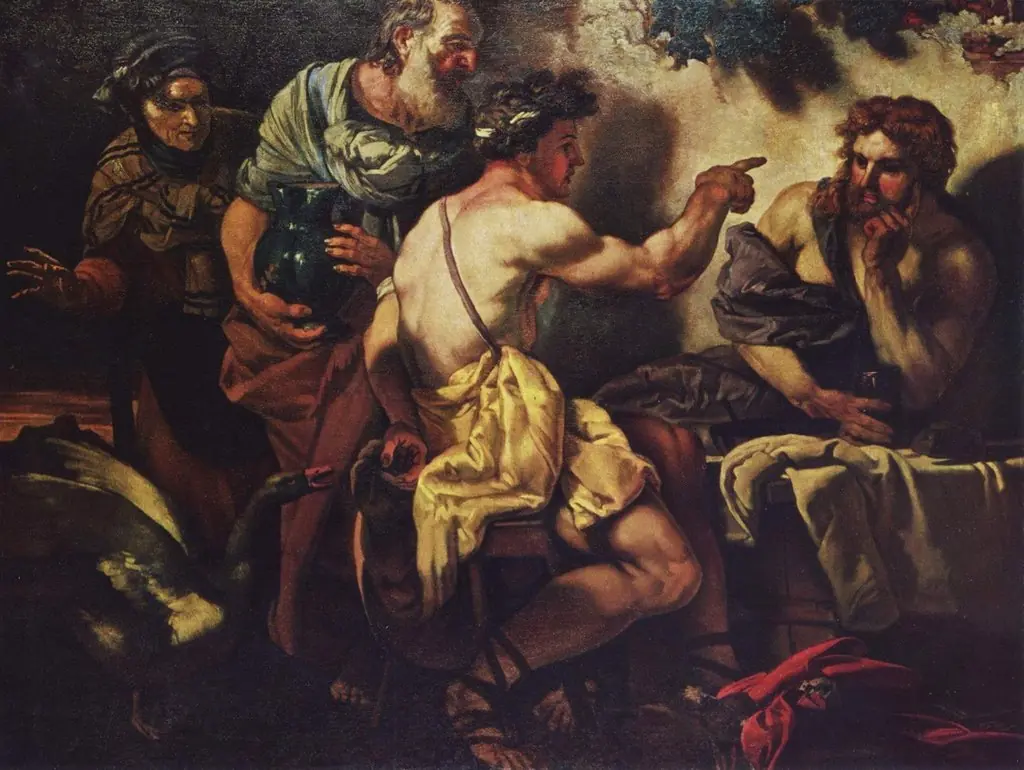 Jupiter and Mercury at Philemon and Baucis
 Alexander Condemning False Praise
 The Meeting of Dido and Aeneas