Artwork
Christ Driving the Money-changers from the Temple
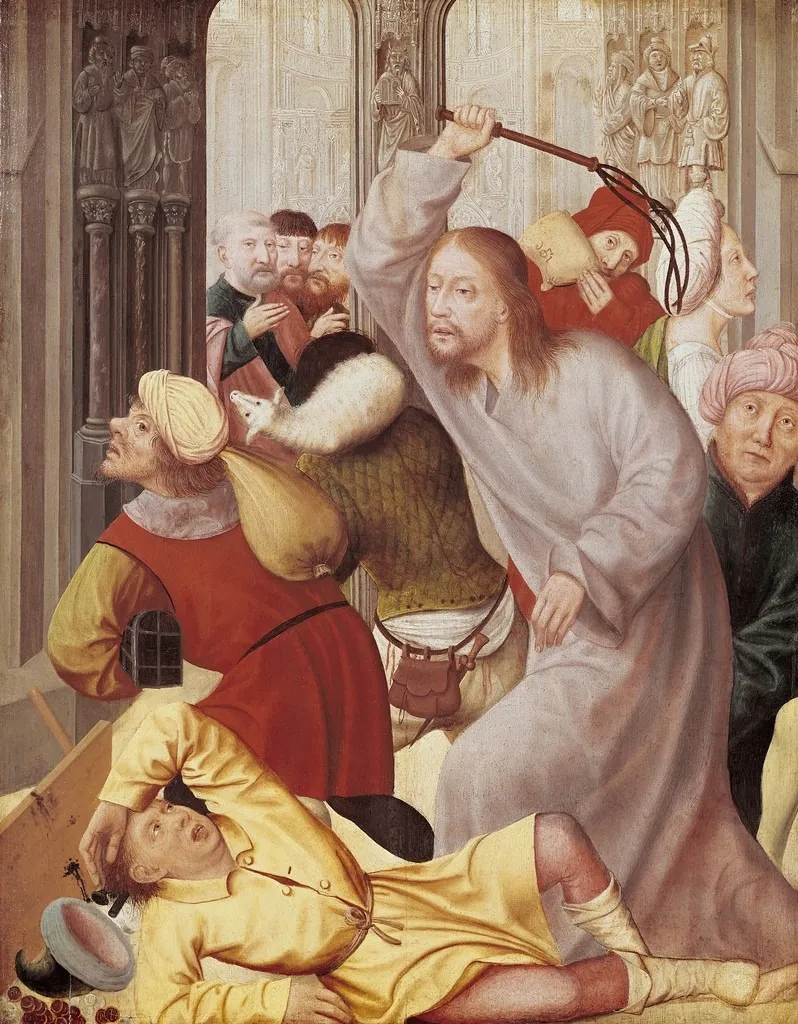
Christ Driving the Money-changers from the Temple is an oil painting by Quinten Metsys. It dates from 1520 and is held in the collection of the Royal Museum of Fine Arts Antwerp. Quentin Matsys’s oil painting *Christ Driving the Money‑changers from the Temple* dates from 1520.
About this work
Overview
Executed on canvas, the work captures a moment from the Gospel narrative in which Jesus confronts the commercial activity within the Jerusalem temple.
Quentin Matsys’s oil painting *Christ Driving the Money‑changers from the Temple* dates from 1520. Executed on canvas, the work captures a moment from the Gospel narrative in which Jesus confronts the commercial activity within the Jerusalem temple. The composition is dominated by a white‑robed figure brandishing a whip, surrounded by a flurry of startled merchants and onlookers. The painting belongs to the collection of the Royal Museum of Fine Arts in Antwerp.
Subject & Meaning
The scene illustrates the biblical episode in which Christ expels the traders who have turned the sacred space into a marketplace. Matsys emphasizes the moral contrast between the calm, authoritative presence of Jesus and the chaotic, disordered crowd. The gesture of the whip conveys both righteous anger and a call for purification, reflecting contemporary concerns about religious reform and the sanctity of worship spaces.
Technique & Style
Rendered in oil, the work displays the meticulous detail characteristic of Early Netherlandish painting, combined with a heightened sense of drama. Bright reds, yellows and whites punctuate a darker interior, creating a visual tension that guides the eye toward the central figure. Matsys employs a subtle chiaroscuro, using light to model forms and to accentuate the emotional intensity of the confrontation.
History & Provenance
Born in Leuven in 1466, Matsys first trained as an ironsmith before turning to painting in Antwerp, where he worked for more than twenty years. The canvas entered the Royal Museum of Fine Arts Antwerp’s holdings in the 19th century, where it has remained on display, offering insight into the artist’s mature period and his engagement with biblical themes.
Context
Created during the early Reformation, the painting reflects widespread criticism of clerical corruption and the commercialization of sacred rites. Matsys’s choice of a vivid, narrative-driven composition aligns with the didactic aims of religious art in the Low Countries, where visual storytelling served both devotional and moral instruction for a broad audience.
Artist & collection
Artist
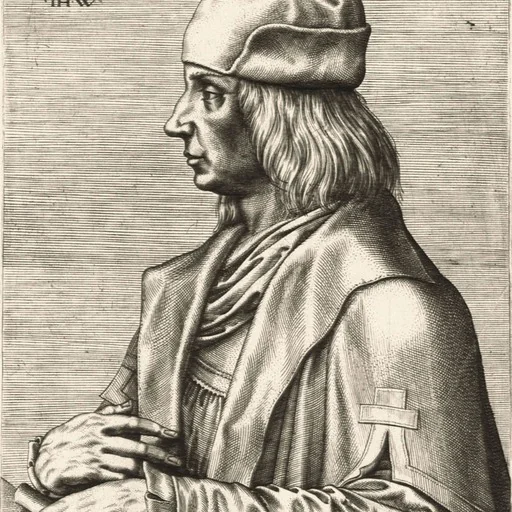
Quentin Matsys (UK: MAT-sysse, US: MAHT-sysse; also Massys or Metsys; Flemish: Quinten Matsijs ; 1466–1530) was a Flemish painter in the Early Netherlandish tradition.