Artwork
Crowning with Thorns
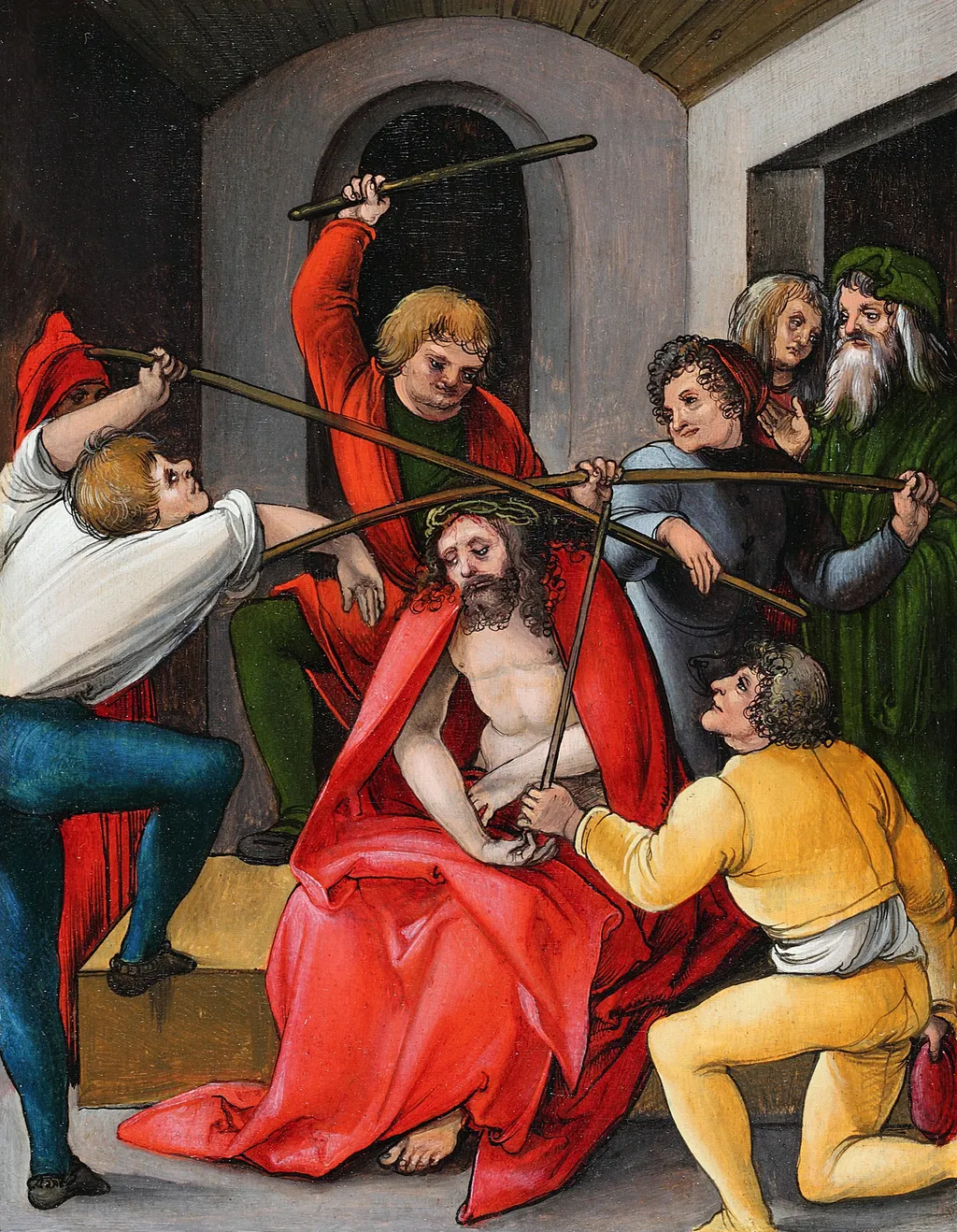
Crowning with Thorns is a paint painting by the Northern Renaissance artist Hans Leonhard Schäufelein. It dates from 1506 and is held in the collection of the Gemäldegalerie Berlin.
About this work
Overview
Hans Leonhard Schäufelein’s Crowning with Thorns, executed in 1506, is an oil painting that belongs to the collection of the Gemäldegalerie in Berlin. The work portrays the moment of Christ’s mock coronation, arranging a compact group of figures within a shallow interior space that emphasizes the emotional intensity of the scene.
Subject & Meaning
Around him stand several men brandishing wooden sticks, their gestures and facial expressions conveying derision.
At the centre of the composition sits Jesus, robed in a vivid red garment, his head encircled by a spiked crown. Around him stand several men brandishing wooden sticks, their gestures and facial expressions conveying derision. The varied attire—red, green, yellow—and the presence of bearded figures underscore the diversity of the tormentors, highlighting the cruelty inherent in the Passion narrative.
Technique & Style
Schäufelein employs a clear, linear drawing style typical of early German Renaissance painting, with careful attention to the contours of clothing and facial features. The palette is relatively bright, contrasting the deep reds of the robe with the paler background. Light falls gently on the central figure, creating modest chiaroscuro effects that model the forms without overwhelming the overall flatness of the picture plane.
History & Provenance
Created in the early sixteenth century, the painting entered the Berlin Gemäldegalerie’s holdings during the museum’s formative acquisitions of German Renaissance works. Its provenance prior to this is not extensively documented, but the work has remained a representative example of Schäufelein’s religious output throughout its museum history.
Context
The scene derives from the Gospel accounts of the Passion, where soldiers mockingly place a crown of thorns on Christ’s head. In the early 1500s, such depictions served devotional purposes, reminding viewers of Christ’s suffering. Schäufelein’s treatment reflects contemporary interests in narrative clarity and emotional immediacy, aligning with the broader trends of Northern European religious art of the period.
Own this work as a print
Artist & collection
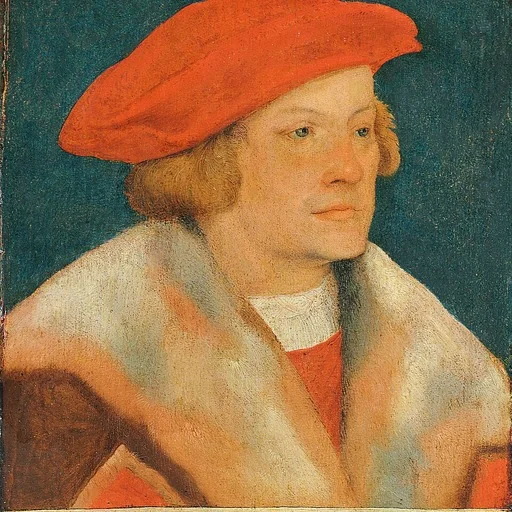
Artist
Hans Leonhard Schäufelein (1480–1540) was an artist, born in Nuremberg.

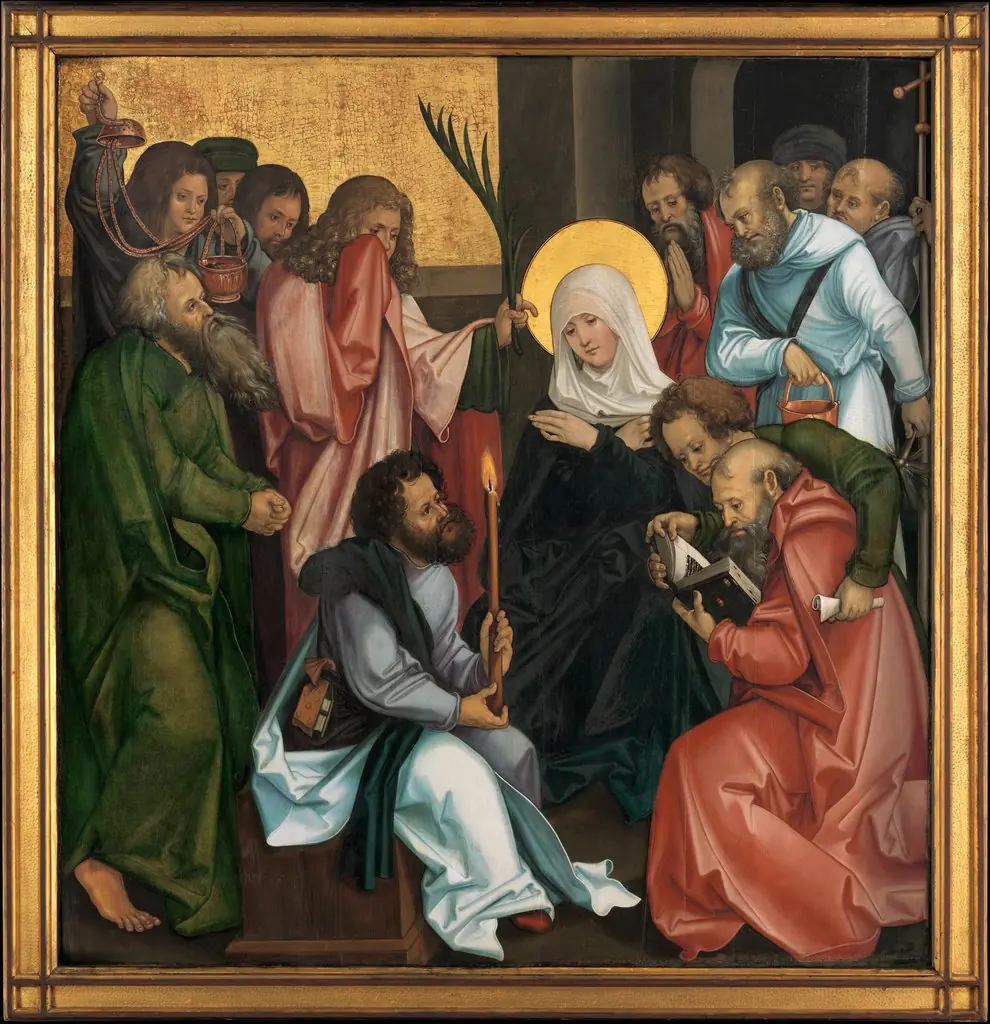 The Dormition of the Virgin; (reverse) Christ Carrying the Cross
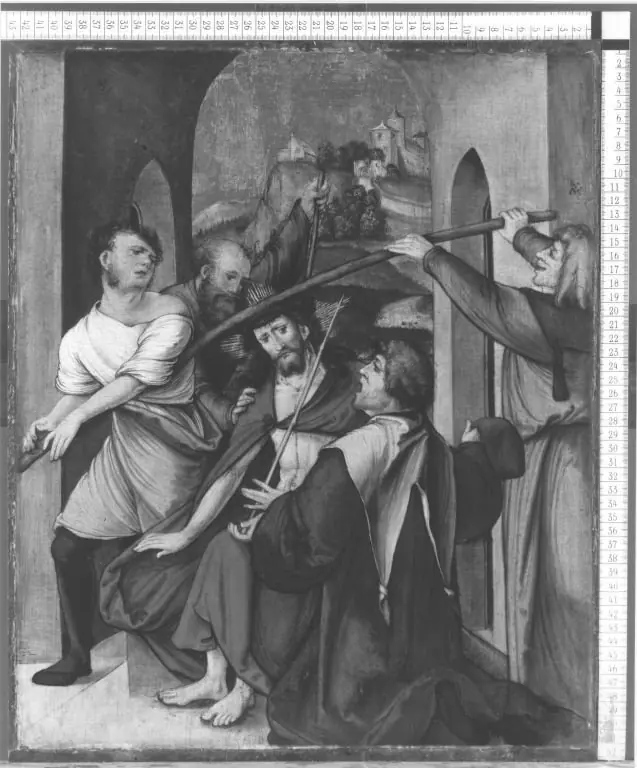 Christ crowned with thorns
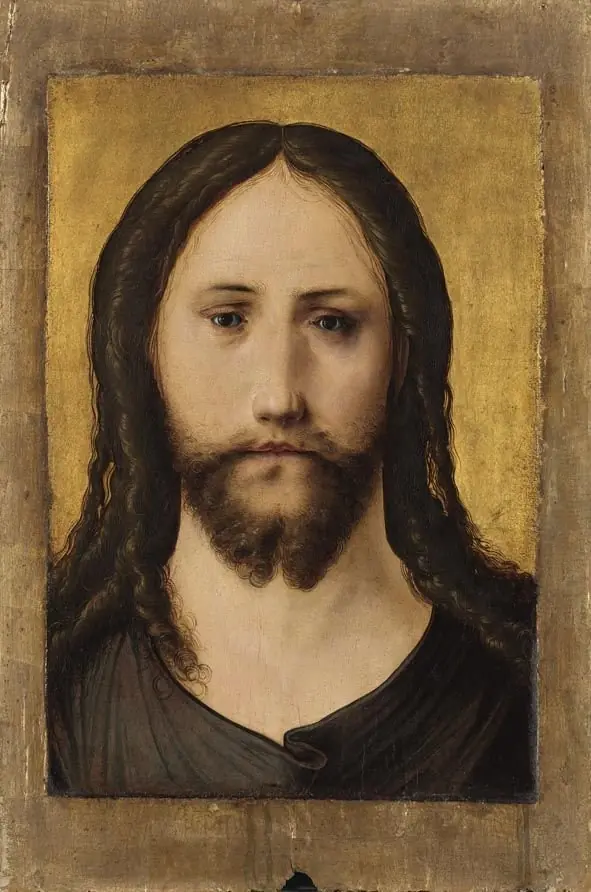 Christuskopf
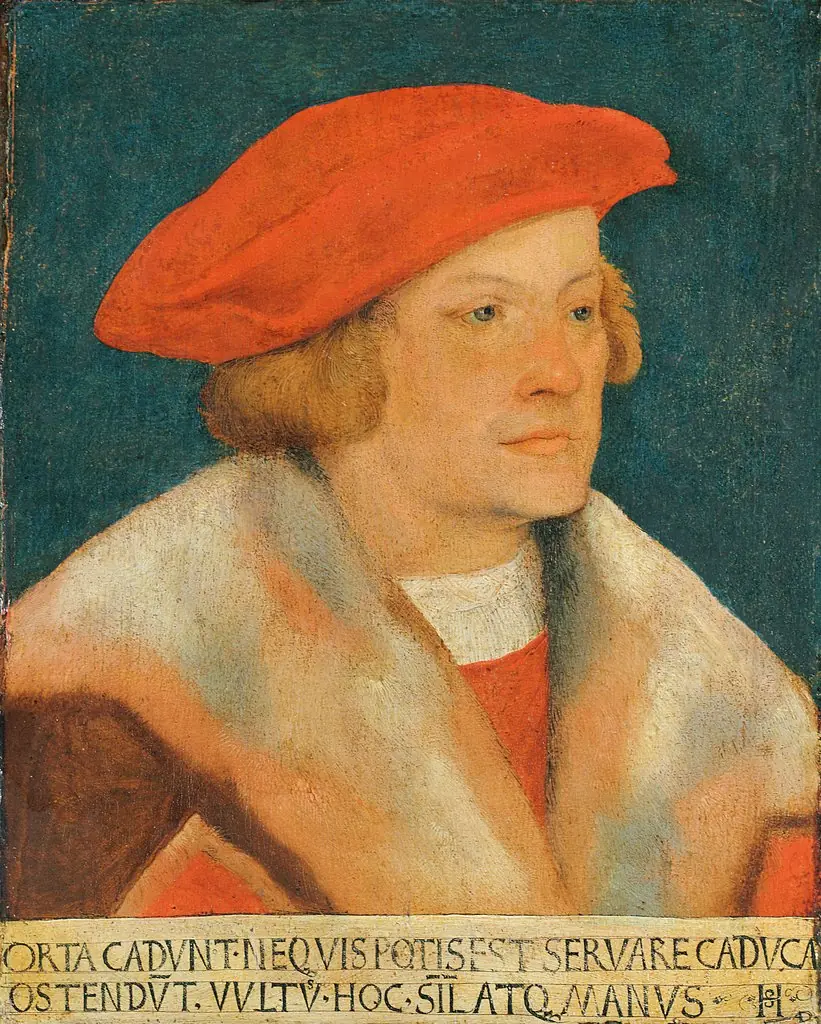 Portrait of a Man (Self-portrait?)
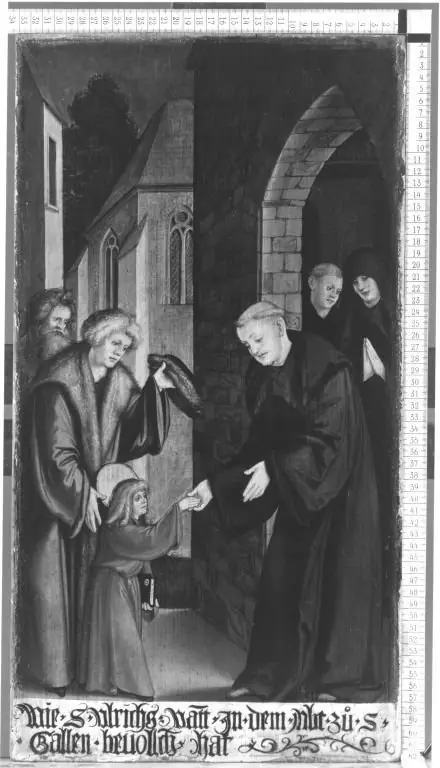 Der hl. Ulrich vor dem Abt von St. Gallen
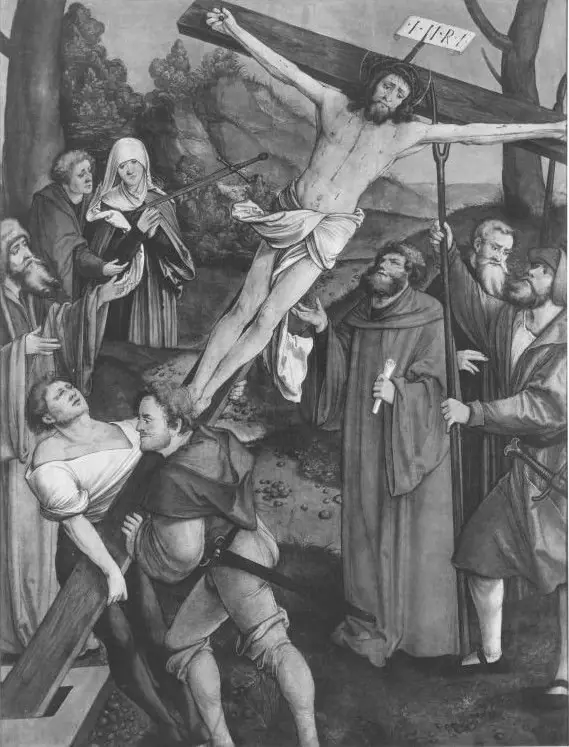 Christgartner Altar: Fall Christi bei der Kreuzaufrichtung (Abgetrennte Rückseite von WAF 920)
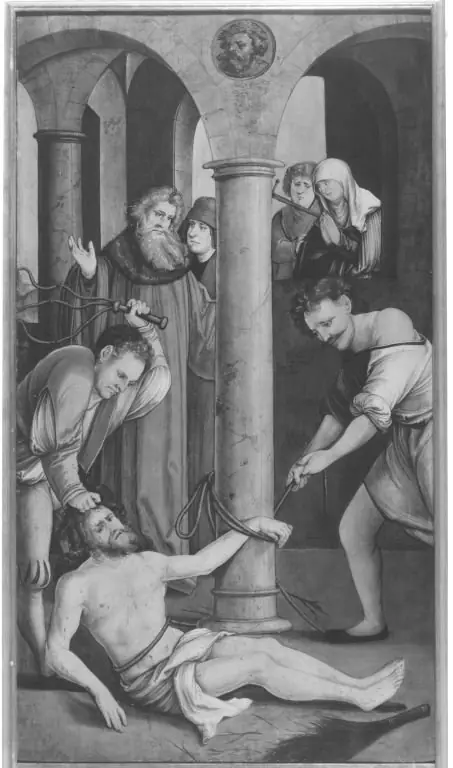 Fall of Christ during the Flagellation
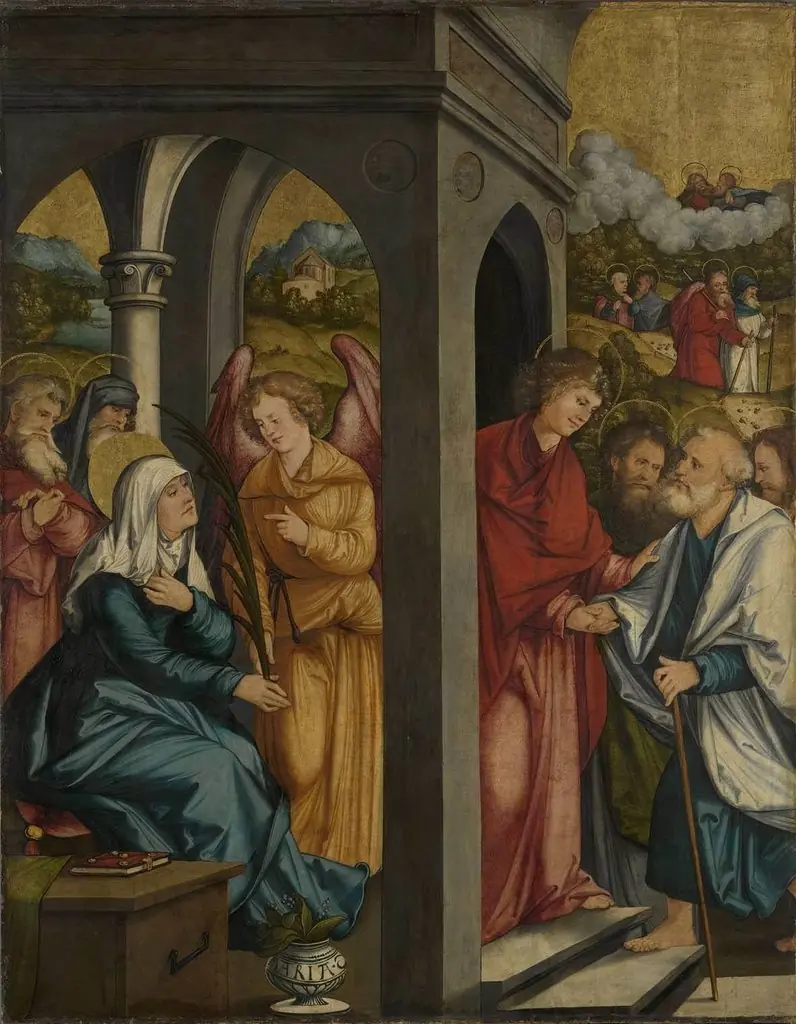 Christgartner Altar: Ein Engel reicht Maria die Palme