Artwork
Cottage interior
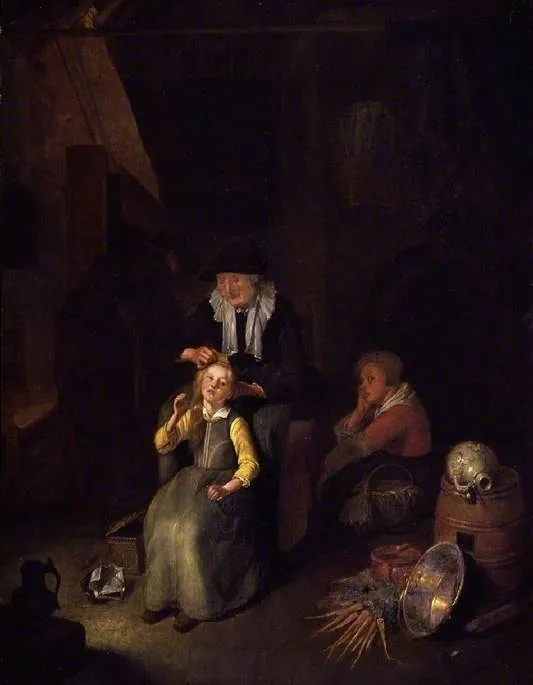
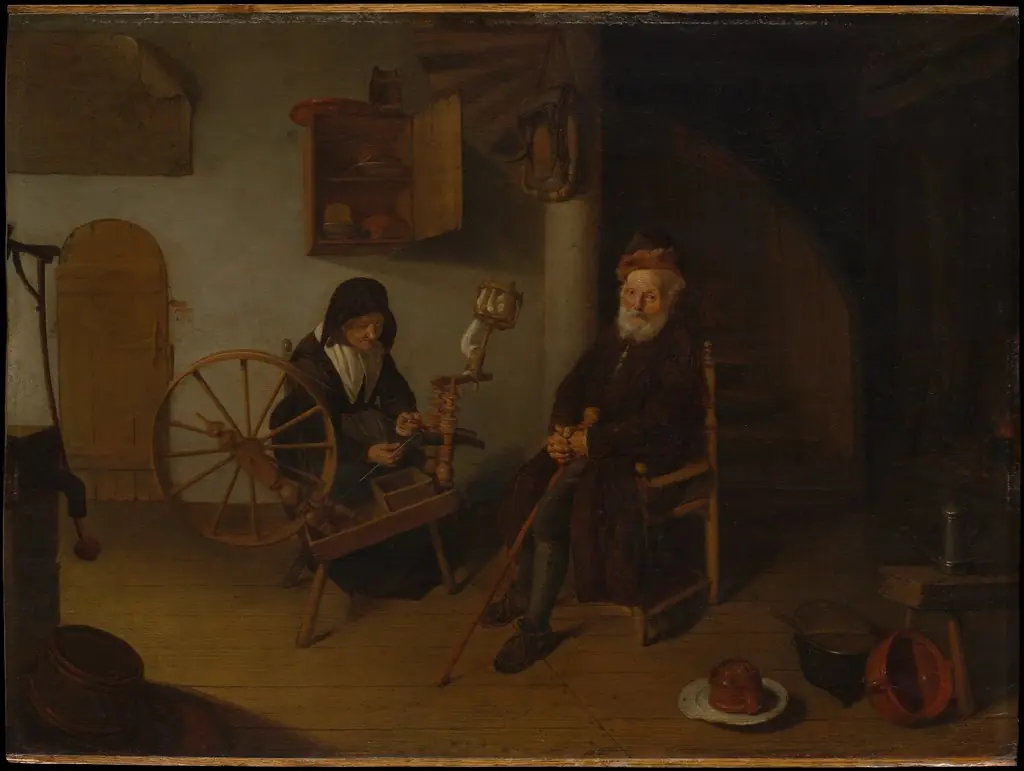
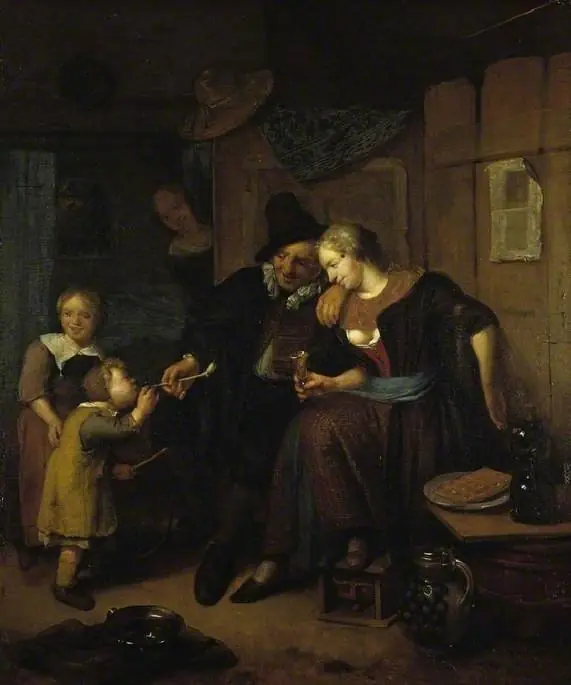
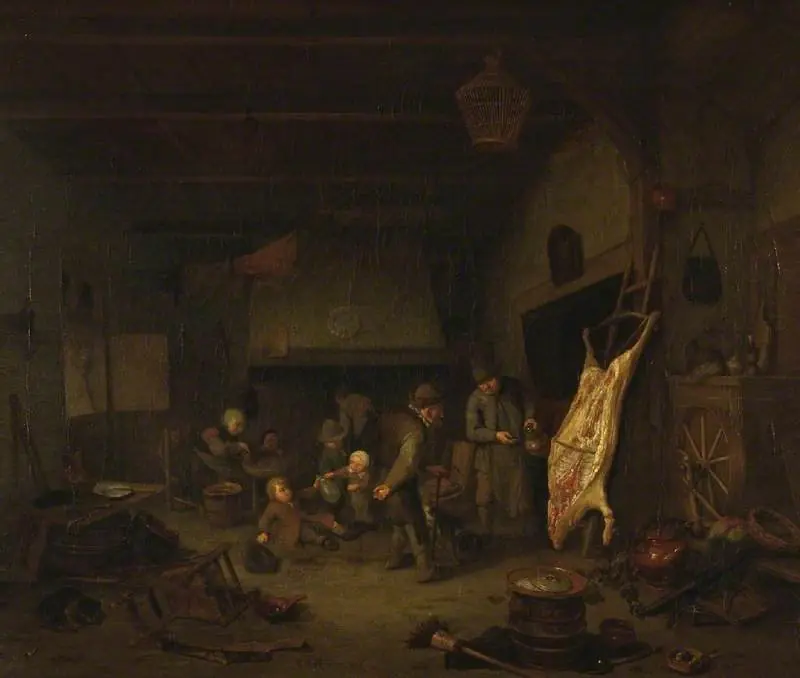
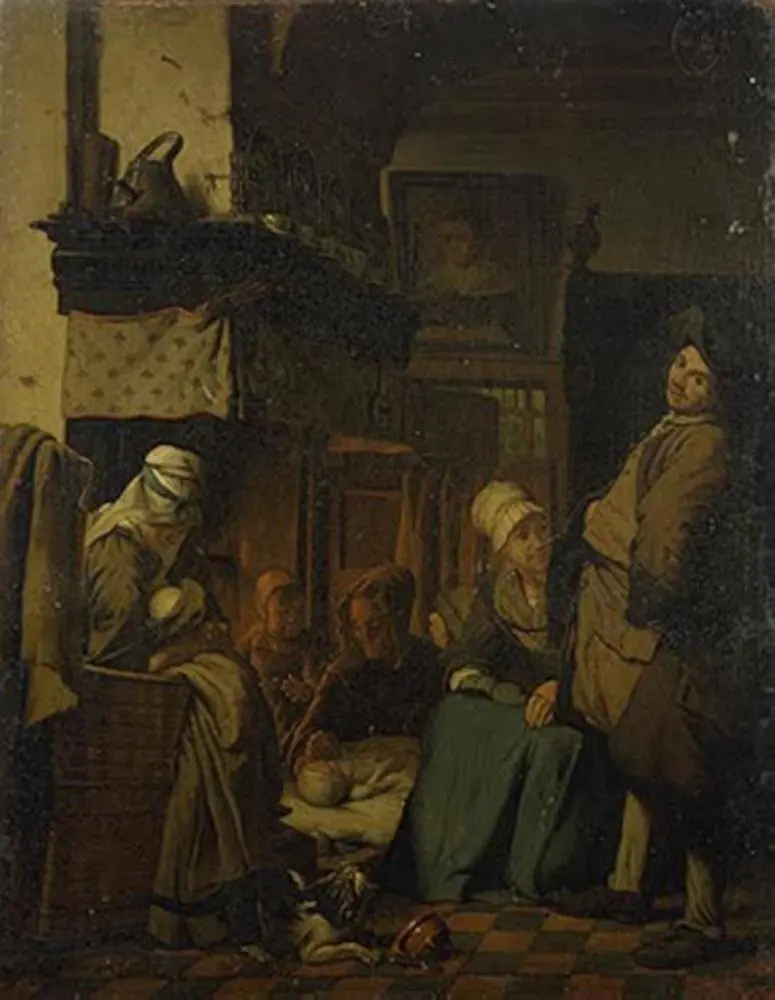
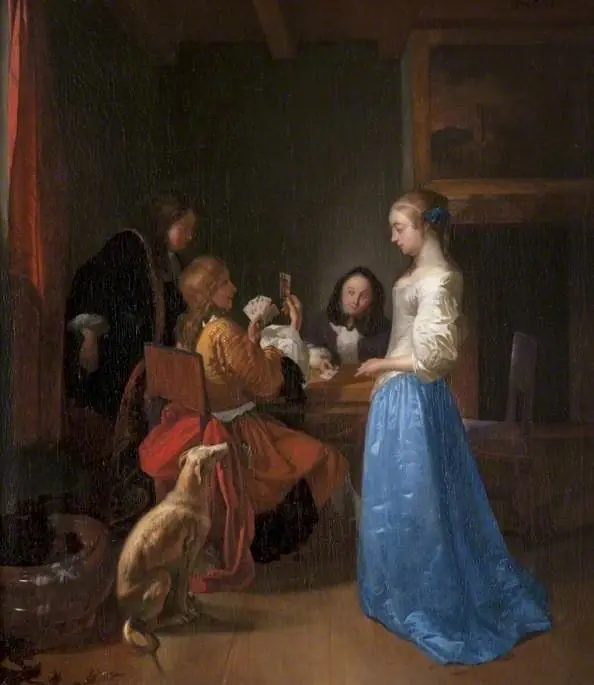
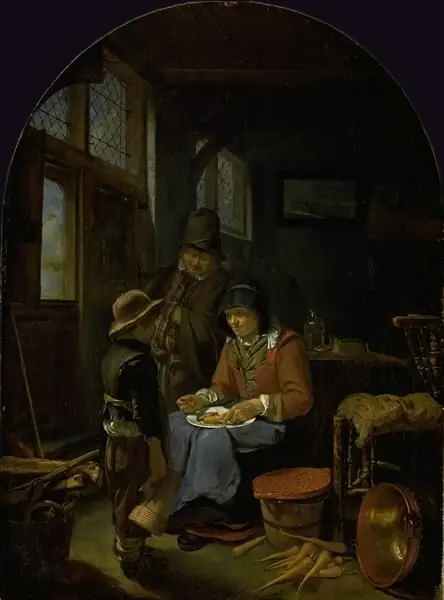
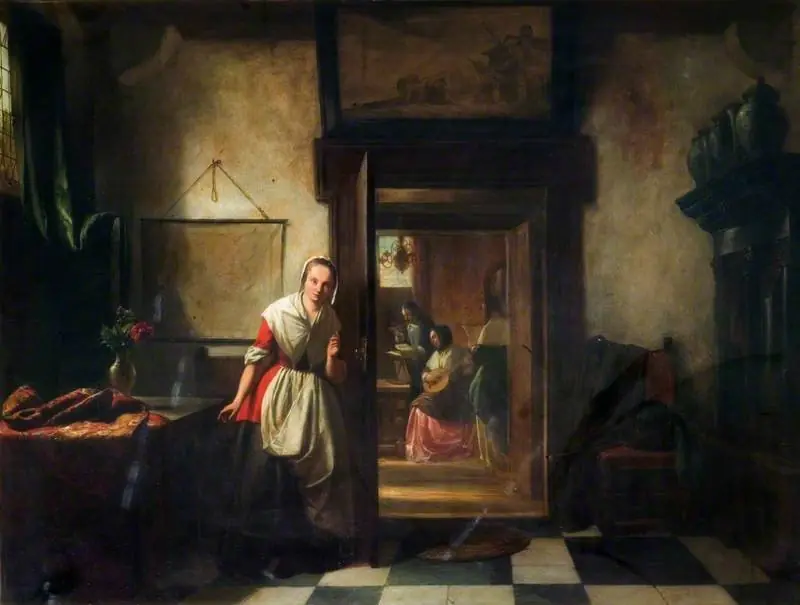
Cottage interior is an oil painting by the Dutch Golden Age artist Quirijn van Brekelenkam. It dates from 1657 and is held in the collection of the Fitzwilliam Museum.
About this work
Overview
Painted in 1657 by Quirijn van Brekelenkam, this oil-on-canvas work captures a quiet moment inside a rural Dutch home. Belonging to the Leiden fijnschilders tradition, the artist specialized in finely detailed, small-format scenes of daily life. The painting is part of the Fitzwilliam Museum’s collection, where it exemplifies the mid-17th-century Dutch interest in unidealized domestic interiors.
Subject & Meaning
The absence of narrative drama emphasizes the dignity of domestic labor, a common theme in genre painting of the period.
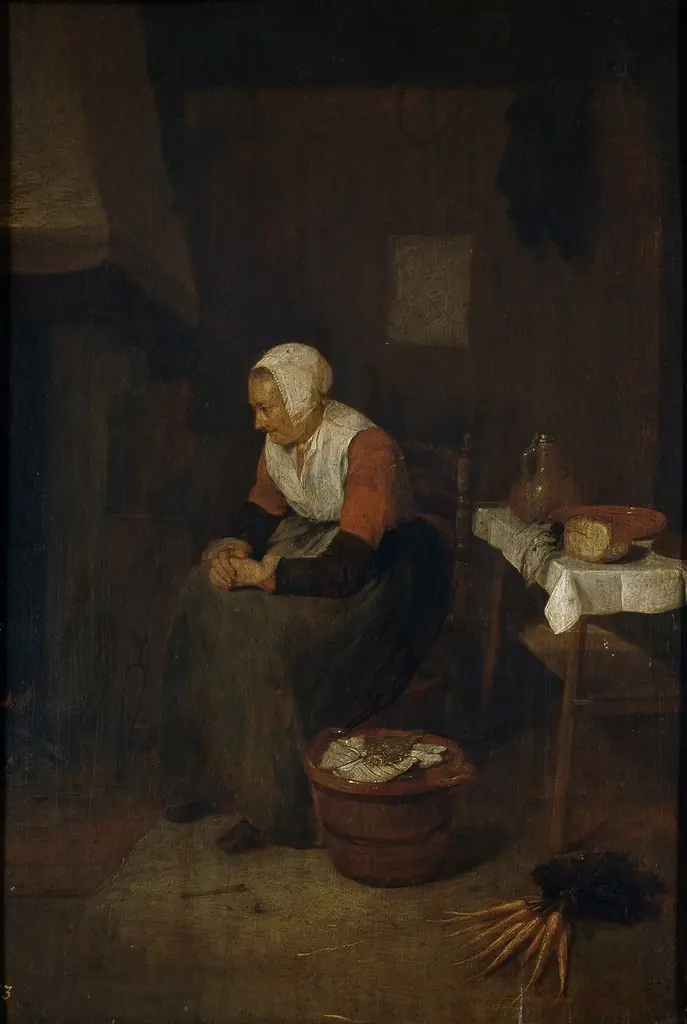
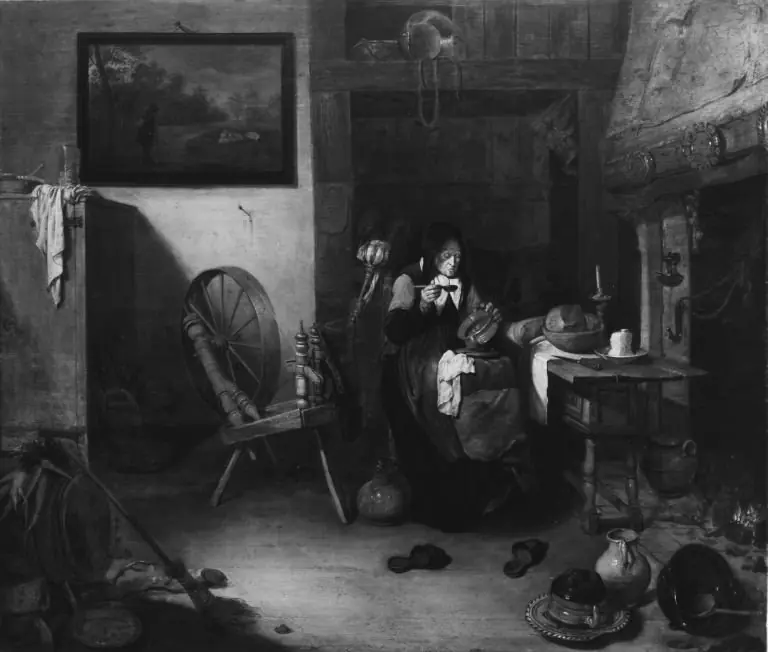
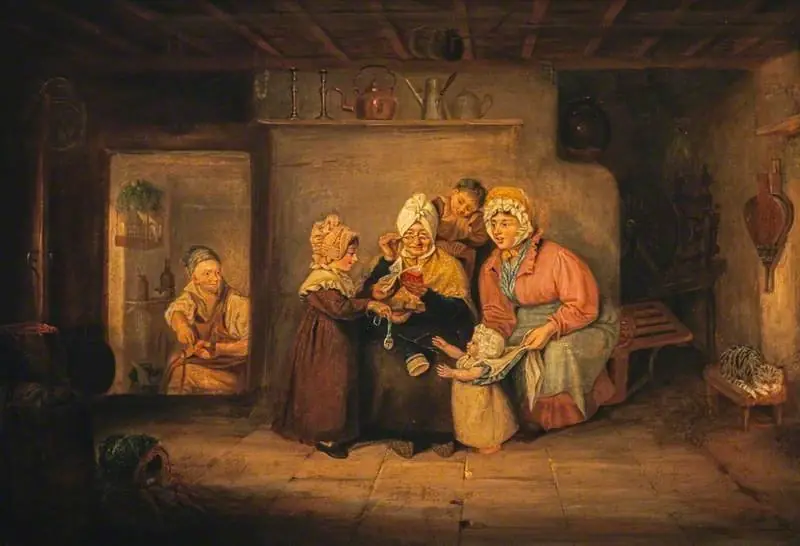
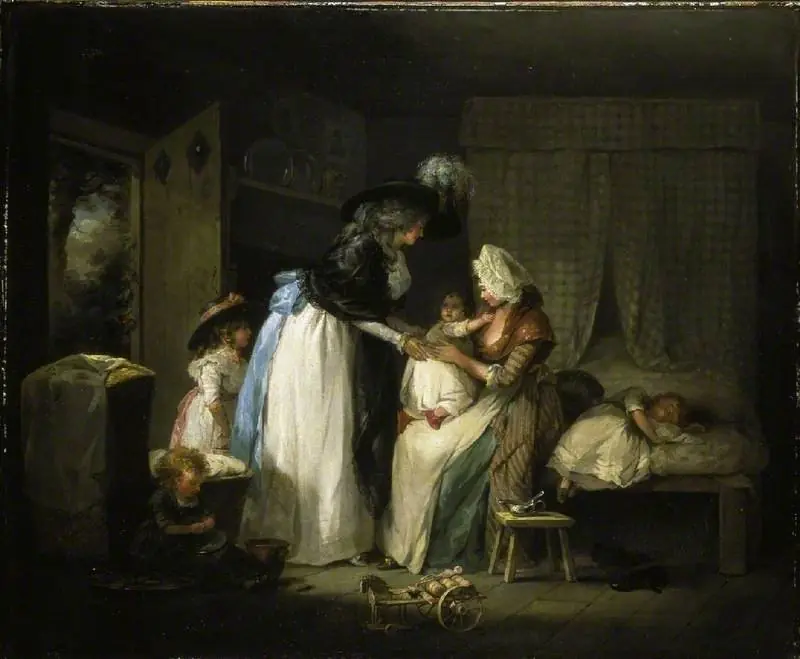
A woman and child are seated near a hearth, the woman absorbed in a routine task while the child observes. No grand narrative is present—only the stillness of ordinary moments. The absence of narrative drama emphasizes the dignity of domestic labor, a common theme in genre painting of the period. The scene suggests intimacy not through sentimentality, but through quiet concentration and shared space.
Technique & Style
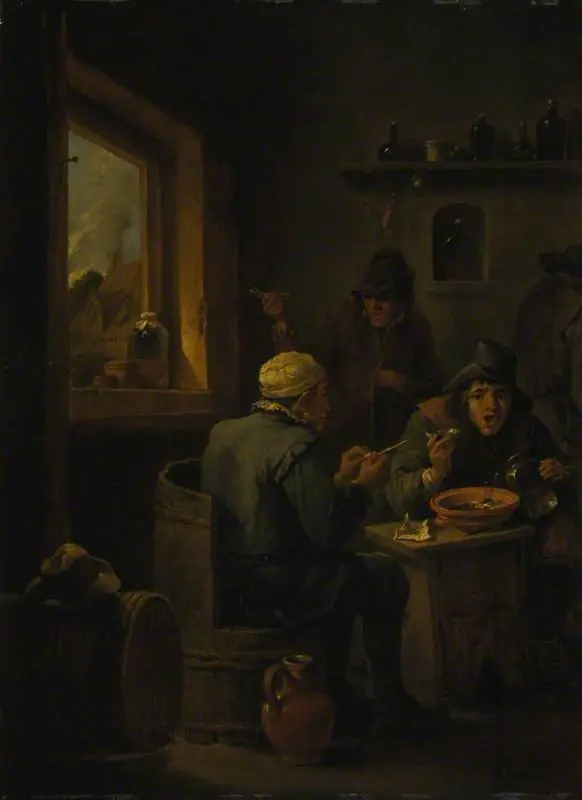
Van Brekelenkam employed fine brushwork and controlled chiaroscuro to model forms with precision. Light from the fire casts soft shadows across the room, defining textures of fabric, wood, and pottery without harsh contrast. The composition is tightly framed, focusing attention on the figures and their immediate surroundings. Details like scattered utensils and worn floorboards enhance realism without clutter.
History & Provenance
The painting has remained in institutional hands since at least the 19th century, entering the Fitzwilliam Museum’s collection through documented acquisition. Its attribution to van Brekelenkam is consistent with stylistic analysis and historical records of Leiden painters. No significant alterations or restorations are recorded, preserving its original surface and tonal balance.
Context
Created during the Dutch Golden Age, the work reflects a cultural shift toward valuing private, domestic life over religious or aristocratic themes. Leiden artists like van Brekelenkam responded to a growing middle-class audience that sought art depicting their own environments. Such scenes affirmed the moral and aesthetic worth of ordinary existence.
Legacy
Though not widely known outside specialist circles, van Brekelenkam’s work contributes to the broader understanding of Dutch genre painting’s diversity. His attention to light, texture, and quiet human interaction influenced later observers of domestic life. The painting endures as a quiet testament to the visual culture of everyday Dutch households in the 17th century.
Artist & collection
Artist
Quirijn or Quiringh Gerritsz van Brekelenkam (1622/29, Zwammerdam – 1669/79, Leiden) was a Dutch Baroque genre painter.