Artwork
Arlechini
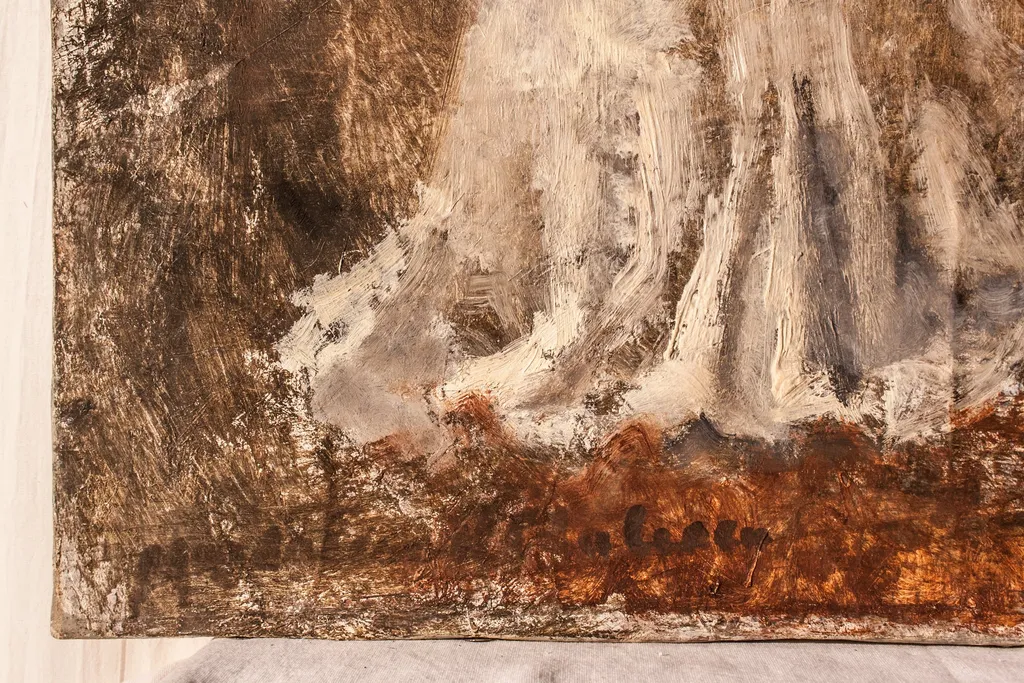
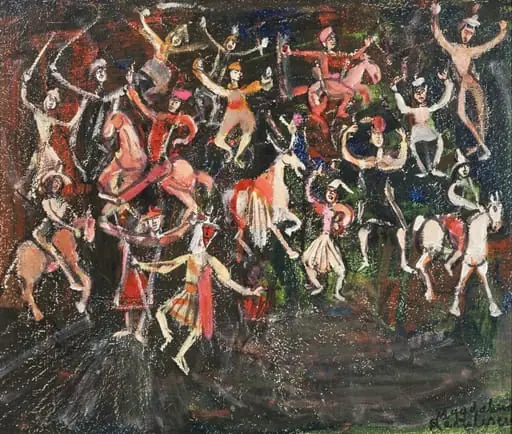
Arlechini is an unspecified painting by Magdalena Rădulescu. It dates from 1952 and is held in the collection of the Gavrila Simion Eco-Museum Research Institute Tulcea.
About this work
Overview
It resides in the Museum of Ethnography and reflects a postwar Romanian artistic sensibility that prioritized material presence over polished representation.
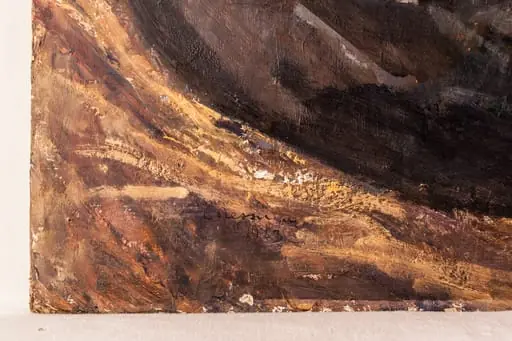
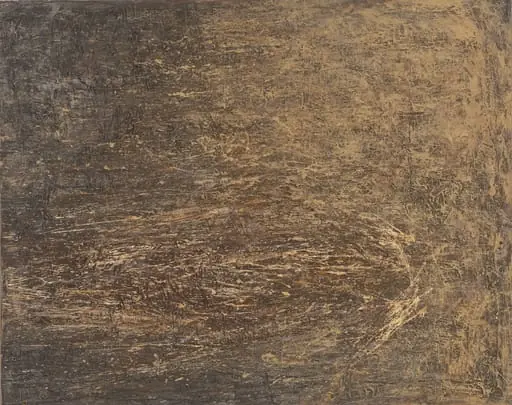
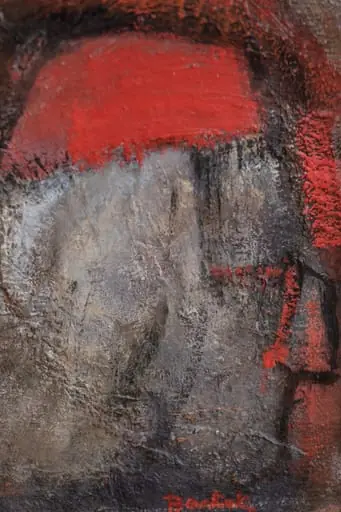
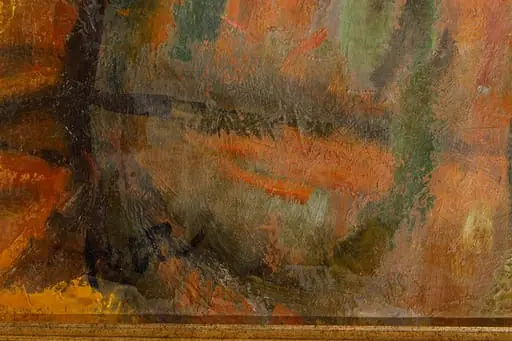
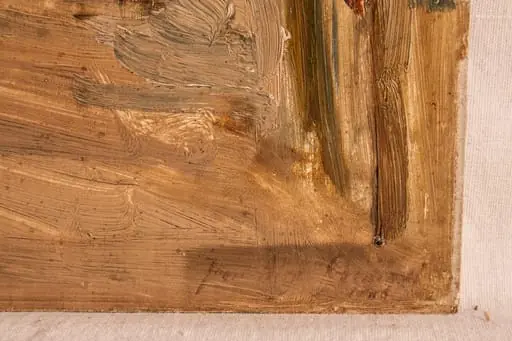
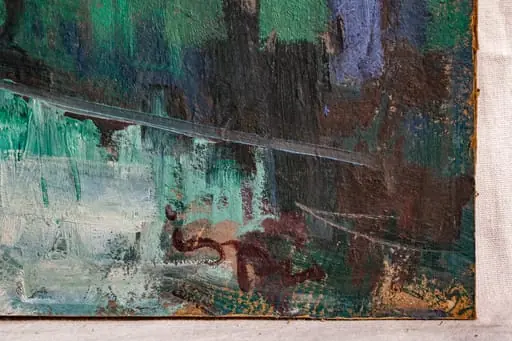
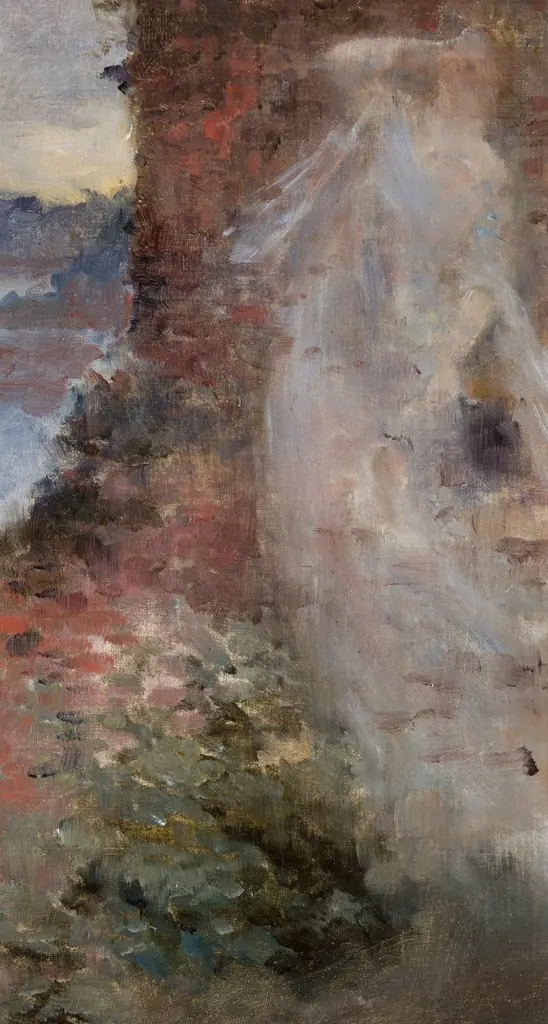
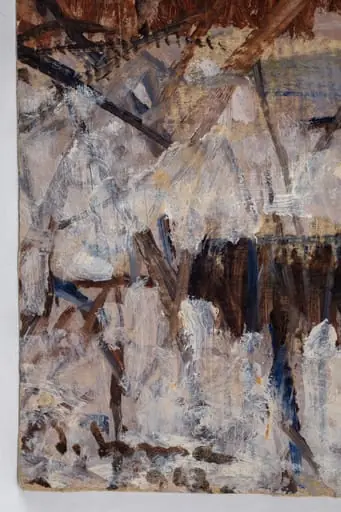
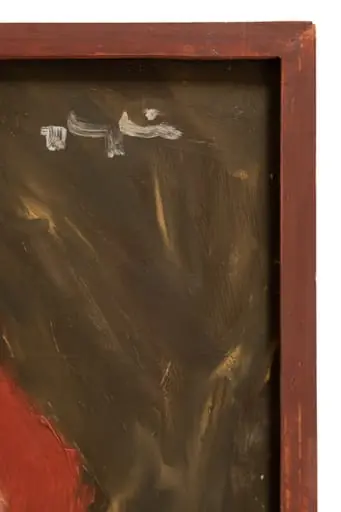
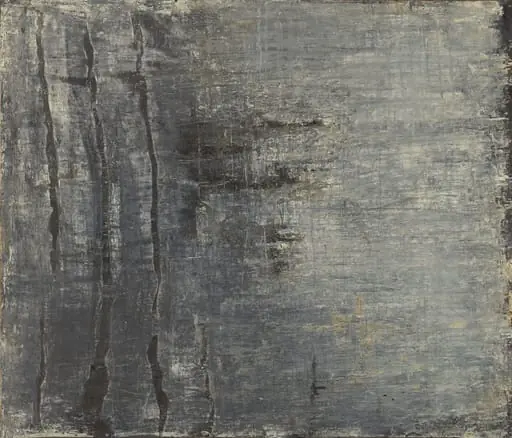
Created around 1952 by Magdalena Rădulescu, Arlechini is an oil painting characterized by its dense, tactile surface. It resides in the Museum of Ethnography and reflects a postwar Romanian artistic sensibility that prioritized material presence over polished representation. The work’s physicality emerges through layers of thickly applied pigment, inviting attention to the act of painting itself rather than a clear narrative.
Subject & Meaning
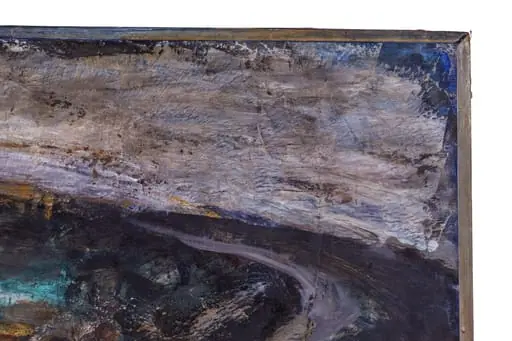
The painting does not depict a literal scene but suggests an abstracted landscape. Upper regions dissolve into swirling light and shadow, while the lower portion conveys a rugged terrain with ambiguous forms—possibly trees, ruins, or distant structures. These elements resist definitive interpretation, evoking a mood of quiet desolation rather than telling a specific story, aligning with broader mid-century tendencies toward emotional resonance over realism.
Technique & Style
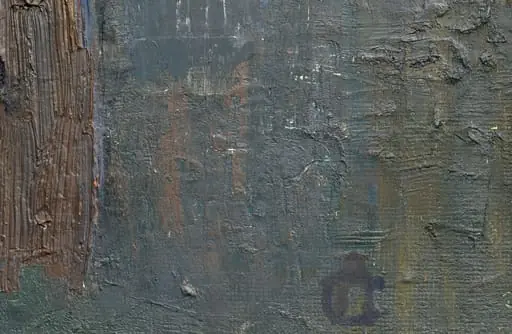
Rădulescu employs impasto extensively, building the surface with heavy, visible strokes of paint that create a relief-like texture. Earth tones—browns, grays, and off-whites—dominate, reinforcing a somber, grounded atmosphere. The lack of smooth blending and the raw application emphasize the artist’s hand, turning the canvas into a physical record of movement and pressure, not just an image.
History & Provenance
Arlechini entered the collection of the Museum of Ethnography shortly after its creation, likely through institutional acquisition during the early years of Romania’s socialist period. Its preservation suggests it was recognized for its formal qualities despite its departure from state-sanctioned socialist realism. No documented exhibition history or private ownership prior to the museum’s acquisition is known.
Context
Made during a time when Romanian art was under pressure to conform to ideologically driven realism, Arlechini’s abstracted form and expressive technique represent a quiet resistance. Rădulescu’s focus on materiality and mood aligns with broader European postwar explorations of paint as substance, even as she worked within a constrained cultural environment that rarely celebrated such experimentation.
Legacy
Though not widely exhibited beyond institutional settings, Arlechini remains a significant example of non-conformist painting in mid-century Romania. Its emphasis on texture and emotional tone influenced later generations of artists seeking alternatives to official aesthetics. The work endures as a testament to the persistence of individual expression under restrictive conditions.
Artist & collection

Artist
Magdalena Rădulescu was a Romanian modernist painter and illustrator. She was known for her symbolist and expressionist paintings, inspired by Romanian traditions and folklore. Rădulescu lived most of her life in…
Museum
Gavrila Simion Eco-Museum Research Institute Tulcea
Continue through works from the same source collection.