Artwork
Dr. Morris and party, Jhansi (recto); Mr. MacNull, Jhansi (verso)
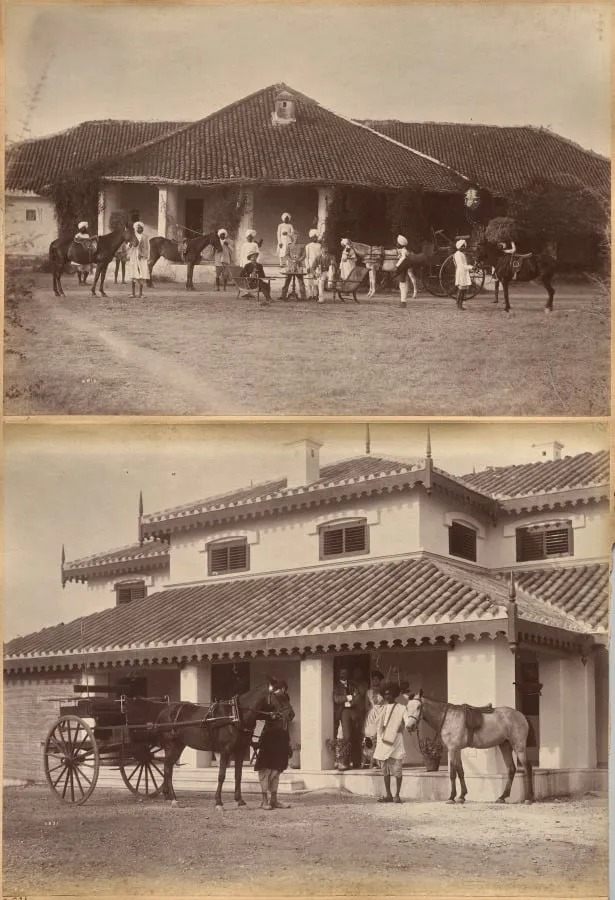
Dr. Morris and party, Jhansi (recto); Mr. MacNull, Jhansi (verso) is a photography by the Impressionist artist Raja Deen Dayal. It dates from 1884 and is held in the collection of the Cleveland Museum of Art. This pair of photographs, one showing Dr.
About this work
Raja Deen Dayal was one of the first Indian photographers to document British life in India, blending art with record-keeping.
Here’s a man in a suit standing beside two seated British officers in a garden. Behind them, Indian servants hold umbrellas and trays.
This isn’t just a portrait—it’s a photograph from an album made for a British official in India. The image shows the divide between colonial rulers and local workers, all posed carefully for the camera. Raja Deen Dayal was one of the first Indian photographers to document British life in India, blending art with record-keeping.
To see more of his work, look up Raja Deen Dayal (Indian, 1844–1905).
Overview
This pair of photographs, one showing Dr. Morris and companions, the other Mr. MacNull, originates from a now-dispersed album of approximately 105 images taken in India between 1885 and 1887. Created by Raja Deen Dayal, they were likely compiled as a personal record for a British official stationed in India. Each image captures a moment of colonial social life, framed with formal precision and intended for private circulation rather than public display.
Subject & Meaning
The images depict British colonial figures in formal attire, positioned within landscaped gardens, flanked by Indian servants holding umbrellas and serving trays. The arrangement underscores social hierarchy: the seated officers are central, while the attendants remain in the periphery, their roles defined by service. These portraits do not merely record faces but reinforce the structure of colonial authority through visual composition.
Technique & Style
Raja Deen Dayal employed the wet-plate collodion process, achieving sharp detail and tonal clarity typical of late 19th-century studio photography. The compositions are carefully staged, with attention to lighting and spatial balance. Background elements—gardens, architecture, and servants—are not incidental but deliberately included to convey context, status, and control over the environment.
History & Provenance
The photographs were part of a larger album, likely commissioned by a British civil servant during his posting in India. The album was later disassembled; the museum holds another 37 images from the same set (2016.266). The provenance suggests a private, commemorative purpose, reflecting the collector’s desire to preserve memories of his time in the subcontinent, while inadvertently documenting colonial social dynamics.
Context
Raja Deen Dayal, an Indian photographer with a studio in Indore and later Hyderabad, gained recognition for his work documenting both British officials and Indian royalty. His ability to navigate colonial and indigenous clientele allowed him to produce images that served dual purposes: as official records and as cultural artifacts. His presence as an Indian photographer capturing British life adds complexity to the colonial gaze.
Legacy
These photographs contribute to a broader visual archive of British India, offering insight into the performative nature of colonial authority. Deen Dayal’s work remains significant for its technical skill and its subtle negotiation of power, identity, and representation. His images continue to be studied not only as historical documents but as reflections of the tensions inherent in colonial visual culture.
Artist & collection

Artist
Raja Lala Deen Dayal, famously known as Raja Deen Dayal) was an Indian photographer.

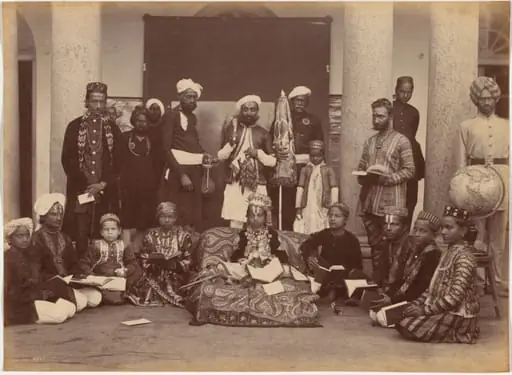 Maharaja of Rewa and Classmates
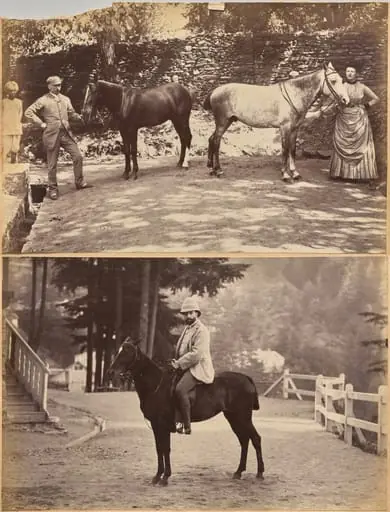 Col. F. G. Oldham (recto, top); Mr. Nowell, Shimla (recto, bottom)
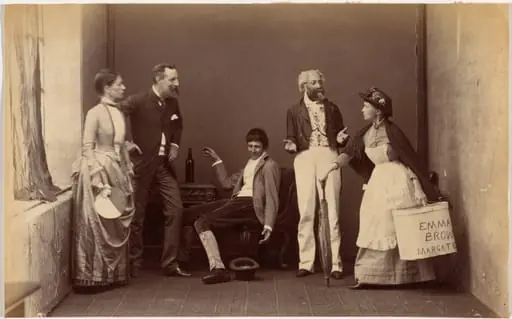 Fancy Group, Indore I
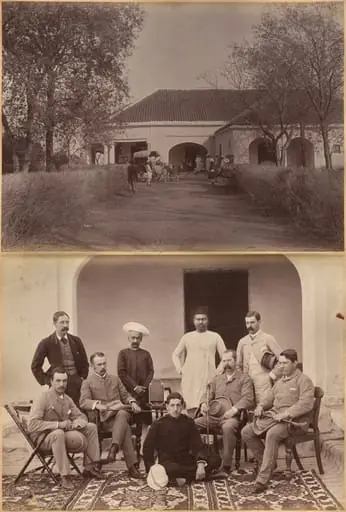 Civil officers at Jhansi (recto); Mr. William's House, Jhansi (verso)
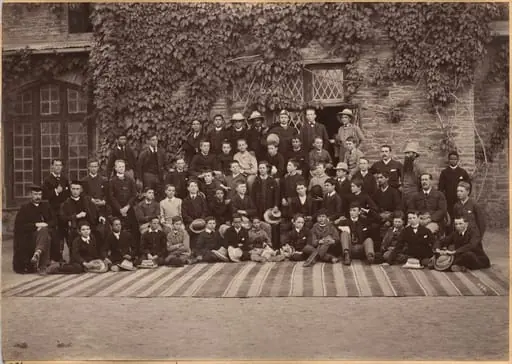 Middle Class Students and Staff, Bishop Cotton School, Shimla (verso)
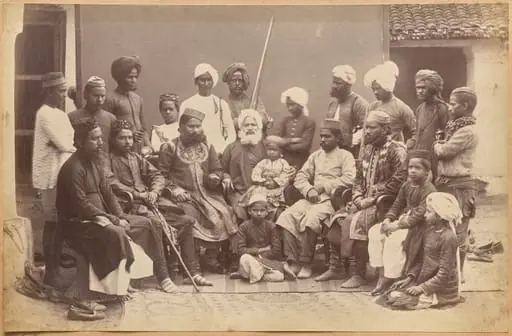 Mowhri Rahman Alli Khan family, Rewa (recto, bottom)
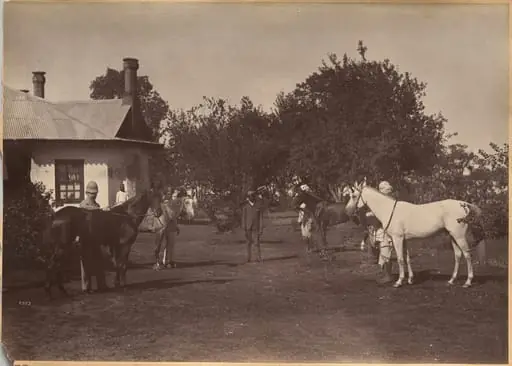 Lord William Beresford's horses
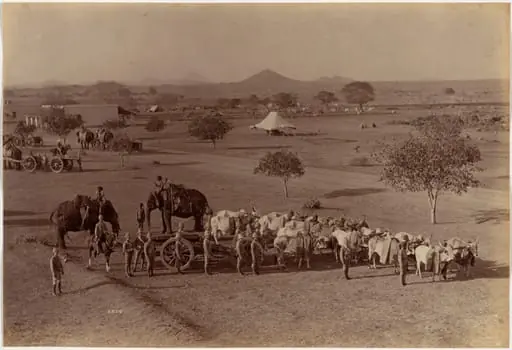 Heavy Field Battery, Jhansi
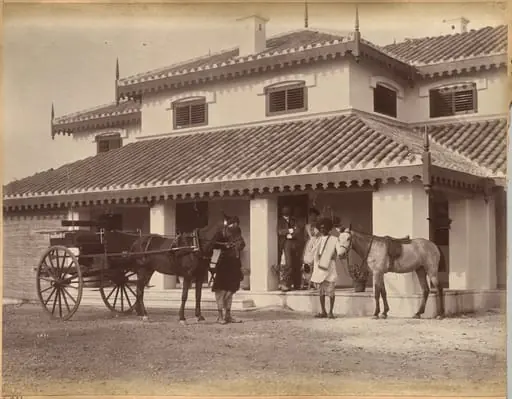 Mr. MacNull, Jhansi (verso)
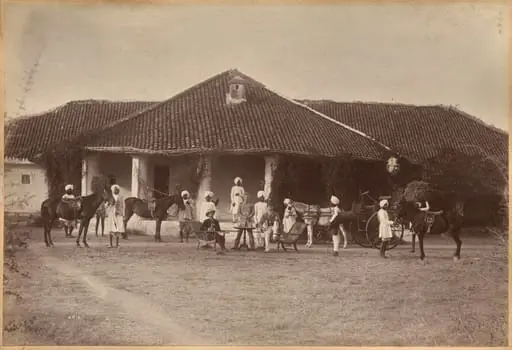 Dr. Morris and party, Jhansi (recto)
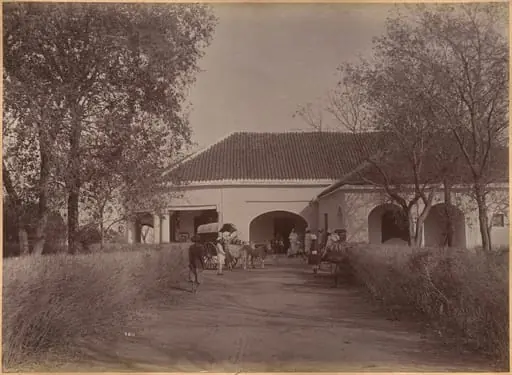 Mr. William's House, Jhansi (verso)
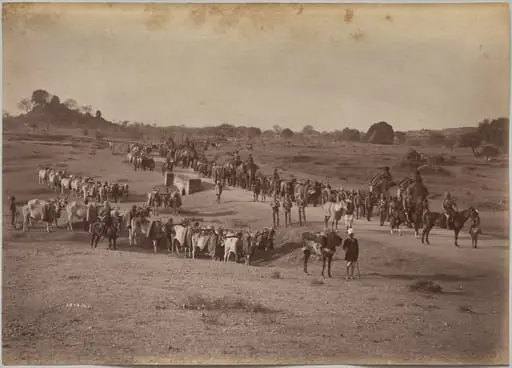 Elephant Battery on March at Jhansi
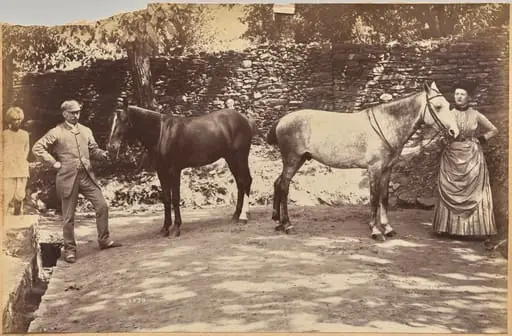 Col. F. G. Oldham (recto, top)
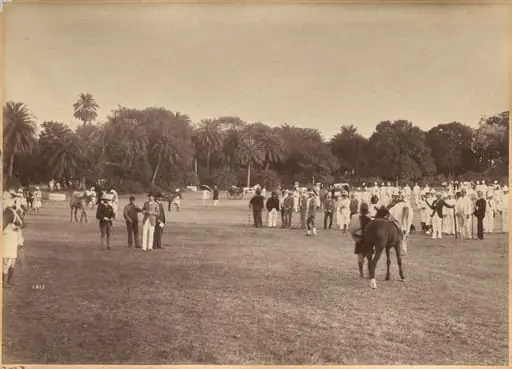 Judging at the Horseshow at Jhansi
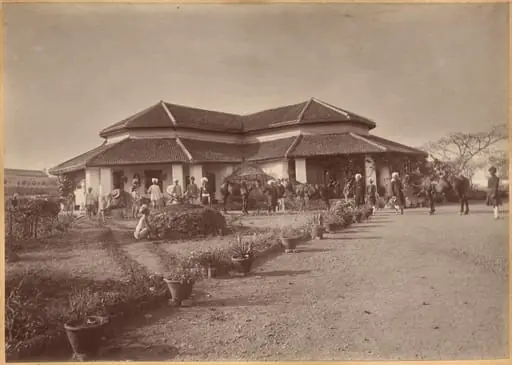 Major Creagh's home, Mhon (verso)
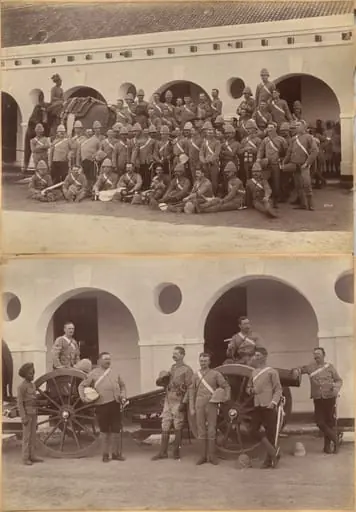 Officers of Elephant Battery, Jhansi (recto); Men of Elephant Battery, Jhansi (verso)
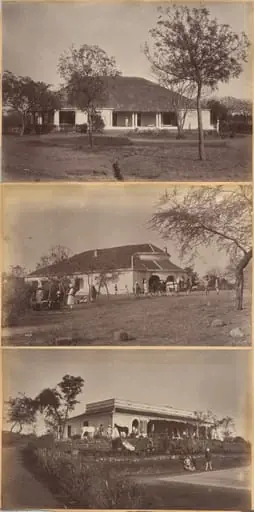 Commissioner's house, Jhansi (recto); Reverend Holcomb's Bungalow (verso, top); Untitled (verso, bottom)
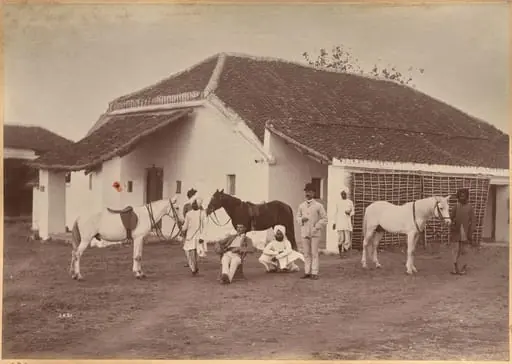 Captain Harris and Ruston, Jhansi