Artwork
Boy with a Wicker Basket
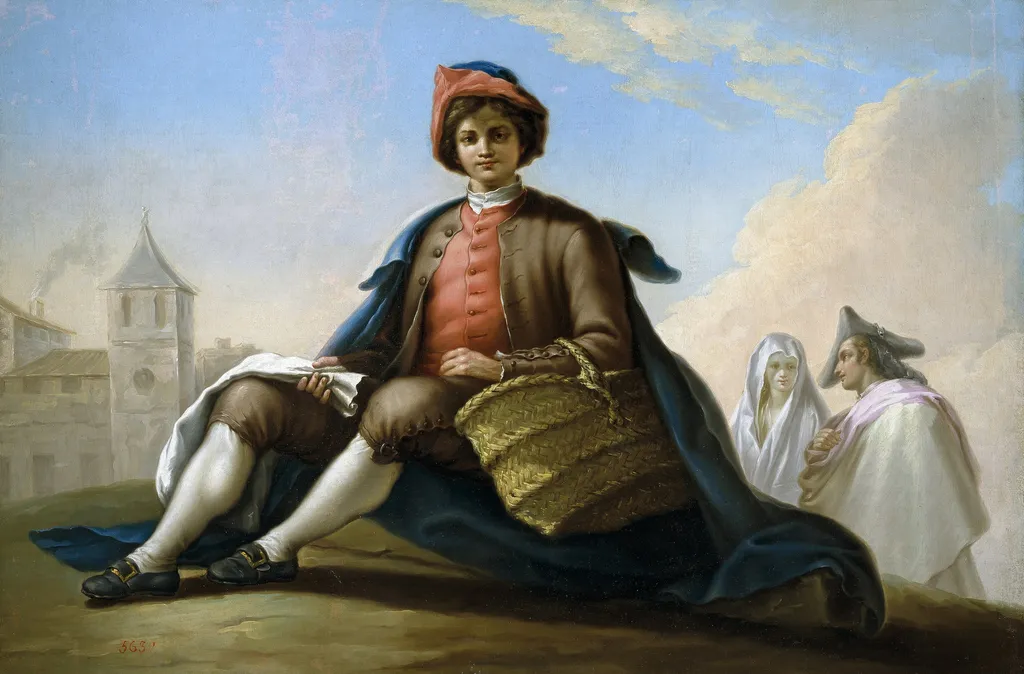
Boy with a Wicker Basket is an oil painting by the Rococo painting artist Ramón Bayeu. It is held in the collection of the Museo del Prado.
About this work
Overview
Boy with a Wicker Basket is a canvas painting created by Spanish artist Ramón Bayeu in 1794. Although Bayeu is often associated with Neoclassicism, this work is categorized under the Rococo movement.
Subject & Meaning
The painting depicts a serene scene of a young boy seated on a stone ledge, holding a wicker basket. Contrasting with his relaxed demeanor are two women in the background, kneeling with serious expressions. The boy’s attire—a red hat and brown coat paired with bare legs—introduces a note of incongruity.
Technique & Style
The work employs chiaroscuro, a technique utilizing strong contrasts between light and dark to create dramatic effects. This is evident in the interplay of light on the boy’s figure and the shaded, solemn backdrop of the kneeling women, a church tower, and a soft sky.
History & Provenance
Boy with a Wicker Basket is part of the permanent collection at the Museo del Prado. Originally created in 1794, its inclusion in the museum highlights its significance within Spanish art history.
Context
While Bayeu was known for Neoclassicist tapestry designs, this painting reflects the lingering influence of Rococo in late 18th-century Spanish art, characterized by its focus on everyday life and subtle emotional nuances.
Legacy
The painting’s legacy lies in its representation of the transitional period between Rococo and Neoclassicism in Spanish art, offering insights into the diverse stylistic explorations of Bayeu’s oeuvre.
Own this work as a print
Artist & collection
Artist
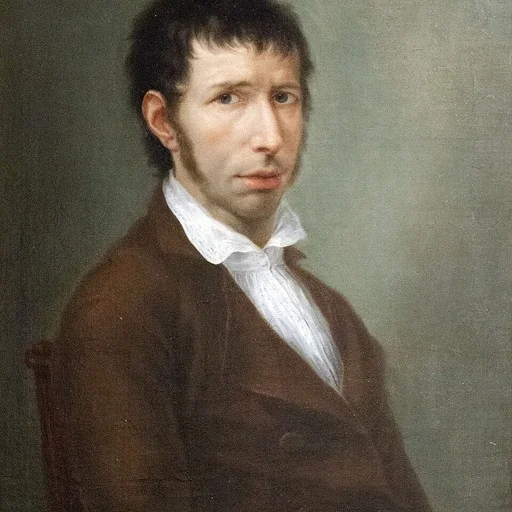
Ramón Bayeu y Subías (2 December 1744, Zaragoza – 1 March 1793, Aranjuez) was a Spanish Neoclassicist painter; known primarily for his work in tapestry design.

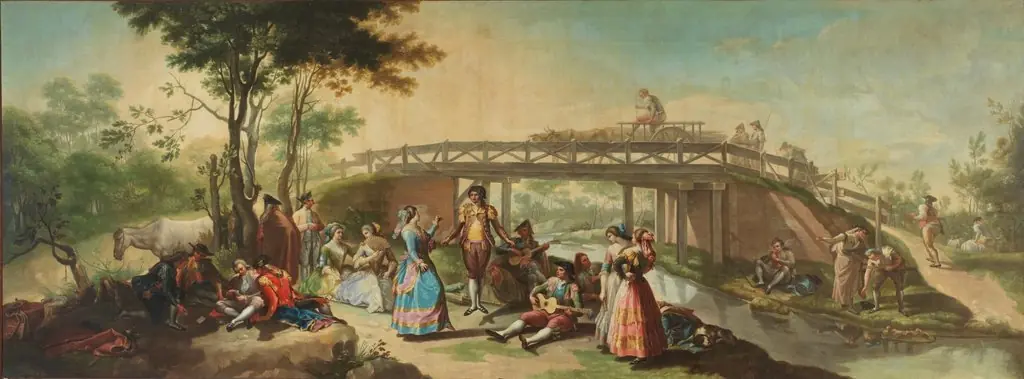
 Bullfighter. Maja in Finery
 Portrait of Cornelis Ploos van Amstel (1726-1798)
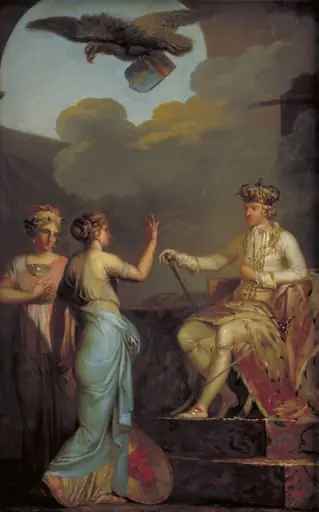 Christian VII Uniting the Ducal with the Royal Part of Holstein in 1773
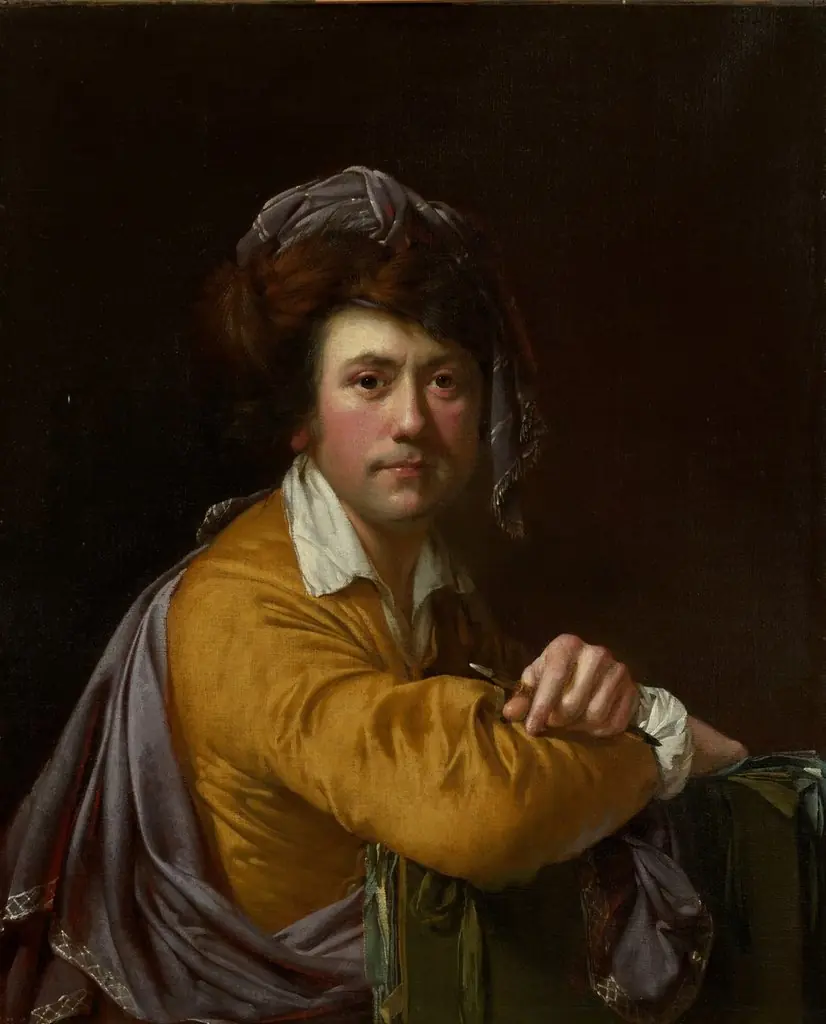 Self Portrait at the Age of about Forty; Verso: Study for 'An Experiment on a Bird in the Air Pump'
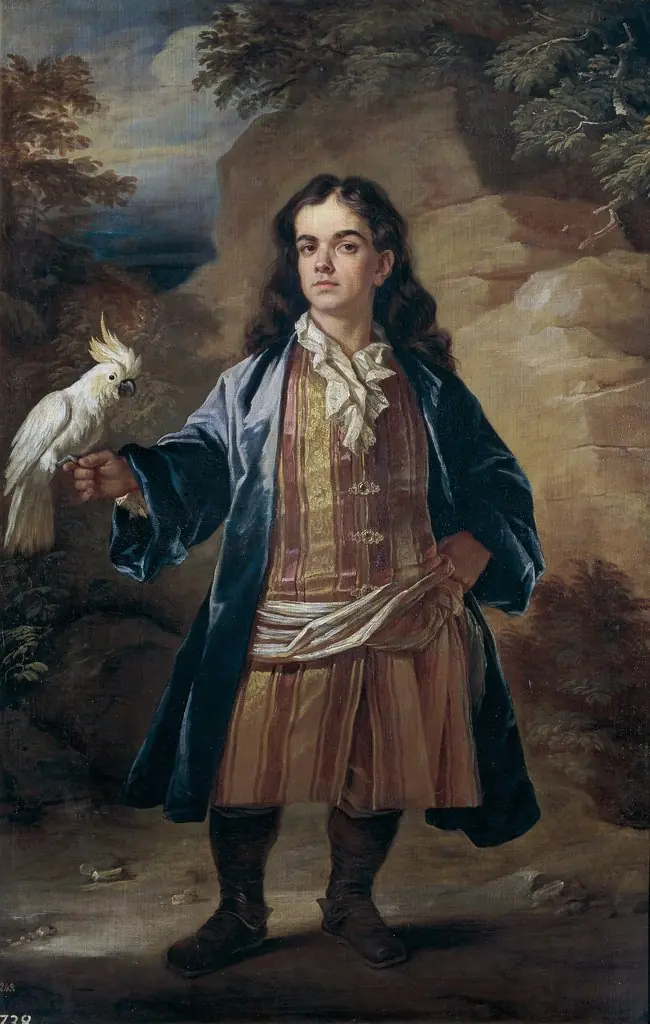 Retrato de enano
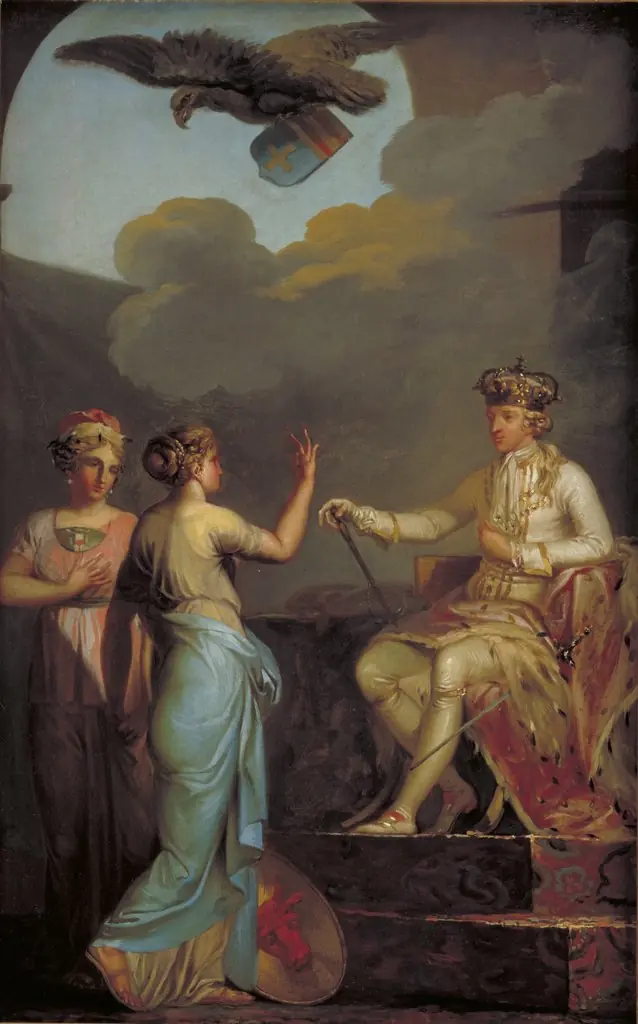 Christian VII Uniting the Ducal with the Royal Part of Holstein in 1767
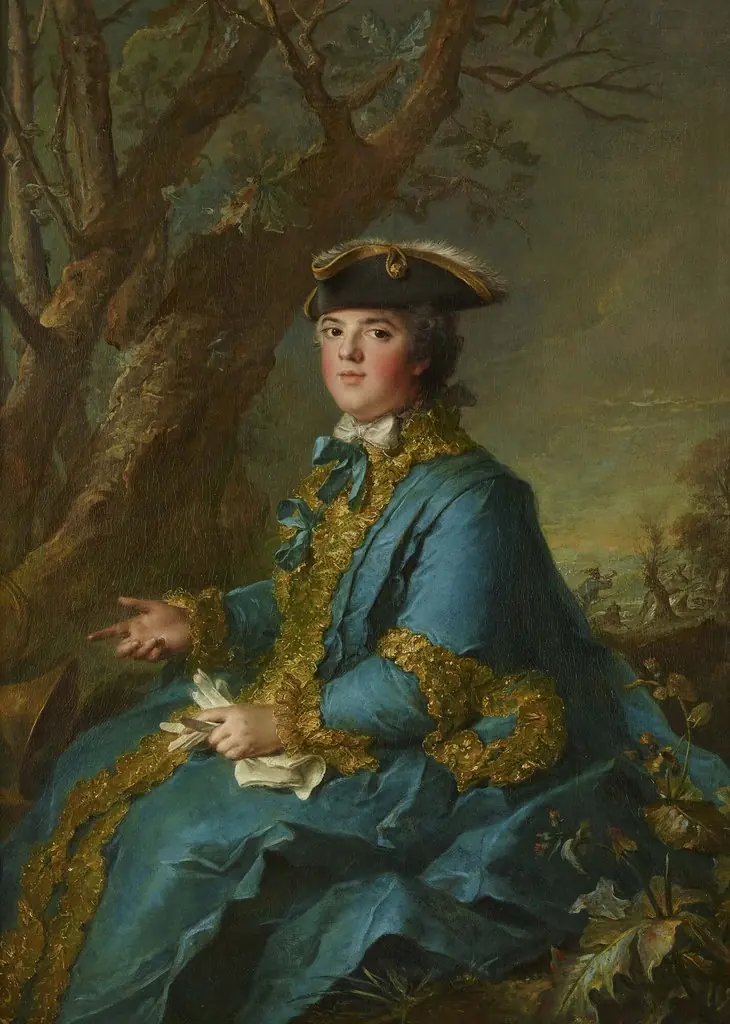 Posthumous portrait of Louise-Élisabeth de France, Duchess of Parma
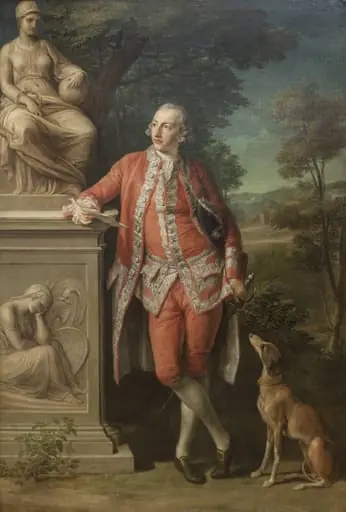 Peter Beckford (1740-1811), godsejer, Dorset.
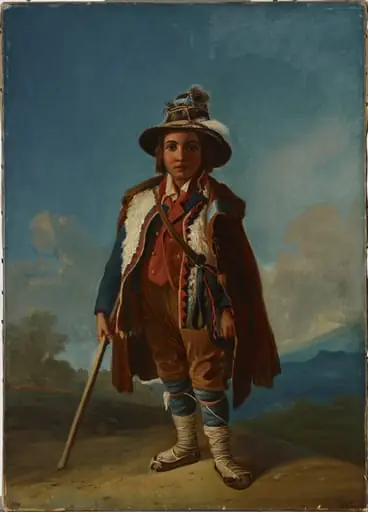 Italialainen poika, kopio R.W. Ekmanin mukaan
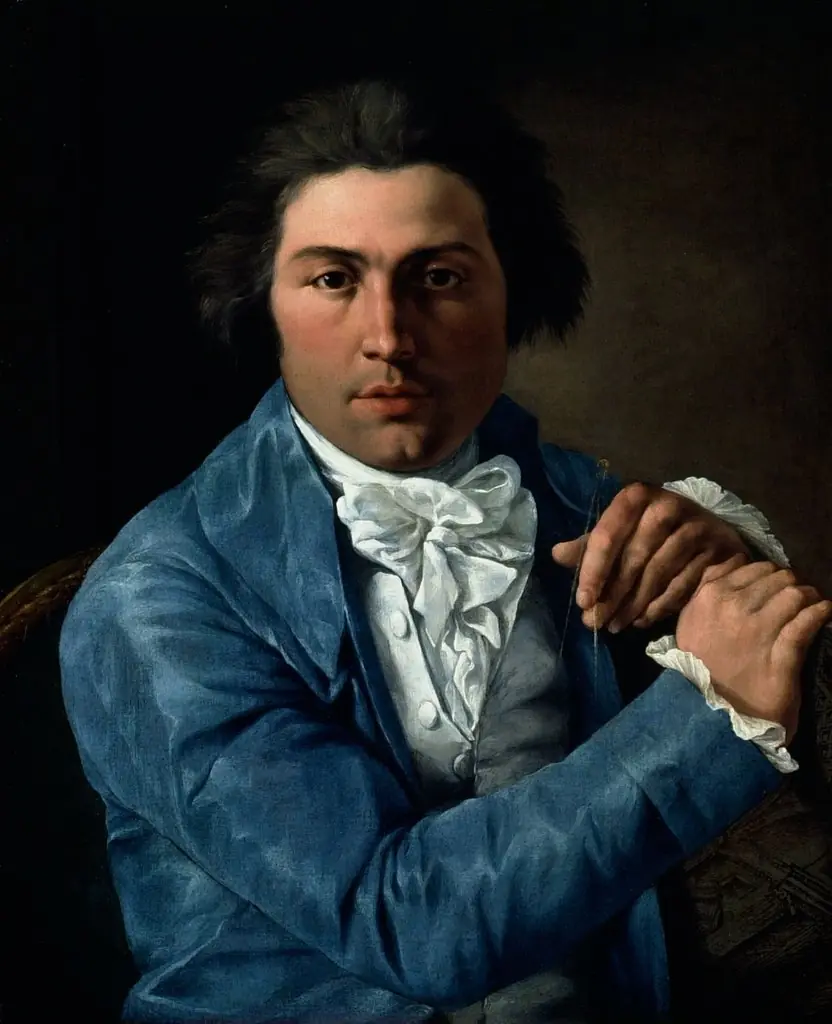 Portrait of the Architect Giuseppe Valadier