Artwork
Philosophy
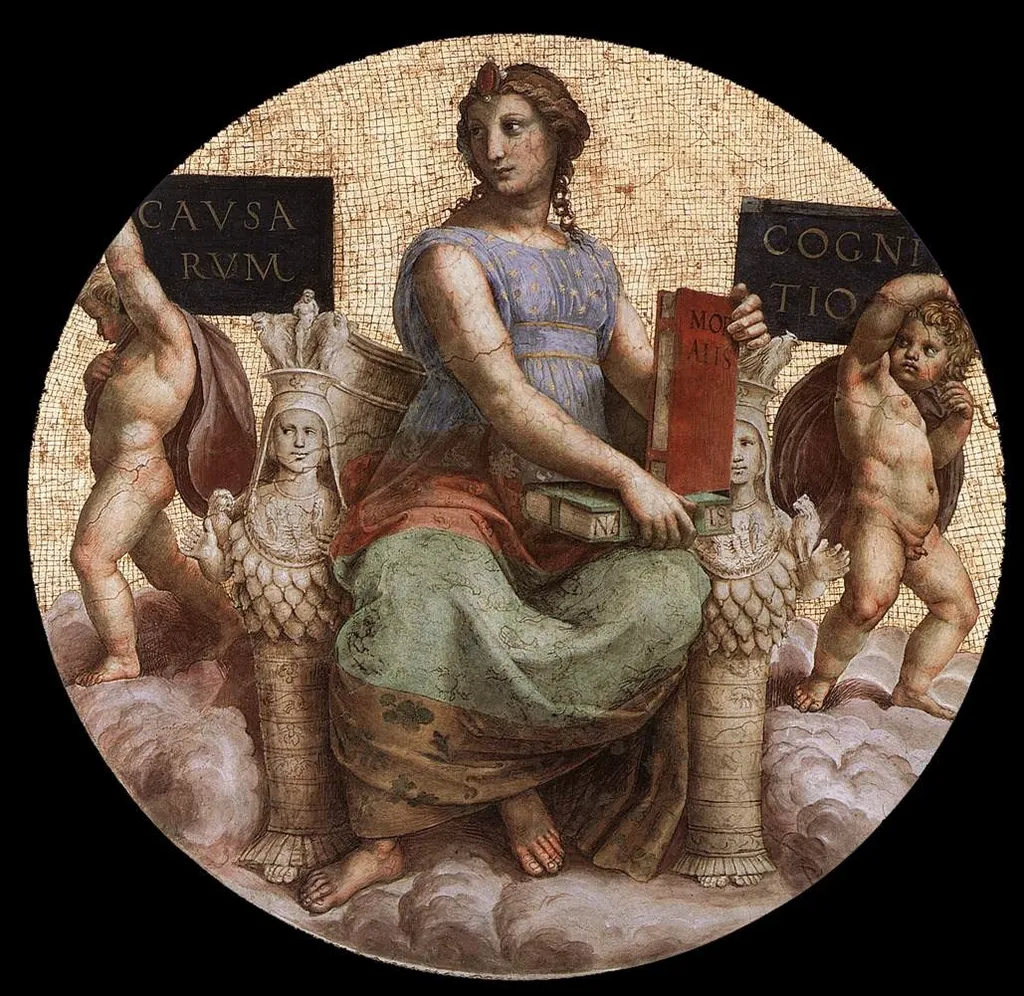
Philosophy is a fresco painting by the High Renaissance artist Raphael. It dates from 1508 and is held in the collection of the Vatican Museums.
About this work
Overview
Painted in 1508, Philosophy is a fresco by Raphael, part of a larger decorative program in the Vatican's Stanza della Segnatura. It belongs to the High Renaissance tradition, reflecting the era’s intellectual ideals through visual allegory. The work was commissioned for Pope Julius II’s private library, where it contributed to a thematic ensemble celebrating human knowledge and divine wisdom.
Subject & Meaning
The central figure represents Philosophy, depicted as a serene woman seated on a throne, symbolizing the discipline’s authority and contemplative nature.
The central figure represents Philosophy, depicted as a serene woman seated on a throne, symbolizing the discipline’s authority and contemplative nature. She holds a red book, likely alluding to classical texts, while two statues flanking her—possibly Plato and Aristotle—hold inscribed tablets, suggesting the duality of philosophical thought. Cherubs above convey the ethereal presence of inspiration, reinforcing the subject’s transcendent character.
Technique & Style
Raphael employed the fresco technique, applying pigments to wet plaster to achieve durable, luminous color. His composition balances symmetry and naturalism, with figures arranged in a stable, hierarchical formation. The background’s mosaic-like tiles create a textured, architectural depth, while the figures’ drapery and gestures reflect classical ideals of grace and proportion, hallmarks of his mature style.
History & Provenance
Created between 1508 and 1511, Philosophy was painted directly onto the wall of the Stanza della Segnatura in the Vatican Palace. It remained in situ throughout its history, forming part of a suite of frescoes representing theology, poetry, and jurisprudence. The work has never been moved, preserving its original context within the papal apartments.
Context
The fresco was one of four in a room designed to glorify the harmony between Christian faith and classical learning. Raphael’s depiction of Philosophy aligned with Renaissance humanism, which sought to reconcile ancient wisdom with contemporary theology. The room’s program, overseen by papal scholars, reflected Julius II’s ambition to position the Vatican as the center of intellectual and spiritual authority.
Legacy
Philosophy became a defining image of Renaissance humanism, influencing later depictions of allegorical figures in European art. Its integration of classical motifs, balanced composition, and intellectual symbolism set a standard for academic painting. Though less celebrated than Raphael’s other Vatican works, it remains a key example of how visual art was used to articulate philosophical ideals in the early 16th century.
Artist & collection
Artist
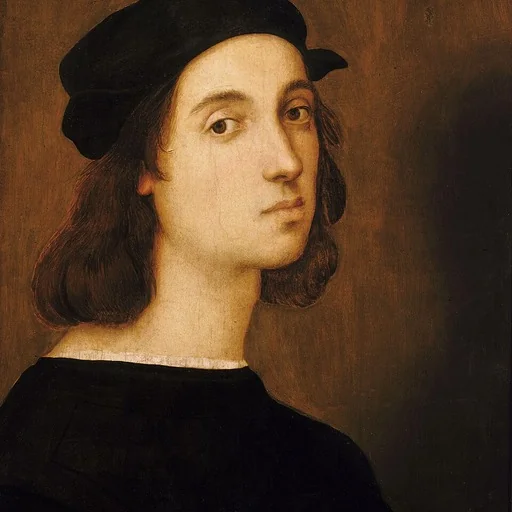
Raphael was born Raffaello Sanzio in Urbino on April 6, 1483, the son of Giovanni Santi, a painter and poet attached to the ducal court.

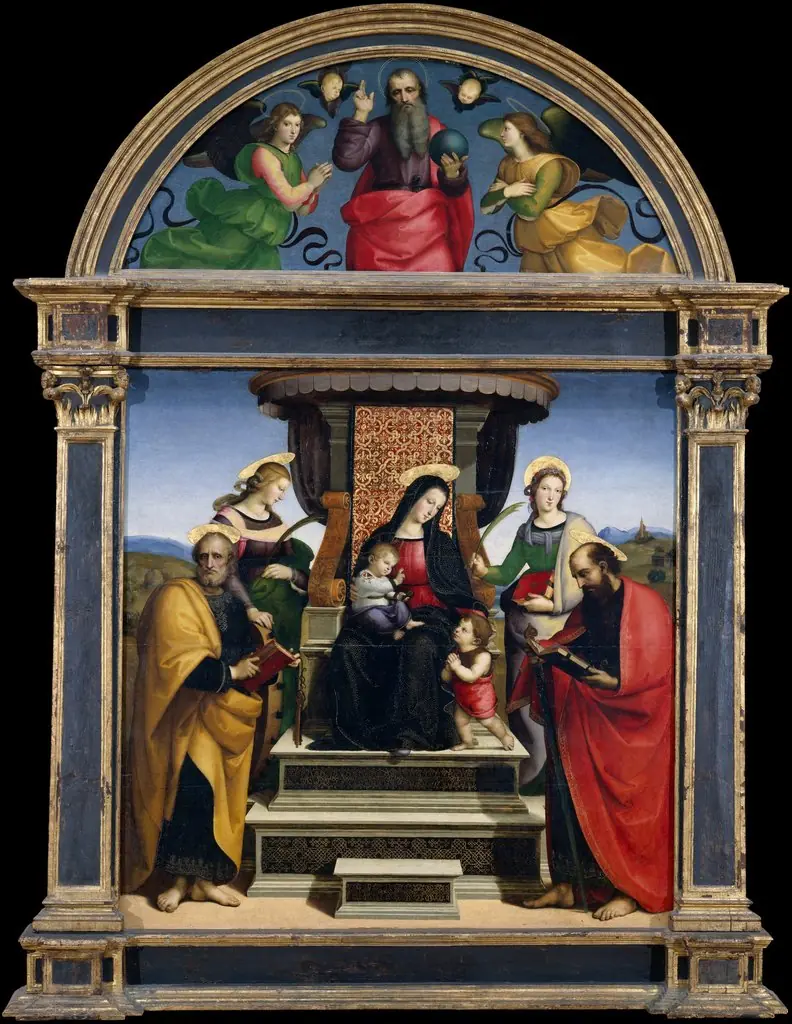
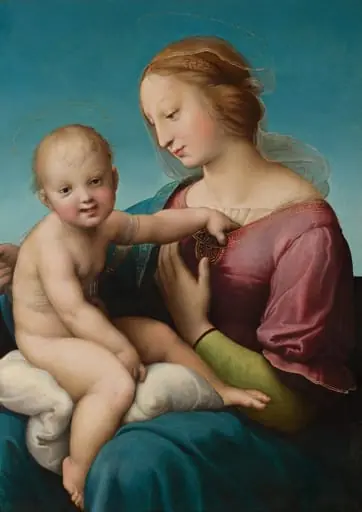
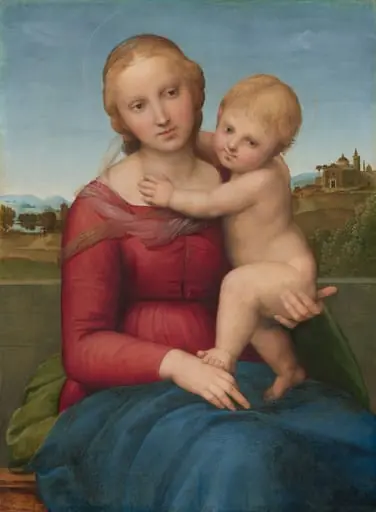
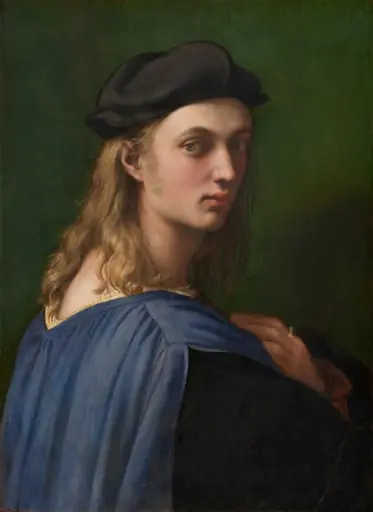
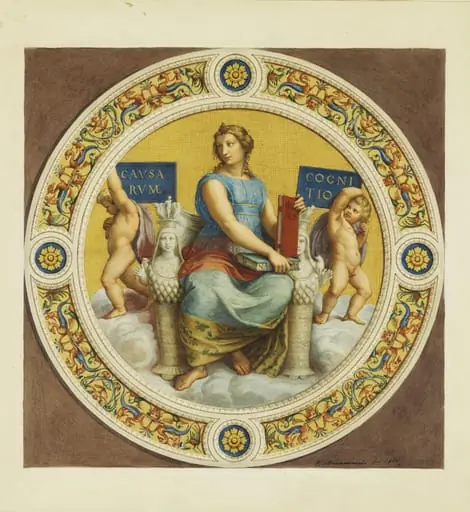 Copy after Raphael’s ceiling fresco representing ‘Philosophy’ in the Stanza della Segnatura (Vatican Palace, Rome,1509-11), 1864
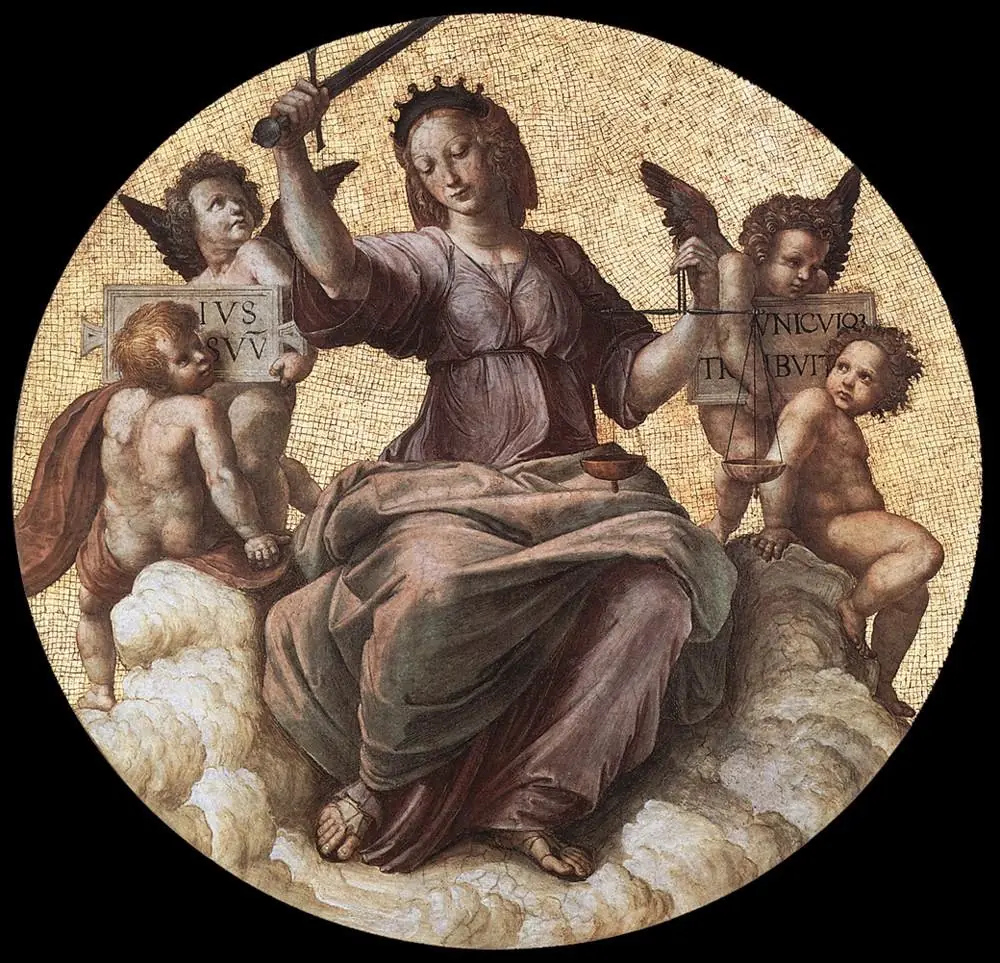 Justice
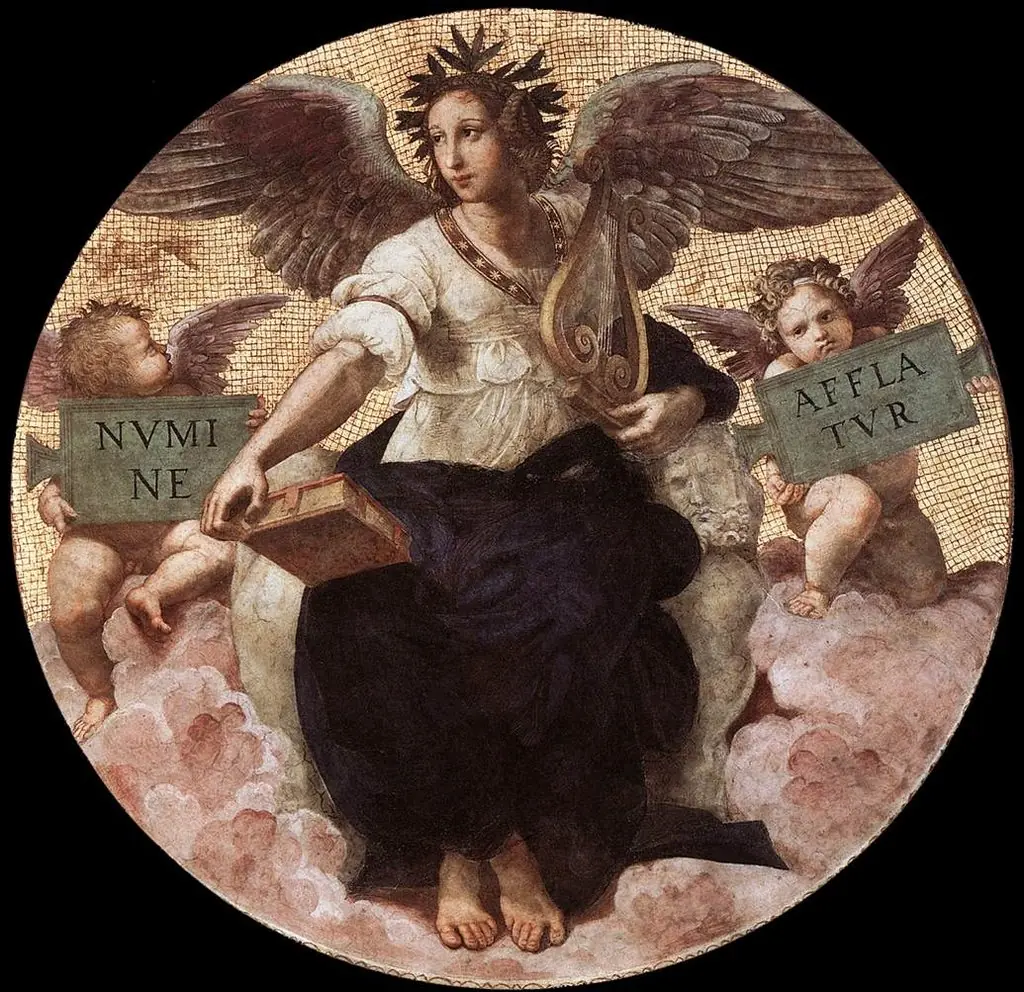 Poetry
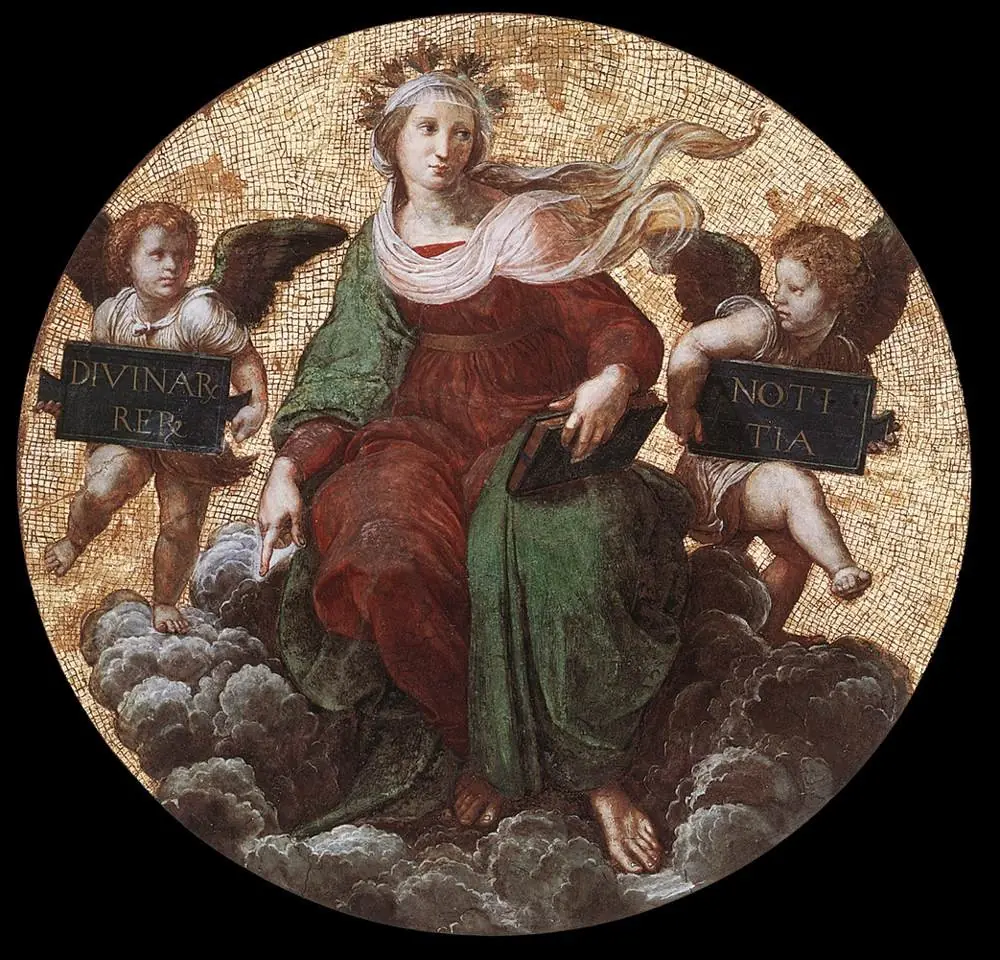 Theology
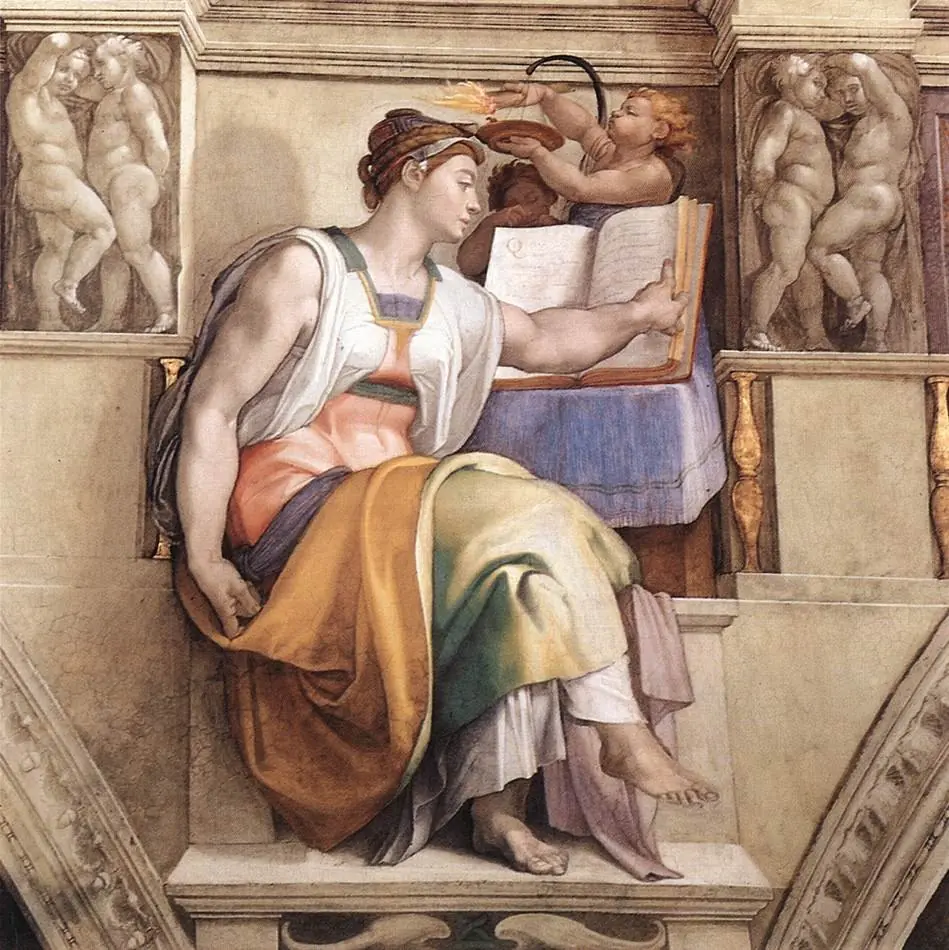 Erythraean Sibyl
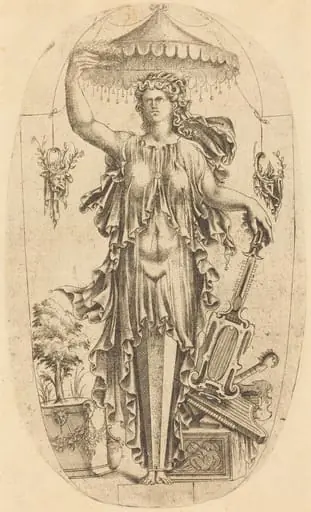 Woman with Musical Instrument
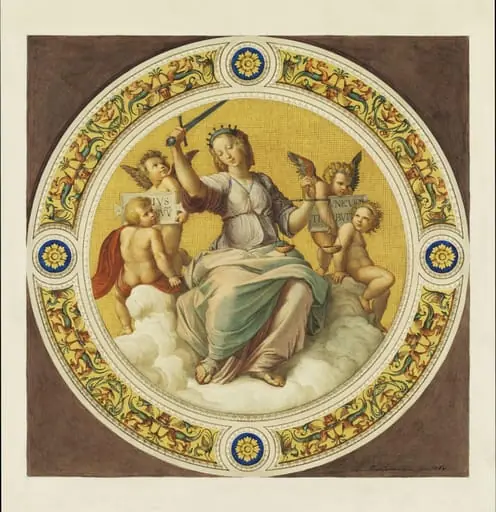 Copy after Raphael’s ceiling fresco representing ‘Jurisprudence’ in the Stanza della Segnatura (Vatican Palace, Rome, 1508-9), 1864
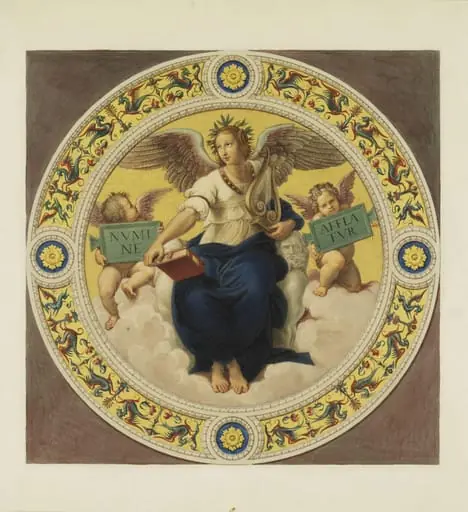 Copy after Raphael’s ceiling fresco representing ‘Poetry’ in the Stanza della Segnatura (Vatican Palace, Rome,1509-11), 1864
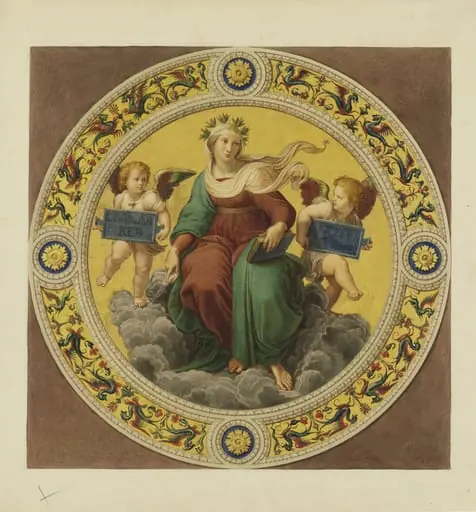 Copy after Raphael’s ceiling fresco representing ‘Theology’ in the Stanza della Segnatura (Vatican Palace, Rome,1508-09), 1864.
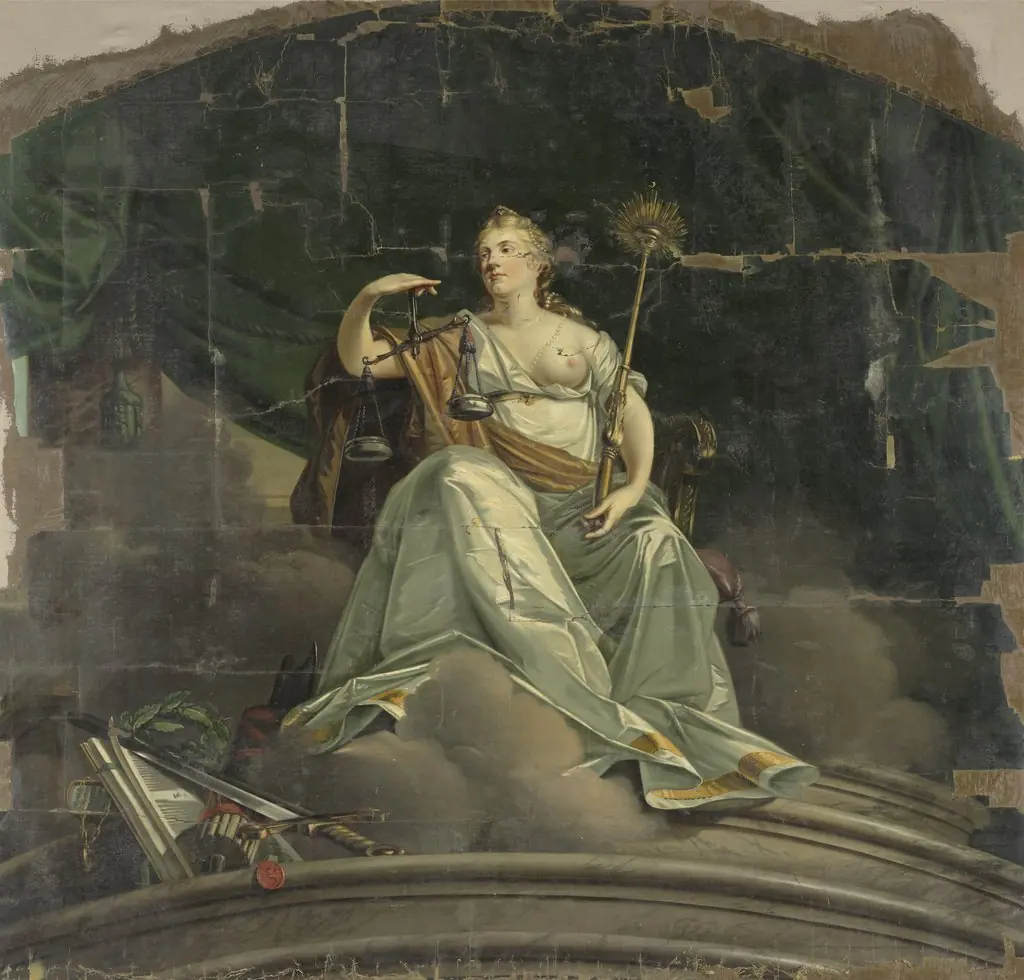 Justice
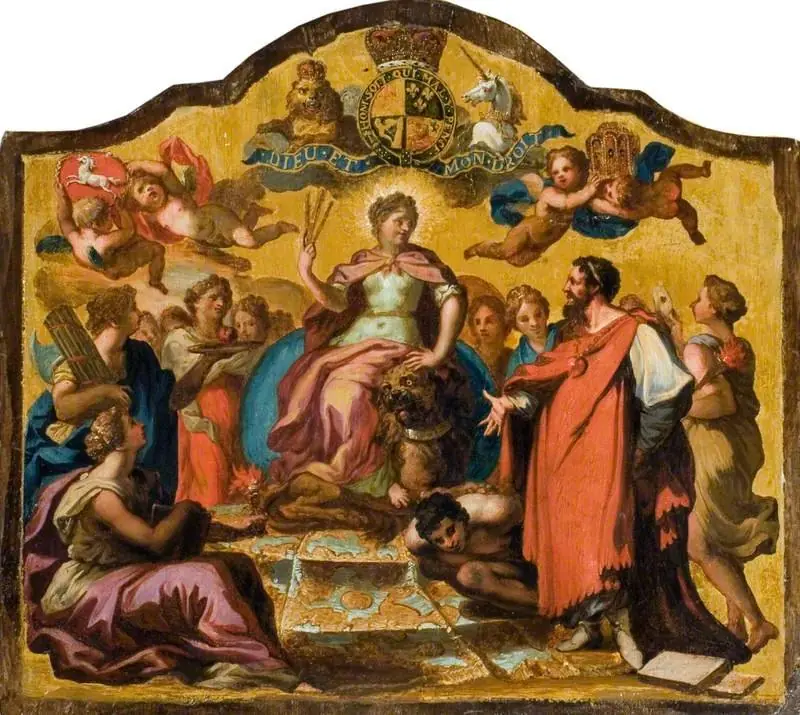 Allegorical Figures: Britannia Enthroned, Surrounded by Concord, Learning and Religion Overcoming Vice (from the Royal State Coach for George I)
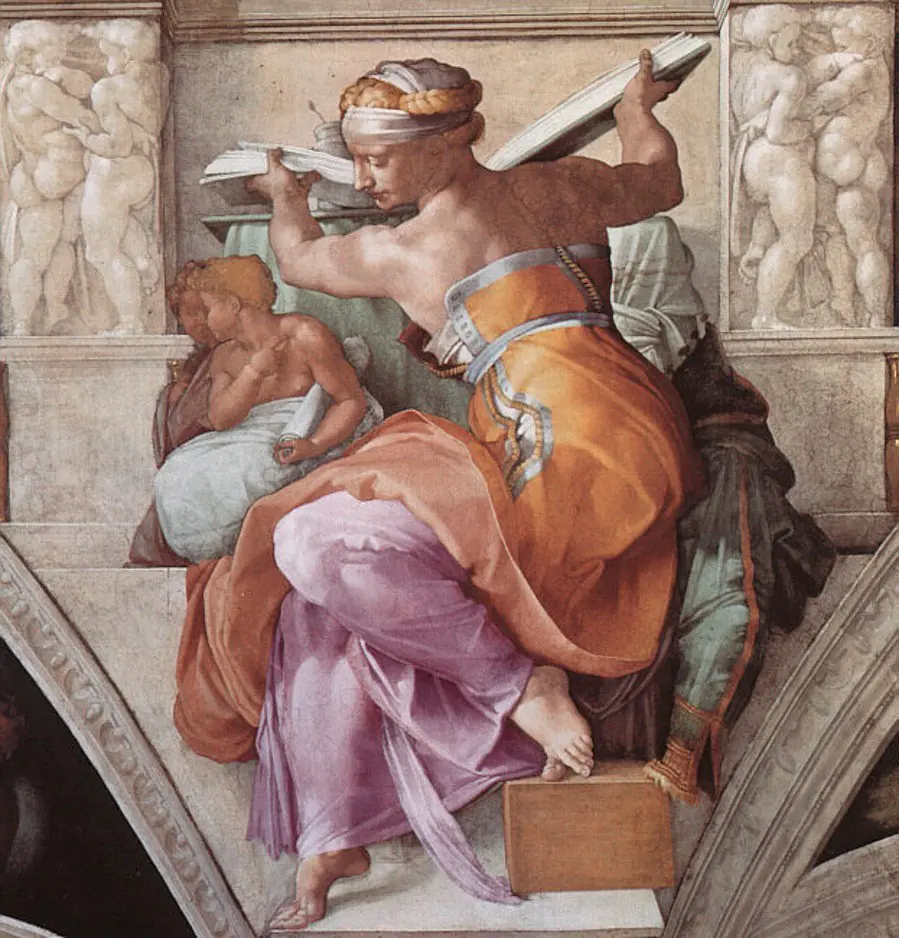 Libyan Sibyl