Artwork
Poetry
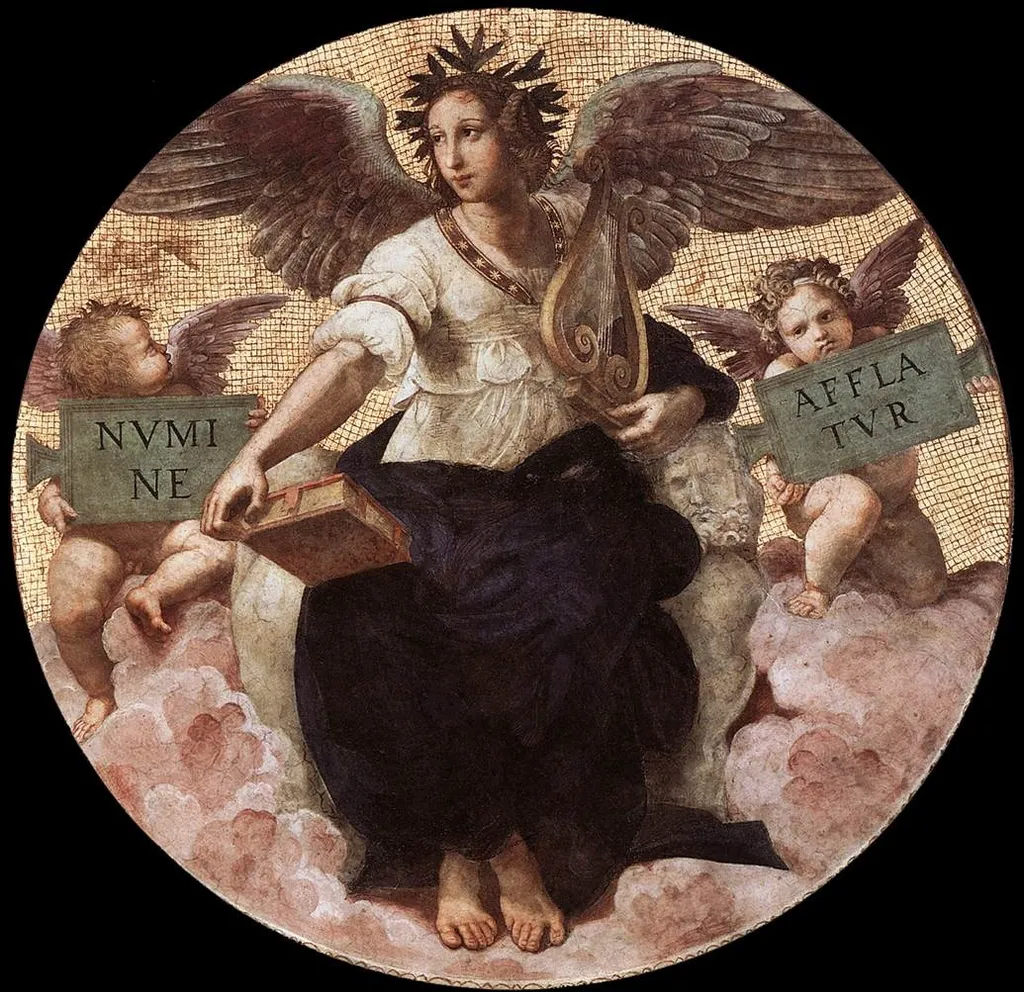
Poetry is a fresco painting by the High Renaissance artist Raphael. It dates from 1508 and is held in the collection of the Vatican Museums.
About this work
Overview
Raphael's 'Poetry' is a High Renaissance fresco created in 1508, now housed at the Vatican Museums. The work allegorically represents the concept of poetry through figurative elements.
Subject & Meaning
The fresco depicts a winged woman, symbolizing Poetry, seated on a cloud. She holds a lyre (associated with musical and poetic inspiration) in her right hand and a book (representing written verse) in her left. Two accompanying cherubs bear signs with inscribed words, further emphasizing the thematic focus on poetry.
Technique & Style
Executed in fresco, a technique involving painting on wet plaster, 'Poetry' showcases depth and texture inherent to this medium. Raphael's application of fresco highlights the High Renaissance emphasis on classical harmony and balance.
History & Provenance
Created in 1508, 'Poetry' has been part of the Vatican Museums' collection since its inception, reflecting the artist's prominent role in Vatican commissions during the High Renaissance.
Context
As a product of the High Renaissance, 'Poetry' reflects the era's revival of classical themes and artistic innovations. The work's allegorical approach to representing abstract concepts was characteristic of Renaissance artistic and intellectual pursuits.
Legacy
While specific influences of 'Poetry' on later works are not broadly documented, it contributes to Raphael's reputation for nuanced allegorical frescoes, influencing subsequent generations in their approach to thematic depth in mural painting.
Artist & collection
Artist
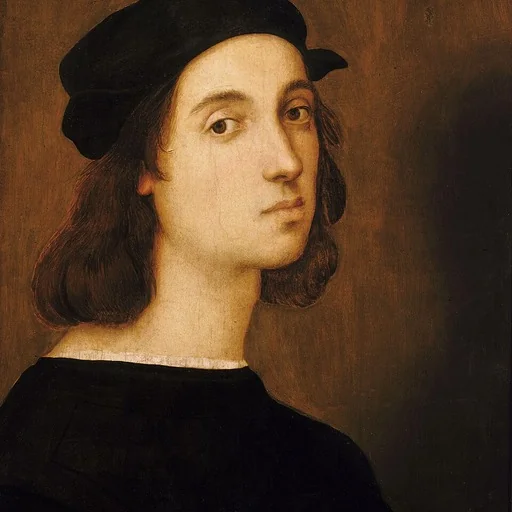
Raphael was born Raffaello Sanzio in Urbino on April 6, 1483, the son of Giovanni Santi, a painter and poet attached to the ducal court.

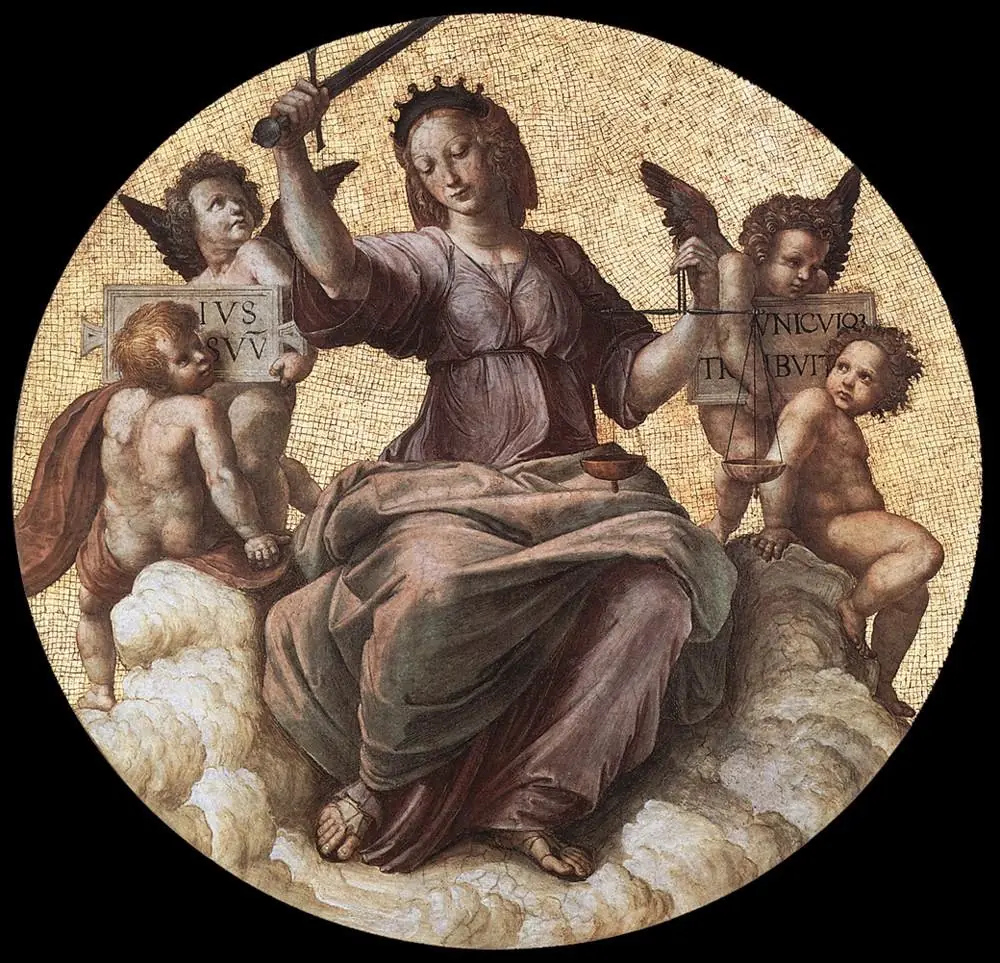 Justice
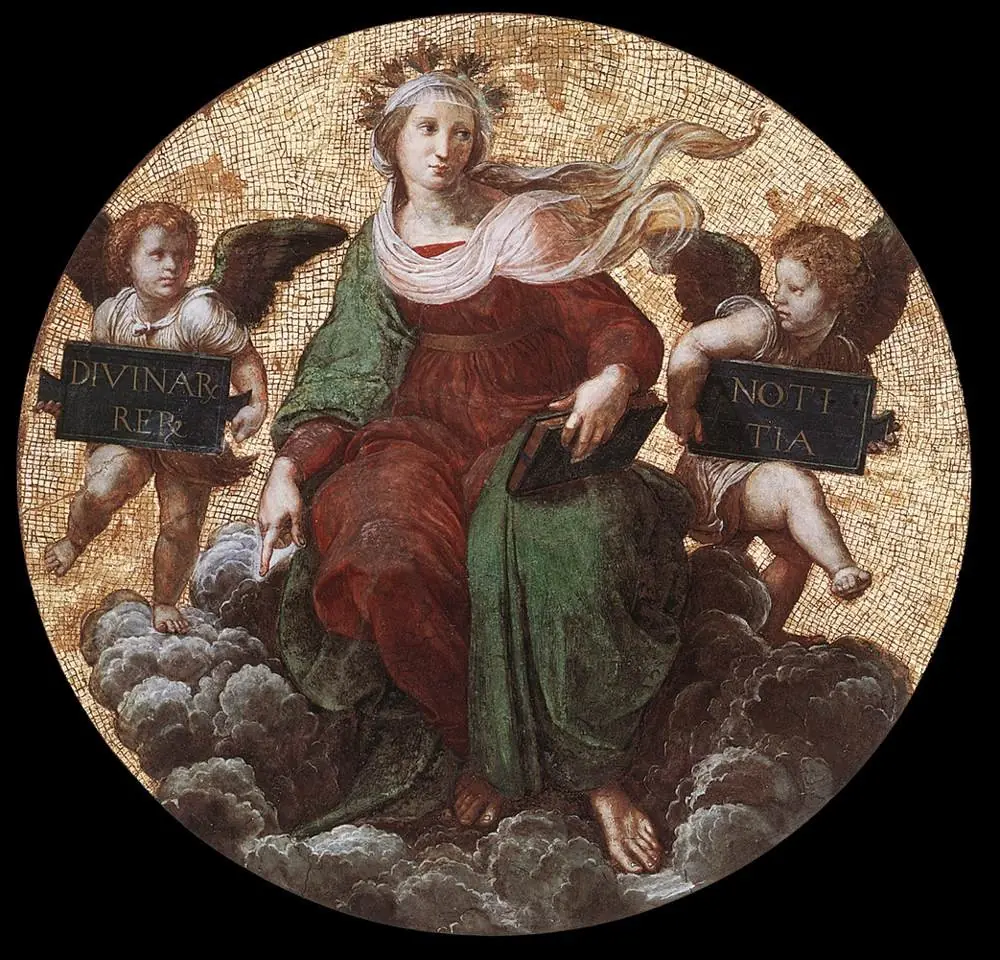 Theology
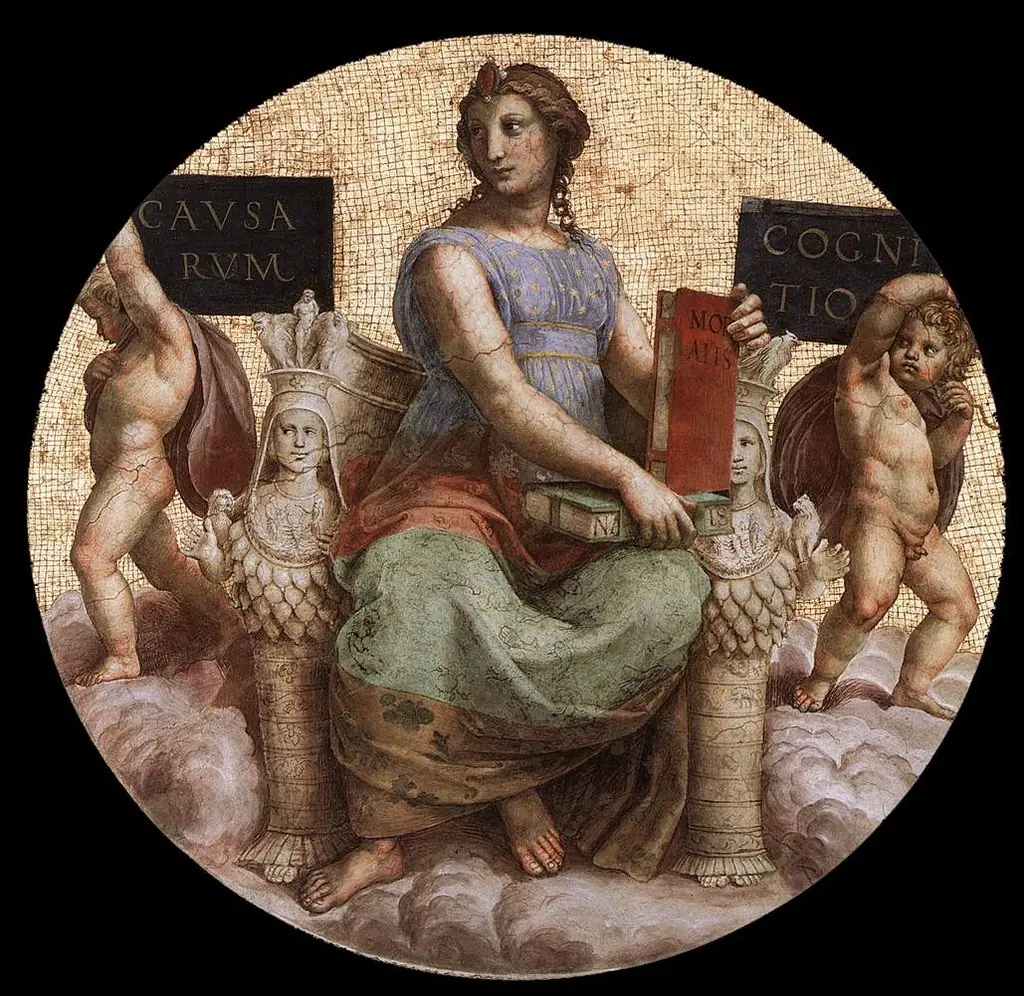 Philosophy
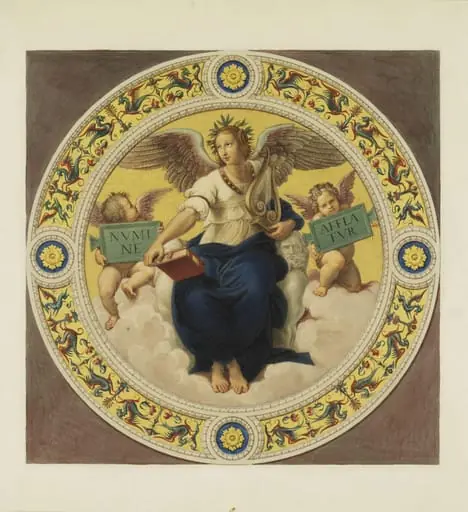 Copy after Raphael’s ceiling fresco representing ‘Poetry’ in the Stanza della Segnatura (Vatican Palace, Rome,1509-11), 1864
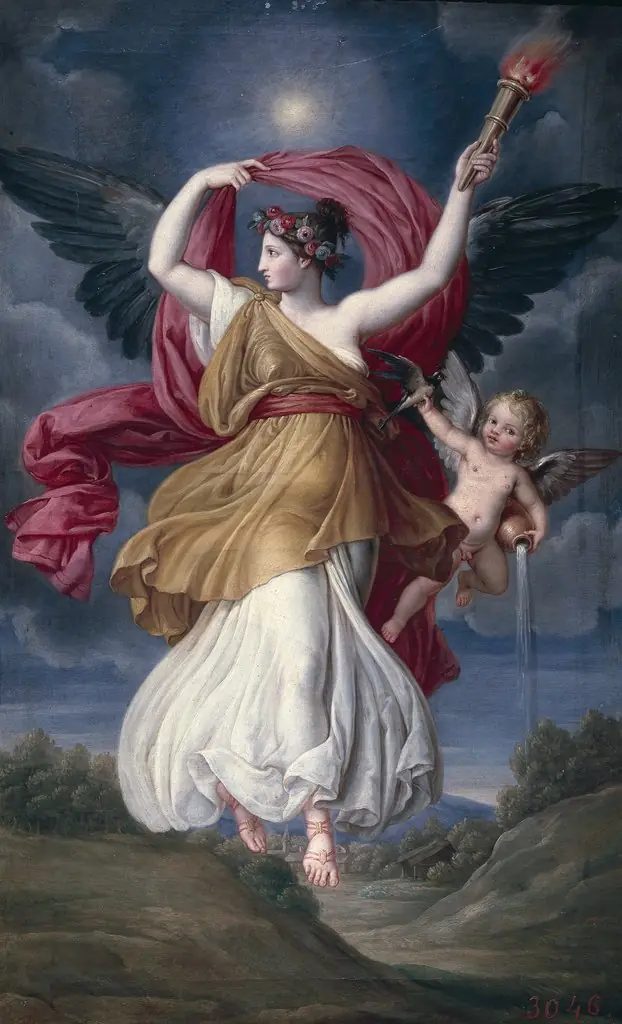 Allegory of Dawn
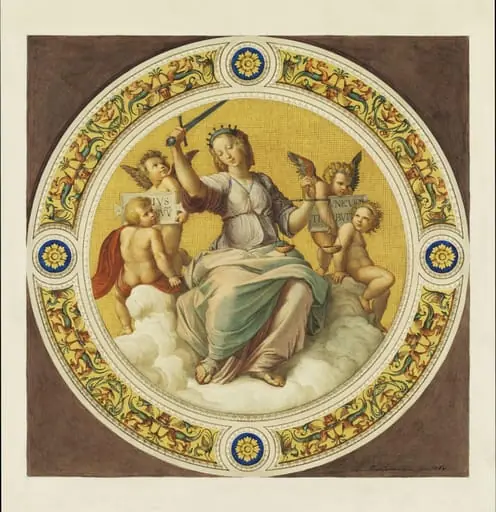 Copy after Raphael’s ceiling fresco representing ‘Jurisprudence’ in the Stanza della Segnatura (Vatican Palace, Rome, 1508-9), 1864
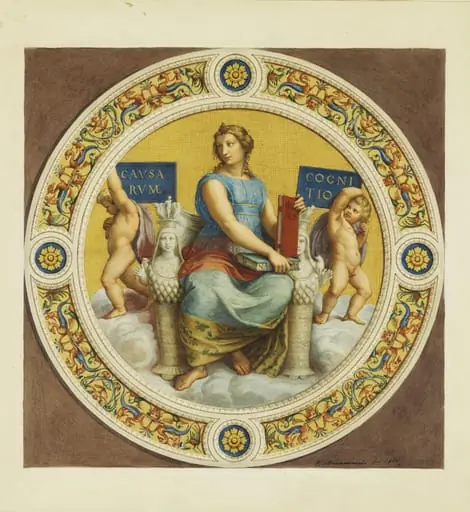 Copy after Raphael’s ceiling fresco representing ‘Philosophy’ in the Stanza della Segnatura (Vatican Palace, Rome,1509-11), 1864
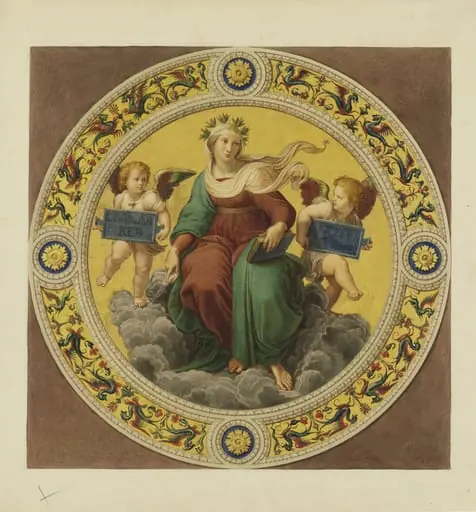 Copy after Raphael’s ceiling fresco representing ‘Theology’ in the Stanza della Segnatura (Vatican Palace, Rome,1508-09), 1864.
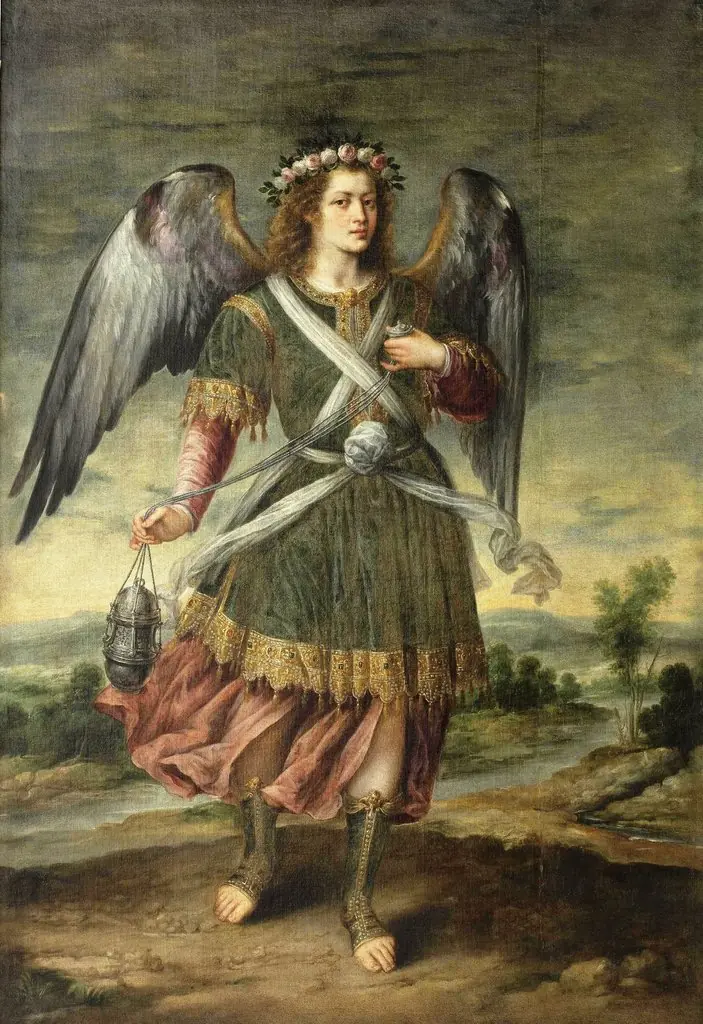 Archangel Seatiel with a censer
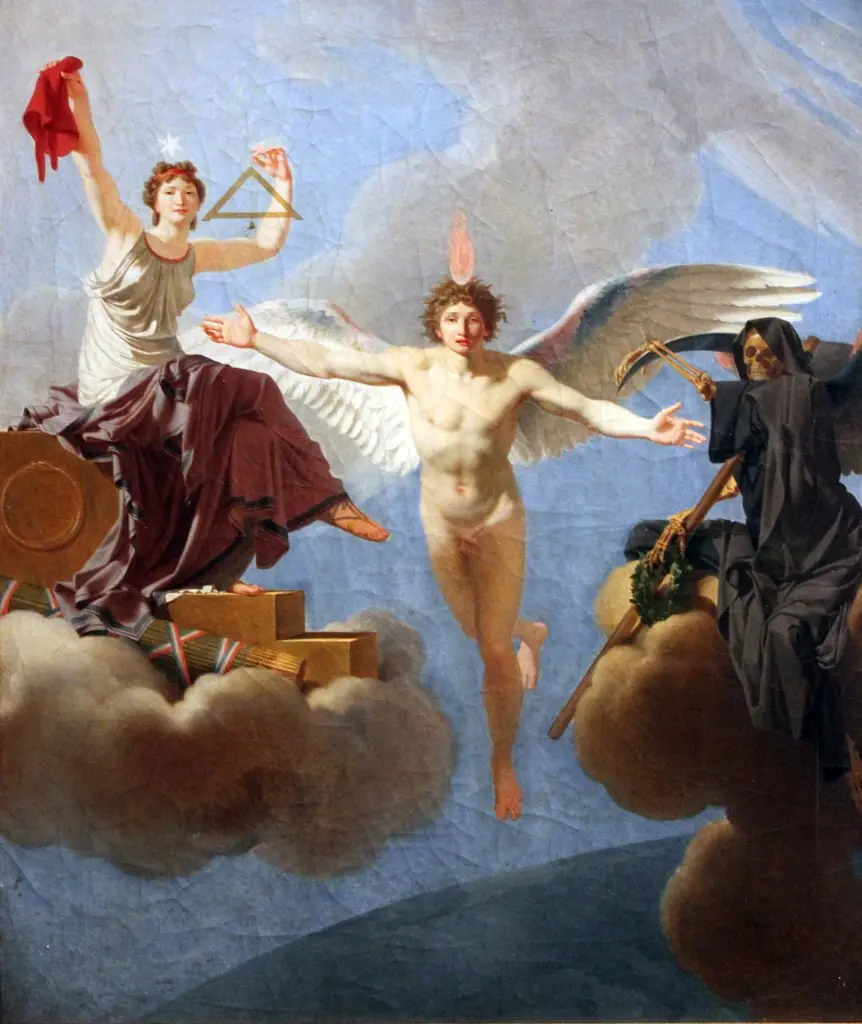 The Genius of France between Freedom and Death