Artwork
Freston Tower
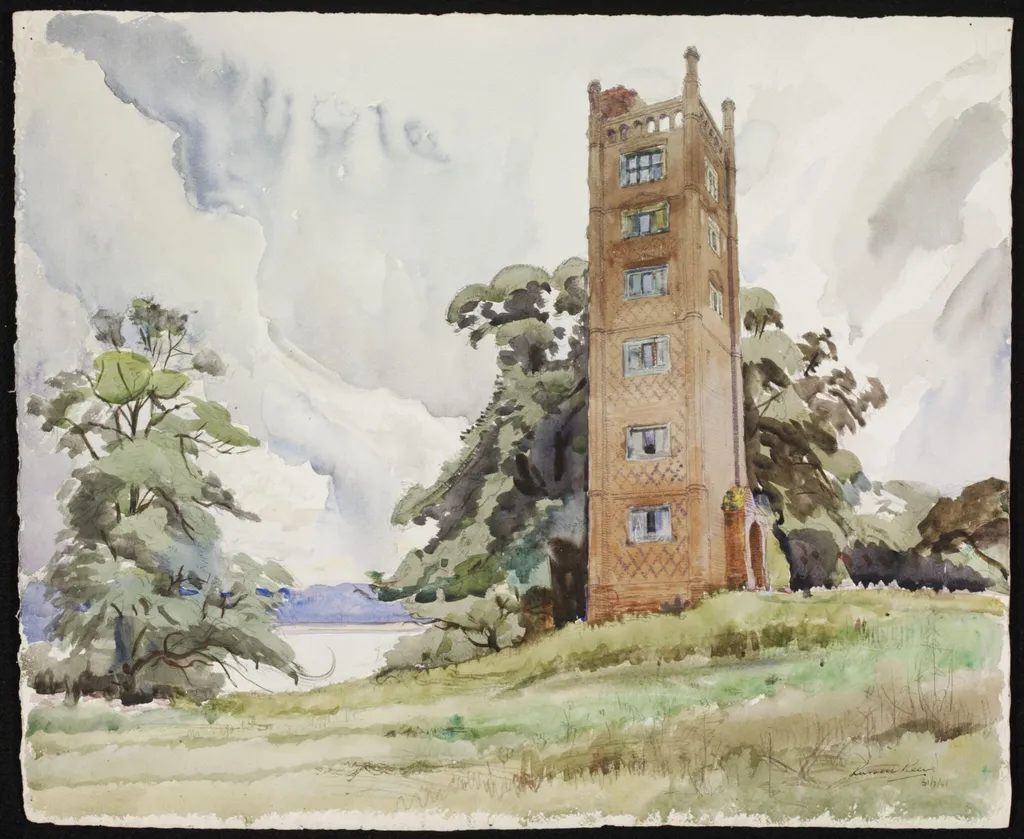
Freston Tower is a watercolor work on paper by W. Russell Reeve. It dates from 19 and is held in the collection of the Victoria and Albert Museum. W.
About this work
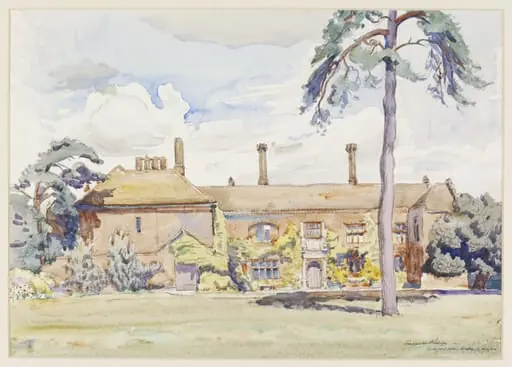
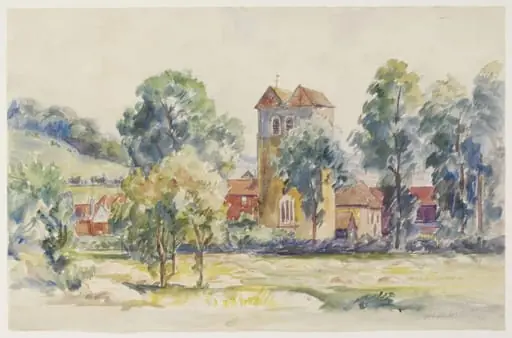
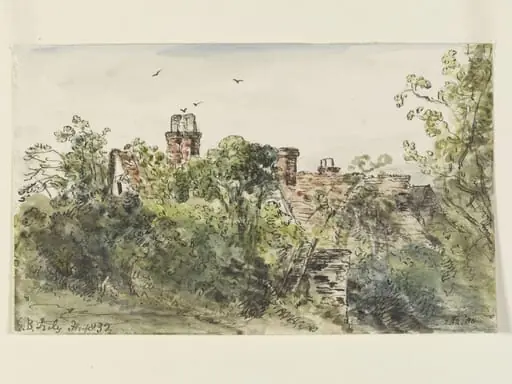
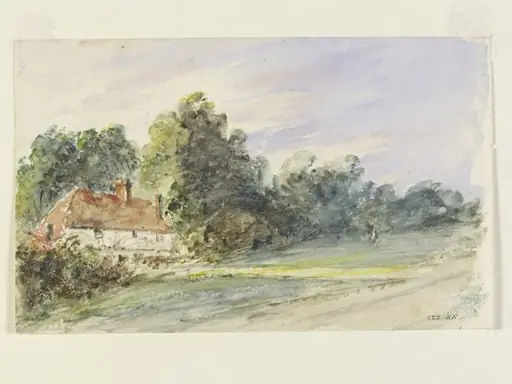
W. Russell Reeve painted Freston Tower in watercolour in 1941. It shows a tall, odd little building made just to catch the eye. Artists have drawn this tower for centuries.
The tower is a folly. That means it was built for fun, not use. A novel from 1850 even made up a story about its past.
Look up the Victoria and Albert Museum next.
Overview
Russell Reeve created a watercolour of Freston Tower in 1941, capturing a six-storey structure in Suffolk that has drawn artistic attention since the 1700s.
W. Russell Reeve created a watercolour of Freston Tower in 1941, capturing a six-storey structure in Suffolk that has drawn artistic attention since the 1700s. Built in the 1500s, it is among England’s earliest known follies—architectural ornaments designed not for function but for visual interest. The work belongs to a long tradition of depictions of the tower, reflecting its enduring presence in regional visual culture.
Subject & Meaning
Freston Tower is a folly, a non-utilitarian structure erected for aesthetic or whimsical purposes. Its original intent remains unknown, but its unusual form invited imaginative interpretations, including an 1850 novel by Richard Cobbold, which imagined it as a scholar’s retreat for a noblewoman. Reeve’s painting preserves the tower’s enigmatic character, emphasizing its solitary, ornamental presence in the landscape.
Technique & Style
Reeve rendered the tower in watercolour, a medium well-suited to capturing subtle light and atmospheric detail. The composition focuses on the tower’s verticality and irregular silhouette, with delicate washes suggesting weathered stone and shifting skies. The style is observational rather than romanticized, aligning with early 20th-century British watercolour traditions that valued quiet precision.
History & Provenance
The tower dates to the 16th century and is considered one of England’s oldest follies. Its origins are undocumented, fueling centuries of speculation. By the 18th century, it had become a subject for prints and drawings, a tradition continued by Reeve in 1941. The work’s provenance traces to British watercolourists who documented regional landmarks, often for private or institutional collections.
Context
Freston Tower emerged during a period when English landowners built ornamental structures to display taste and leisure. Its survival into the modern era reflects a growing interest in vernacular architecture and historical preservation. Reeve’s watercolour coincided with wartime Britain’s renewed attention to local heritage, offering a quiet counterpoint to national upheaval through its focus on enduring, if obscure, landmarks.
Legacy
The tower continues to appear in regional archives and artistic records, its mystery preserved through repeated depiction. Reeve’s watercolour contributes to a visual archive that bridges early modern curiosity and 20th-century documentation. Though no longer a novelty, it remains a touchstone for studies of English folly architecture and the role of art in sustaining local memory.
Artist & collection
Artist
W. Russell Reeve painted quiet English landscapes in watercolor, often capturing Suffolk landmarks like East Bergholt Church and Freston Tower. In 1932 he recorded Red House Farm near Ipswich, and in 1941 he returned to…