Artwork
Portrait of a Young Woman
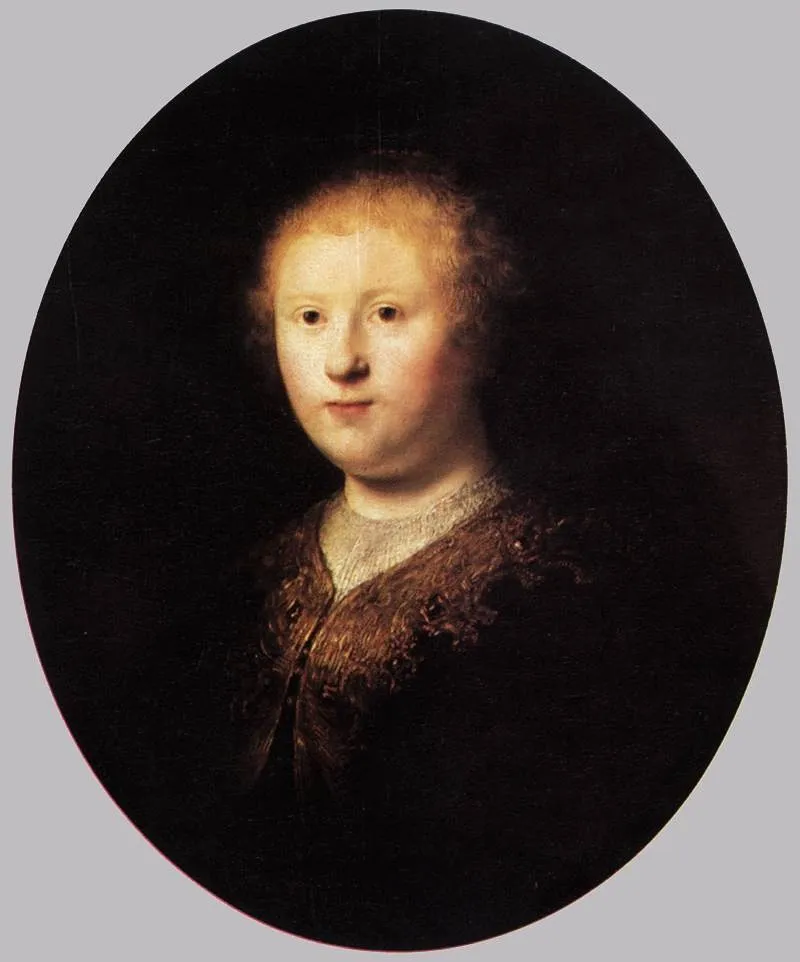
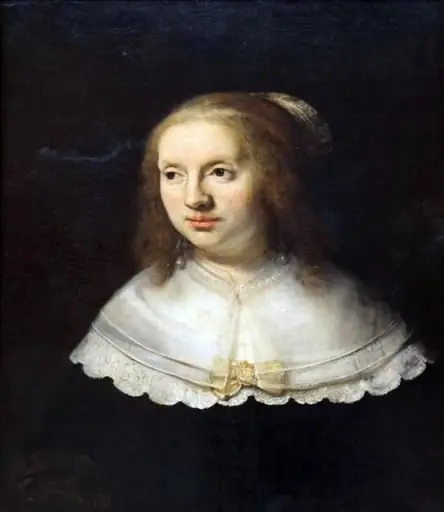
Portrait of a Young Woman is an oil painting by the Dutch Golden Age artist Rembrandt. It dates from 1632 and is held in the collection of the Pinacoteca di Brera.
About this work
Overview
Painted in 1632 by Rembrandt van Rijn, this oil portrait captures a young woman in a moment of quiet stillness. Executed during the height of the Dutch Golden Age, the work reflects Rembrandt’s growing mastery in rendering human presence through subtle light and shadow. The painting is part of the Pinacoteca di Brera’s collection in Milan, where it has been held since the early 19th century.
Subject & Meaning
The sitter, unidentified, gazes downward with a composed, inward focus, suggesting contemplation rather than performance.
The sitter, unidentified, gazes downward with a composed, inward focus, suggesting contemplation rather than performance. Her modest attire and restrained posture convey dignity without ostentation. The absence of narrative context or symbolic objects shifts attention entirely to her psychological presence, inviting viewers to consider the inner life of an ordinary individual—a hallmark of Rembrandt’s portraiture.
Technique & Style
Rembrandt employs chiaroscuro to model the woman’s face and lace collar with soft gradations of light, emerging from a deep, unbroken shadow. The brushwork varies—delicate strokes define the lace, while broader, looser touches suggest the texture of her dress. The dark background isolates her form, enhancing the three-dimensionality of her features and reinforcing the painting’s intimate, meditative tone.
History & Provenance
The painting entered the Pinacoteca di Brera in the early 1800s, following the Napoleonic suppression of religious institutions in northern Italy. Its earlier ownership is undocumented, but its style and date align with Rembrandt’s Amsterdam period, when he received numerous commissions from the city’s merchant class. It has remained in the Brera’s care since its acquisition.
Context
Created during a time when Dutch portraiture emphasized individuality over idealization, this work reflects broader cultural values of introspection and personal dignity. Unlike aristocratic portraits elsewhere in Europe, Rembrandt’s subjects are rendered with psychological realism, often without overt signs of status—highlighting the rising influence of middle-class identity in 17th-century Holland.
Legacy
Though not among Rembrandt’s most famous portraits, this painting exemplifies his ability to convey depth through minimal means. Its quiet intensity influenced later artists seeking emotional authenticity over theatricality. Today, it stands as a quiet testament to the power of understated observation in portraiture.
Artist & collection
Artist
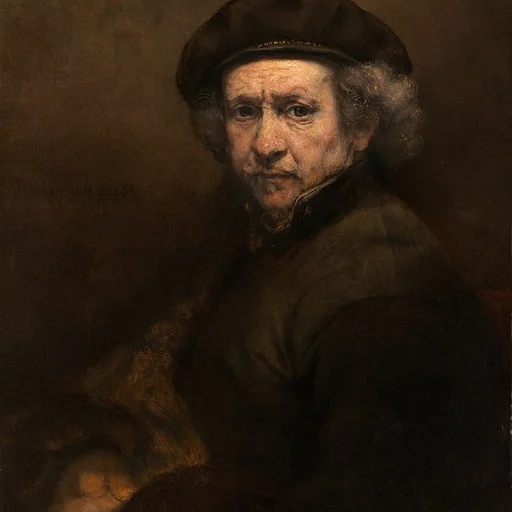
Rembrandt Harmenszoon van Rijn (15 July 1606 – 4 October 1669), known mononymously as Rembrandt, was a Dutch Golden Age painter, printmaker, and draughtsman.

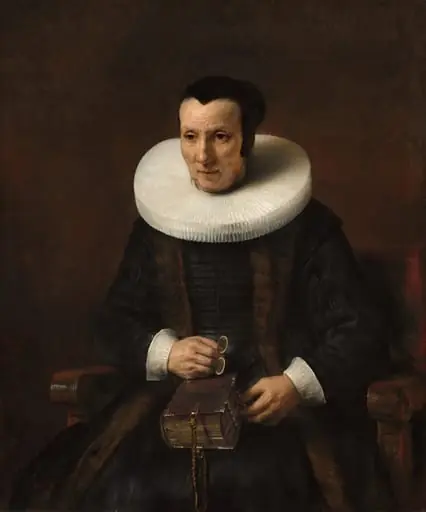
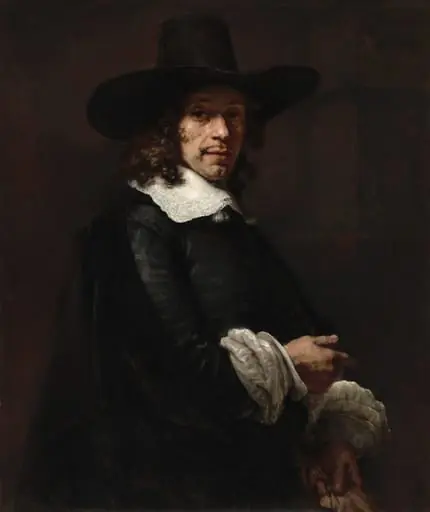
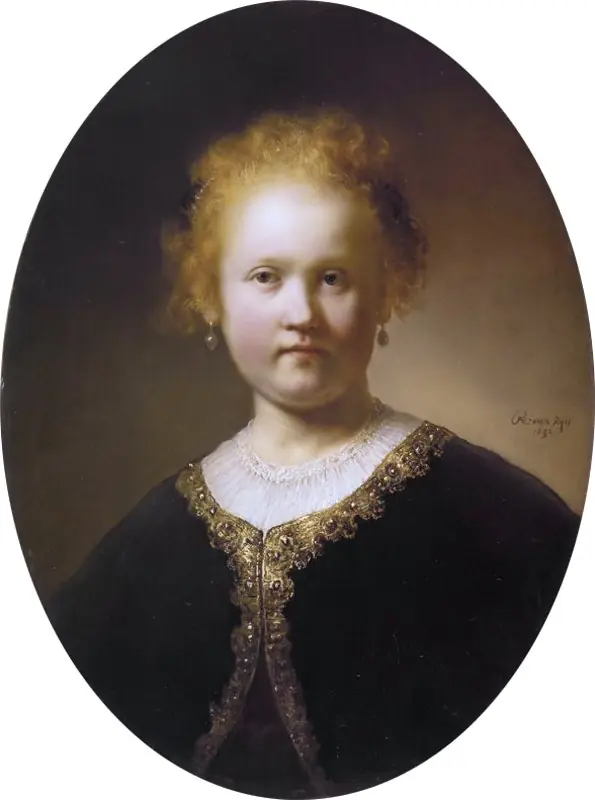 Young Girl in a Gold-Trimmed Cloak
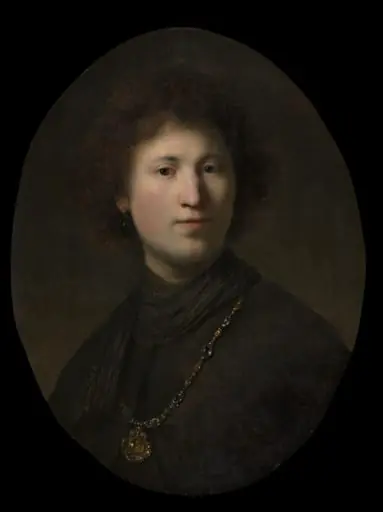 A Young Man with a Chain
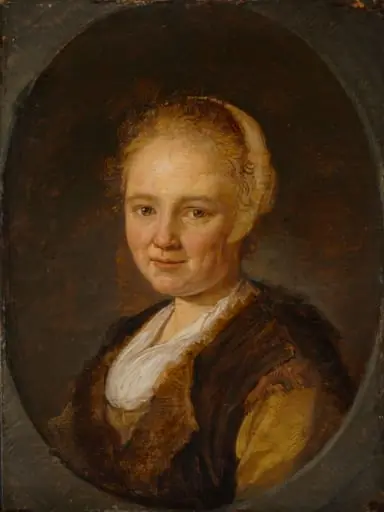 A Young Woman
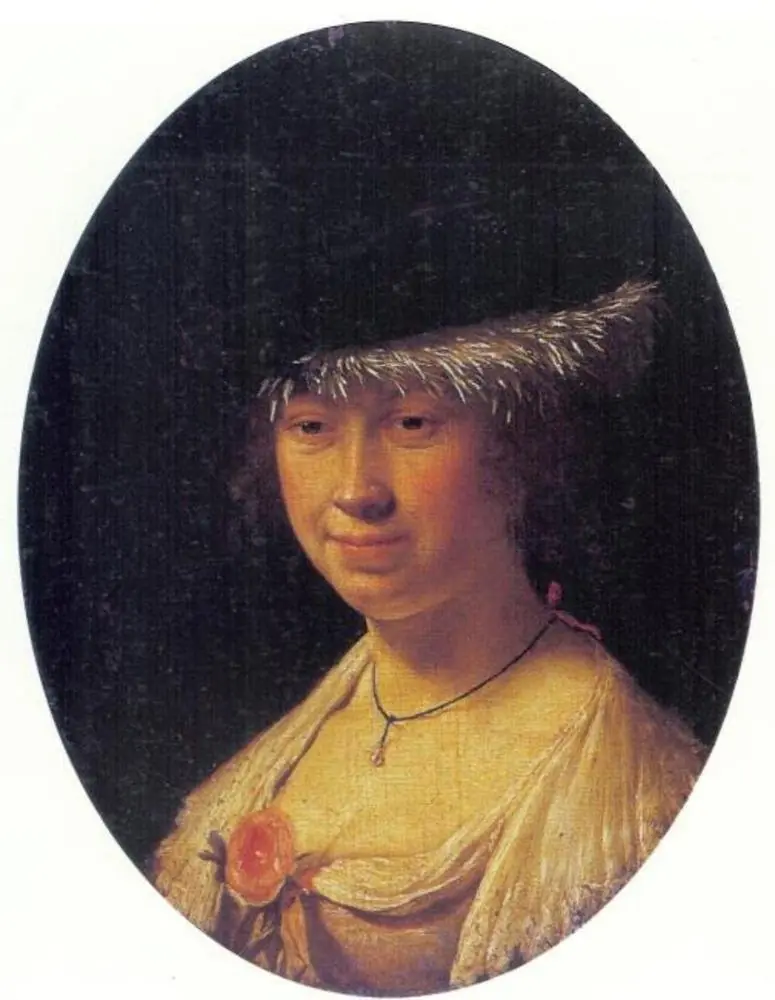 Portrait of a Young Lady
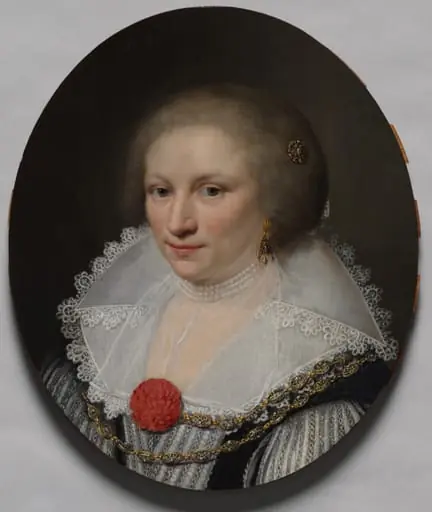 Portrait of a Woman
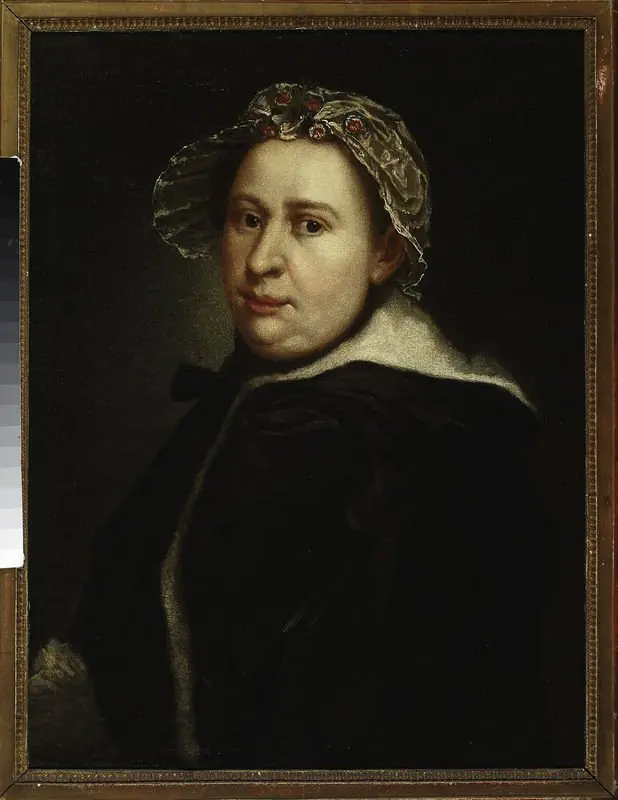 Portrait of Zuzanna Poltz née Link, wife of Daniel – court painter of Augustus III
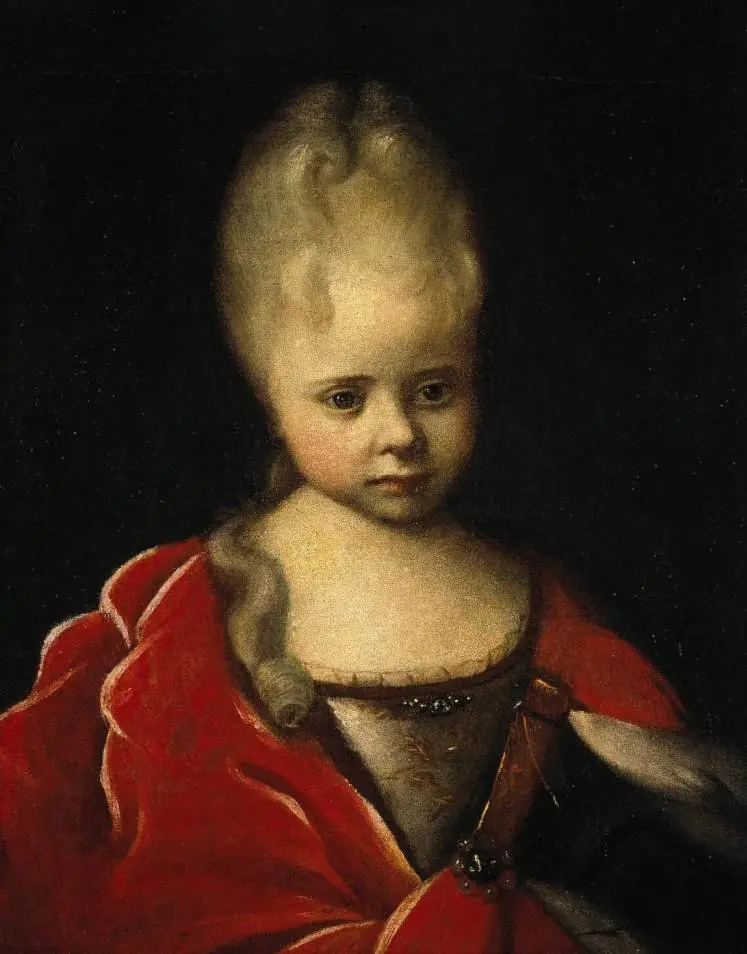 Portrait of Grand Duchess Yelizaveta Petrovna as a Child
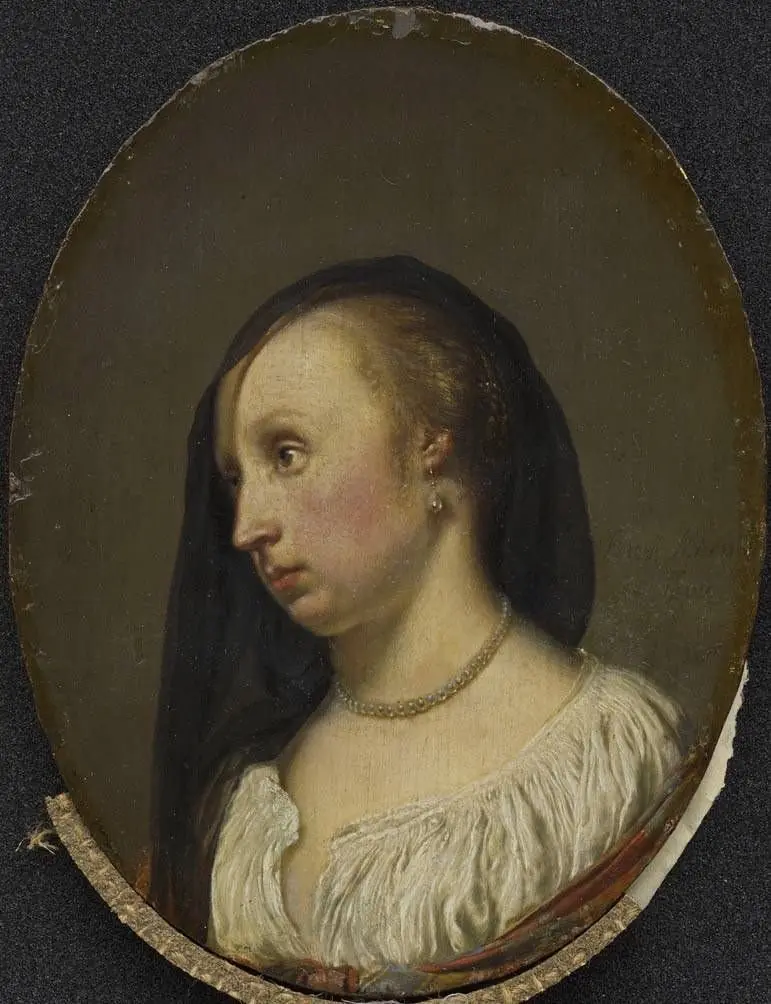 Portrait of the Wife of the Artist, Cunera van der Cock
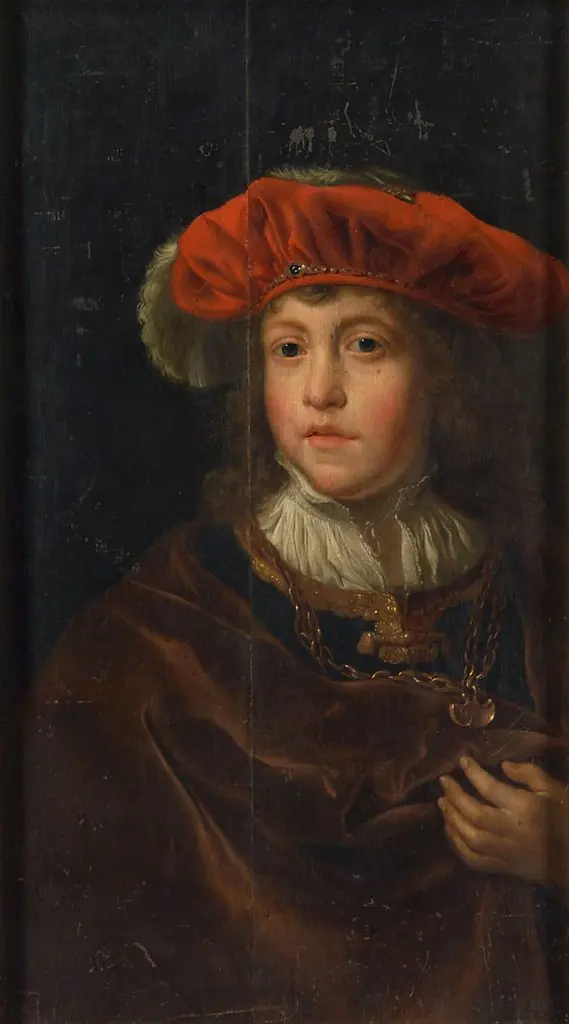 Knabe mit rotem Barett und Goldkette
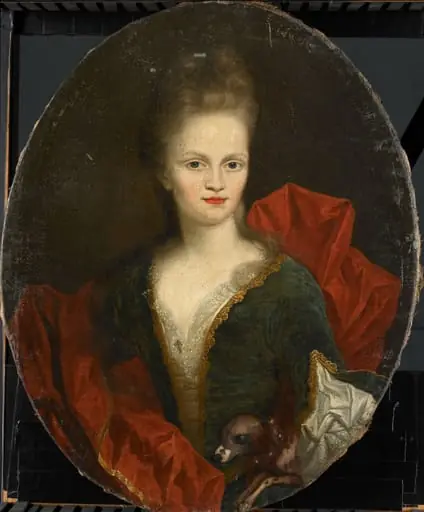 Anna Margaretha van Petcum (1676-1745), Wife of Johan Arnold Zoutman
 Portret de femeie
 Portræt af hertuginde Antoinette Amalie af Braunschweig-Wolfenbüttel