Artwork
The Presentation in the Temple: Oblong Print
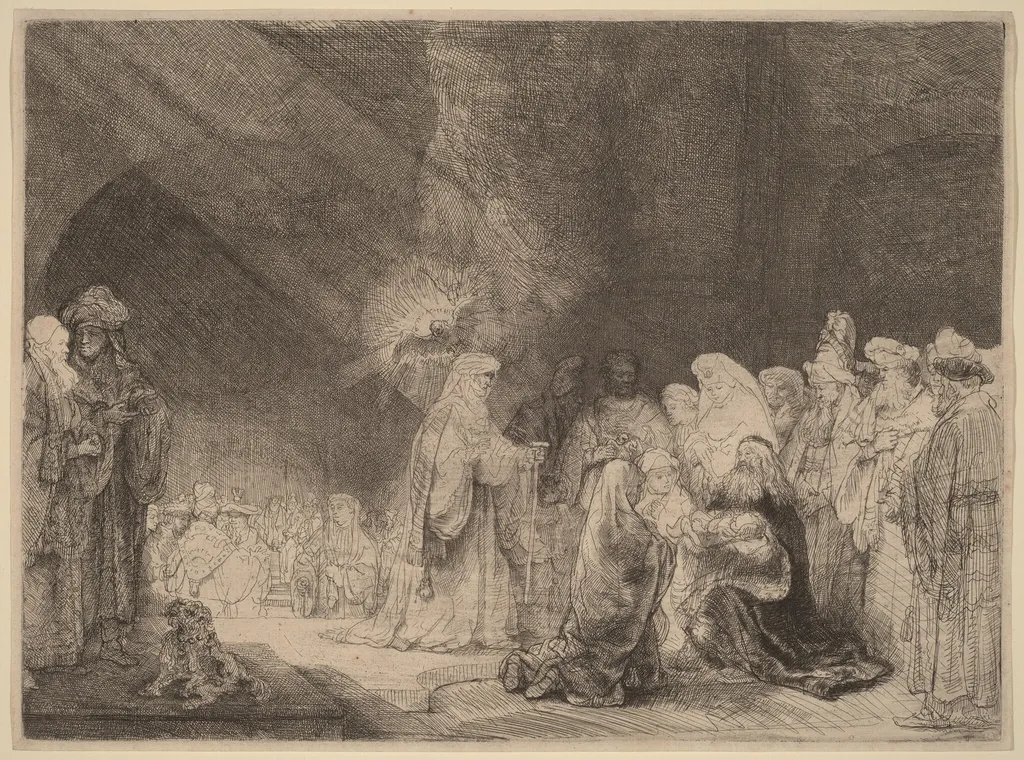
The Presentation in the Temple: Oblong Print is an ink print by the Baroque artist Rembrandt. It dates from 1639 and is held in the collection of the National Gallery of Art.
About this work
Overview
Its vertical format and intimate scale invite close viewing, drawing attention to the interplay of light and shadow across a dense assembly of figures.
Created around 1639, this oblong print by Rembrandt van Rijn depicts the biblical moment of Mary and Joseph presenting the infant Jesus at the Temple in Jerusalem. Executed in etching and drypoint, the work is rendered entirely in black and white, emphasizing tonal contrasts over color. Its vertical format and intimate scale invite close viewing, drawing attention to the interplay of light and shadow across a dense assembly of figures.
Subject & Meaning
The scene illustrates the ritual purification of Mary and the offering of the firstborn son, as described in the Gospel of Luke. Central to the composition is the kneeling woman holding the child, surrounded by witnesses including the prophet Simeon. The candle held by a figure on the right illuminates faces and gestures, symbolizing divine revelation amid human ceremony. The quiet intensity of the moment reflects themes of devotion, prophecy, and humility.
Technique & Style
Rembrandt employed etching to incise fine lines into a copper plate and drypoint to scratch deeper, richer grooves that hold more ink. This combination allowed him to achieve dramatic chiaroscuro: deep blacks emerge from velvety shadows, while the candle’s glow is suggested by sparse, radiant lines. The texture of garments, hair, and stone is rendered with varying line weights, creating a tactile sense of space and volume without color or tone gradation.
History & Provenance
The print was made during Rembrandt’s most prolific period in Amsterdam, when he was experimenting with printmaking as a personal artistic language. It circulated among collectors and fellow artists, influencing later generations of printmakers. While no single early ownership record is definitive, surviving impressions are held in major museum collections, including the Rijksmuseum and the British Museum, attesting to its enduring presence in print history.
Context
In late 1630s Amsterdam, Rembrandt was deeply engaged with biblical narratives, often portraying them with psychological depth rather than idealized grandeur. This print aligns with his interest in intimate, emotionally resonant scenes drawn from scripture. Unlike contemporaries who favored clarity and order, Rembrandt embraced ambiguity and atmospheric tension, reflecting broader shifts in Dutch visual culture toward introspection and realism.
Legacy
The print became a reference point for artists studying light, composition, and emotional nuance in printmaking. Its technical innovations—particularly the expressive use of drypoint burr—were studied and emulated by later etchers. Though not widely reproduced in its time, its influence endured in the development of expressive black-and-white imagery, cementing Rembrandt’s reputation as a transformative figure in the history of the medium.
Own this work as a print
Artist & collection
Artist
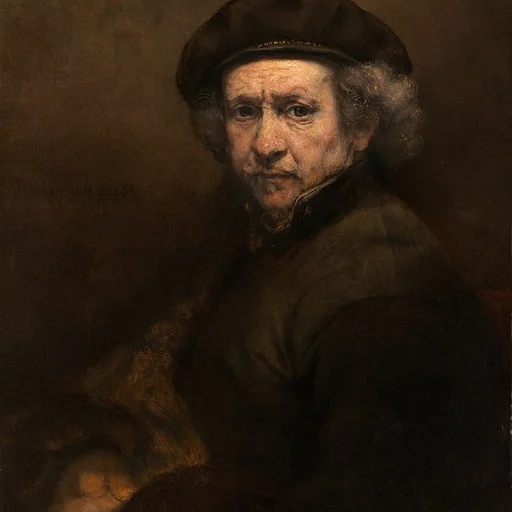
Rembrandt Harmenszoon van Rijn (15 July 1606 – 4 October 1669), known mononymously as Rembrandt, was a Dutch Golden Age painter, printmaker, and draughtsman.

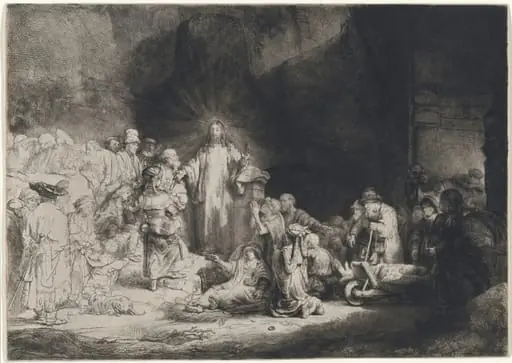 Christ Preaching (The Hundred Guilder Print)
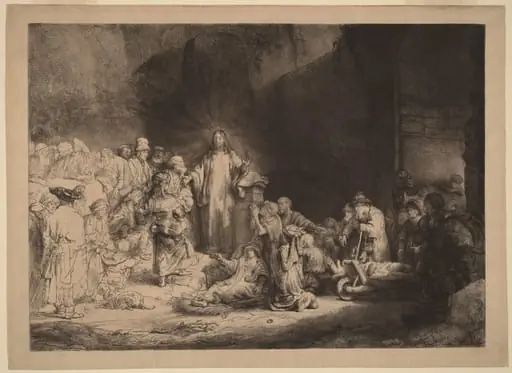 Christ Preaching (The Hundred Guilder Print)
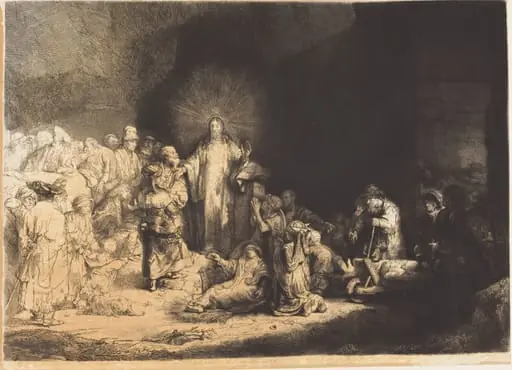 Christ Preaching (The Hundred Guilder Print)
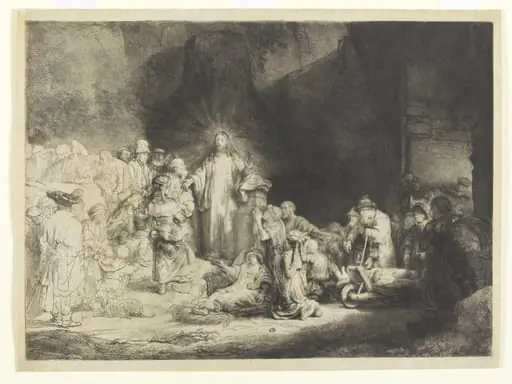 Christ healing the sick: 'The hundred guilder print'
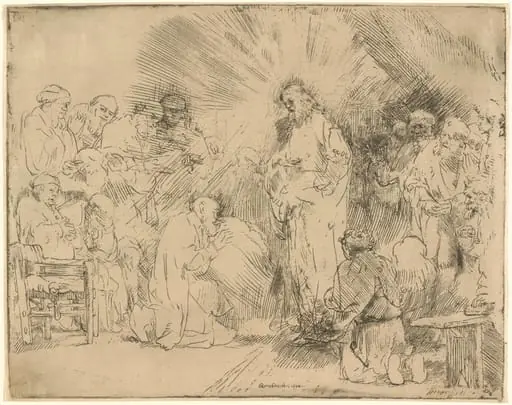 Christ Appearing to the Apostles
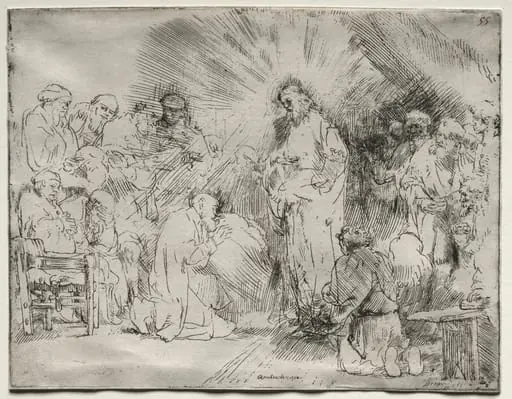 Christ Appearing to the Apostles
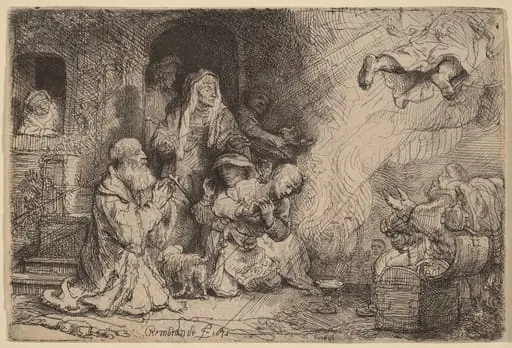 The Angel Departing from the Family of Tobias
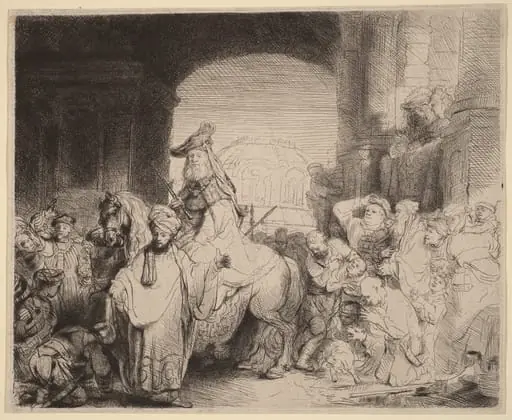 The Triumph of Mordecai
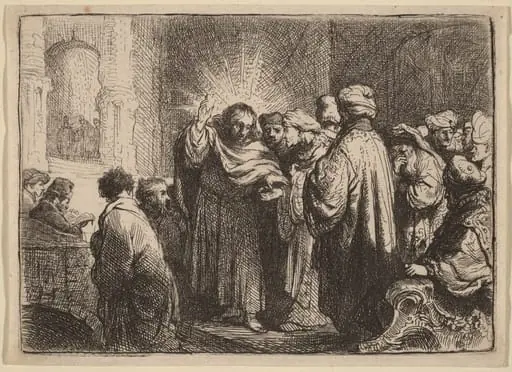 The Tribute Money
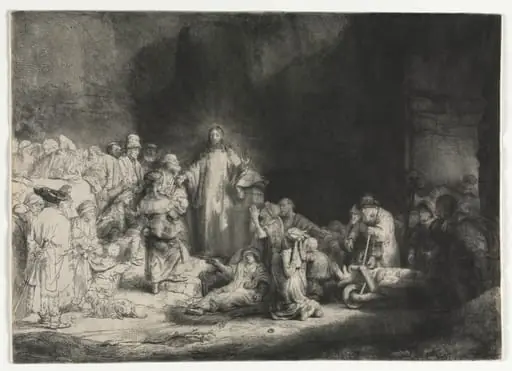 The Hundred Guilder Print
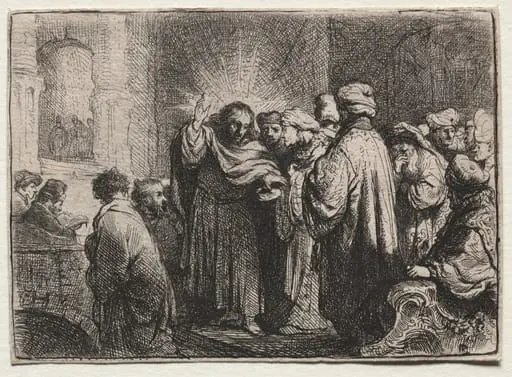 The Tribute Money
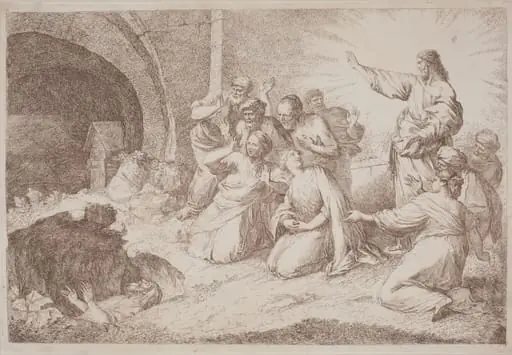 The Raising of Lazarus