Artwork
The Raising of Lazarus
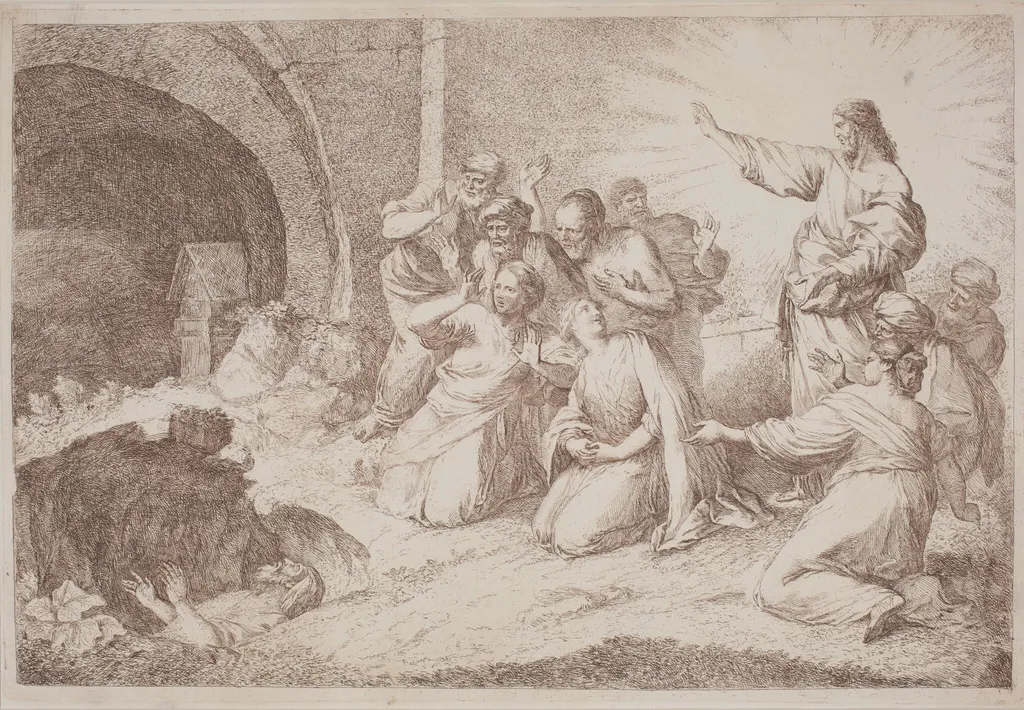
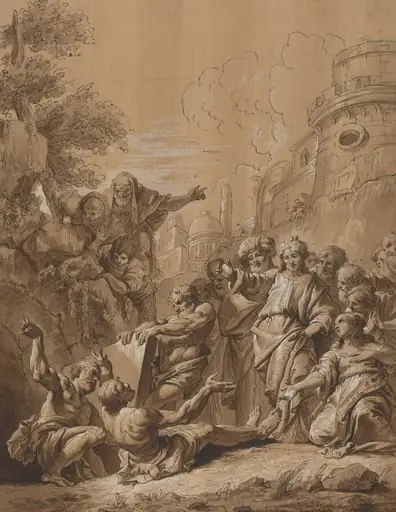
The Raising of Lazarus is an ink print by the Baroque artist Gaetano Zompini. It dates from 1758 and is held in the collection of the National Gallery of Art.
About this work
Overview
Gaetano Zompini’s 1758 print, titled *The Raising of Lazarus*, is executed as an etching in sanguine on laid paper. The composition captures a tense moment surrounding an open tomb, populated by a small crowd whose gestures convey shock, anticipation, and reverence. The work’s limited palette of reddish-brown tones and its stark contrasts give the scene a somber, urgent atmosphere.
Subject & Meaning
The image portrays the biblical episode in which Lazarus is called forth from death. A kneeling figure leans over the opened grave, while another individual stands upright with arms extended, suggesting a plea or proclamation. Surrounding onlookers react with a mixture of awe and anxiety, some shielding their faces, underscoring the dramatic tension between life, death, and divine intervention.
Technique & Style
Zompini employed the etching process, incising lines into a metal plate before printing onto laid paper. The sanguine medium—an iron-oxide pigment—produces a warm, blood‑like hue that enhances the emotional intensity. Rough, layered strokes and varied hatching create depth and chiaroscuro, while the irregular, scratch‑like lines convey immediacy, characteristic of mid‑18th‑century printmaking.
History & Provenance
Created in 1758, the work reflects Zompini’s engagement with religious narratives during the late Baroque period. Though specific ownership records are scarce, the print has been catalogued in several European collections of 18th‑century graphic art, indicating its circulation among collectors interested in devotional imagery and technical experimentation of the era.
Own this work as a print
Artist & collection

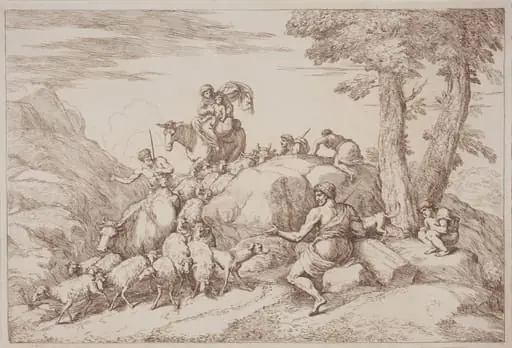 A Pastoral Journey with a Mother and Child on Horesback and an Elderly Shepherd Seated
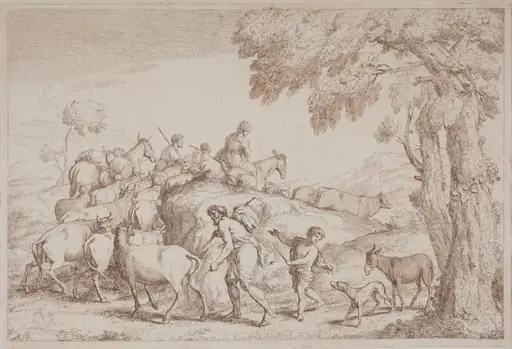 An Elderly Shepherd Seen from Behind
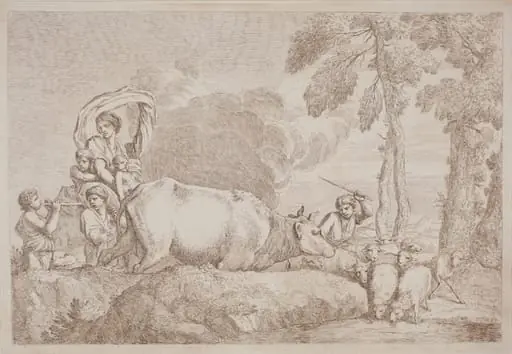 A Woman with Two Children on Horseback
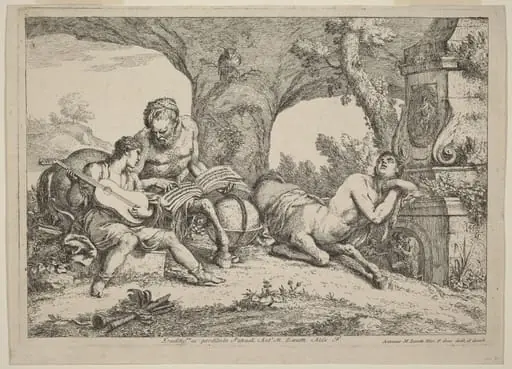 Chiron Teaching Music to Achilles
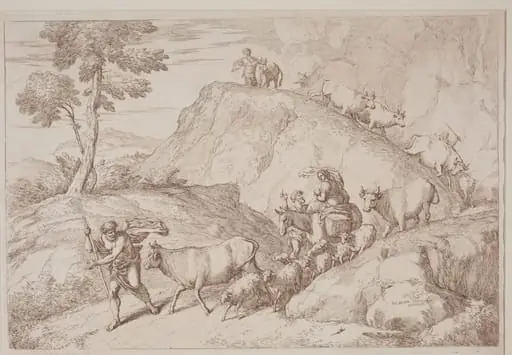 An Elderly Shepherd Leading the Flock
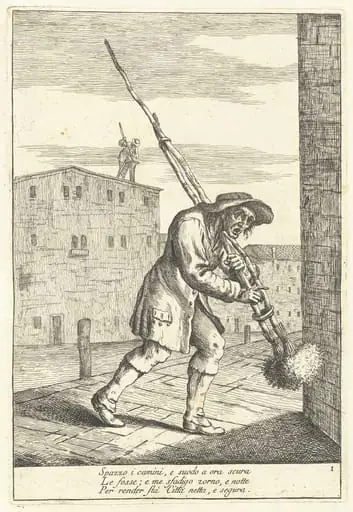 Scoa Camin (Chimney Sweep)
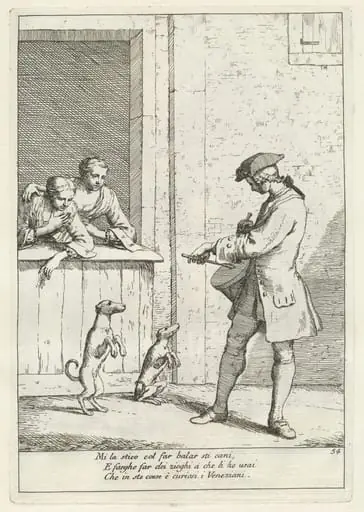 Marcer (Draper)
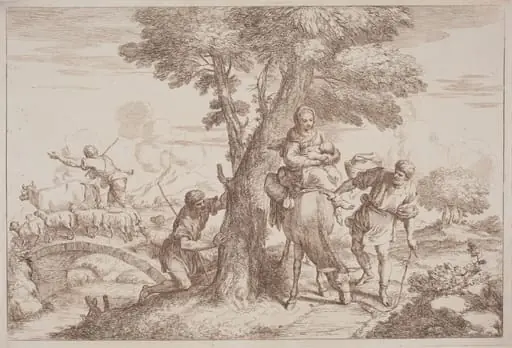 The Flight into Egypt with a Shepherd Watching from Behind a Tree
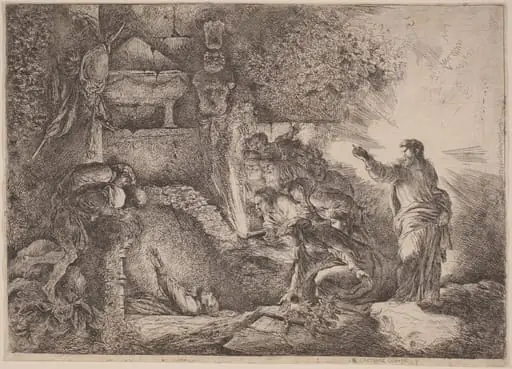 The Resurrection of Lazarus
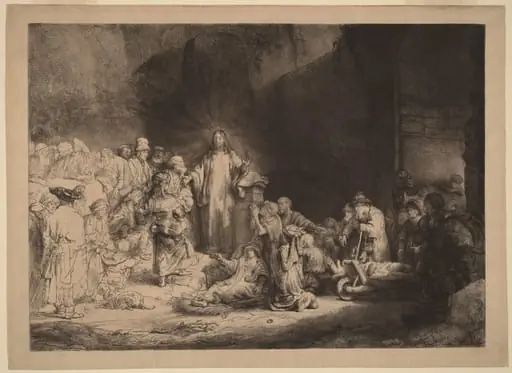 Christ Preaching (The Hundred Guilder Print)
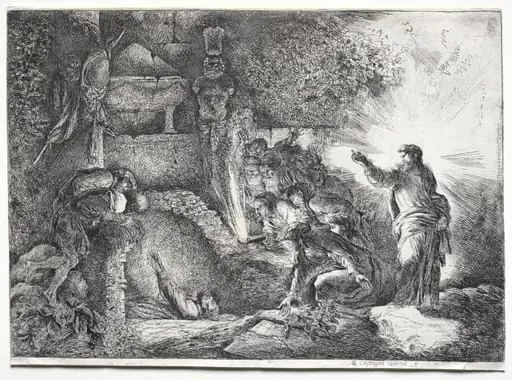 The Resurrection of Lazarus
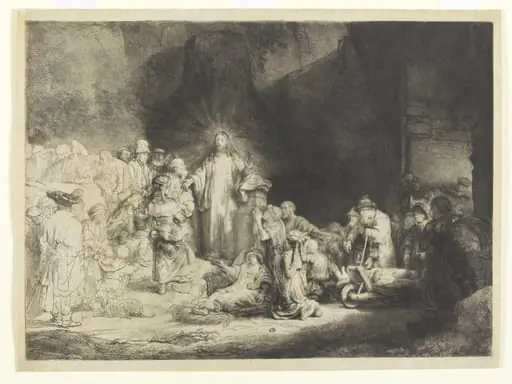 Christ healing the sick: 'The hundred guilder print'
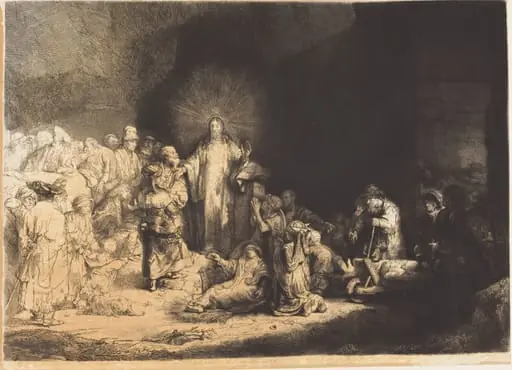 Christ Preaching (The Hundred Guilder Print)
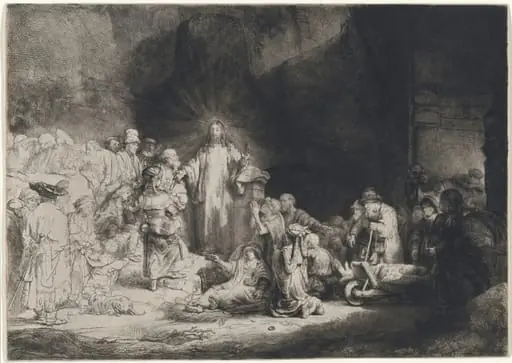 Christ Preaching (The Hundred Guilder Print)
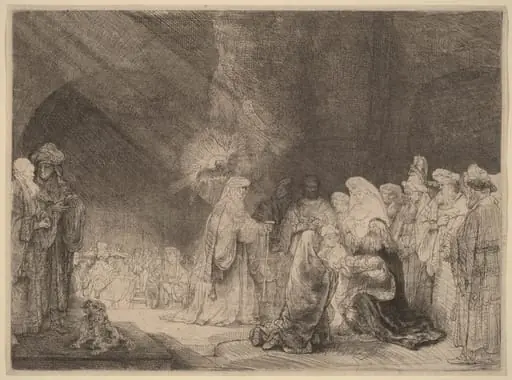 The Presentation in the Temple: Oblong Print
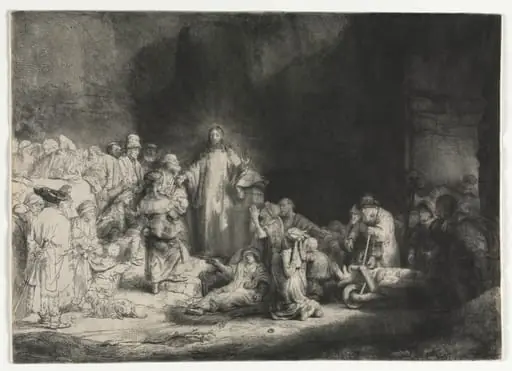 The Hundred Guilder Print
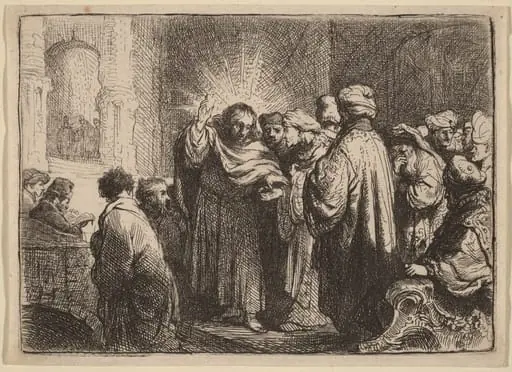 The Tribute Money
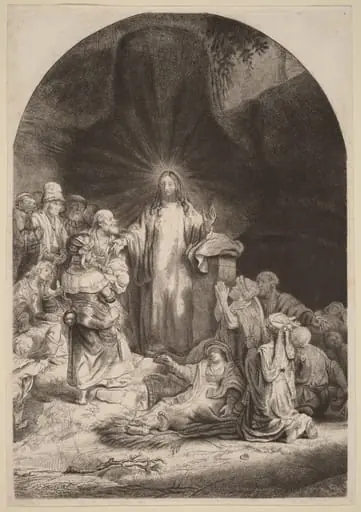 Christ Preaching and Healing (Fragment from the Hundred Guilder Print)
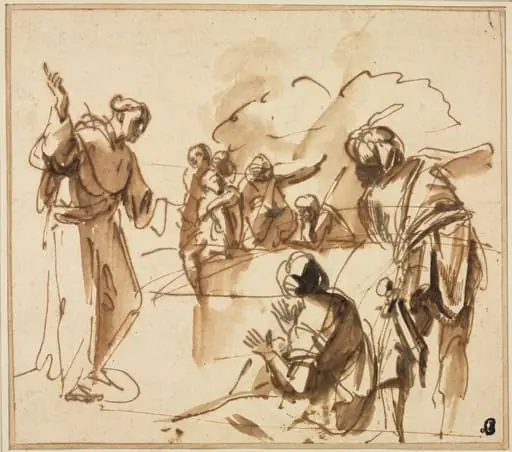 A Monk Preaching
 The Raising of Lazarus