Artwork
Coving, the Nef of Louis XIV
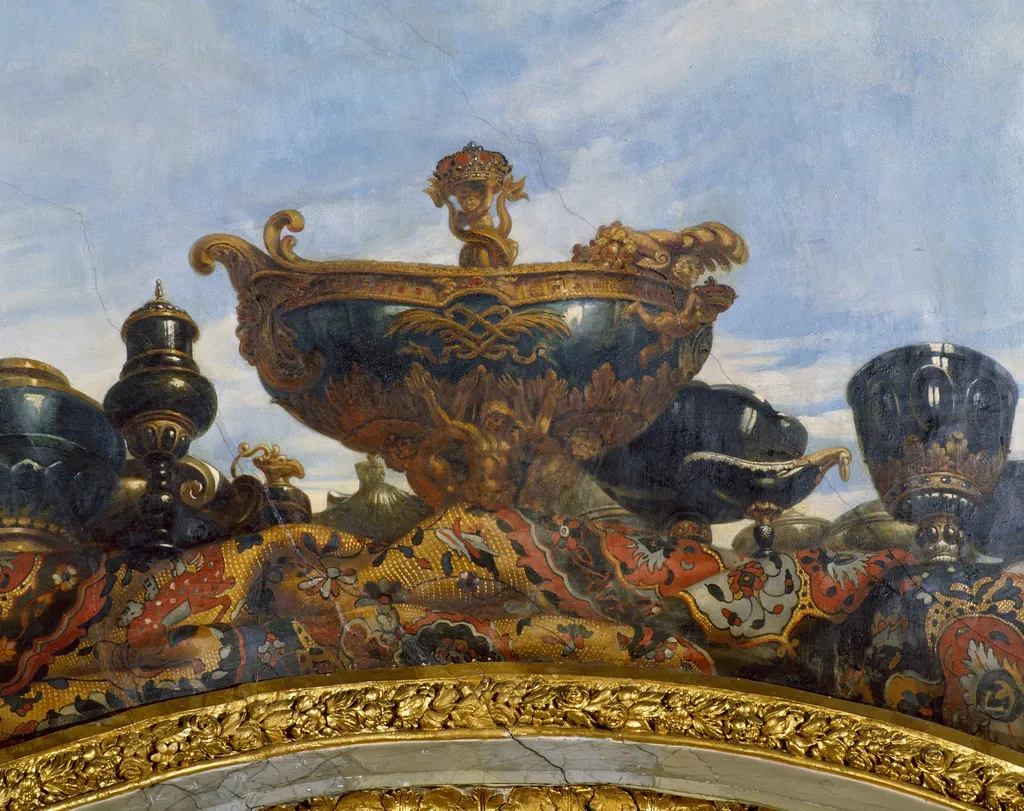
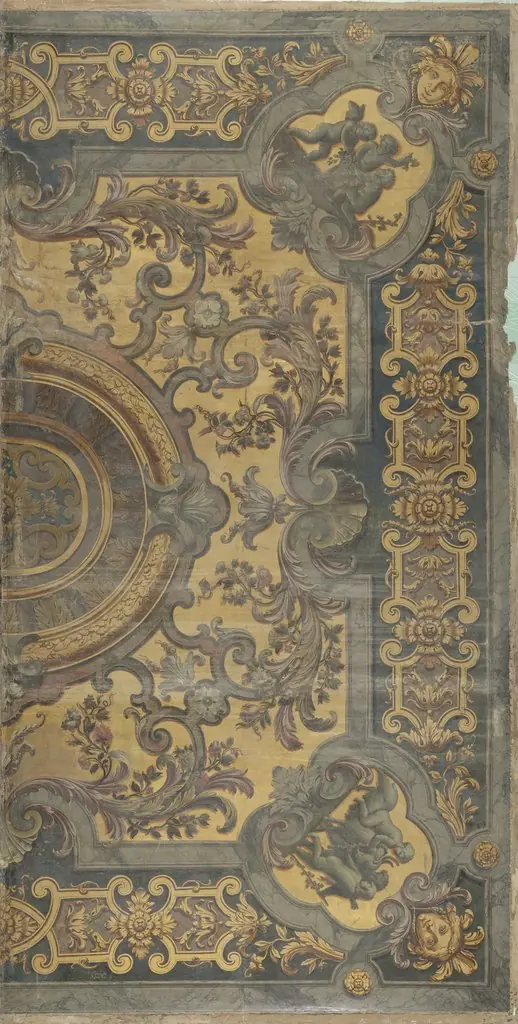
Coving, the Nef of Louis XIV is an unspecified painting by the French Classical Baroque artist René-Antoine Houasse. It dates from 1692 and is held in the collection of the Palace of Versailles.
About this work
Overview
Though often described as a painting, the piece is a modeled relief in plaster, designed to mimic the appearance of painted decoration.
Created in 1692 by René-Antoine Houasse, this plaster work was part of the interior decoration program at the Palace of Versailles during the reign of Louis XIV. Though often described as a painting, the piece is a modeled relief in plaster, designed to mimic the appearance of painted decoration. It was integrated into architectural surfaces, contributing to the palace’s unified aesthetic under the direction of Charles Le Brun.
Subject & Meaning
The composition centers on a large, gilded vessel resembling a ceremonial nave or nef, a type of ornamental ship-shaped container used in royal table settings. Surrounded by urns and vases, the arrangement evokes themes of abundance and imperial grandeur. The motif aligns with the Sun King’s propaganda, linking his court to classical antiquity and divine authority through symbolic objects of luxury and ritual.
Technique & Style
Houasse employed high-relief plaster modeling to achieve intricate surface detail, mimicking the luminosity of metalwork through subtle modeling and gilded accents. The background, rendered in soft blue with cloud-like forms, creates a sense of atmospheric depth. The style reflects French Classical Baroque principles: symmetry, controlled ornamentation, and a focus on material illusion, all hallmarks of Le Brun’s academic approach.
History & Provenance
Commissioned for Versailles in 1692, the work was part of a broader campaign to embellish royal apartments with allegorical and decorative schemes. Houasse, then a senior painter in the royal atelier, had not yet assumed his later role as director of the French Academy in Rome. The piece remained in situ at Versailles, documented in royal inventories, and is understood to have been integrated into a ceiling or wall panel system.
Context
This work emerged during a period when Louis XIV’s court demanded visual unity across architecture, furniture, and decorative arts. The use of mythological and ceremonial motifs in plaster relief was common in Versailles, serving to reinforce the monarchy’s cultural dominance. Houasse’s design fits within a network of artworks intended to convey power through refined, orchestrated ornamentation rather than overt symbolism.
Legacy
Though not widely exhibited today, the piece exemplifies the collaborative, systematized nature of Versailles’ decorative program. Houasse’s role as a skilled executor of Le Brun’s vision highlights how individual artists contributed to state-sponsored aesthetics without individual fame. The work remains a testament to the era’s emphasis on architectural integration and the subordination of art to royal narrative.
Artist & collection
Artist
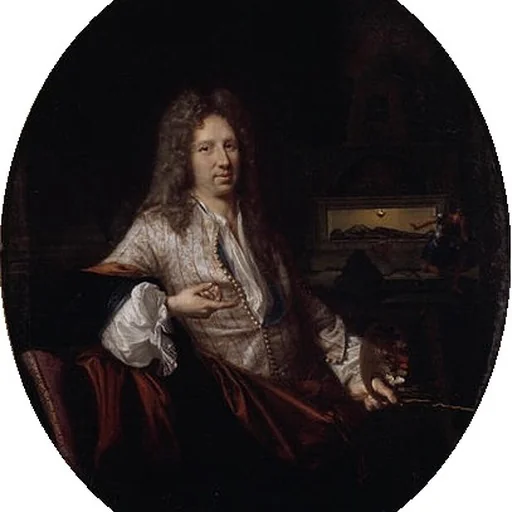
René-Antoine Houasse (c. 1645–1710) was a decorative French painter. He was a pupil of Charles Le Brun, under whose direction he worked at the Manufacture des Gobelins, and with whom he worked on the decoration of the…

 The Birth of Minerva
 Dispute between Minerva and Neptune over the Naming of the City of Athens
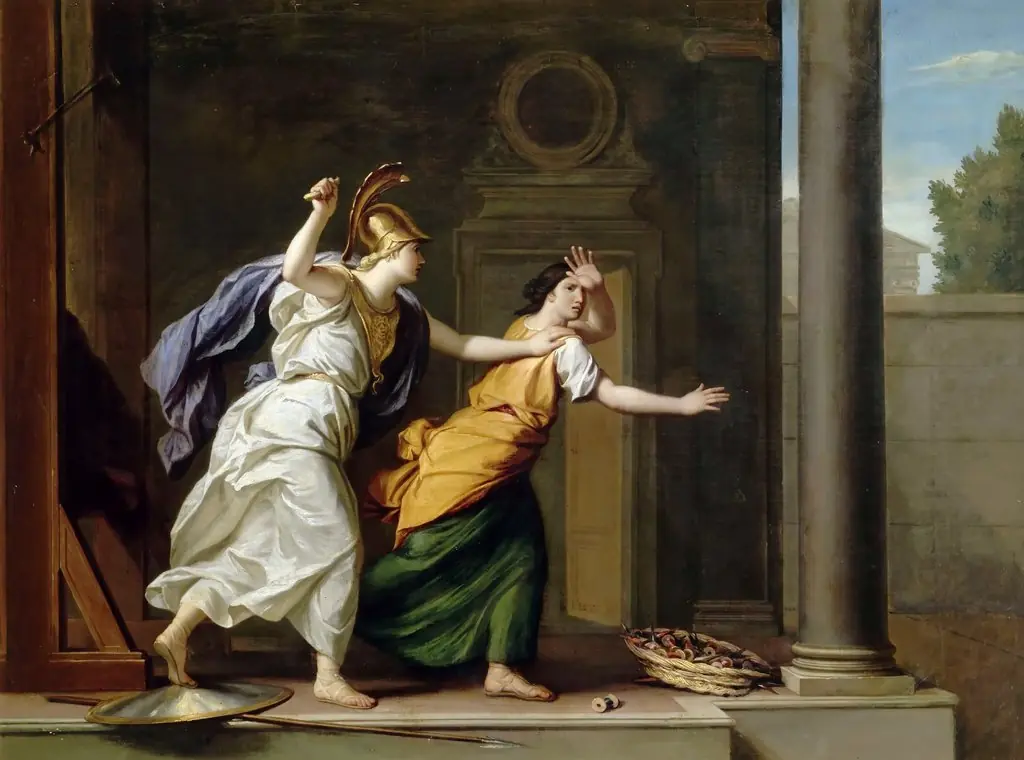 Minerva and Arachne
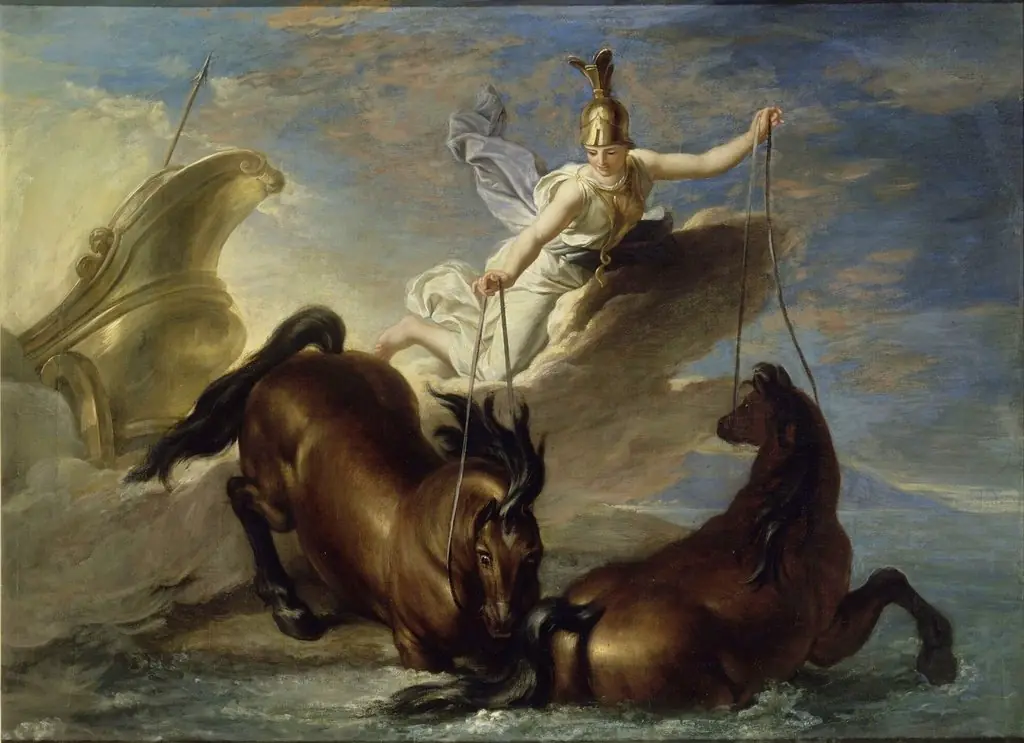 Story of Minerva - Minerva Watering her Horses into the Sea
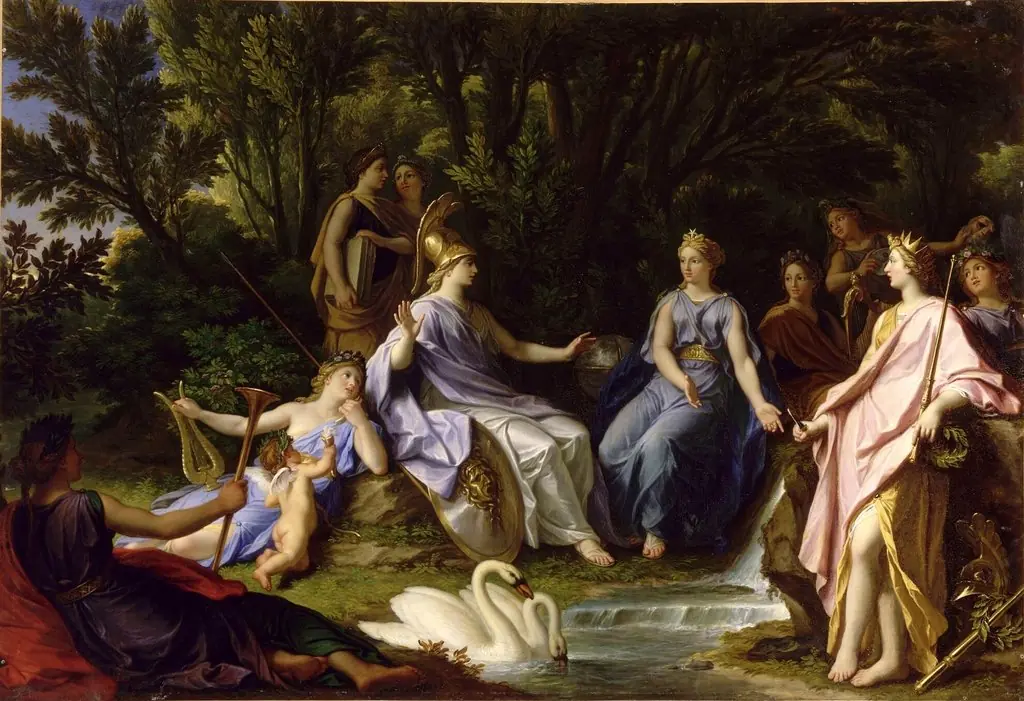 Story of Minerva - The Muses Showing Minerva Hippocrene Waters of the River that Brings Out Pegasus
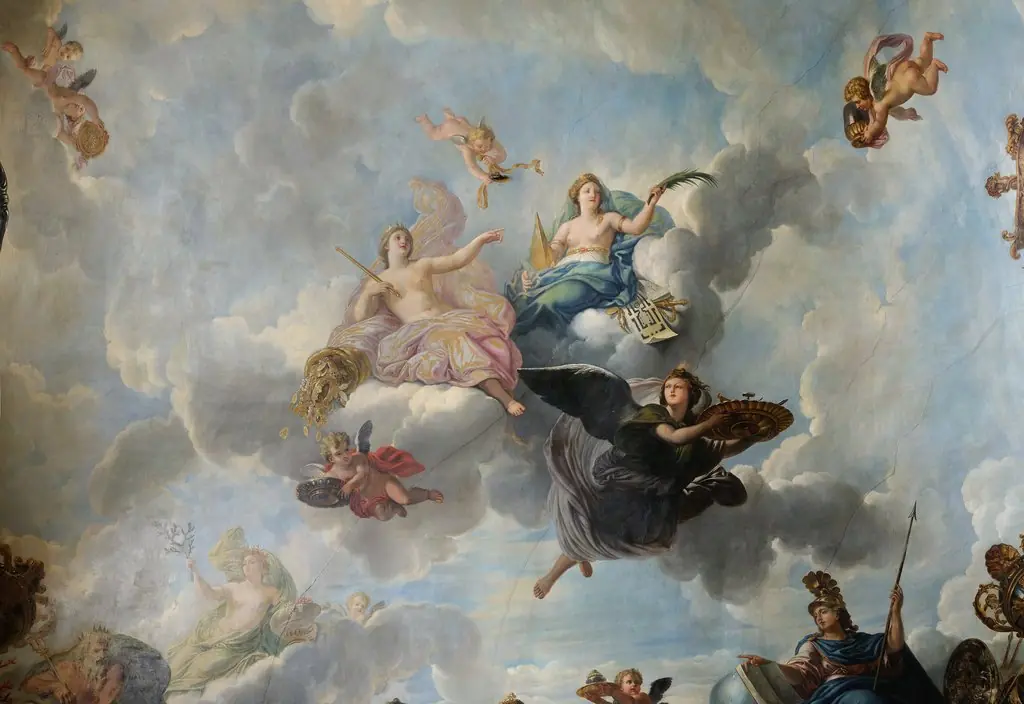 Figure of the Royal Magnificence, Immortality and Progress in the Fine Arts
 Retrato equestre de Luís XIV
 The Opening of the Tomb of Nitocris by Darius (?)
 Jupiter and Hebe
 Amor vor Jupiter und Juno
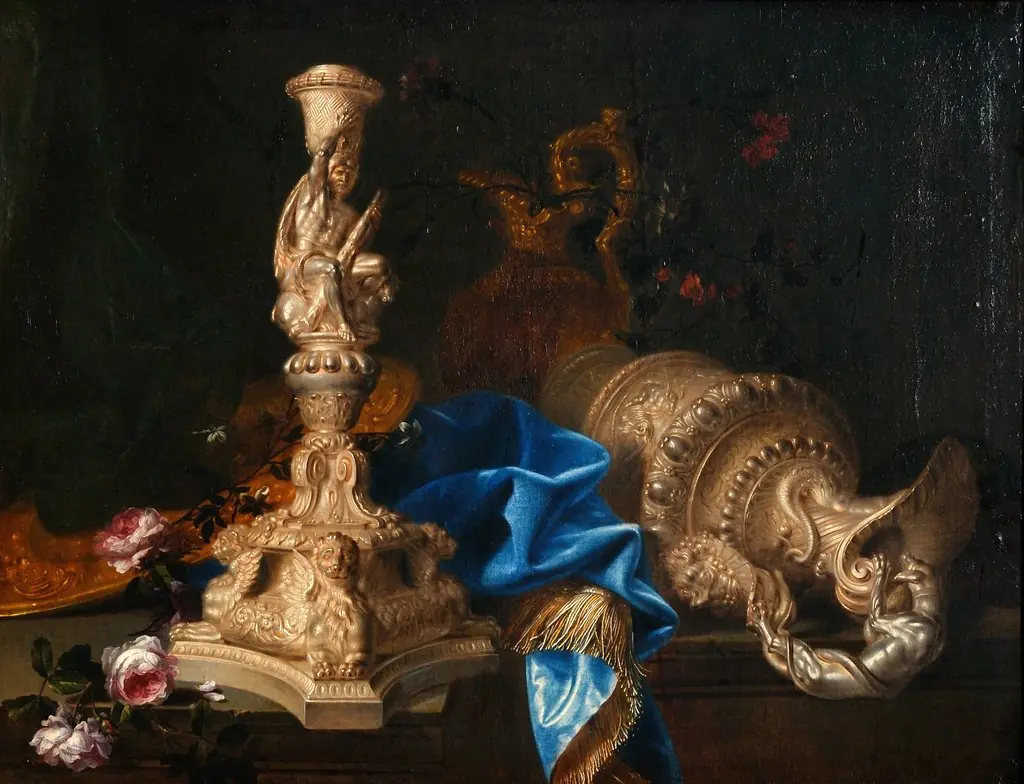 Still life with candlestick of the "Labours of Hercules" series and two ewers
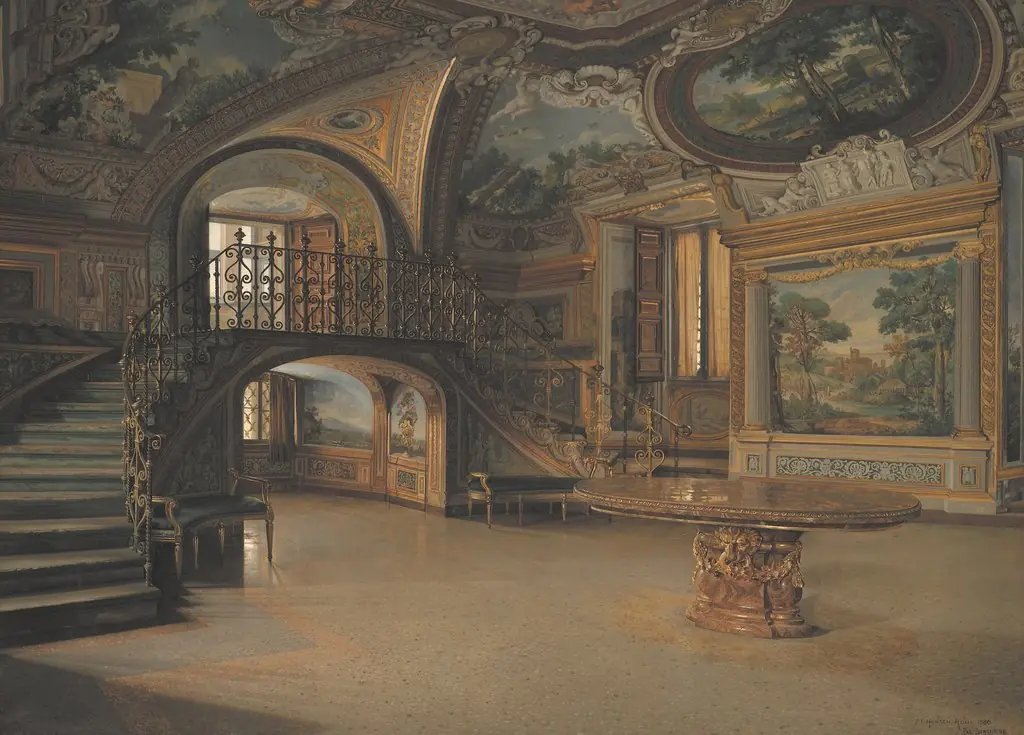 En sal i Palazzo Borghese
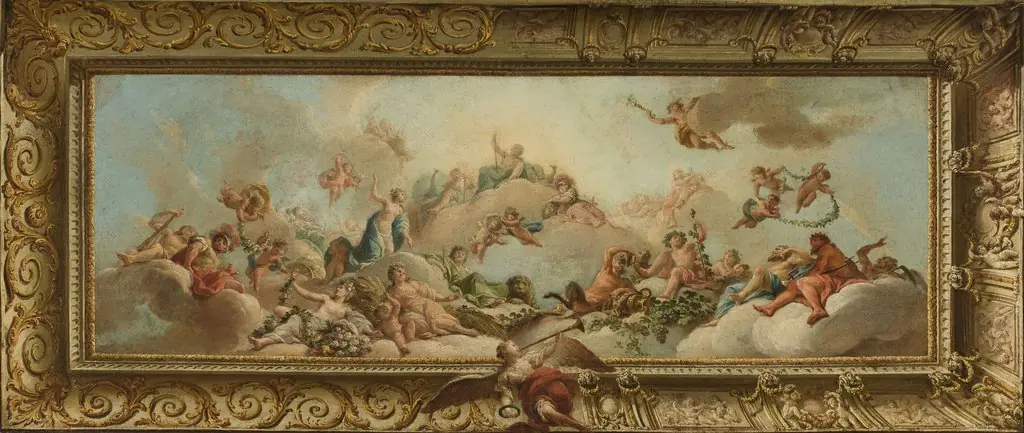 Greeting of Venus at Mount Olympus
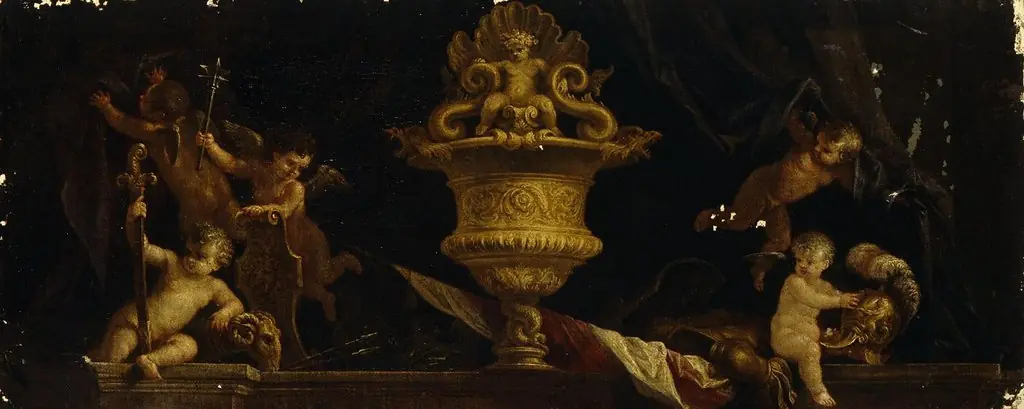 Decorative Panel ''Trophies and Cupids"
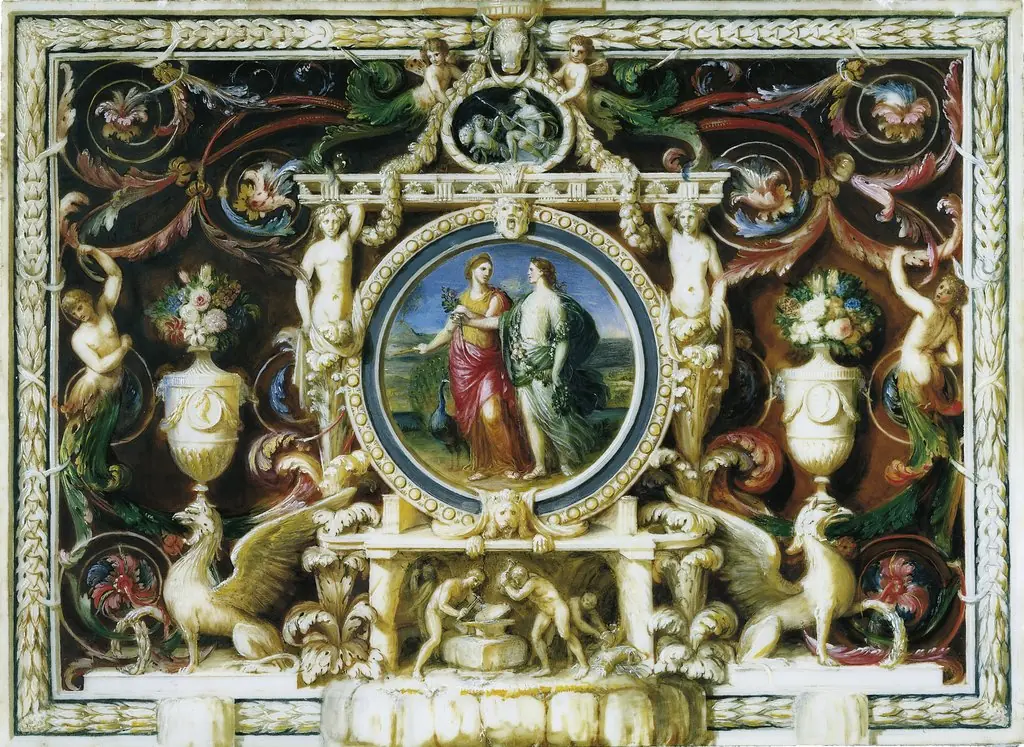 Juno and Flora
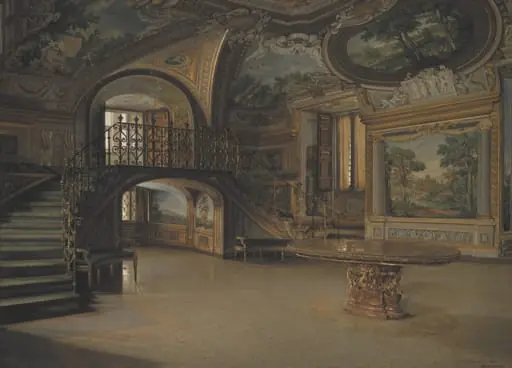 En sal i Palazzo Borghese
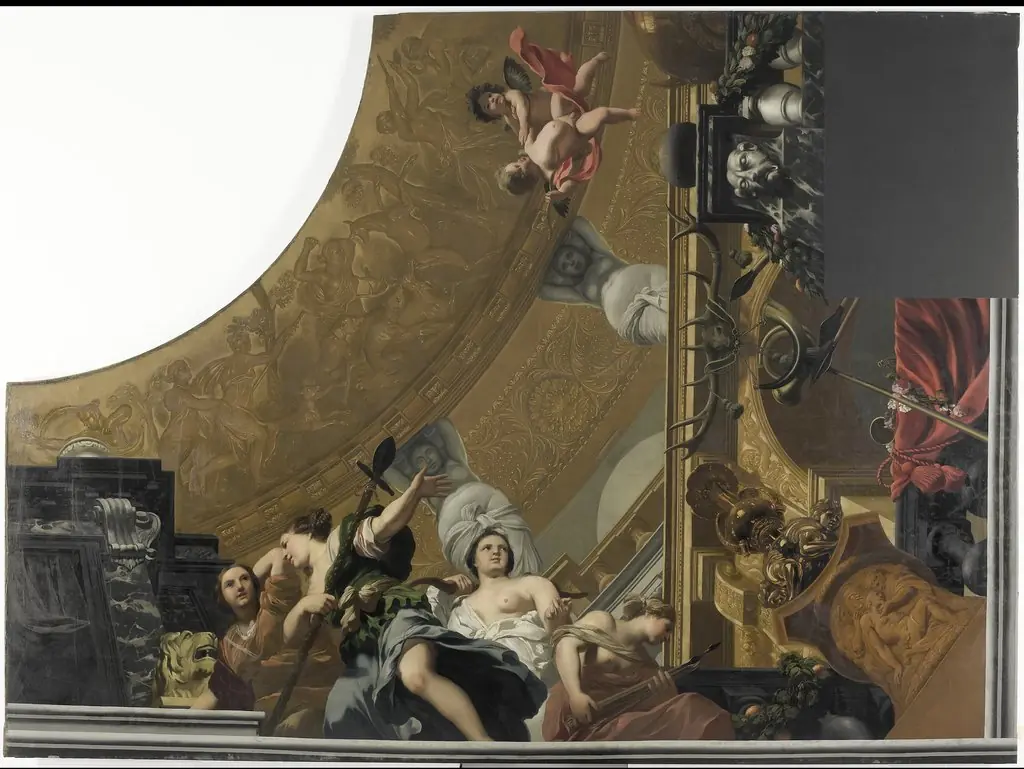 Onderdeel (rechtsonder) van een plafondschildering met als hoofdvoorstelling Diana en haar gezellinnen
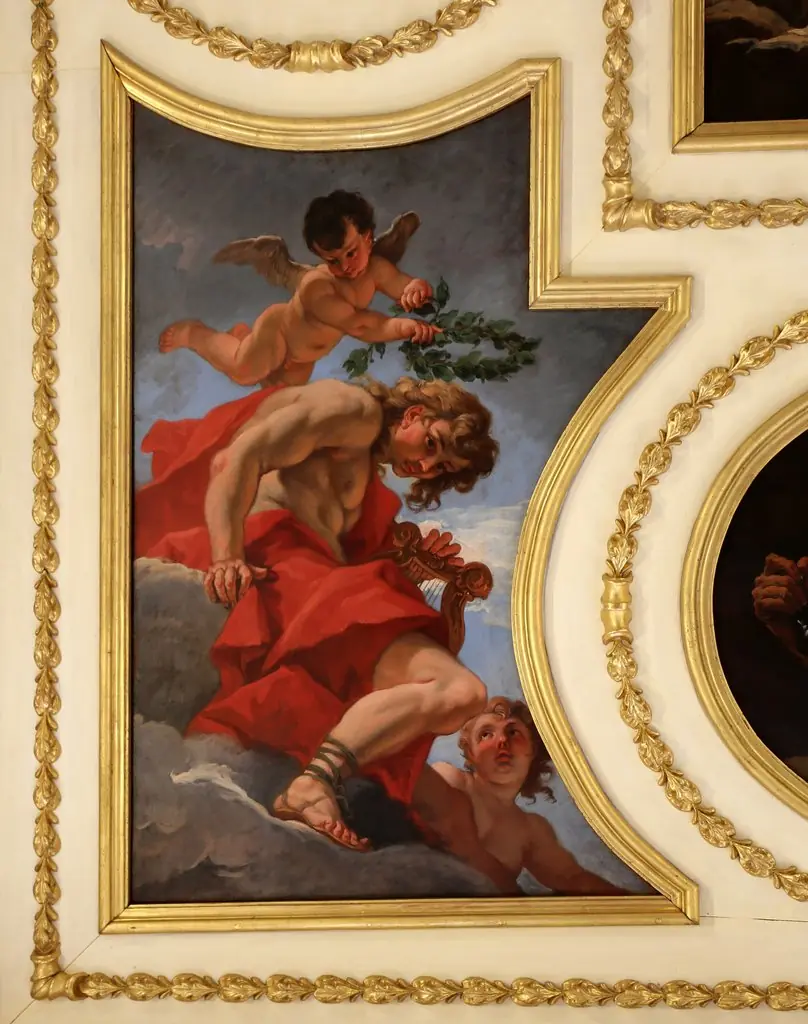 Apollo
 Ornamentale plafondschildering met in de hoeken voorstellingen van putti