Artwork
The Opening of the Tomb of Nitocris by Darius (?)
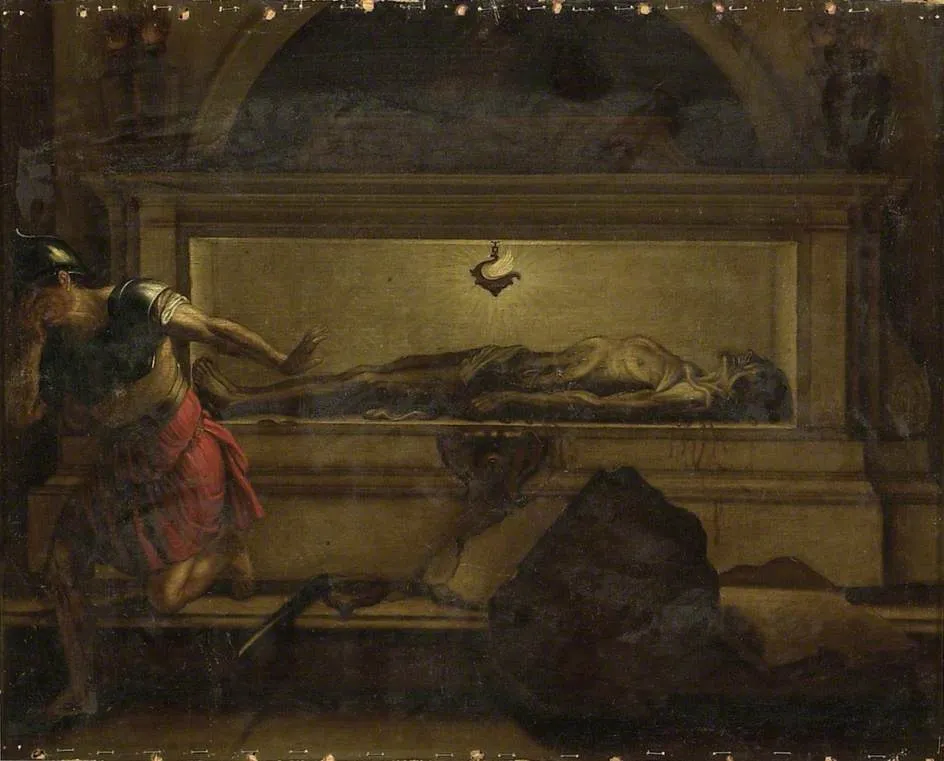
The Opening of the Tomb of Nitocris by Darius (?) is an oil painting by the Rococo painting artist René-Antoine Houasse. It dates from 1687 and is held in the collection of the Ashmolean Museum.
About this work
Overview
The painting was created during Houasse’s tenure under Louis XIV’s court, reflecting the era’s appetite for grand, theatrical narratives drawn from antiquity.
Painted around 1687 by French artist René-Antoine Houasse, this oil work depicts a fictional moment from ancient legend, not historical fact. Though attributed in title to Darius, the central figure’s attire and posture suggest a more mythic interpretation. The painting was created during Houasse’s tenure under Louis XIV’s court, reflecting the era’s appetite for grand, theatrical narratives drawn from antiquity.
Subject & Meaning
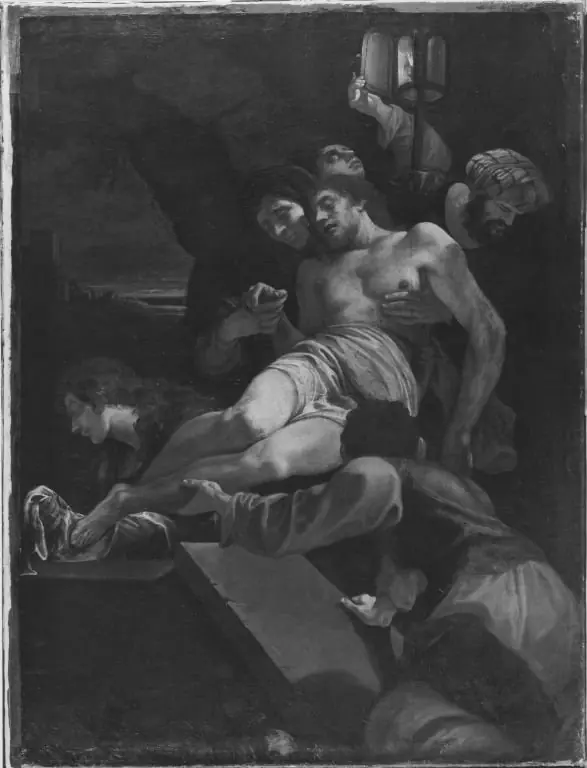
The scene portrays a solitary figure kneeling before a shrouded body in a tomb, his hand extended as if encountering something sacred or forbidden. A bird in flight above the corpse may symbolize the soul’s release or divine intervention. The absence of clear historical markers invites interpretation as an allegory of revelation, possibly invoking themes of mortality, discovery, or the intrusion of the living into the sacred dead.
Technique & Style
Houasse employs chiaroscuro to heighten emotional tension, directing light onto the central figures while plunging the archway and surroundings into deep shadow. The contrast isolates the kneeling man and the covered form, enhancing the scene’s solemnity. The rendering of fabric, stone, and skin shows attention to texture, aligning with the academic tradition of Le Brun while anticipating the dramatic lighting seen in Caravaggisti works.
History & Provenance
Created during Houasse’s service at the French royal court, the painting likely formed part of a larger decorative scheme, though its current provenance is undocumented. Houasse later directed the French Academy in Rome, where exposure to classical ruins and Italian Baroque painting may have influenced this work’s composition and mood. It remains one of fewer known standalone paintings by an artist better known for ceiling frescoes.
Context
In late 17th-century France, mythological and ancient themes were favored in courtly art, often blending historical fiction with moral or philosophical undertones. While Nitocris was a semi-legendary Egyptian queen, the inclusion of Athena or Greek motifs here is inconsistent with Egyptian iconography, suggesting the artist prioritized classical familiarity over archaeological accuracy.
Legacy
Though not widely exhibited today, the painting exemplifies the transition from French academic classicism toward more emotionally charged Baroque expression. Houasse’s use of light and gesture here anticipates later developments in narrative painting, even as it remains rooted in the conventions of Louis XIV’s artistic program.
Artist & collection
Artist
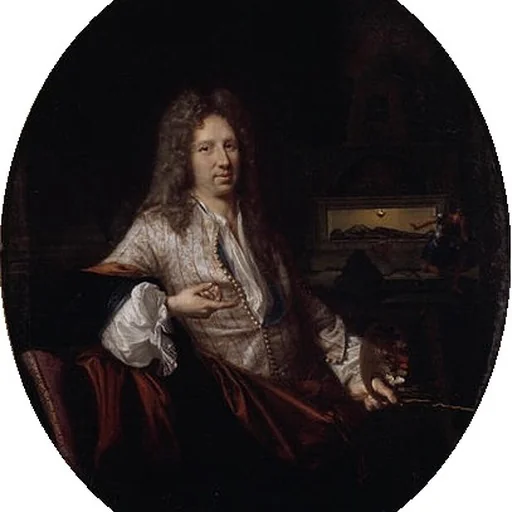
René-Antoine Houasse (c. 1645–1710) was a decorative French painter. He was a pupil of Charles Le Brun, under whose direction he worked at the Manufacture des Gobelins, and with whom he worked on the decoration of the…

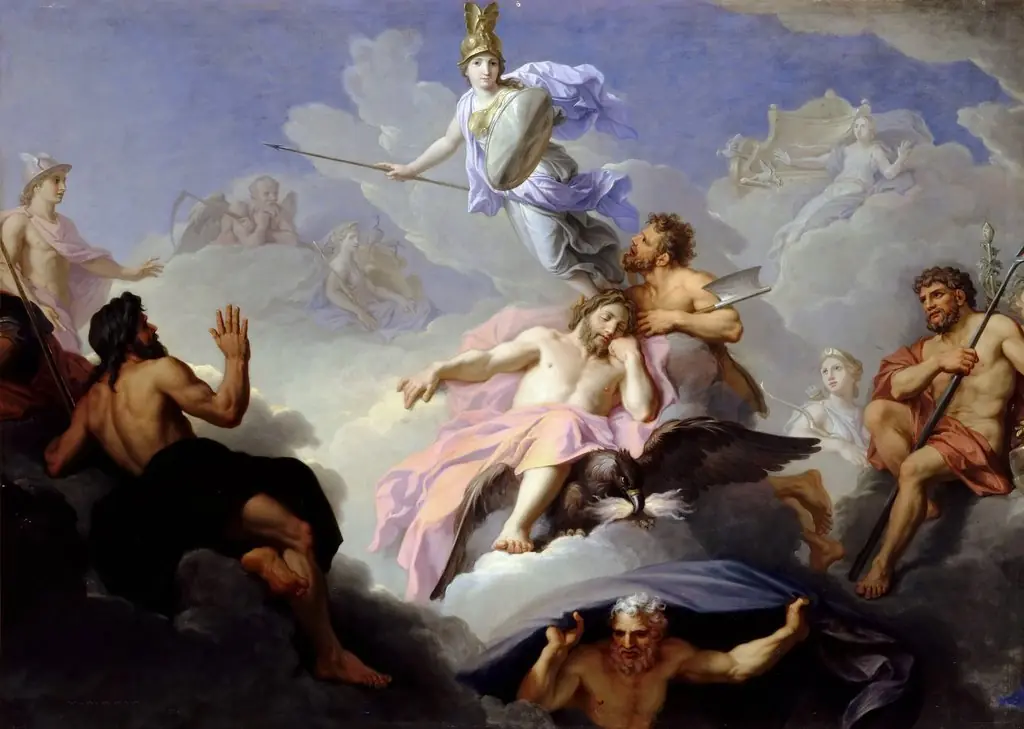 The Birth of Minerva
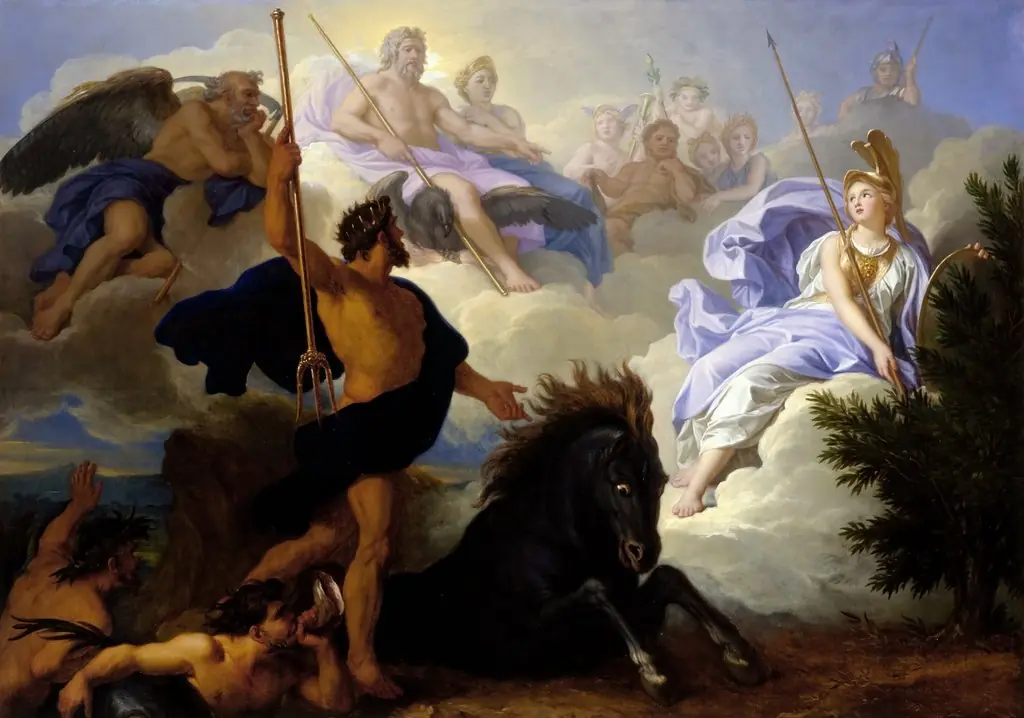 Dispute between Minerva and Neptune over the Naming of the City of Athens
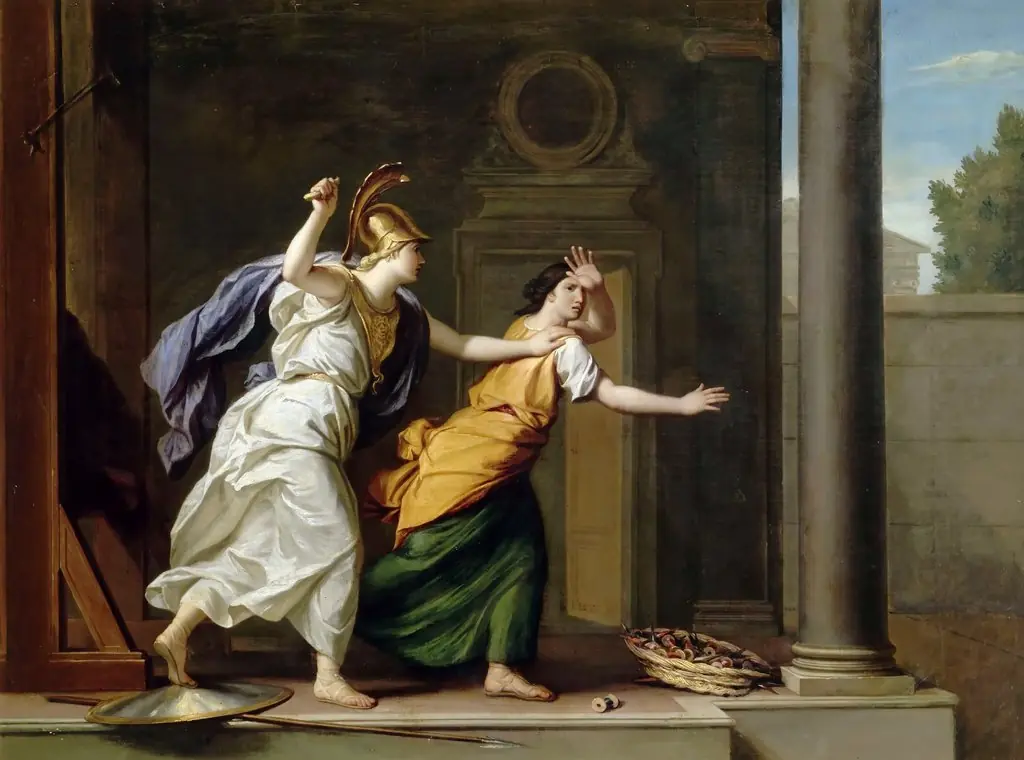 Minerva and Arachne
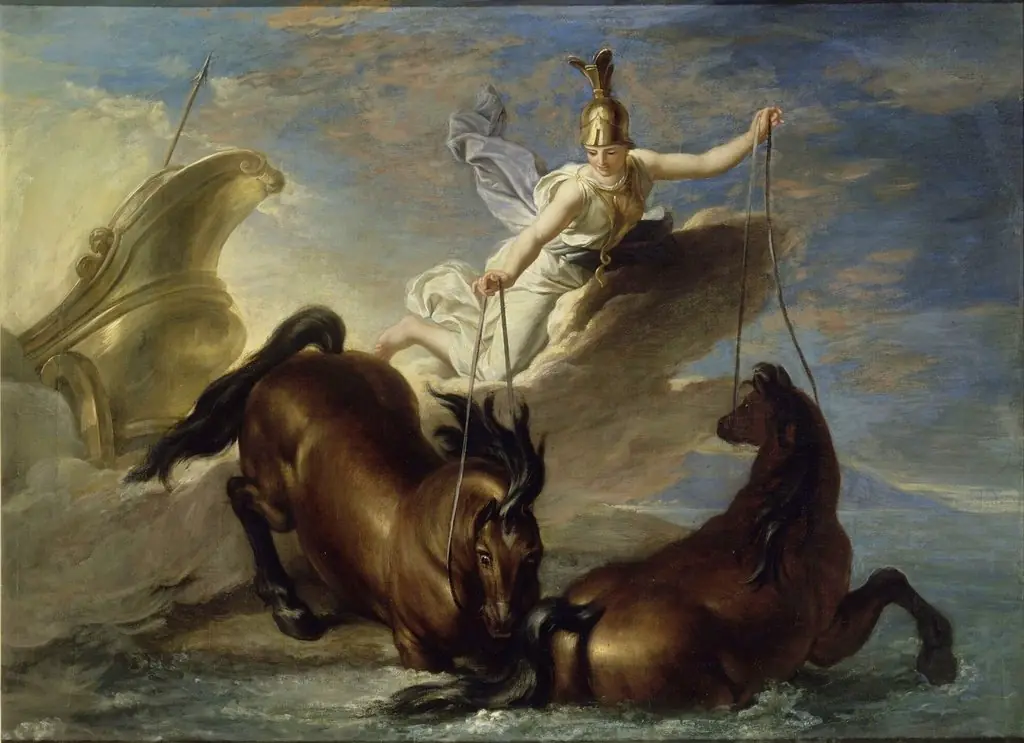 Story of Minerva - Minerva Watering her Horses into the Sea
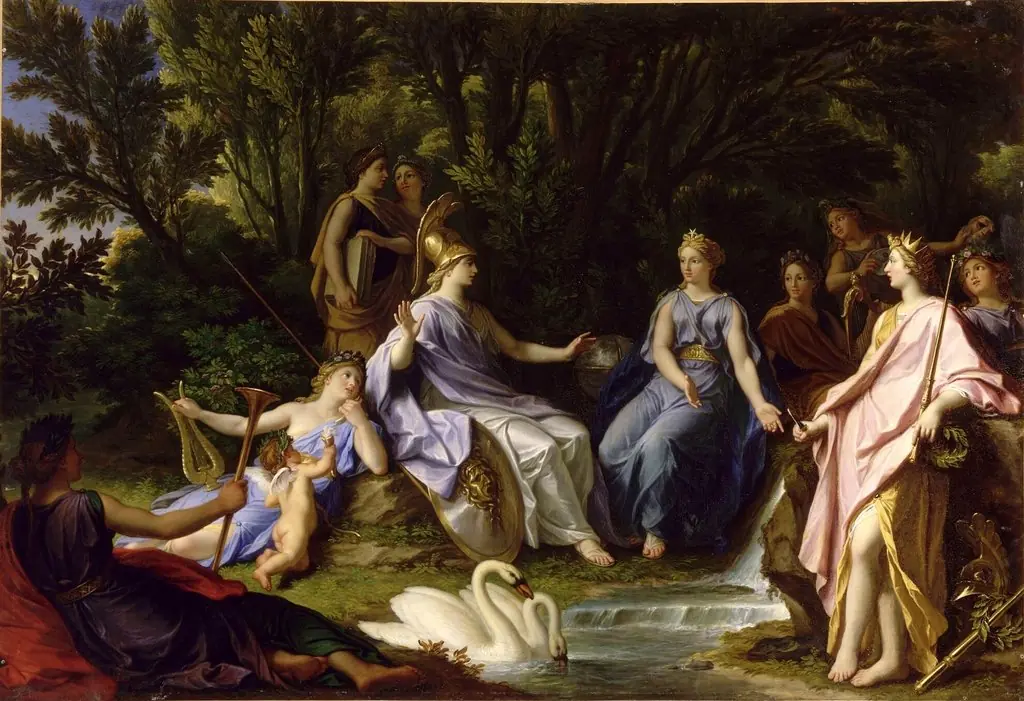 Story of Minerva - The Muses Showing Minerva Hippocrene Waters of the River that Brings Out Pegasus
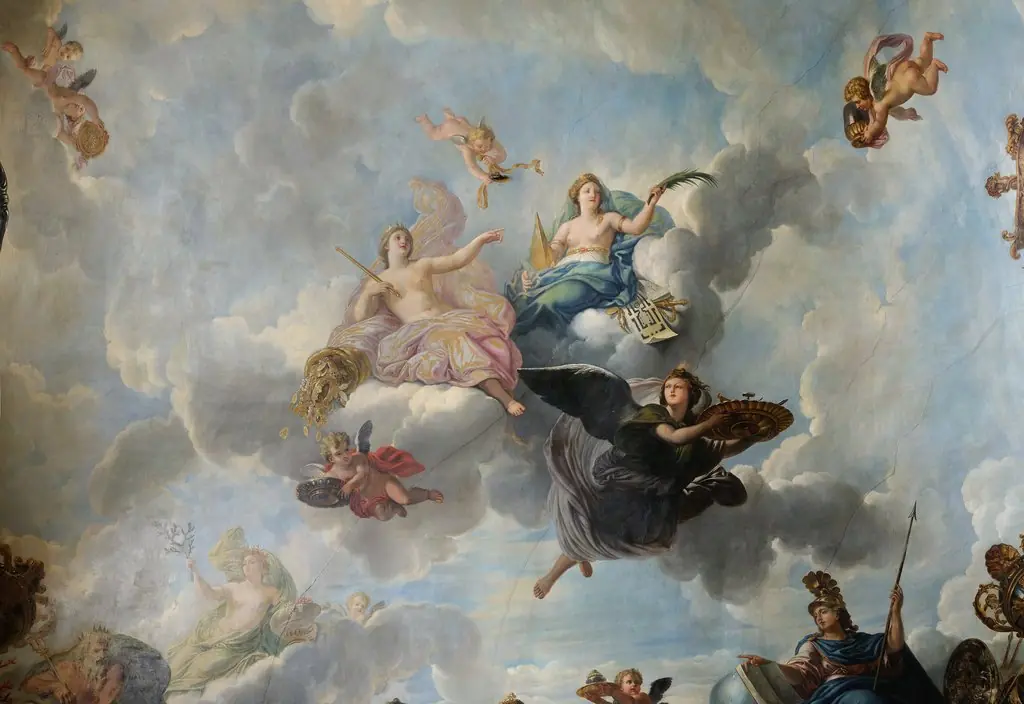 Figure of the Royal Magnificence, Immortality and Progress in the Fine Arts
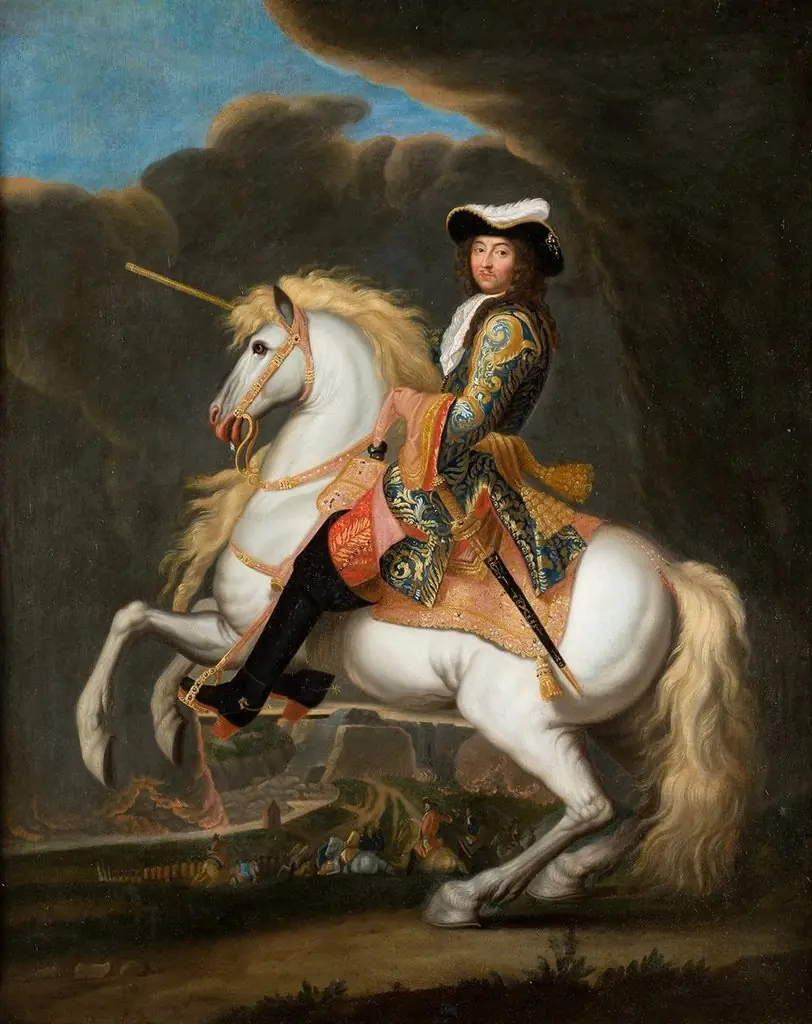 Retrato equestre de Luís XIV
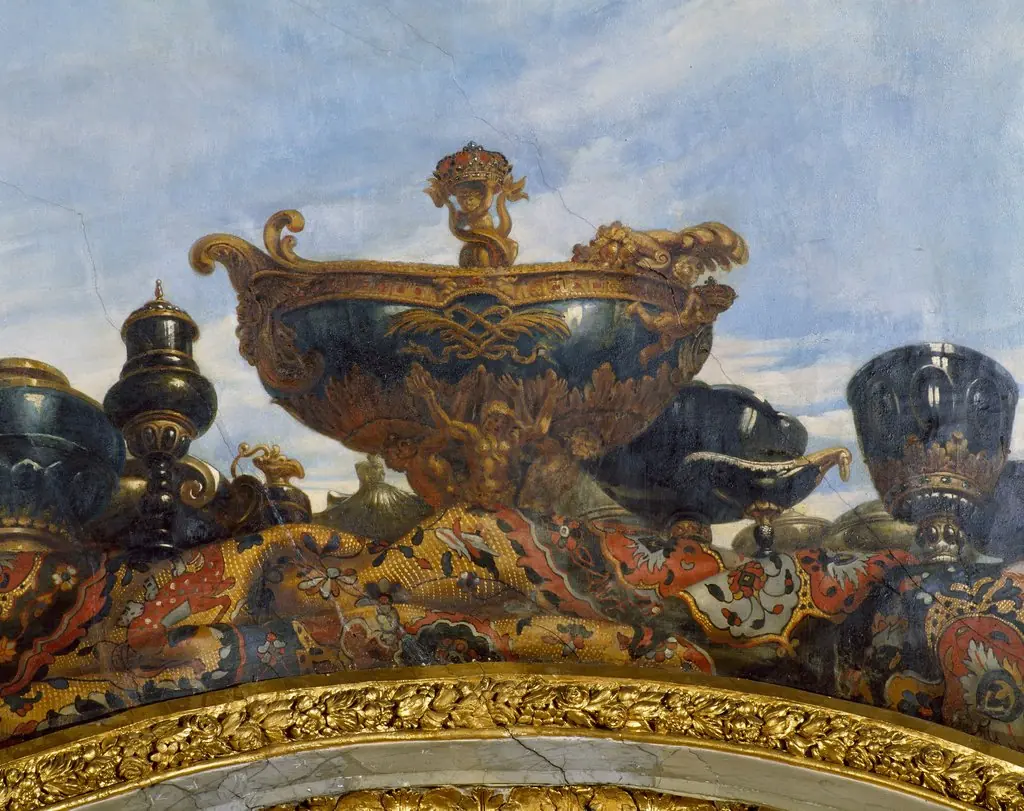 Coving, the Nef of Louis XIV