Artwork
Pastoral Scene
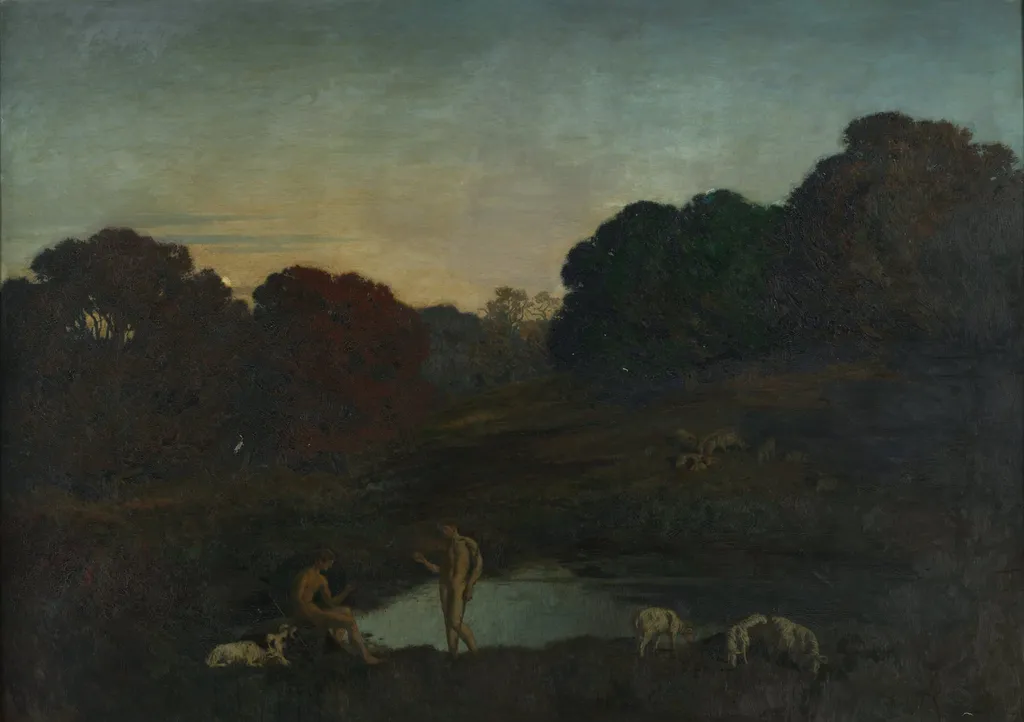
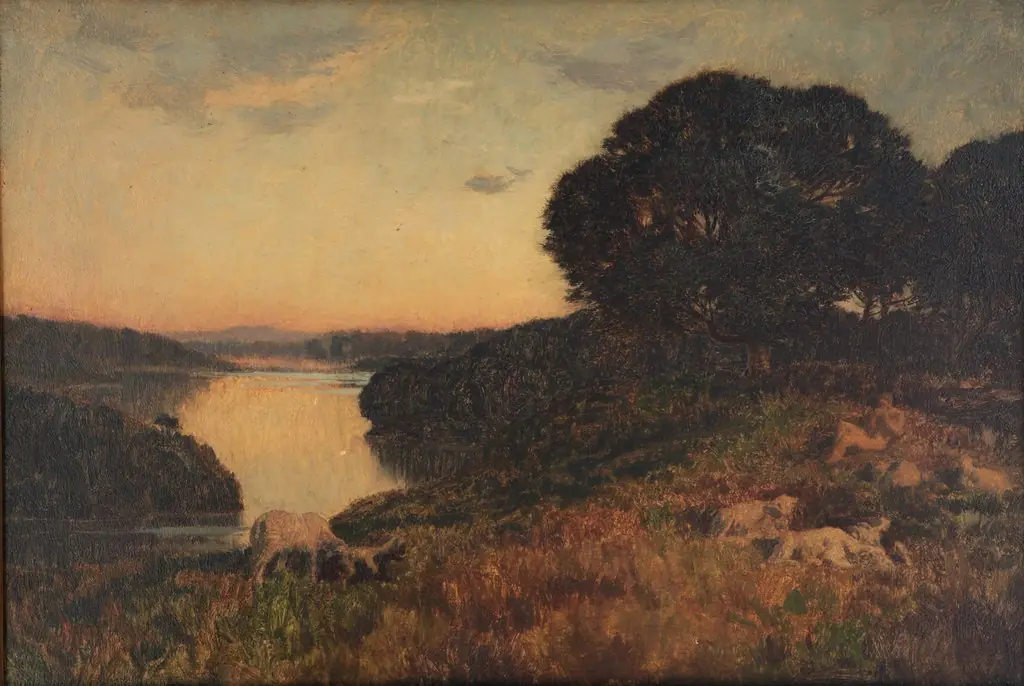
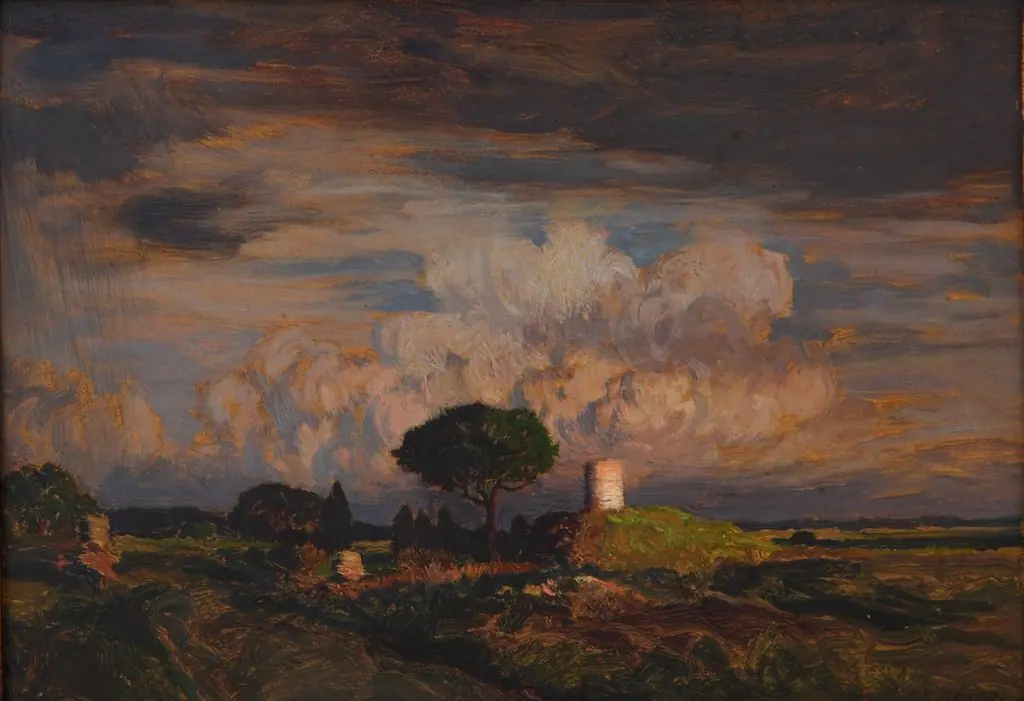
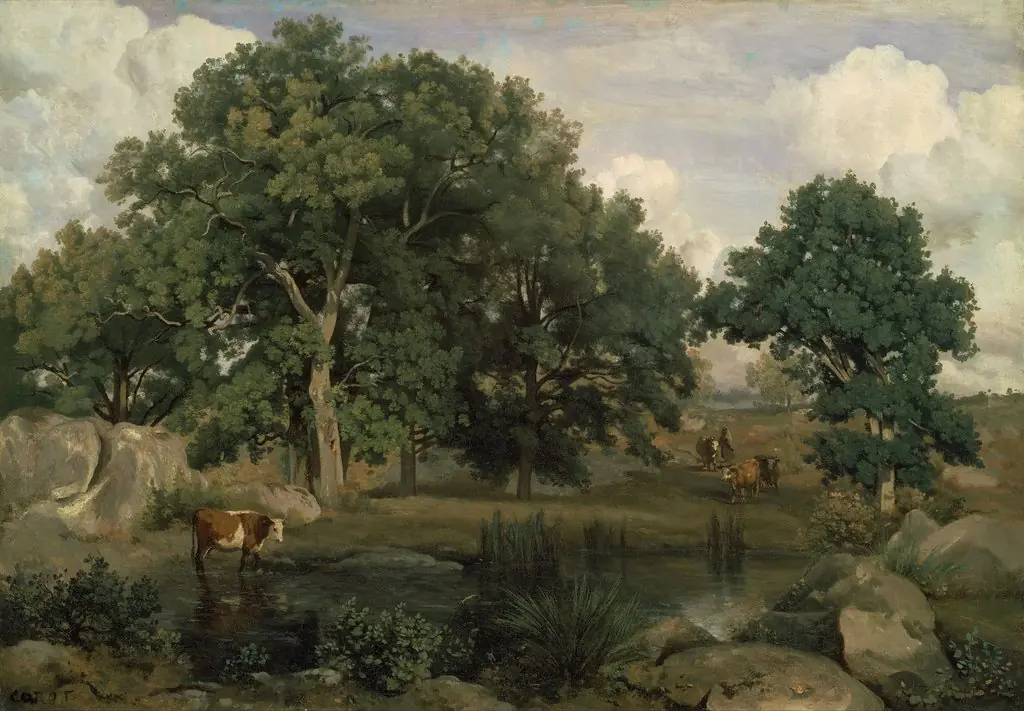
Pastoral Scene is an unspecified painting by the Post-Impressionist artist Émile-René Ménard. It dates from 1911 and is held in the collection of the Cleveland Museum of Art. Painted in 1911 by French artist René Ménard, this landscape captures a quiet rural moment at twilight.
About this work
Overview
Ménard, raised in an artistic environment with exposure to 19th-century naturalists, developed a style rooted in observation rather than idealization.
Painted in 1911 by French artist René Ménard, this landscape captures a quiet rural moment at twilight. Ménard, raised in an artistic environment with exposure to 19th-century naturalists, developed a style rooted in observation rather than idealization. The work belongs to the broader post-impressionist tendency to emphasize emotional tone and material texture over photographic realism. It is now part of The Cleveland Museum of Art’s permanent collection.
Subject & Meaning
Two nude male figures are depicted beside a still pond, one seated in contemplation, the other standing with gaze directed outward. Sheep graze nearby, grounding the scene in agricultural life. The absence of narrative or dramatic action invites quiet reflection. The figures, neither mythological nor allegorical, suggest a return to elemental human presence within nature, echoing the Barbizon school’s reverence for unembellished rural existence.
Technique & Style
Ménard employed thick, tactile brushwork, particularly in the shadows and tree canopies, using impasto to build surface texture. The sky and water are rendered with softer, blended strokes, creating a gentle transition between light and dark. The rough handling of paint contrasts with the calm subject matter, emphasizing the physicality of the act of painting. Color remains subdued, dominated by earth tones and muted blues, reinforcing the dusk atmosphere.
History & Provenance
Born in 1862, Ménard grew up surrounded by artists including Corot and Millet, whose influence shaped his approach to landscape. He did not achieve widespread fame, and his works remained largely within private and regional collections. *Pastoral Scene* entered The Cleveland Museum of Art’s holdings in the 20th century, likely through a donation or acquisition focused on lesser-known post-impressionist figures from France.
Context
In early 20th-century France, urbanization and industrialization prompted many artists to revisit rural themes as a counterpoint to modern life. Ménard’s work aligns with this trend, drawing from the Barbizon tradition but without its overt romanticism. His focus on ordinary figures in natural settings reflects a broader shift toward authenticity in art, away from academic conventions and toward personal, sensory experience.
Legacy
Though Ménard is not widely studied today, his work contributes to the understanding of regional post-impressionism in France. *Pastoral Scene* exemplifies how artists outside the Parisian avant-garde continued to explore nature with emotional restraint and material sensitivity. Its presence in a major American museum underscores the transnational appreciation for quiet, unassuming landscape painting from this era.
Own this work as a print
Artist & collection
Artist
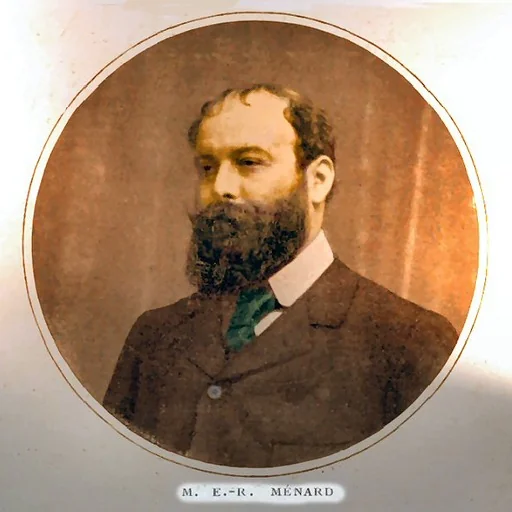
Émile-René Ménard (15 April 1862 – 13 January 1930) was a French painter. From early childhood he was immersed in an artistic environment: Corot, Millet and the Barbizon painters frequented his family home,…

 Bathing Nymphs and Child
 Bathing Nymphs and Child
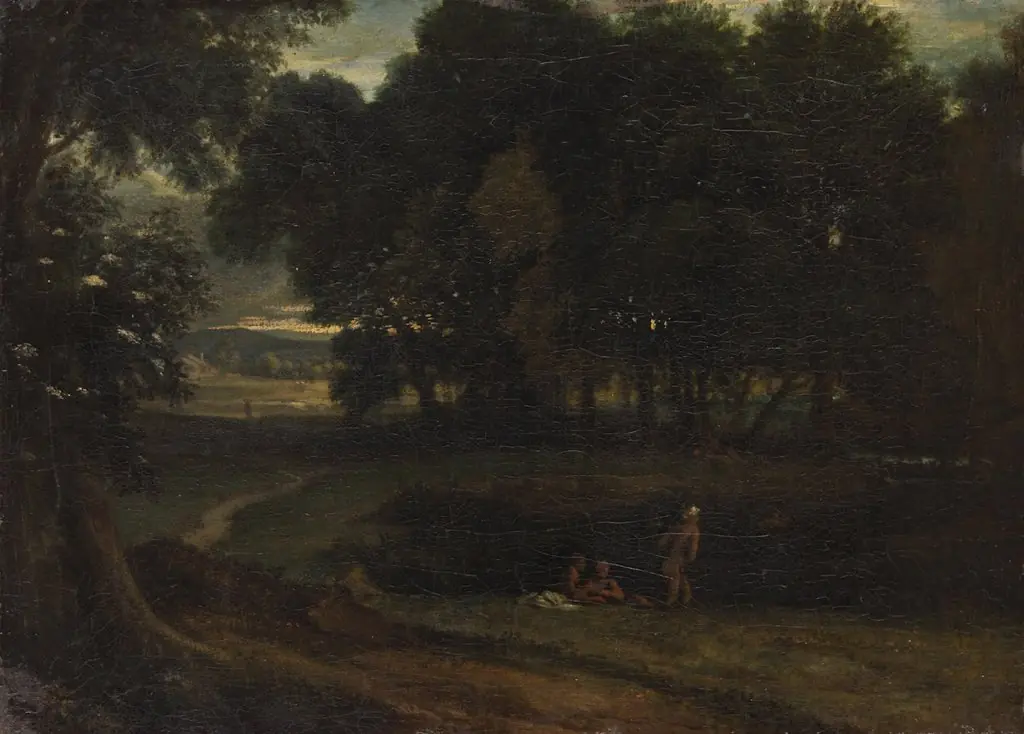 Waldlandschaft mit Badenden
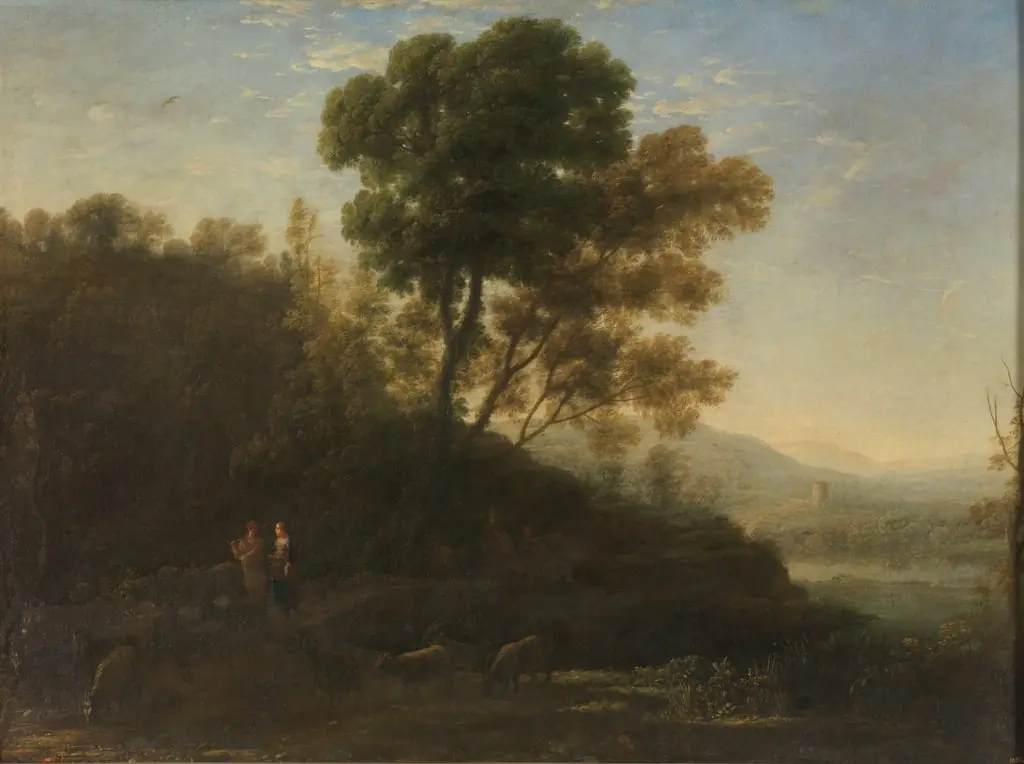 Setting out with the Herd
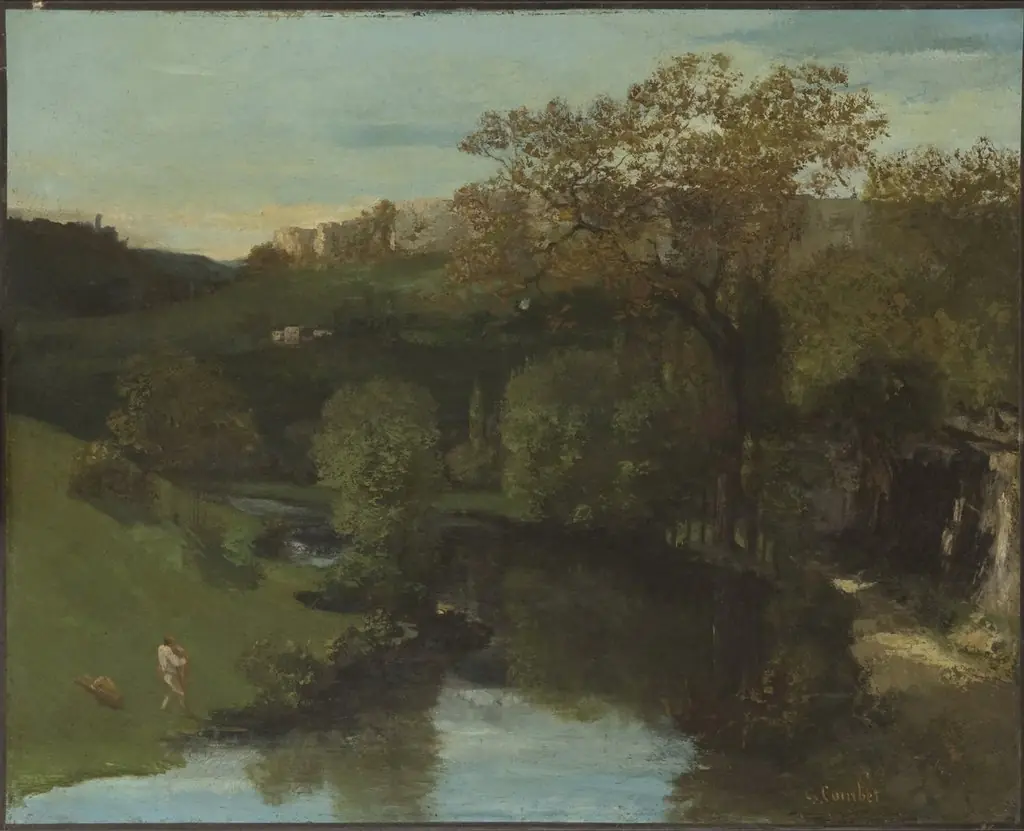 Valley
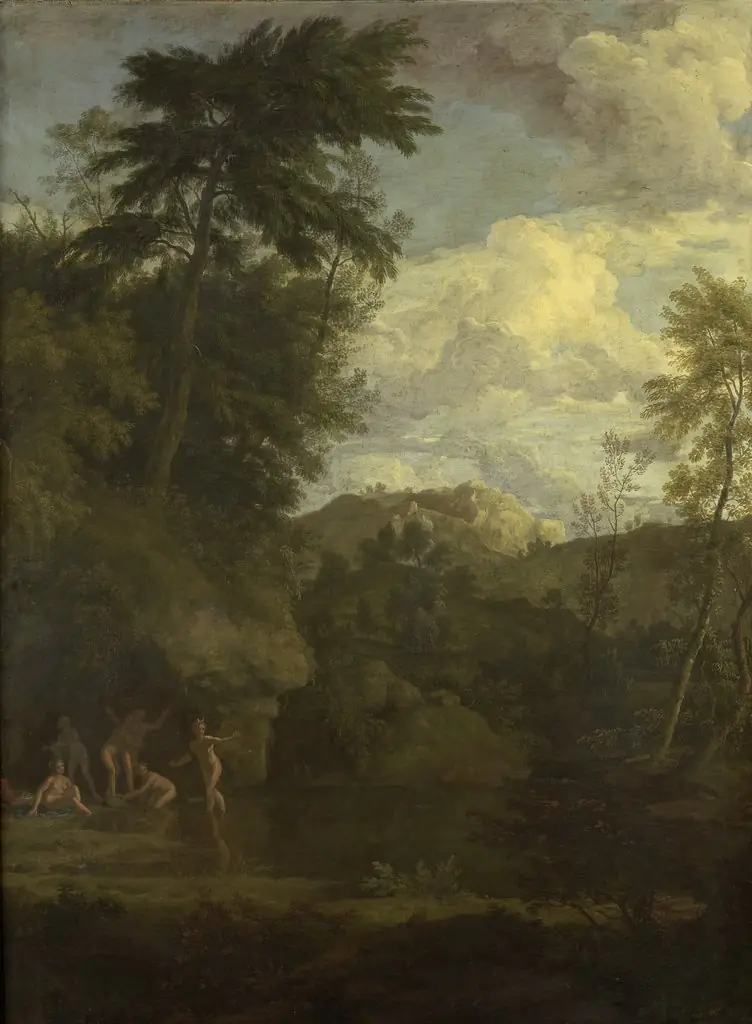 Arcadian landscape with bathing Diana
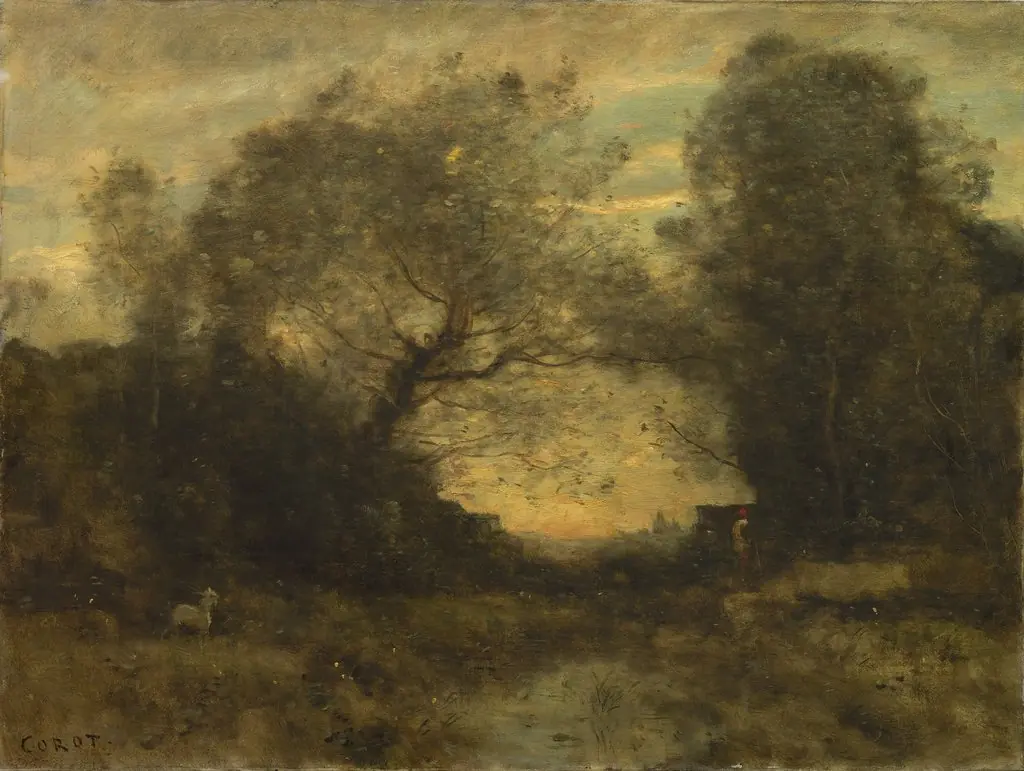 The Pond at the Entrance of the Woods
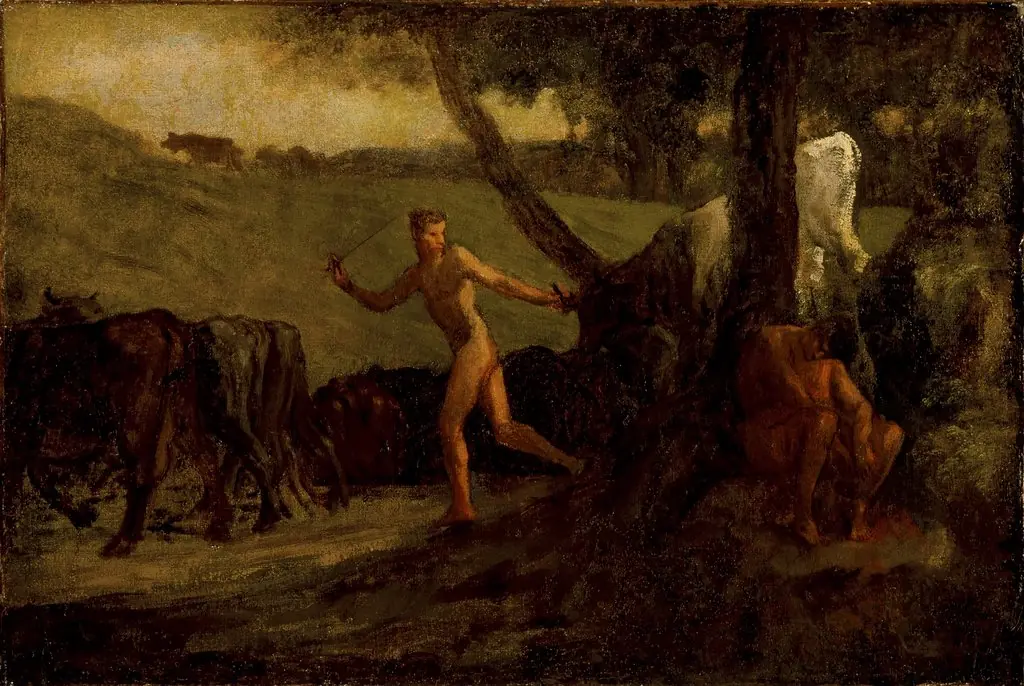 Study for 'Mercury Leading the Cows of Argus to Water'
 Ghost Dance (The Vision of Life)
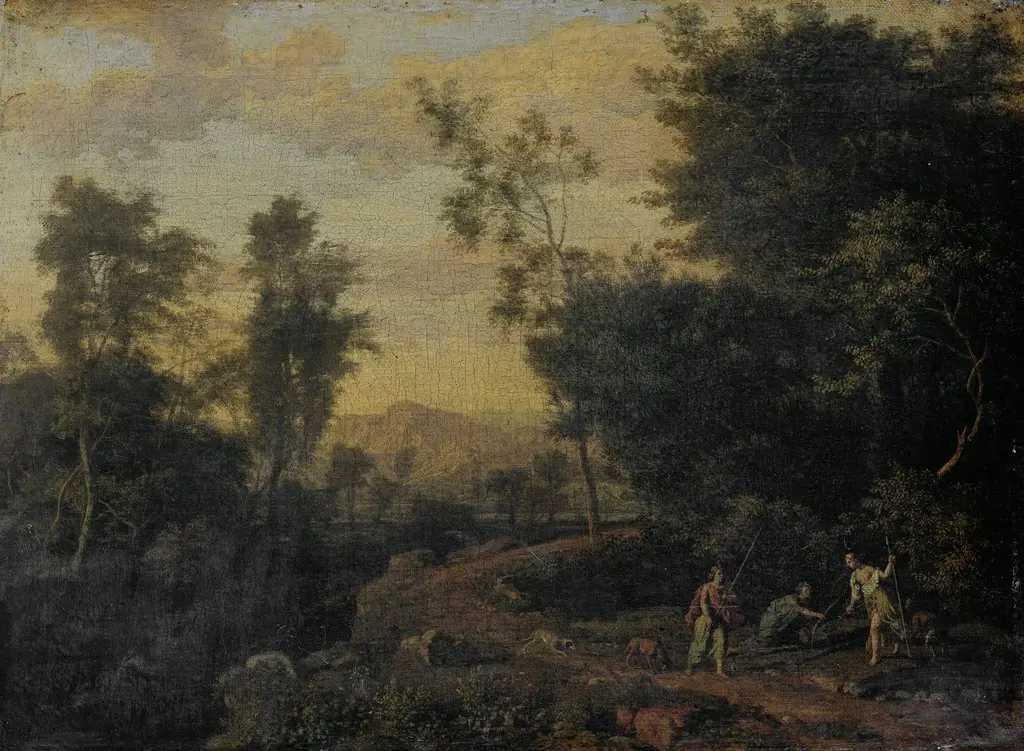 Landscape with Diana Hunting
 Forest of Fountainbleu