Artwork
Landscape
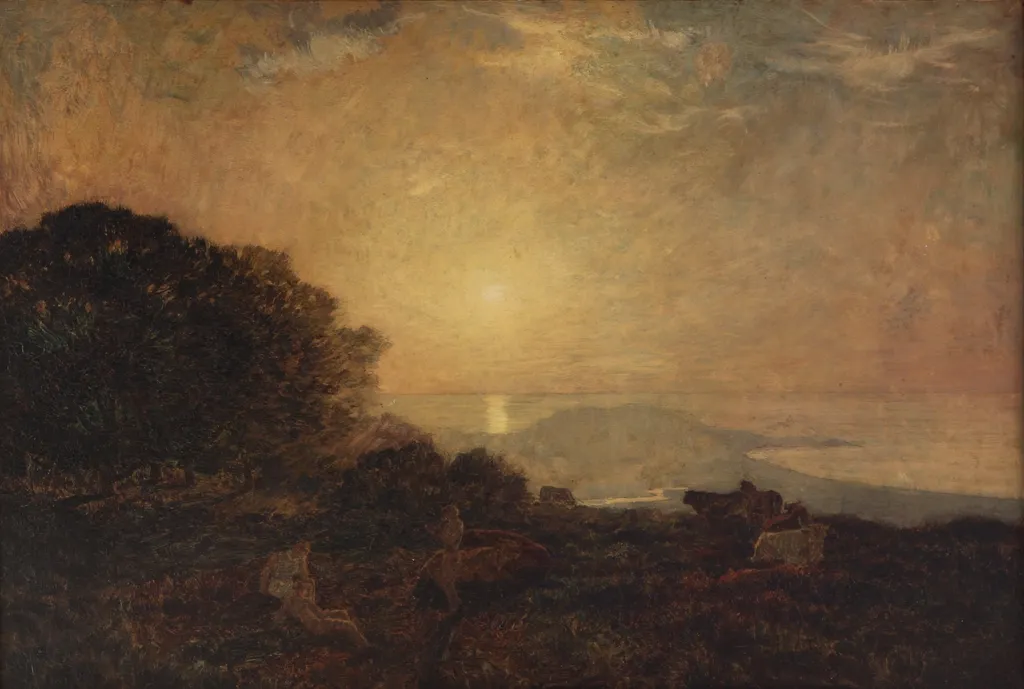
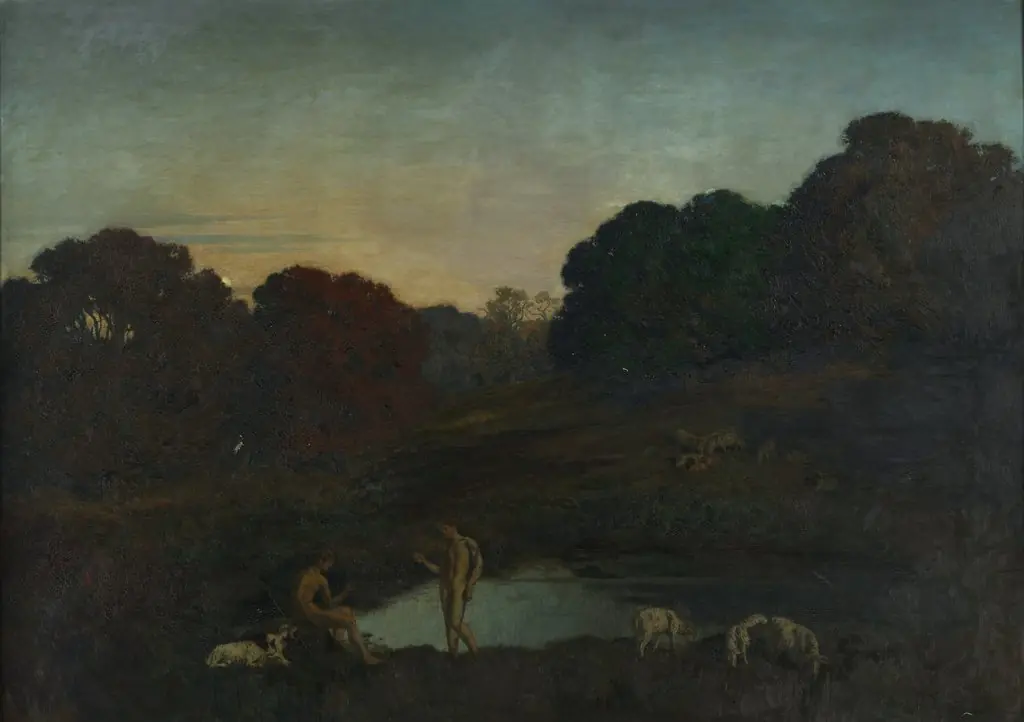
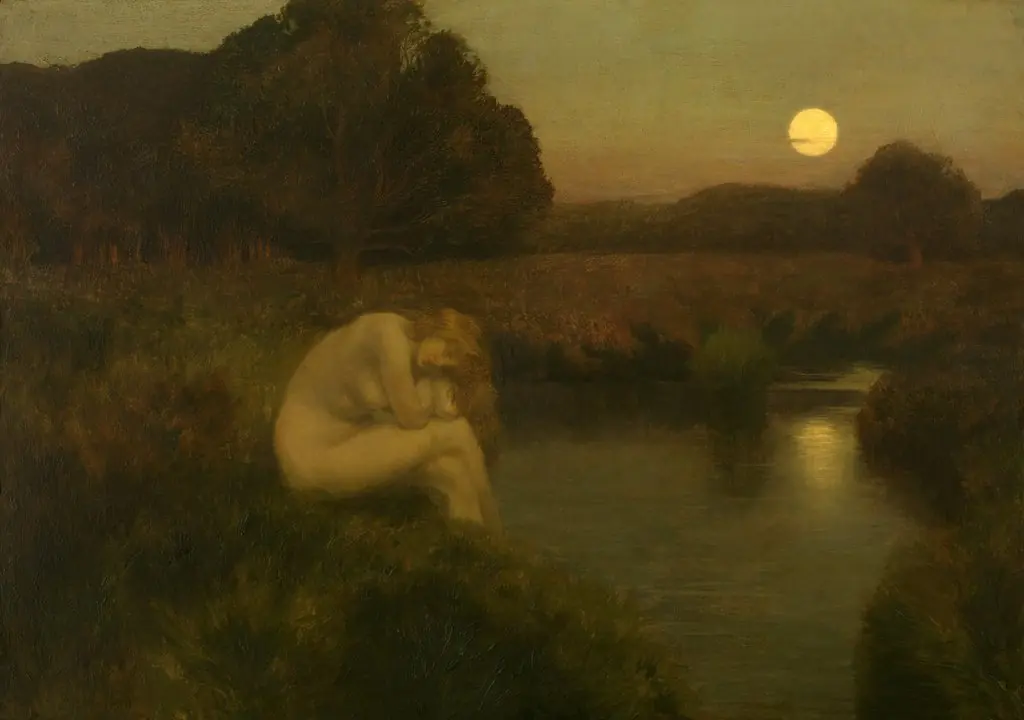
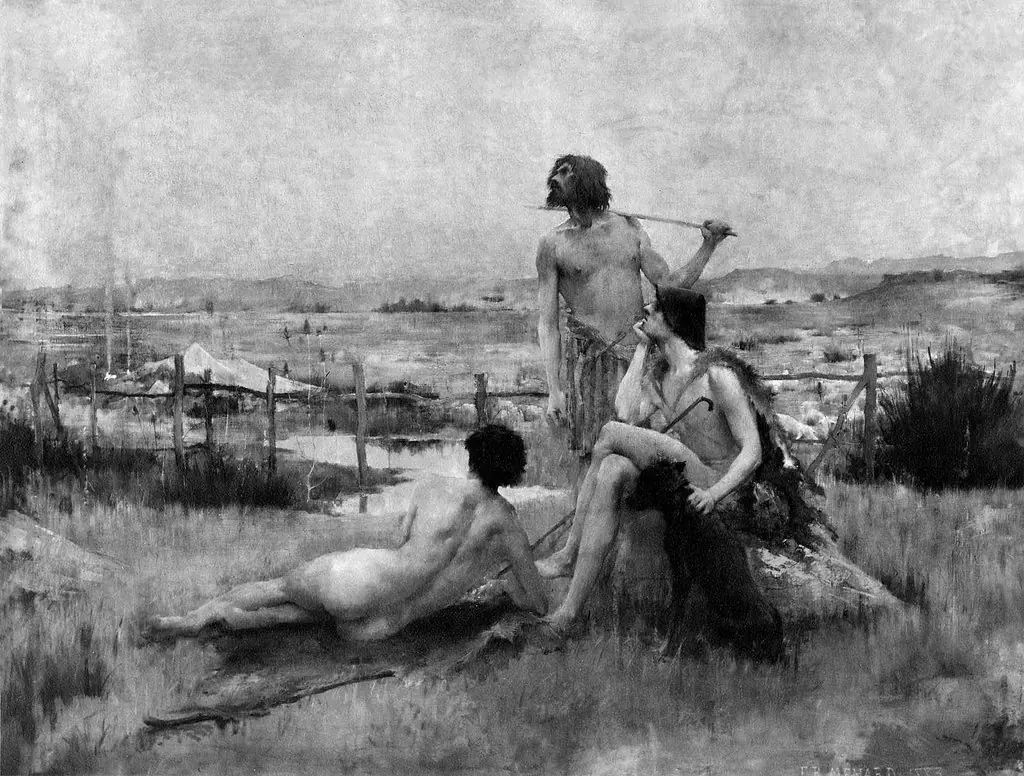
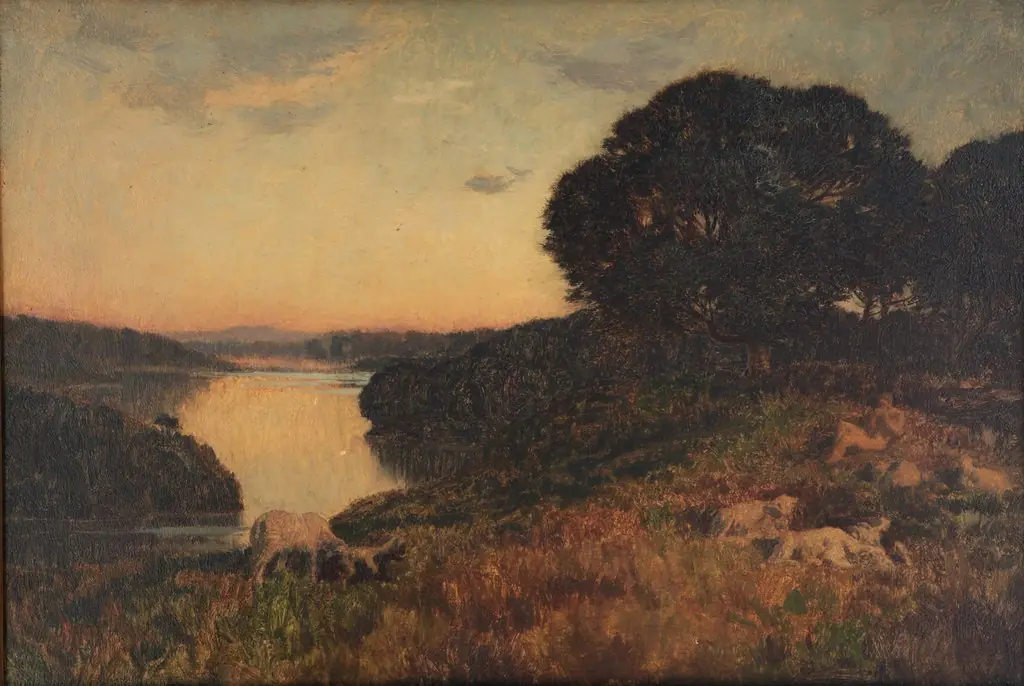
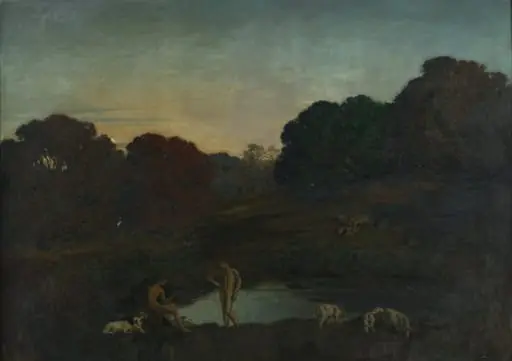
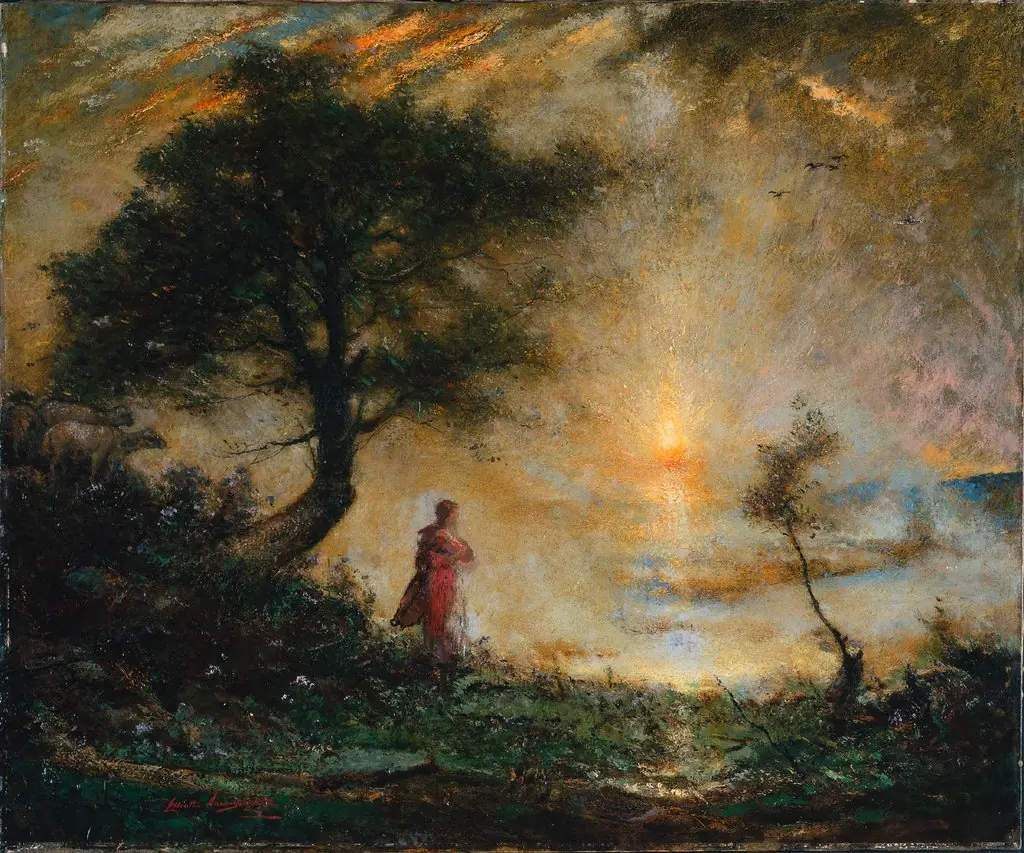
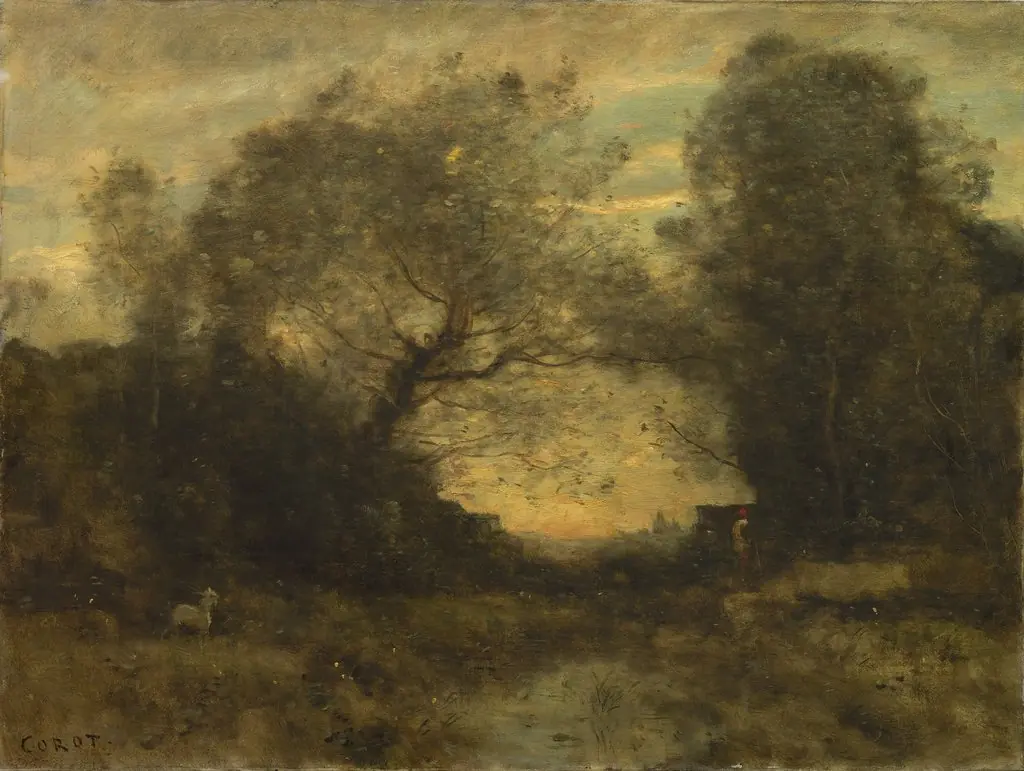
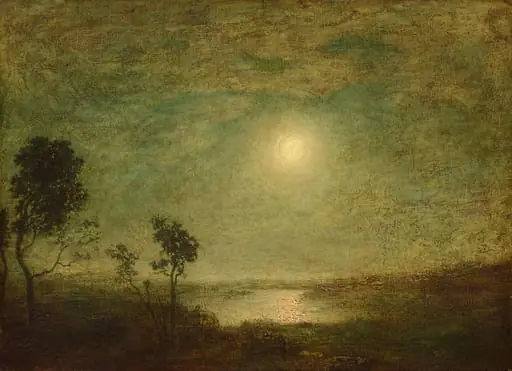
Landscape is an oil painting by the Symbolist artist Émile-René Ménard. It dates from 1906 and is held in the collection of the National Museum of Fine Arts, Argentina.
About this work
Overview
Ménard, raised in an environment steeped in artistic tradition, gravitated toward scenes that evoked emotion rather than topographical accuracy.
Painted around 1906 by French artist Émile-René Ménard, this oil on canvas landscape reflects a quiet, contemplative vision of nature. Ménard, raised in an environment steeped in artistic tradition, gravitated toward scenes that evoked emotion rather than topographical accuracy. The work is part of the National Museum of Fine Arts in Buenos Aires’ collection, where it stands as an example of late 19th-century French landscape sensibility filtered through Symbolist ideals.
Subject & Meaning
The painting presents a tranquil rural scene at twilight, centered on a dominant tree to the left and a distant body of water. The setting sun casts a soft, warm light across the sky and land, while dark foreground forms suggest rocks or dense undergrowth. These elements are not rendered as literal descriptions but as carriers of atmosphere—intended to evoke stillness, introspection, and the quiet passage of day into night.
Technique & Style
Ménard employed visible, textured brushwork to build the surface, avoiding smooth finishes in favor of tactile depth. The palette is restrained, dominated by muted browns, greens, and soft ochres, reinforcing the subdued mood. Light is diffused rather than sharply defined, and forms are suggested rather than meticulously outlined. This approach aligns with Symbolist priorities, where emotional resonance outweighs topographical fidelity.
History & Provenance
Created during Ménard’s mature period, the painting emerged from a family milieu enriched by connections to Barbizon School artists like Corot and Millet. Though not widely exhibited during his lifetime, the work eventually entered the National Museum of Fine Arts in Buenos Aires, where it remains today. Its presence in Argentina reflects early 20th-century transatlantic cultural exchanges and the growing international interest in French academic and Symbolist traditions.
Context
In the early 1900s, many French painters moved away from strict realism toward more introspective modes. Symbolism offered a framework for expressing inner states through nature, and Ménard’s work fits within this trend. While not part of the avant-garde, his landscapes responded to broader shifts in artistic philosophy—valuing mood, memory, and poetic suggestion over documentary precision.
Legacy
Ménard’s *Landscape* endures as a quiet example of Symbolist-inflected naturalism, representative of a generation of artists who sought emotional depth in ordinary scenes. Though not central to major art historical narratives, his work contributes to understanding the diversity of French painting beyond Impressionism and Post-Impressionism, offering a nuanced alternative focused on serenity and subtle atmosphere.
Own this work as a print
Artist & collection
Artist
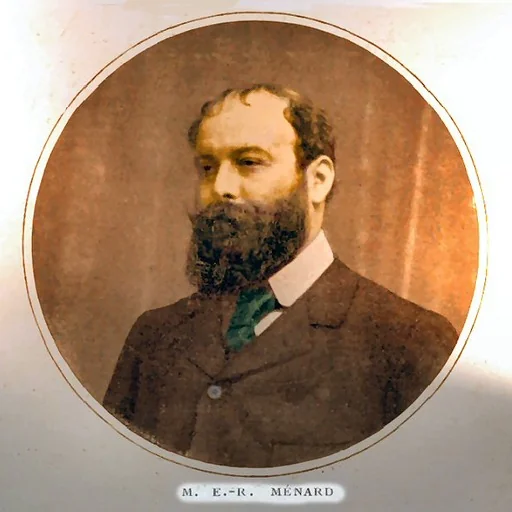
Émile-René Ménard (15 April 1862 – 13 January 1930) was a French painter. From early childhood he was immersed in an artistic environment: Corot, Millet and the Barbizon painters frequented his family home,…

Museum
National Museum of Fine Arts, Argentina
Continue through works from the same source collection.