Artwork
Cupid and Psyche
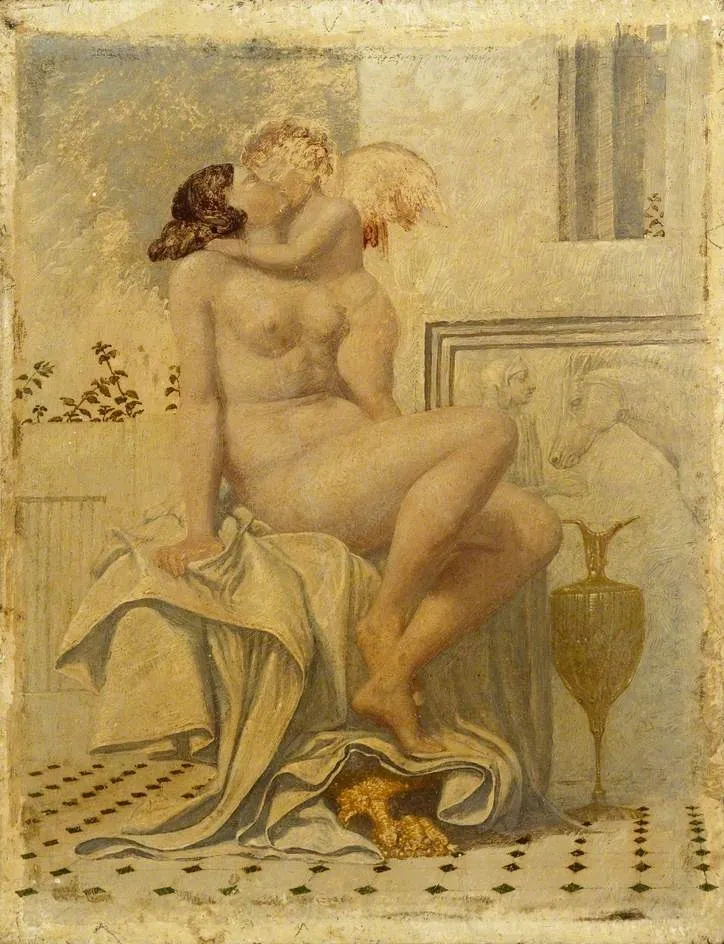
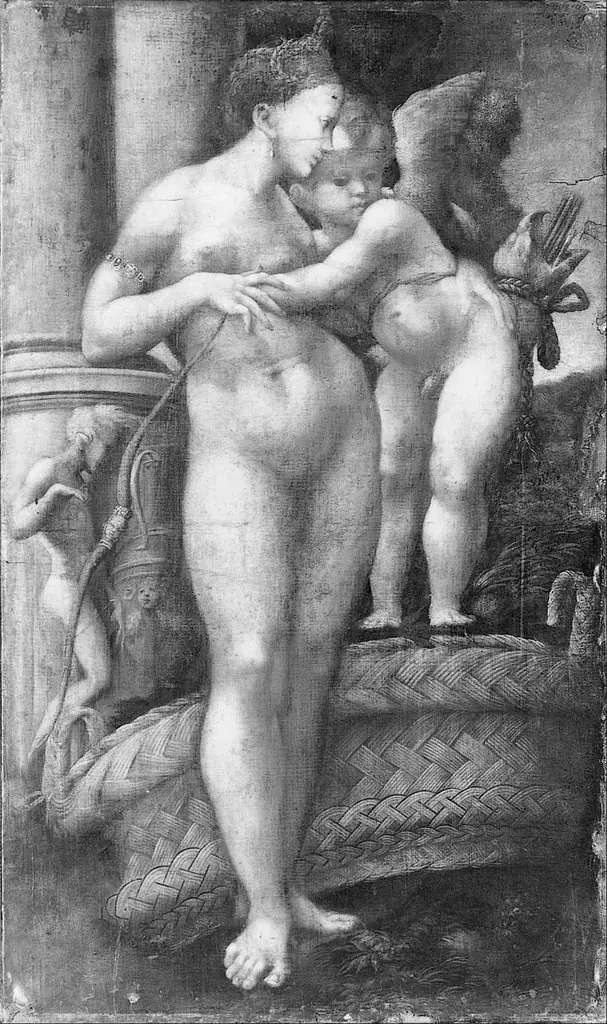
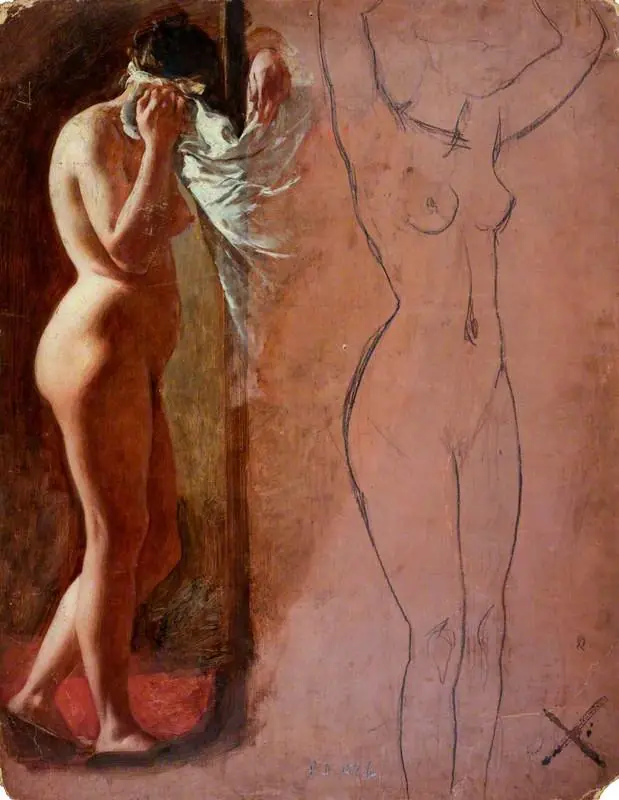
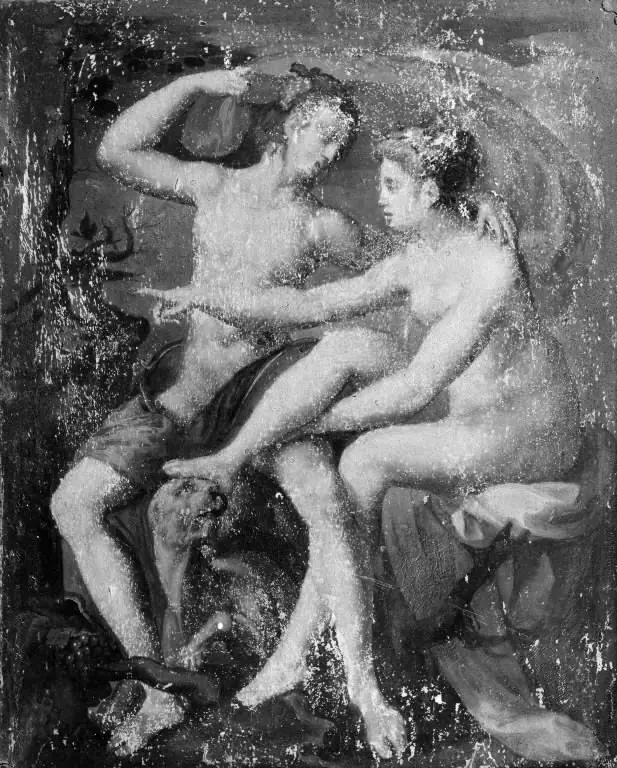
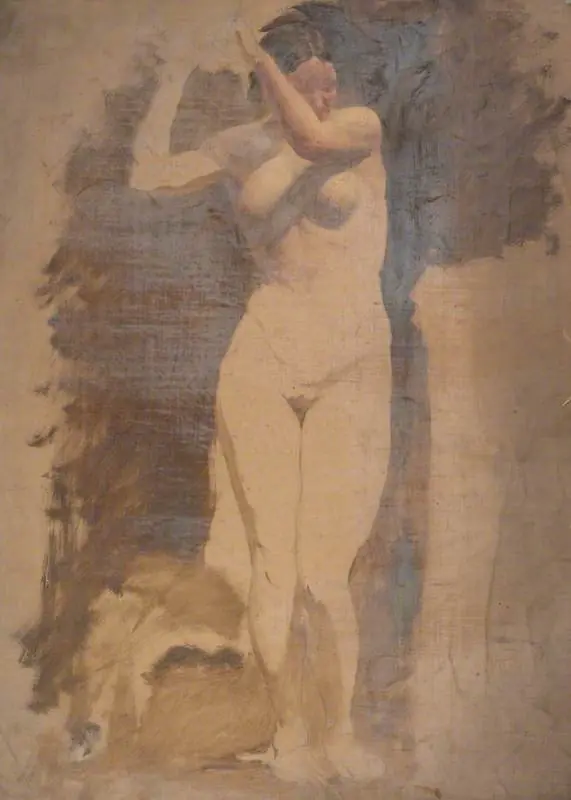
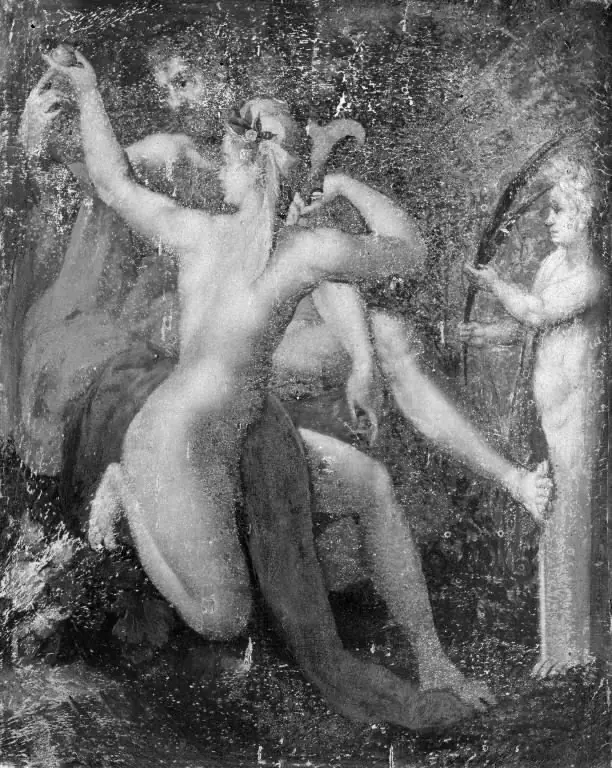
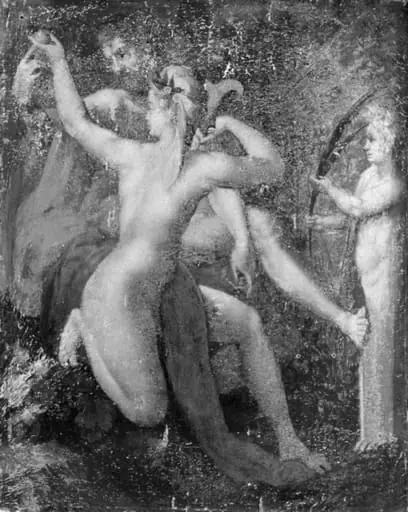
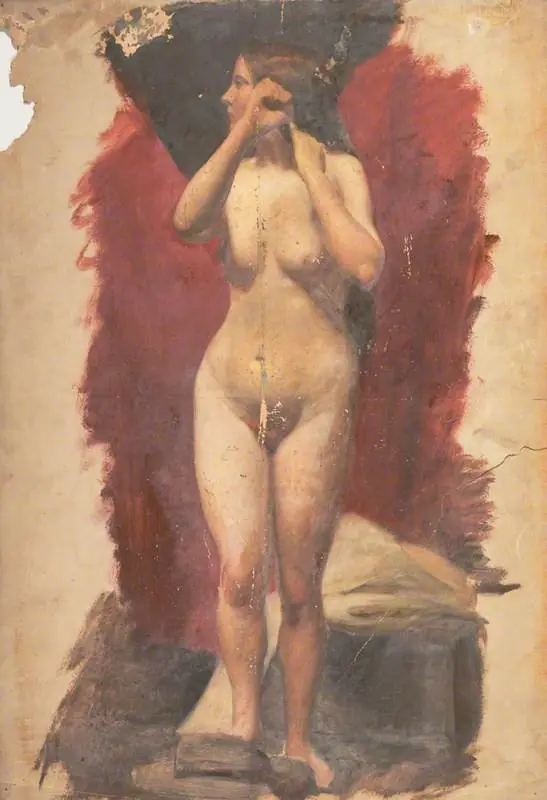
Cupid and Psyche is an oil painting by Richard Dadd. It dates from 1861 and is held in the collection of the Ashmolean Museum.
About this work
Overview
It is now part of the Ashmolean Museum’s collection, where it stands as a quiet example of Victorian-era mythological painting marked by introspective detail.
Richard Dadd painted *Cupid and Psyche* circa 1861 in oil on canvas, capturing a quiet moment from classical myth. Created during his confinement in psychiatric institutions, the work reflects his sustained focus on mythological themes despite personal hardship. It is now part of the Ashmolean Museum’s collection, where it stands as a quiet example of Victorian-era mythological painting marked by introspective detail.
Subject & Meaning
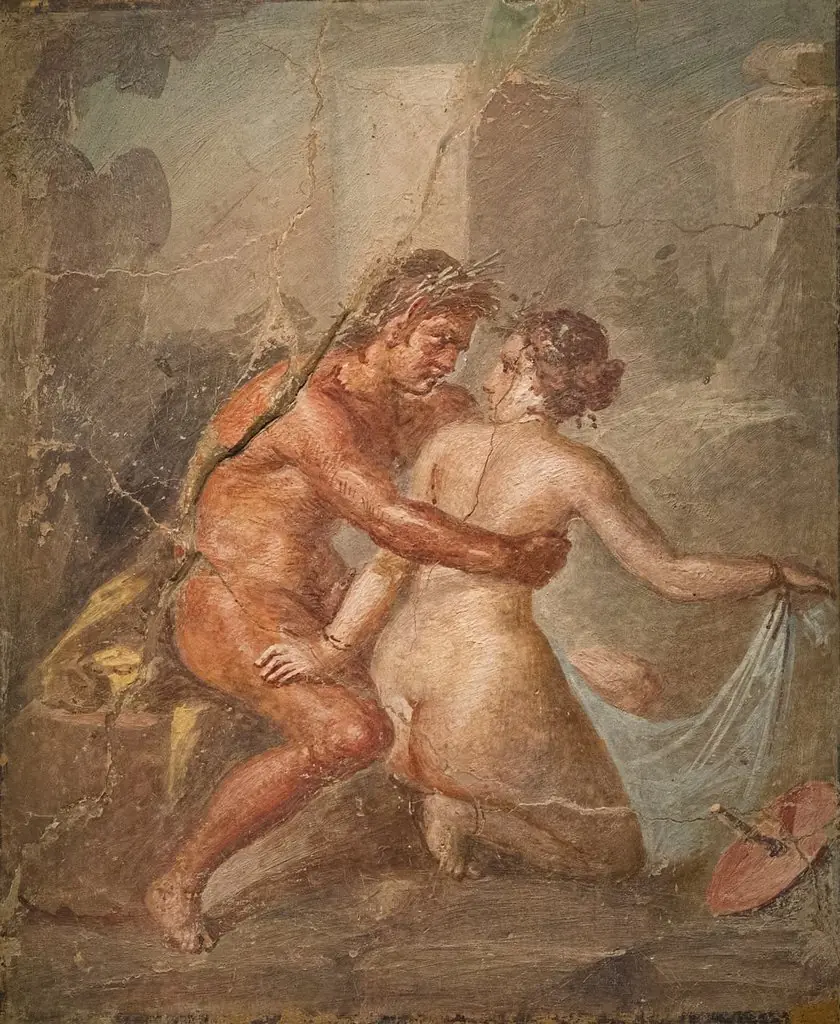
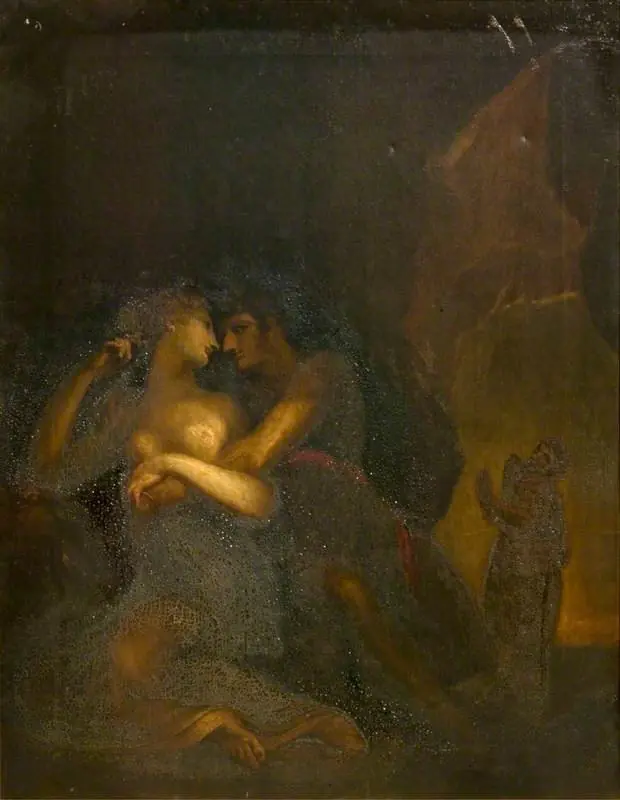
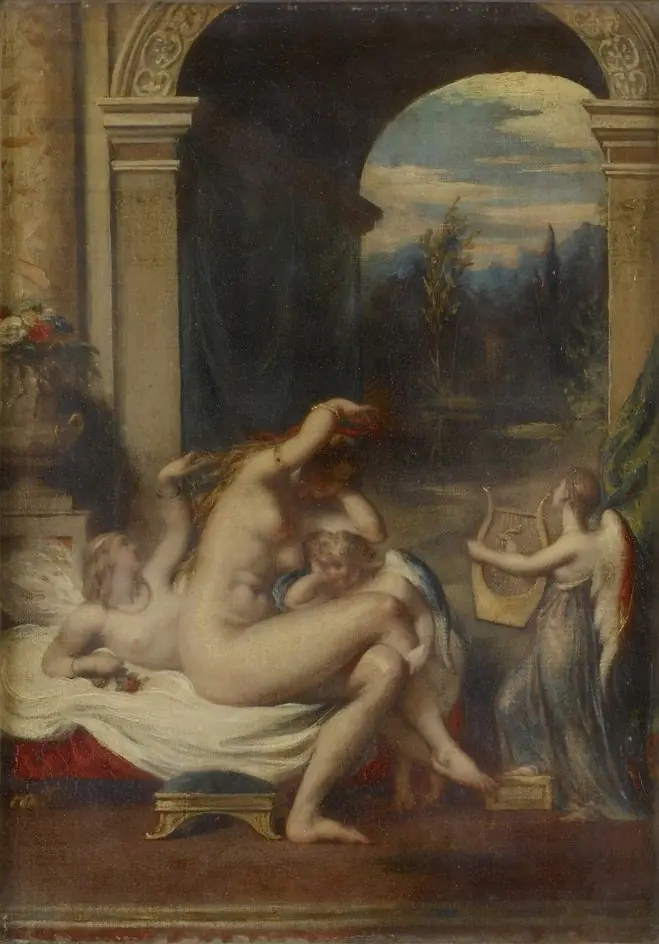
The scene portrays Cupid tenderly embracing Psyche from behind, a moment drawn from Apuleius’s *Metamorphoses* where divine love and human vulnerability intersect. Their seated intimacy, framed by domestic objects like a vase and a picture frame, suggests a private, suspended time rather than a grand mythic event. The absence of dramatic action shifts focus to emotional stillness, emphasizing connection over spectacle.
Technique & Style
Dadd employed fine, visible brushwork to build texture across fabric, skin, and surfaces, avoiding smooth academic finishes. The palette is restrained, dominated by ochres, browns, and muted creams, enhancing the painting’s subdued atmosphere. The background includes a window and potted plant, rendered with careful attention to light and spatial depth, reinforcing the sense of an enclosed, contemplative space.
History & Provenance
Painted during Dadd’s institutionalization at Broadmoor Hospital, the work emerged from a period of intense personal isolation. Though he was no longer producing large-scale fantasies, this smaller composition retained his signature precision. It entered the Ashmolean Museum’s collection in the late 19th century, likely through acquisition or donation, and has remained there since, preserved as a testament to his later artistic output.
Context
In mid-19th century Britain, mythological subjects remained popular among artists seeking moral or emotional depth. Dadd’s approach diverged from grand neoclassical treatments, favoring intimate, psychologically charged scenes. His confinement influenced his work’s inward focus, aligning *Cupid and Psyche* with broader Victorian interests in psychology, domesticity, and the boundaries between sanity and imagination.
Legacy
Though not widely exhibited during Dadd’s lifetime, *Cupid and Psyche* has come to represent the quiet intensity of his later years. It contributes to scholarly understanding of how mental illness intersected with artistic vision in the Victorian era. The painting’s restrained emotion and meticulous detail continue to invite close viewing, offering insight into an artist who transformed isolation into sustained creative focus.
Artist & collection
Artist
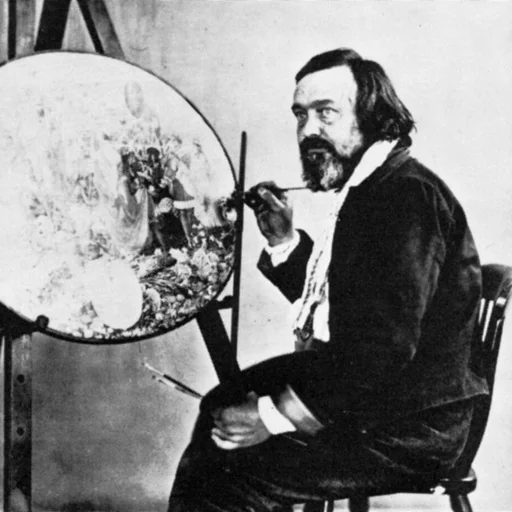
Richard Dadd (1 August 1817 – 7 January 1886) was an English painter of the Victorian era, noted for his depictions of fairies and other supernatural subjects, Orientalist scenes, and enigmatic genre scenes, rendered with obsessively…