Artwork
Studies for "The Wise and Foolish Virgins" [recto]
![Studies for "The Wise and Foolish Virgins" [recto], by William Blake, Sir Richmond, chalk, 1880](https://artifactworldgallery.com/img/william-blake-sir-richmond--studies-for-the-wise-and-foolish-virgins-recto--1be025a8df000843-w1024.webp)
Studies for "The Wise and Foolish Virgins" [recto] is a chalk drawing by the Impressionist artist William Blake, Sir Richmond. It dates from 1880 and is held in the collection of the National Gallery of Art. The drawing titled Studies for “The Wise and Foolish Virgins” (recto) is a red‑chalk counterproof executed on laid paper.
About this work
Overview
The drawing titled Studies for “The Wise and Foolish Virgins” (recto) is a red‑chalk counterproof executed on laid paper. It was produced in 1880 by Sir William Blake Richmond, a British painter and decorative artist known for his work in the late‑Victorian period.
Technique & Style
The work employs a red chalk counterproof, a method in which a chalk drawing is transferred to paper by pressing the original onto a damp surface, creating a reversed, tonal image. Laid paper, with its characteristic ribbed texture, provides a subtle grounding for the delicate lines and shading characteristic of Richmond’s preparatory studies.
Context
The study relates to the biblical parable of the wise and foolish virgins, a subject often depicted in religious art to illustrate themes of preparedness and spiritual vigilance. Richmond’s preparatory sketches suggest an intention to develop a larger composition, likely for a mural or stained‑glass commission, reflecting the era’s interest in integrating narrative art with architectural decoration.
Artist & collection


![Studies for "The Wise and Foolish Virgins" [recto], by William Blake, Sir Richmond](https://artifactworldgallery.com/img/william-blake-sir-richmond--studies-for-the-wise-and-foolish-virgins-recto--b7a433b90f3e6c54-w320.webp)
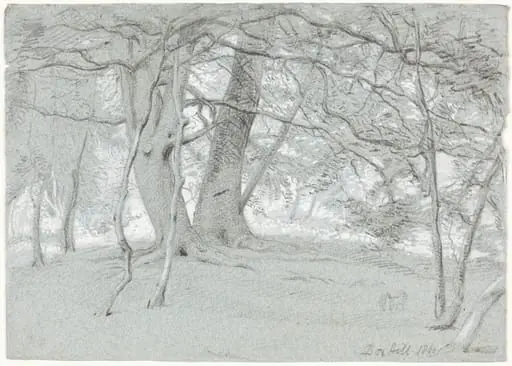
 A cow
A cow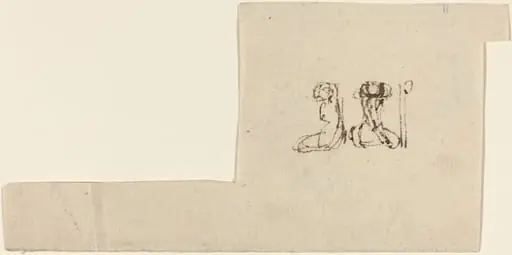 Two Seated Female Figures with Arms Lifted Overhead
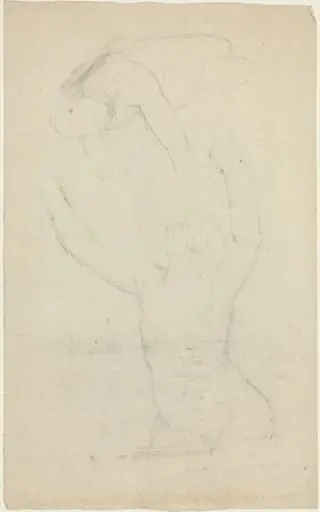 Two Airborne? Figures Reaching out to One Another
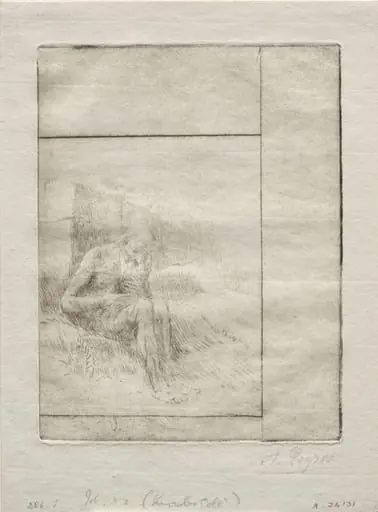 Job (2nd Plate)
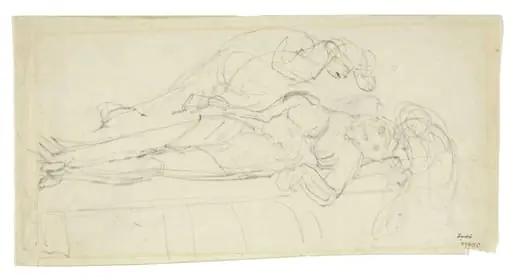 The death of the strong, wicked man
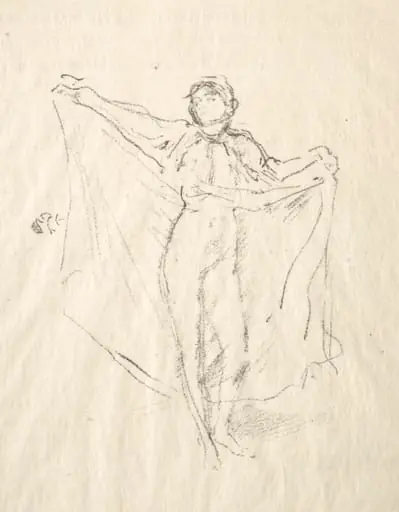 La Danseuse - A Study of the Nude
![Studies of Figures for an Adoration of the Magi [verso], by Donato Creti](https://artifactworldgallery.com/img/donato-creti--studies-of-figures-for-an-adoration-of-the-magi-verso--a4ea202b1ff86cc6-w320.webp) Studies of Figures for an Adoration of the Magi [verso]
Studies of Figures for an Adoration of the Magi [verso]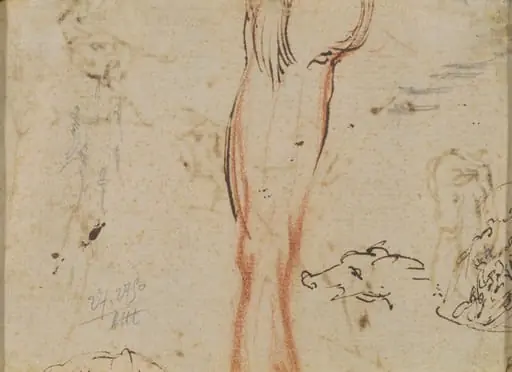 A Leg and a Pig's Head
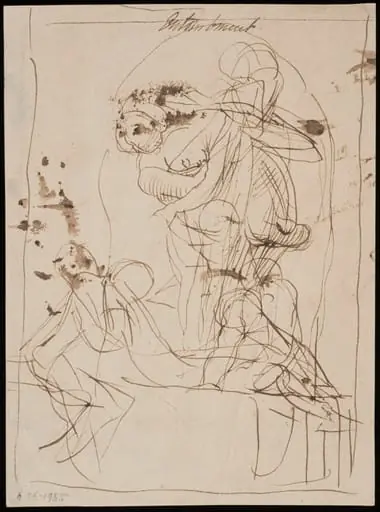 The Entombment
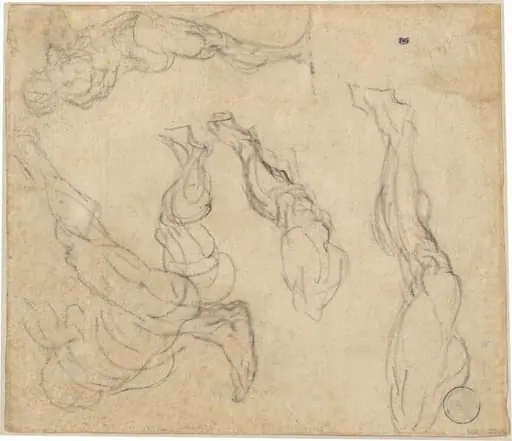 Head of a Boy (verso)
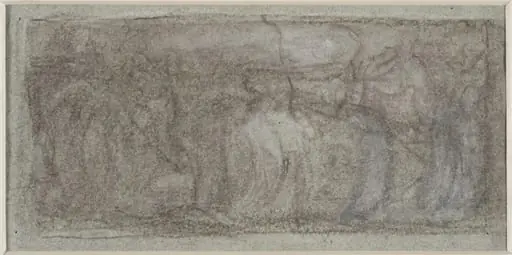 The Harvest Moon.