Artwork
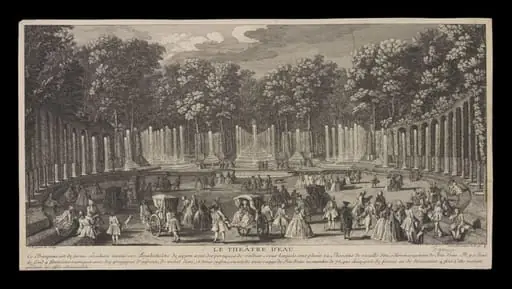
Le Théâtre d'Eau
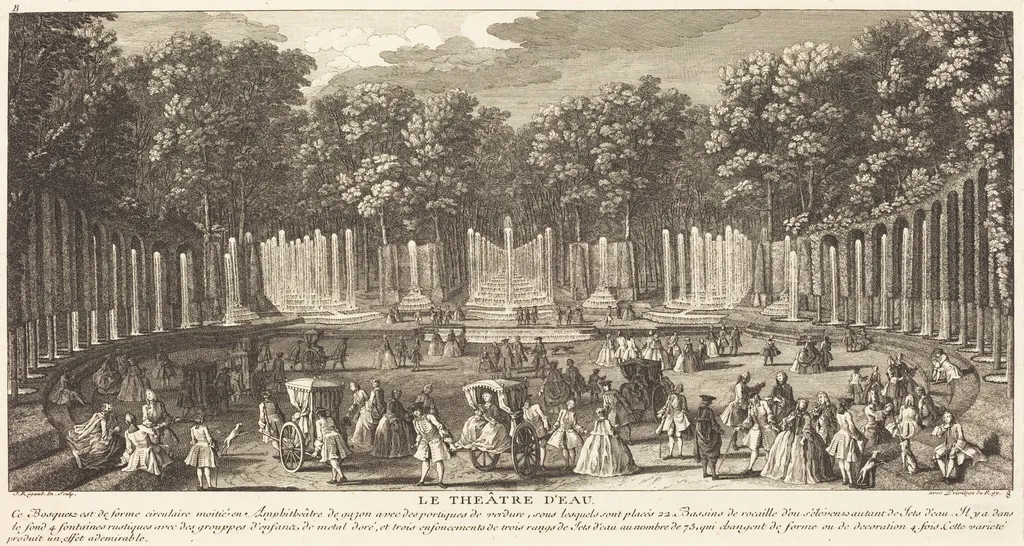
Le Théâtre d'Eau is an ink print by the Baroque artist Jean-Baptiste Rigaud. It dates from 1746 and is held in the collection of the National Gallery of Art.
About this work
Overview
Le Théâtre d'Eau is a 1746 print by Jean-Baptiste Rigaud, combining etching and engraving to depict a hydraulic spectacle in a formal garden.
Le Théâtre d'Eau is a 1746 print by Jean-Baptiste Rigaud, combining etching and engraving to depict a hydraulic spectacle in a formal garden. The scene captures a public performance where water jets serve as both decoration and theatrical element, framed by trees and attended by elegantly dressed spectators. The composition conveys movement and order, reflecting the engineered artistry of 18th-century landscape design.
Subject & Meaning
The print portrays a water-based performance in a royal garden, where fountains choreograph rhythmic sprays as the central spectacle. Attendees in period attire, including those in carriages, observe the display as a curated entertainment. The title, meaning 'Water Theatre,' underscores the integration of nature and artifice—water is not merely background but the performer, symbolizing control over the natural world for aesthetic and political ends.
Technique & Style
Rigaud employed etching and engraving to achieve fine detail and tonal contrast, rendering the spray of water, fabric textures, and architectural elements with precision. The interplay of sharp linear marks and subtle shading creates depth and realism, mimicking the illusion of a staged scene. The technique allows for both clarity in form and atmospheric nuance, enhancing the theatricality of the outdoor setting.
History & Provenance
Created in 1746, the print likely circulated among aristocratic collectors and garden enthusiasts familiar with French courtly entertainments. It may have been produced to commemorate a specific event at Versailles or another royal estate where water features were central to spectacle. Its survival suggests it was valued as both artistic record and status object within elite circles.
Context
In mid-18th-century France, elaborate water displays were emblematic of royal power and technical mastery, particularly in the gardens of Versailles and other formal estates. These performances combined engineering, music, and choreography to impress visitors. Rigaud’s print reflects a broader cultural fascination with controlled nature, where artifice and nature merged to affirm social hierarchy and aesthetic ideals.
Legacy
Le Théâtre d'Eau endures as a document of transient courtly entertainment, preserving a form of spectacle now largely lost to time. It offers insight into how water was mobilized as performance art, influencing later landscape design and the visual representation of public spectacle. The print remains a key reference for understanding the intersection of technology, leisure, and visual culture in Enlightenment France.
Artist & collection


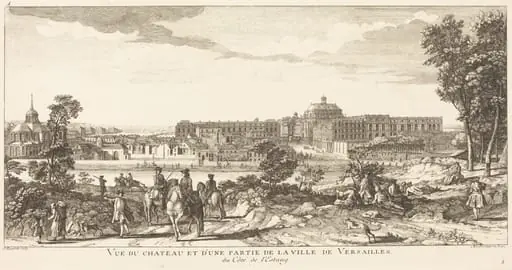 Vue du Chateau et d'une Partie de la Ville deVersailles
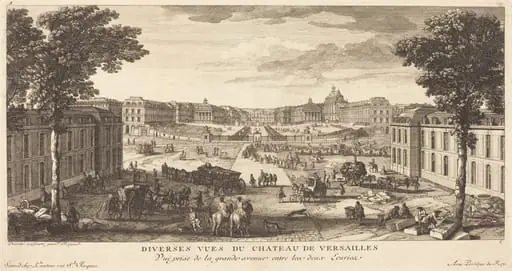 Vue Prise de la grande avenue entre les deux Ecuries
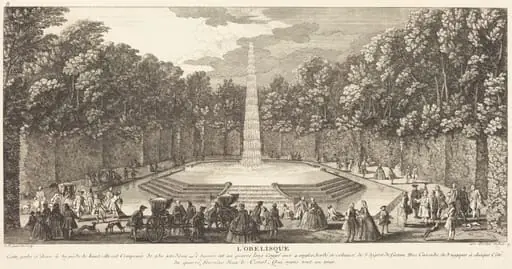 L'Obelisque
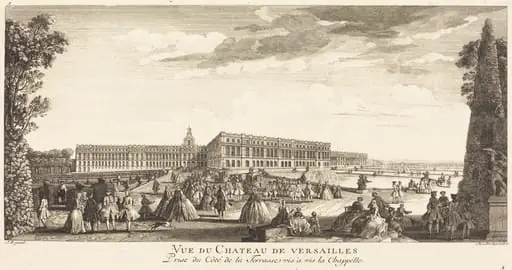 Vue du Chateau de Versailles Prise du Cote dela Terrasse vis a vis la Chapelle
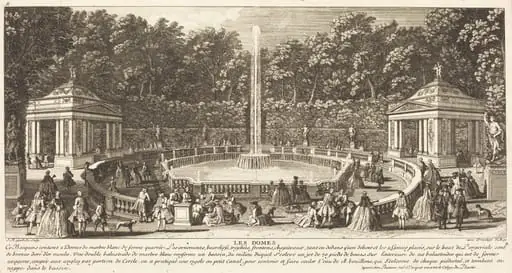 Les Domes
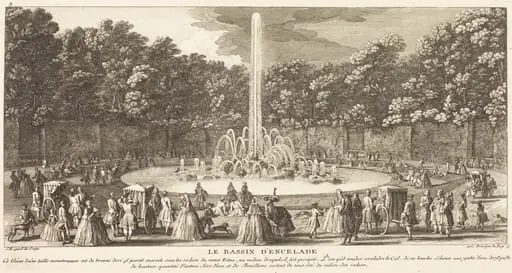 Le Bassin d'Encelade
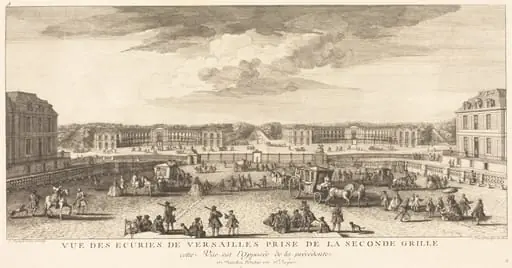 Vue des Ecuries de Versailles Prise de la Seconde Grille
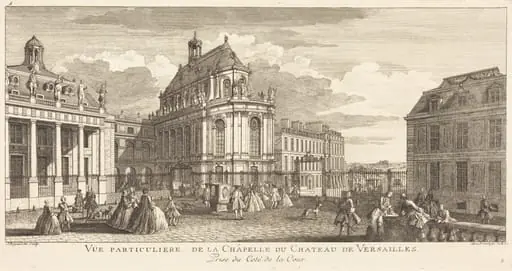 Vue Particuliere de la Chapelle du Chateau deVersailles
 H Beard Print Collection
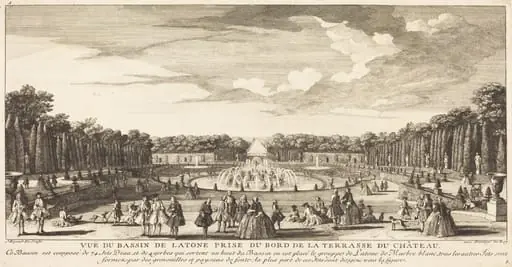 Vue du Bassin de Latone Prise du Bord de la Terrasse du Chateau
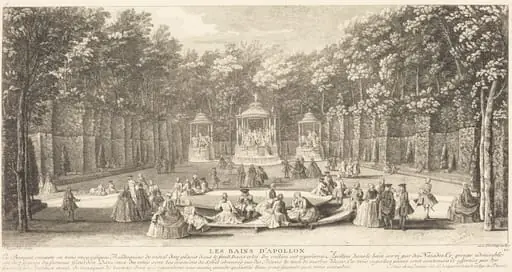 Les Bains d'Apollon
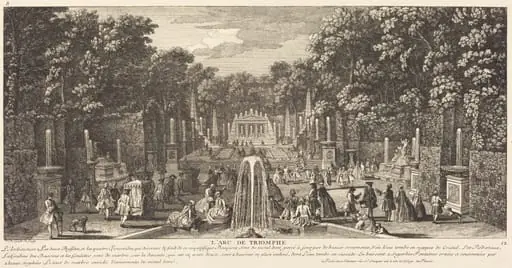 L'Arc de Triomphe
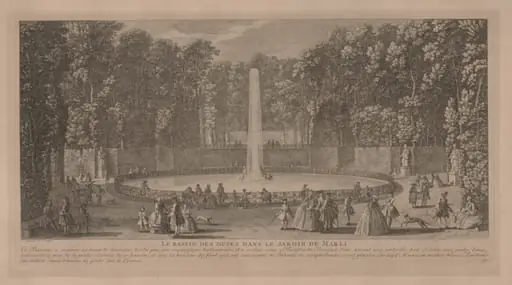 Pool of the Muses at Marli
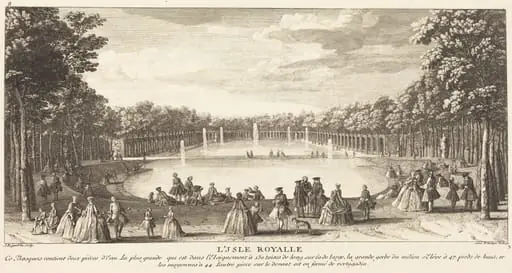 L'Isle Royalle
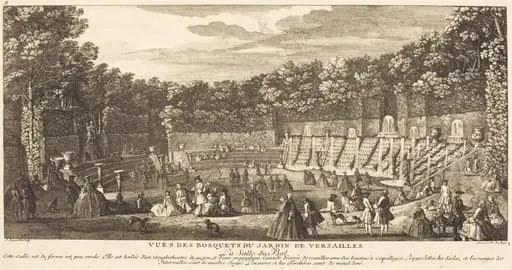 La Salle du Bal
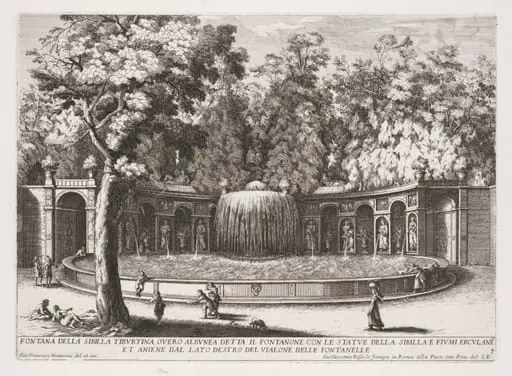 The Fountains of Rome (Le fontane di Roma), Book IV, plate 7: Fountain of the Tiburtine Sibyl (Fontana della Sibilla Tiburtina)
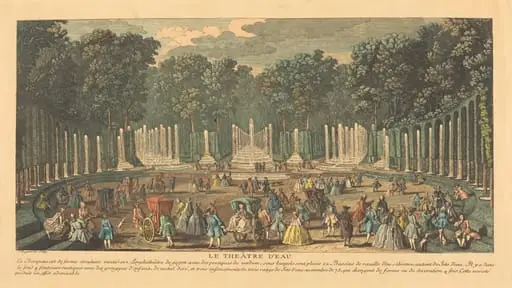 The Theatre of Water (Le Théâtre d'Eau)