Artwork
L'Obelisque
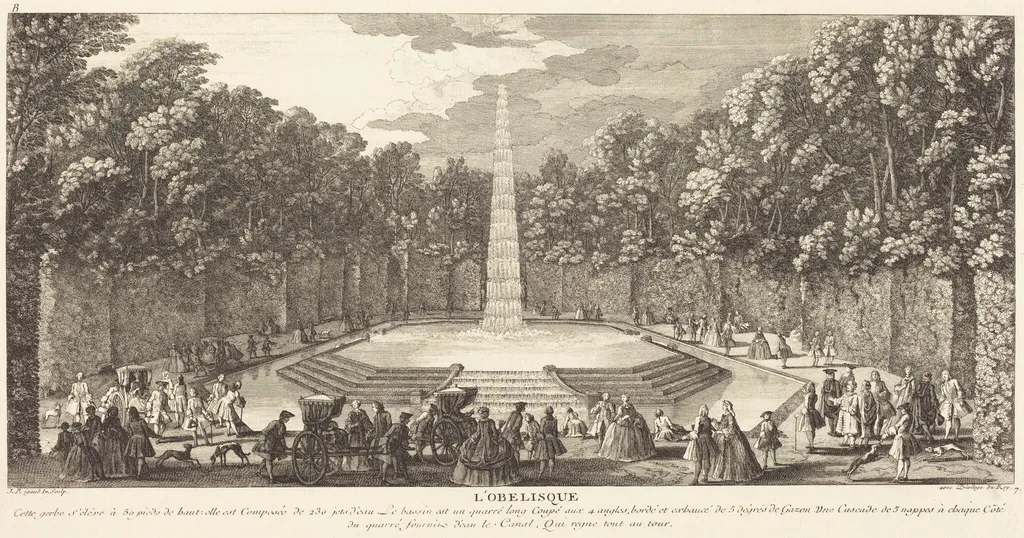
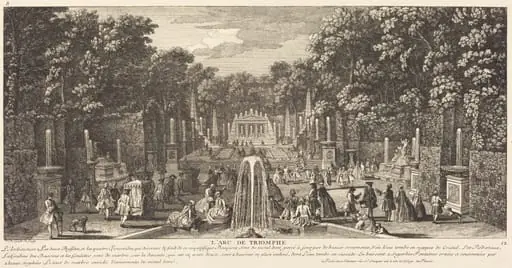
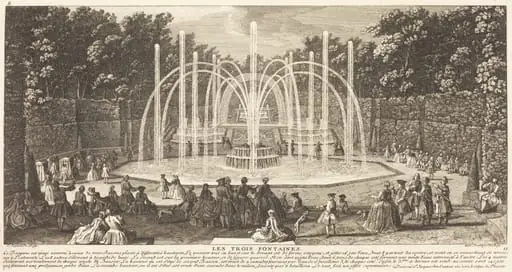
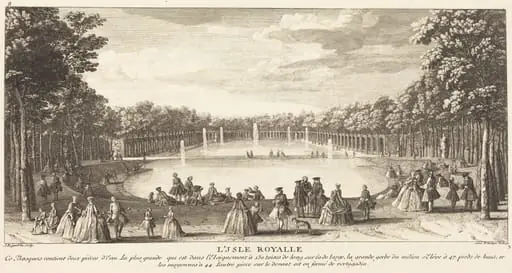
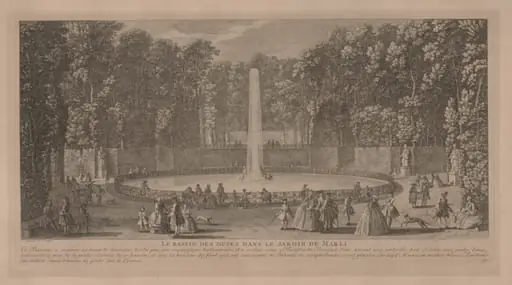
L'Obelisque is an ink print by the Baroque artist Jean-Baptiste Rigaud. It dates from 1746 and is held in the collection of the National Gallery of Art.
About this work
Overview
Rigaud’s technique emphasizes texture and form through controlled line work and subtle tonal gradations.
L'Obelisque is a 1746 print by Jean-Baptiste Rigaud, executed in etching and engraving. It depicts a single Egyptian obelisk rendered with precise linear detail. The work was produced as part of a published volume focused on ancient Egyptian monuments, reflecting an 18th-century European interest in documenting antiquities. Rigaud’s technique emphasizes texture and form through controlled line work and subtle tonal gradations.
Subject & Meaning
The subject is an obelisk originally erected in ancient Egypt and later relocated to Paris in the 17th century. Rigaud’s depiction is not idealized but observational, recording the monument’s weathered surface, inscriptions, and structural imperfections. The print serves as a documentary record rather than a symbolic statement, aligning with scholarly efforts to preserve visual evidence of artifacts removed from their original contexts.
Technique & Style
Rigaud employed fine etched lines and engraved accents to capture the obelisk’s surface details—cracks, erosion, and hieroglyphic carvings. Light is suggested through varying line density and hatching, creating a sense of volume without wash or tone. The style is restrained and methodical, prioritizing accuracy over dramatic effect, consistent with the scientific aims of antiquarian illustration in the mid-18th century.
History & Provenance
The print was made as a plate for a published collection on Egyptian monuments, likely commissioned by an academic or antiquarian publisher. It reproduces the Luxor Obelisk, installed on the Place de la Concorde in 1836, though Rigaud worked from an earlier placement in the Jardin du Luxembourg. The work circulated among collectors and institutions interested in Egyptology before the field became formalized.
Context
In the 1740s, European scholars and artists were increasingly documenting ancient artifacts brought to France and other capitals. Rigaud’s print reflects this trend, part of a broader movement to classify and preserve visual records of non-European antiquities. Unlike later Romantic interpretations, his approach is neutral, emphasizing measurement and fidelity over emotional or exoticized representation.
Legacy
Rigaud’s prints, including L'Obelisque, remain valuable as early visual archives of Egyptian monuments before modern conservation. They appear in institutional collections such as the National Gallery of Art in Washington, D.C., where they contribute to studies on the transmission of classical imagery in Enlightenment Europe. His work exemplifies the transition from artistic interpretation to empirical documentation in print culture.
Artist & collection


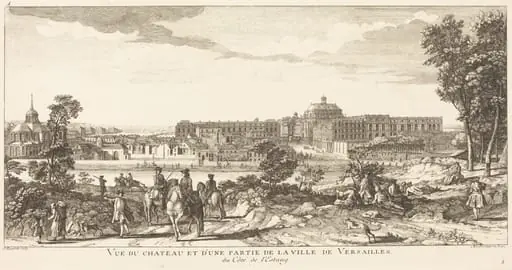 Vue du Chateau et d'une Partie de la Ville deVersailles
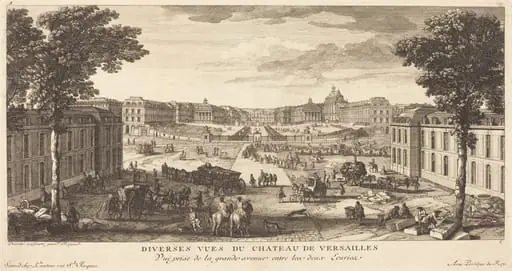 Vue Prise de la grande avenue entre les deux Ecuries
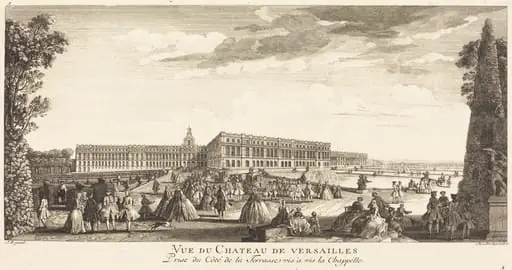 Vue du Chateau de Versailles Prise du Cote dela Terrasse vis a vis la Chapelle
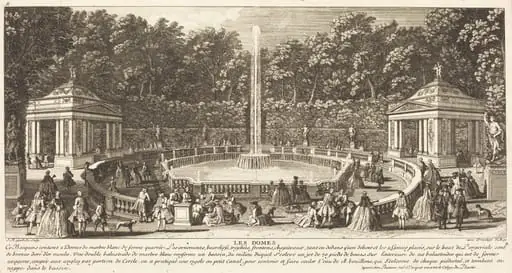 Les Domes
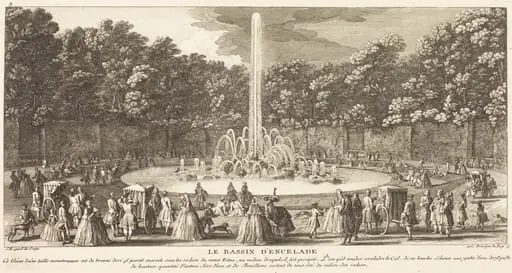 Le Bassin d'Encelade
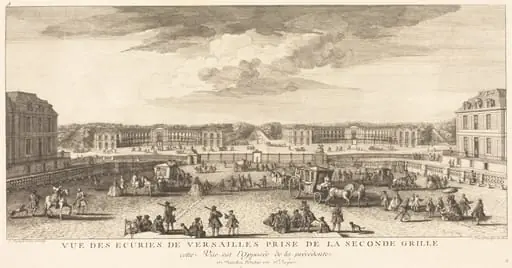 Vue des Ecuries de Versailles Prise de la Seconde Grille
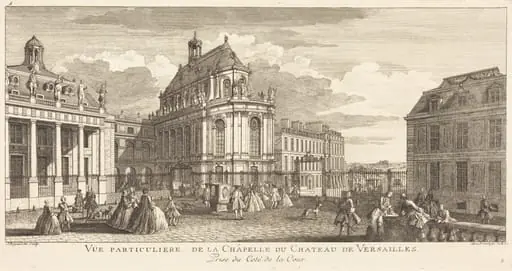 Vue Particuliere de la Chapelle du Chateau deVersailles
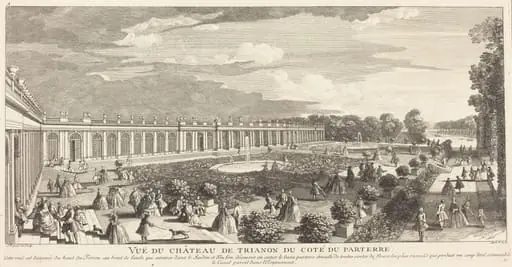 Vue du Chateau de Trianon du Cote du Parterre