Artwork
Vue du Bassin de Neptune dans le Jardin de Versailles
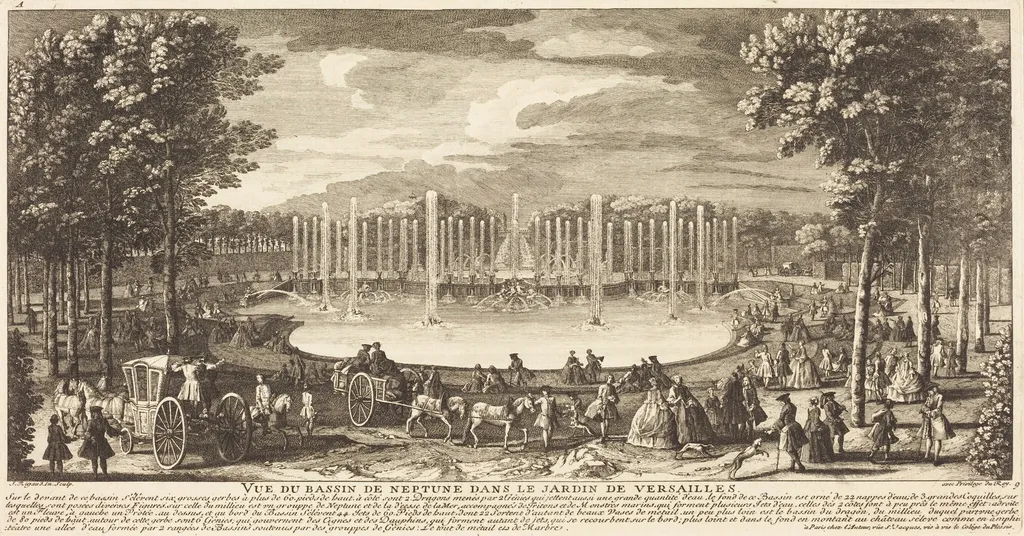
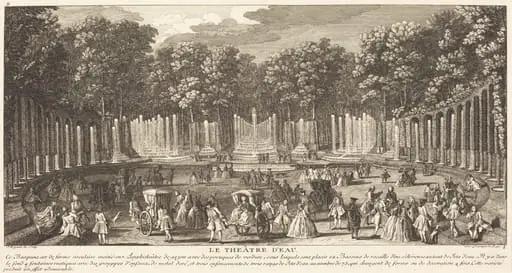
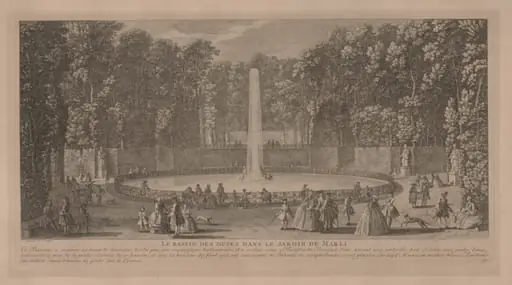
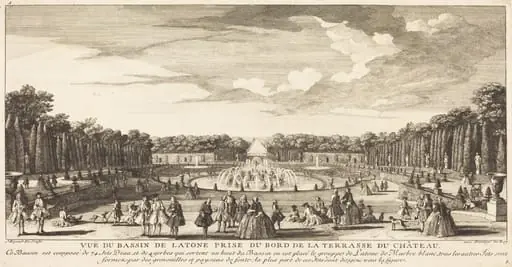
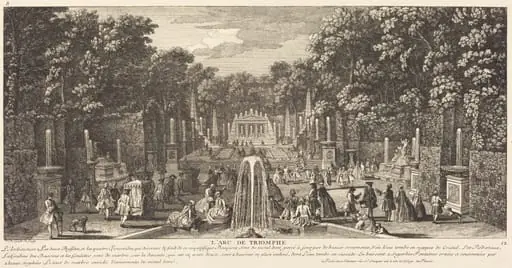
Vue du Bassin de Neptune dans le Jardin de Versailles is an ink print by the Baroque artist Jean-Baptiste Rigaud. It dates from 1746 and is held in the collection of the National Gallery of Art. Jean‑Baptiste Rigaud’s print, dated 1746, presents a precise representation of the Neptune Basin within the gardens of Versailles.
About this work
Overview
Jean‑Baptiste Rigaud’s print, dated 1746, presents a precise representation of the Neptune Basin within the gardens of Versailles. Executed as an etching combined with engraving, the image captures the architectural and sculptural elements surrounding the fountain, offering a snapshot of the formal French landscape design of the mid‑18th century.
Subject & Meaning
The composition focuses on the central water feature, highlighting the basin’s ornamental carvings and the statues that frame it. By rendering the garden’s orderly layout and decorative motifs, the work reflects the period’s emphasis on harmony between nature and artifice, illustrating the grandeur of royal garden spaces.
Technique & Style
Rigaud employed both etching and engraving to achieve a dense network of fine lines, allowing intricate detailing of stone reliefs, water ripples, and foliage. The juxtaposition of the softer tonal qualities of etching with the crisp, controlled strokes of engraving creates a balanced texture that emphasizes architectural precision.
History & Provenance
Produced in 1746, the print belongs to a series of images documenting Versailles’ gardens during the reign of Louis XV. While specific ownership records are limited, the work has been cited in catalogues of French printmaking and is held in several museum collections that specialize in 18th‑century graphic arts.
Context
The Neptune Basin, part of the extensive Versailles garden designed by André Le Nôtre, served both as a decorative focal point and a display of hydraulic engineering. Rigaud’s depiction aligns with contemporary interests in documenting royal estates, serving both as a visual record and as a means of disseminating the aesthetic ideals of French classicism.
Artist & collection


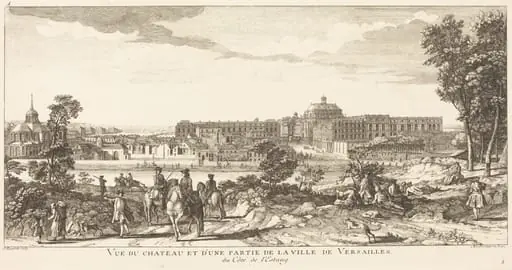 Vue du Chateau et d'une Partie de la Ville deVersailles
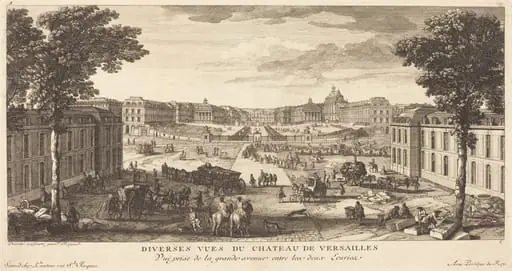 Vue Prise de la grande avenue entre les deux Ecuries
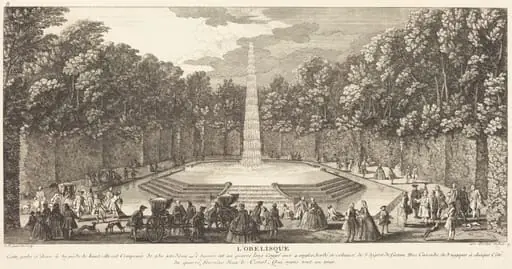 L'Obelisque
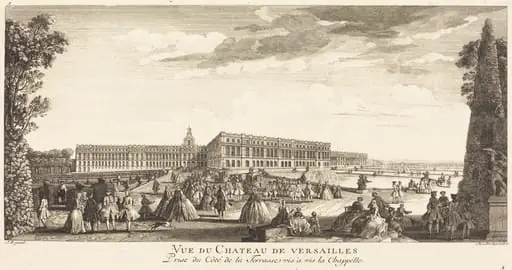 Vue du Chateau de Versailles Prise du Cote dela Terrasse vis a vis la Chapelle
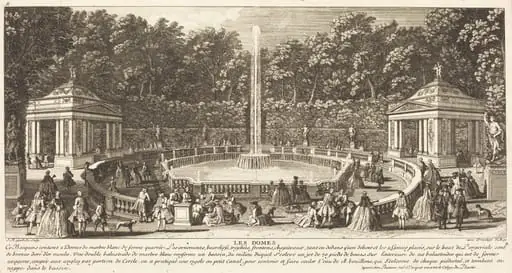 Les Domes
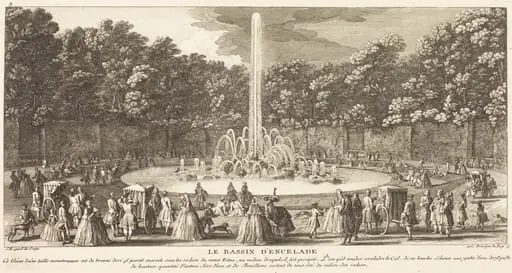 Le Bassin d'Encelade
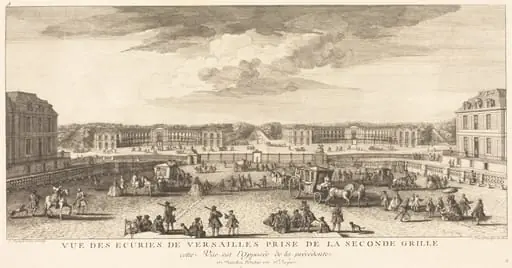 Vue des Ecuries de Versailles Prise de la Seconde Grille
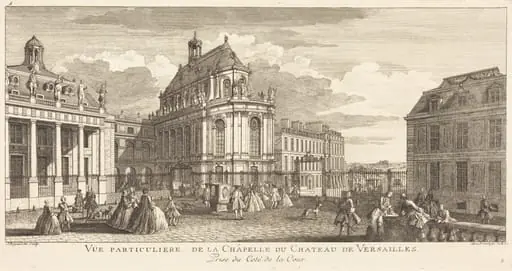 Vue Particuliere de la Chapelle du Chateau deVersailles