Artwork
Charles Apthorp
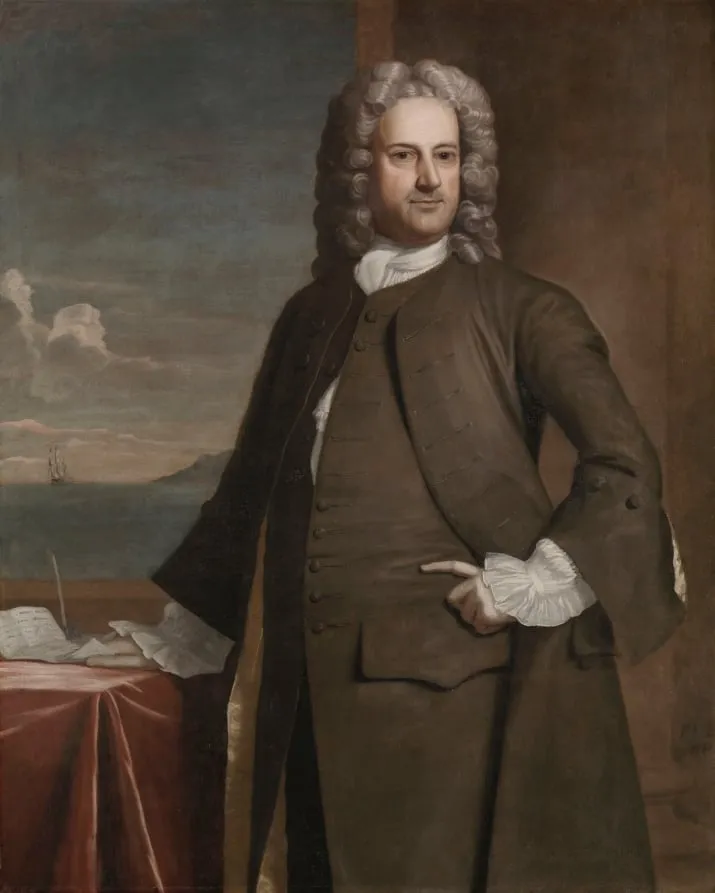
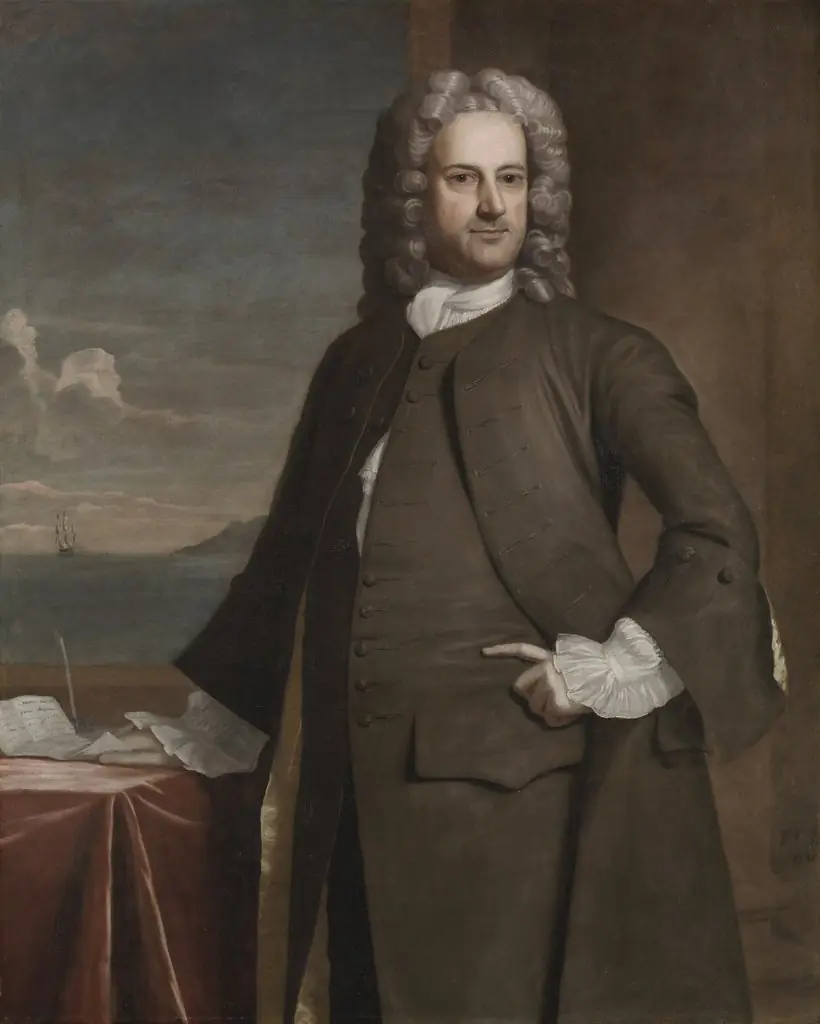
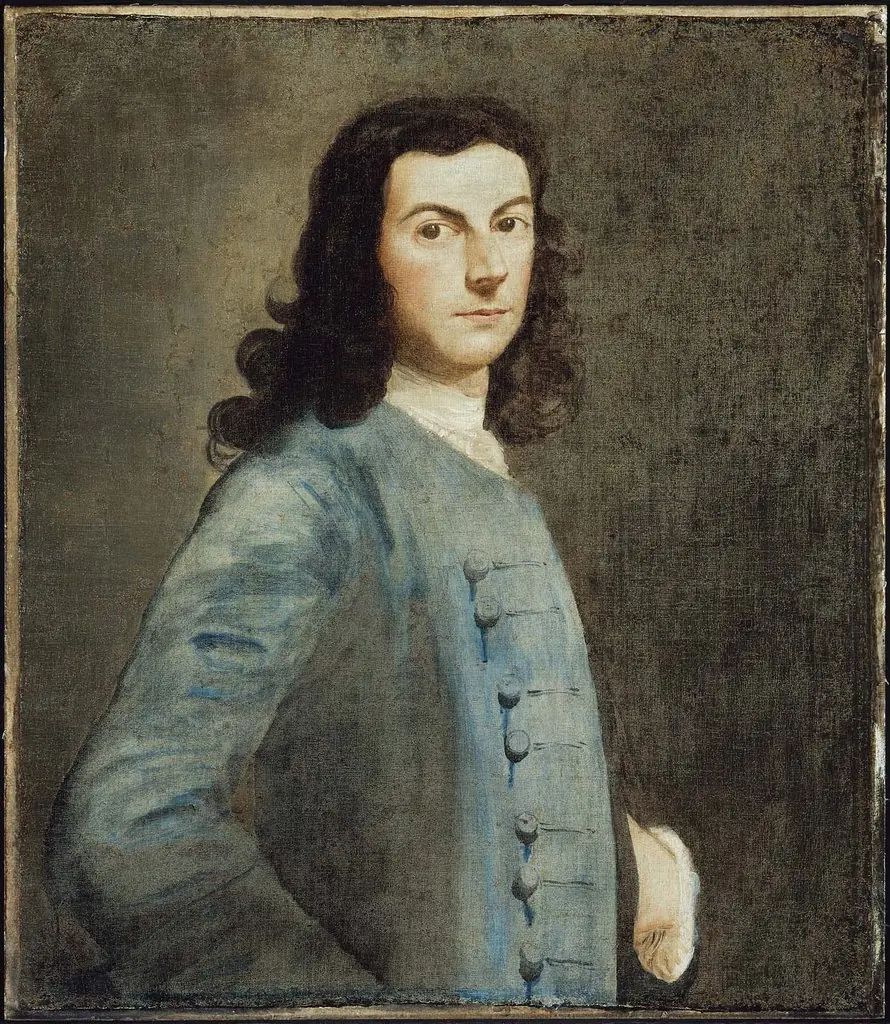
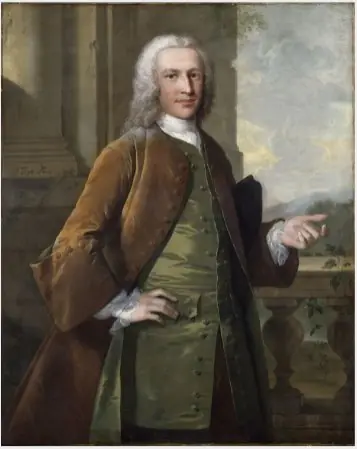
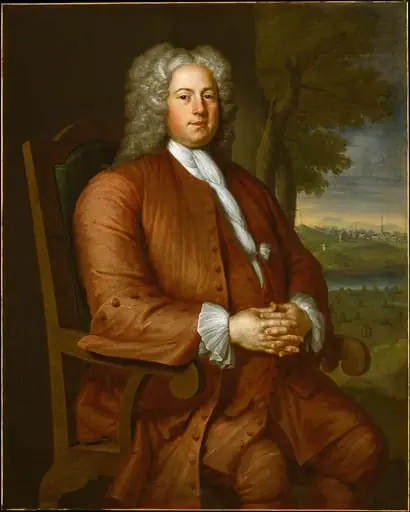
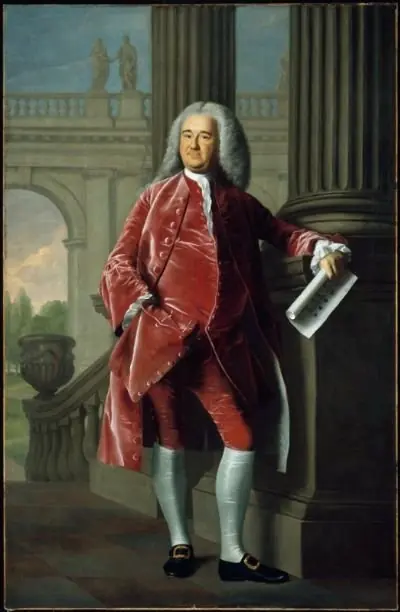
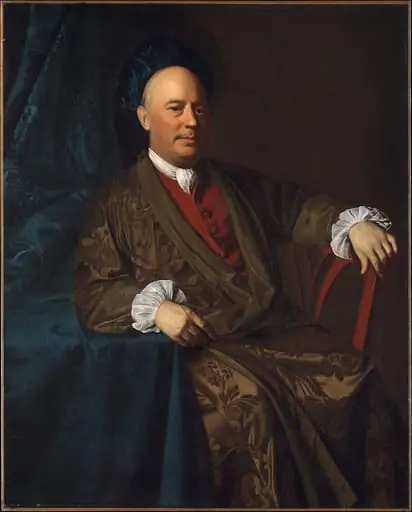
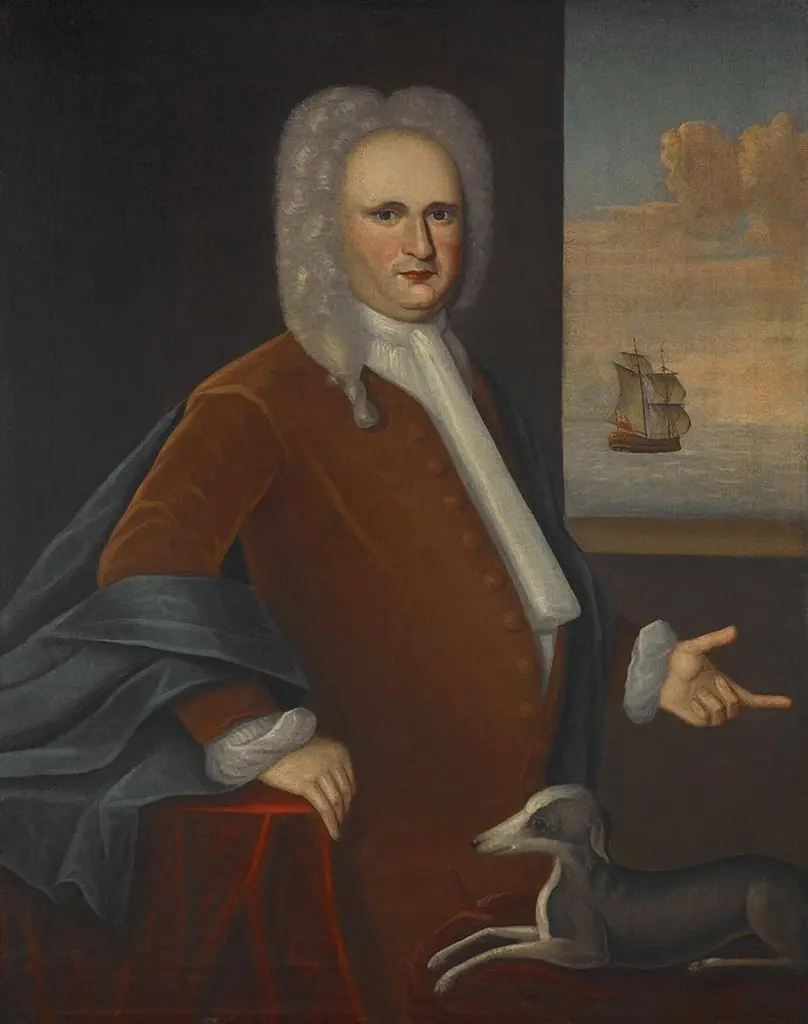
Charles Apthorp is an unspecified painting by the American Impressionist artist Robert Feke. It dates from 1748 and is held in the collection of the Cleveland Museum of Art.
About this work
Overview
The portrait, executed by Boston‑based artist Robert Feke, presents Charles Apthorp, a leading merchant of the mid‑18th century, in a formal pose beside a window that frames a distant sailing vessel. Dressed in a dark red coat with a white cravat, Apthorp’s confident stance and the subtle maritime backdrop convey both his personal status and his commercial reach across the Atlantic.
Subject & Meaning
The portrait thus functions as a self‑crafted statement of wealth, influence, and the economic networks that underpinned Boston’s growth.
Apthorp’s representation emphasizes his role as a pivotal figure in colonial trade. The inclusion of a ship beyond the window serves as a visual reference to his extensive involvement in trans‑Atlantic commerce, which encompassed textiles, wine, firearms, and the transport of enslaved people. The portrait thus functions as a self‑crafted statement of wealth, influence, and the economic networks that underpinned Boston’s growth.
Technique & Style
Feke employs a restrained palette and precise brushwork to render the textures of fabric and metal, while the background remains loosely suggested, allowing the figure to dominate the composition. The pose is formal and slightly rigid, reflecting contemporary portrait conventions that favored dignified representation over naturalism, and the subtle chiaroscuro highlights the three‑dimensionality of Apthorp’s attire.
History & Provenance
Commissioned shortly after Feke’s arrival in Boston, the painting likely remained in the Apthorp family for several generations before entering public collections in the 20th century. Documentation of its early ownership is limited, but archival records confirm the portrait’s attribution to Feke and its association with the merchant’s estate during the colonial period.
Context
In the decades preceding the American Revolution, Boston’s economy was heavily tied to the Atlantic trade, including the slave trade, which supplied a substantial portion of the city’s wealth. Apthorp’s portrait exemplifies how colonial elites used portraiture to assert their commercial success and social standing, while the maritime motif subtly acknowledges the broader, often troubling, foundations of that prosperity.
Artist & collection