Artwork
The Temple of Flora, or Garden of Nature: The Narrow-leaved Kalmia
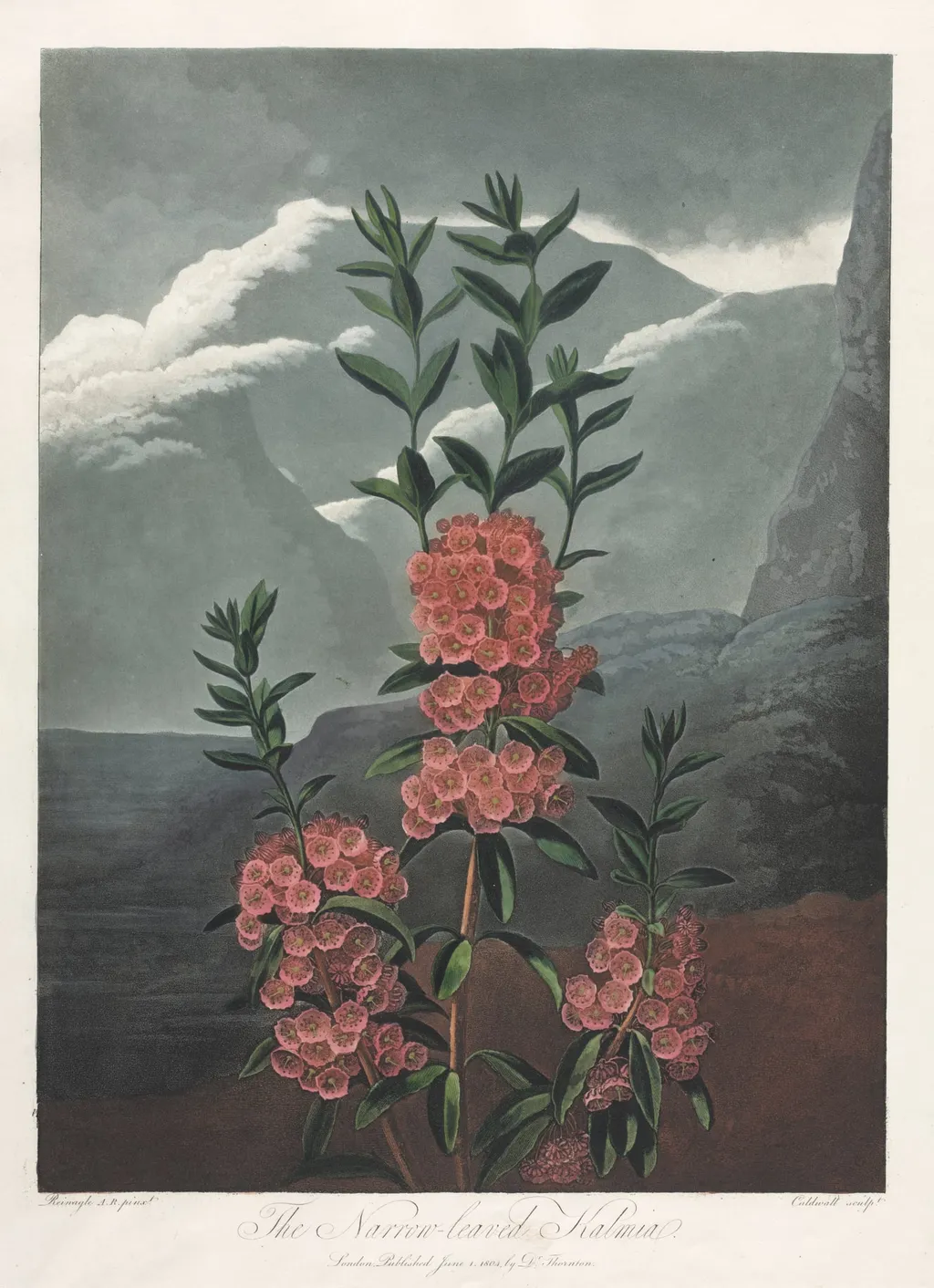
The Temple of Flora, or Garden of Nature: The Narrow-leaved Kalmia is a print by the Romanticist artist Robert John Thornton. It dates from 1804 and is held in the collection of the Cleveland Museum of Art.
About this work
Overview
Created in 1804 by Robert John Thornton, this print is part of a larger botanical project titled The Temple of Flora, or Garden of Nature.
Created in 1804 by Robert John Thornton, this print is part of a larger botanical project titled The Temple of Flora, or Garden of Nature. It depicts a single specimen of the narrow-leaved kalmia, a flowering shrub native to eastern North America. Rendered with precision, the image serves both scientific and aesthetic purposes, reflecting the early 19th-century interest in documenting plant life through detailed visual records.
Subject & Meaning
The narrow-leaved kalmia, known for its clusters of pink blossoms and slender foliage, is presented in isolation against a soft, atmospheric backdrop. This focus emphasizes the plant’s structural elegance and natural form, aligning with Enlightenment ideals of classification and observation. The title and composition suggest reverence for nature’s order, positioning the plant as an object of quiet contemplation rather than mere decoration.
Technique & Style
The print employs fine line work and delicate tonal gradations to render the petals with a sense of volume and texture. Soft washes of pink, green, and muted blue-gray define the plant and sky, avoiding sharp contrasts. The background’s hazy hills and clouded sky create depth without distraction, allowing the botanical subject to dominate. The technique reflects the influence of botanical illustration traditions, prioritizing accuracy over dramatic effect.
History & Provenance
This print originates from Thornton’s ambitious publication, The Temple of Flora, issued between 1799 and 1812. Designed as a lavish botanical atlas, it combined scientific detail with artistic presentation. The Cleveland Museum of Art acquired the work as part of its collection of historical botanical prints, preserving it as an example of early modern plant documentation in the Western tradition.
Context
During the early 1800s, European and American naturalists were systematically cataloging flora from newly explored regions. Thornton’s work emerged amid this wave of scientific inquiry, supported by patrons interested in both knowledge and beauty. The print reflects a cultural moment when botany was seen as a noble pursuit, blending empirical study with artistic expression in illustrated volumes.
Legacy
Thornton’s prints, including this one, remain valued for their fidelity to botanical form and their role in shaping public understanding of plant life. Though later scientific illustrations became more standardized, his work retains historical significance for its integration of art and natural science. Today, such prints are studied as artifacts of early botanical culture and visual taxonomy.
Artist & collection

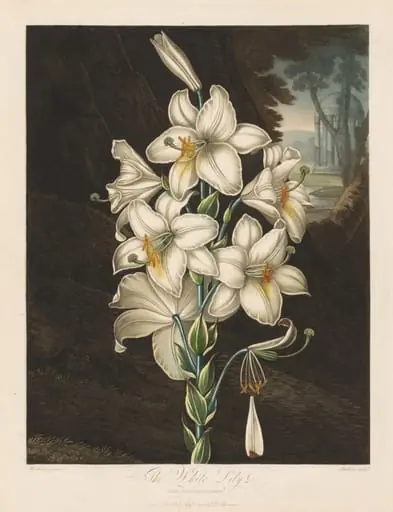 The Temple of Flora, or Garden of Nature: The White Lily with Variegated Leaves
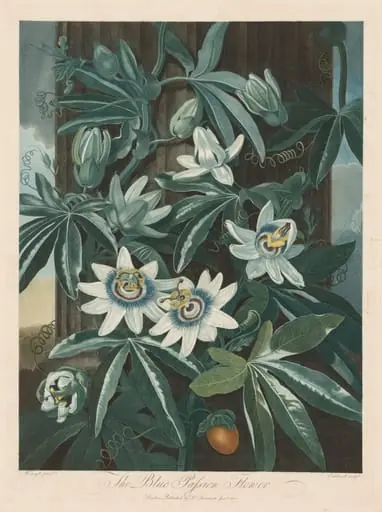 The Blue Passion-flower
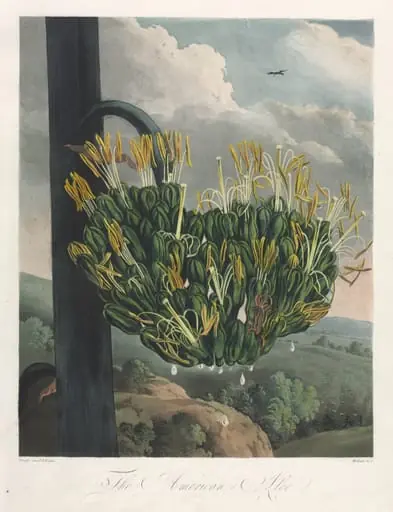 The Temple of Flora, or Garden of Nature: The American Aloe
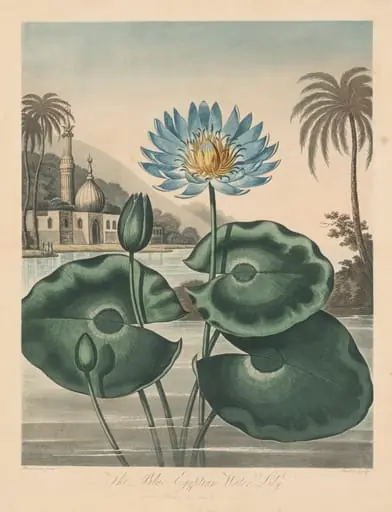 The Temple of Flora, or Garden of Nature: Blue Egyptian Waterlily
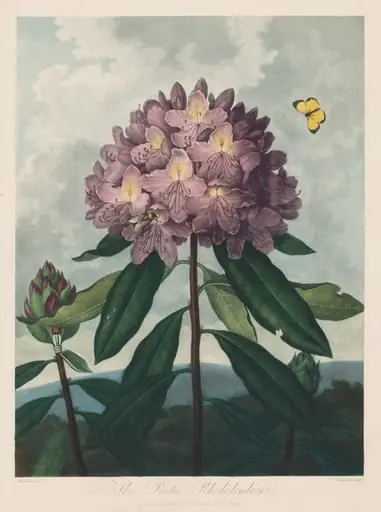 The Temple of Flora, or Garden of Nature: The Pontic Rhododendron
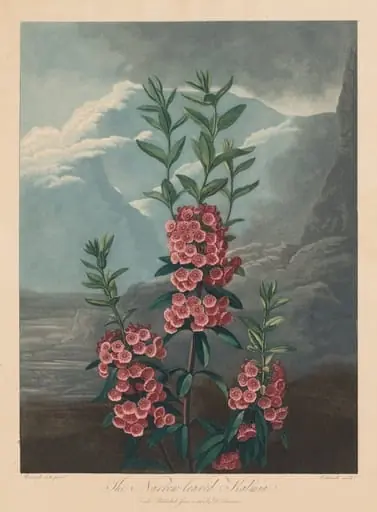 The Temple of Flora, or Garden of Nature: The Narrow-leaved Kalmia, Mountain Laurel
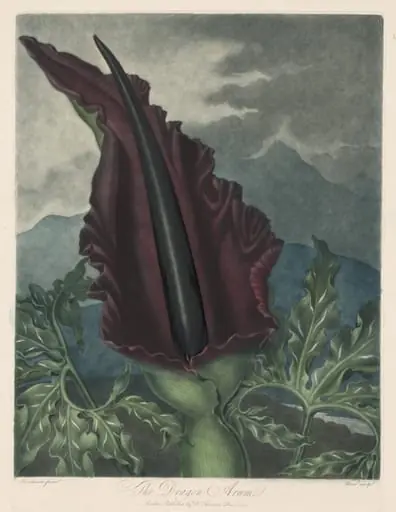 The Dragon Arum, Black Calla or Solomon's Lily
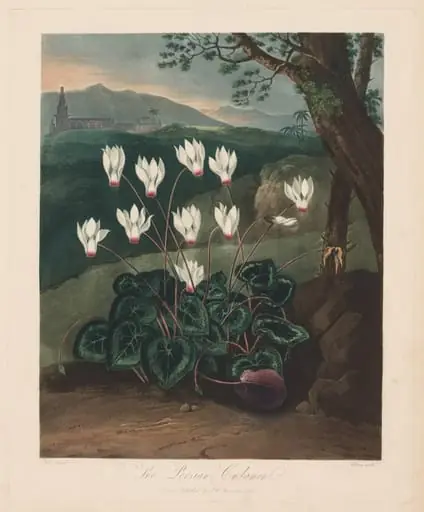 The Temple of Flora, or Garden of Nature: The Persian Cyclamen
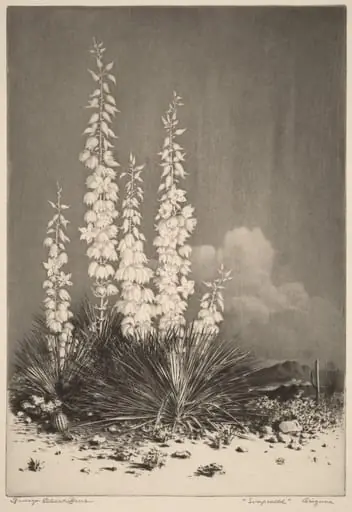 Soapweed, Arizona (no. 2)
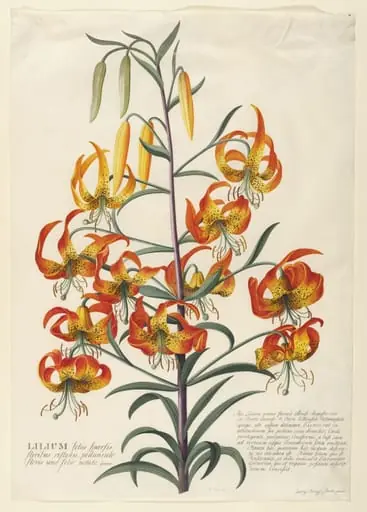 American Turk's-cap lily (Lilium superbum)
![The Botanical Magazine or Flower Garden Displayed: Plate 966, Erica Elegans. Elegant Heath [Erica glauca], by Francis Sansom](https://artifactworldgallery.com/img/francis-sansom--the-botanical-magazine-or-flower-garden-displayed-plate-966--b9381ec4a3e97cd7-w320.webp) The Botanical Magazine or Flower Garden Displayed: Plate 966, Erica Elegans. Elegant Heath [Erica glauca]
The Botanical Magazine or Flower Garden Displayed: Plate 966, Erica Elegans. Elegant Heath [Erica glauca]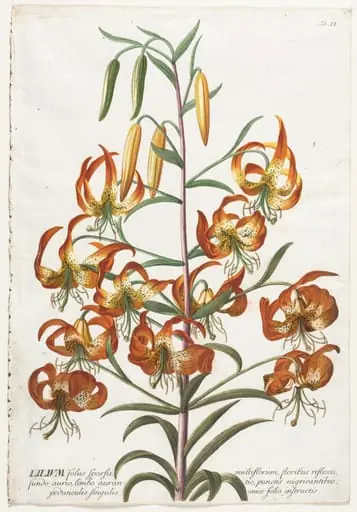 Plantae Selectae: No. 11 - Lily
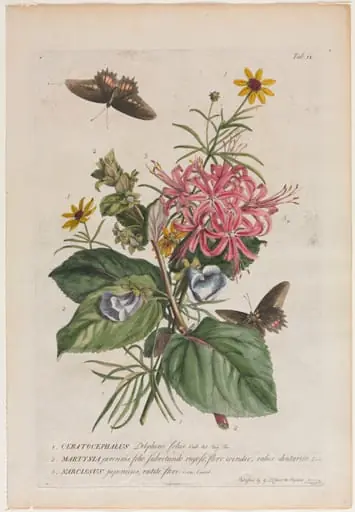 Plantae et papiliones rariores: No. 9
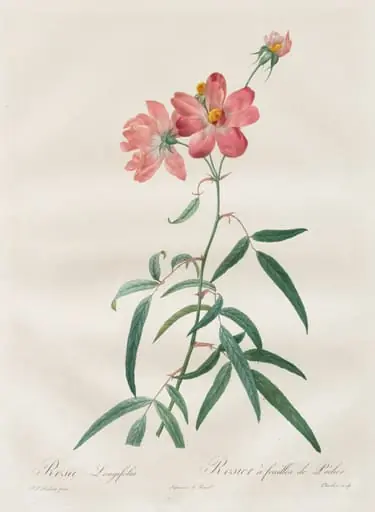 Les Roses: Rosa Longifolia
![The Botanical Magazine or Flower Garden Displayed: Plate 944, Dillwynia Glaberrima. Smooth-Leaved Dillwynnia. [Dillwynia ericifolia gaberrima], by Francis Sansom](https://artifactworldgallery.com/img/francis-sansom--the-botanical-magazine-or-flower-garden-displayed-plate-944--842a60310bc6a2eb-w320.webp) The Botanical Magazine or Flower Garden Displayed: Plate 944, Dillwynia Glaberrima. Smooth-Leaved Dillwynnia. [Dillwynia ericifolia gaberrima]
The Botanical Magazine or Flower Garden Displayed: Plate 944, Dillwynia Glaberrima. Smooth-Leaved Dillwynnia. [Dillwynia ericifolia gaberrima]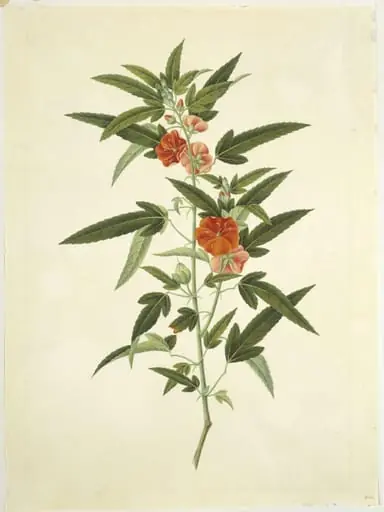 Scarlet Pentapetes