Artwork
Henri-Auguste de Loménie Comte de Brienne
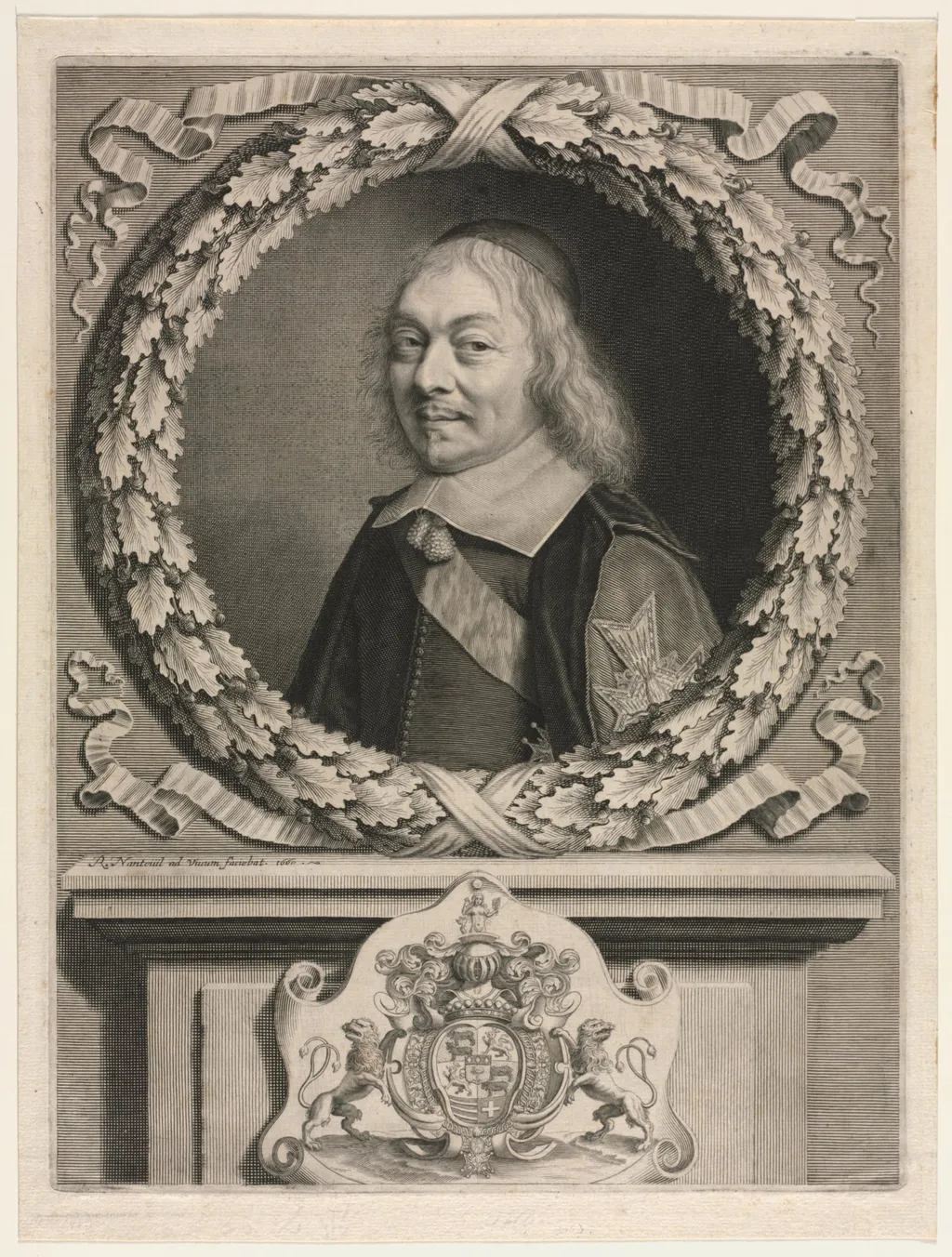
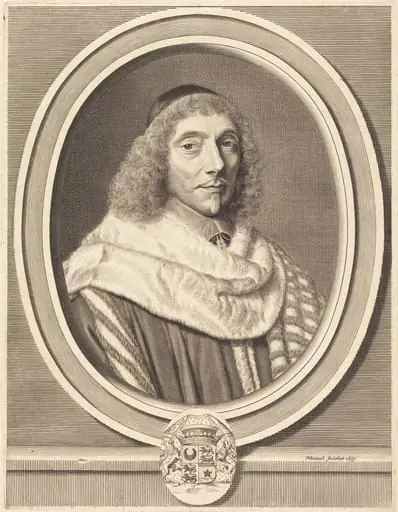
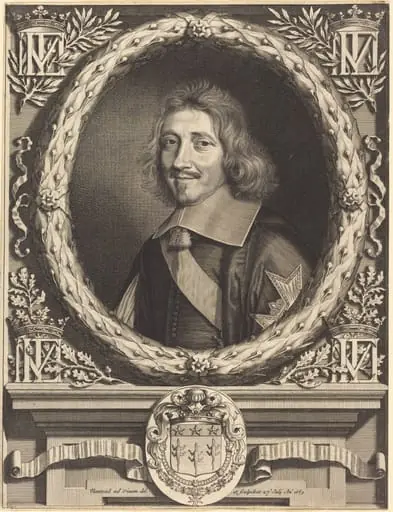
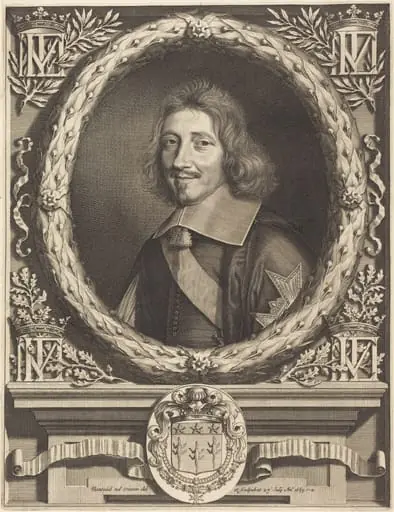
Henri-Auguste de Loménie Comte de Brienne is a print by the Baroque artist Robert Nanteuil. It dates from 1660 and is held in the collection of the Cleveland Museum of Art.
About this work
Overview
Nanteuil, a leading portraitist at the court of Louis XIV, employed the precision of engraving to capture the subject’s likeness with formal dignity.
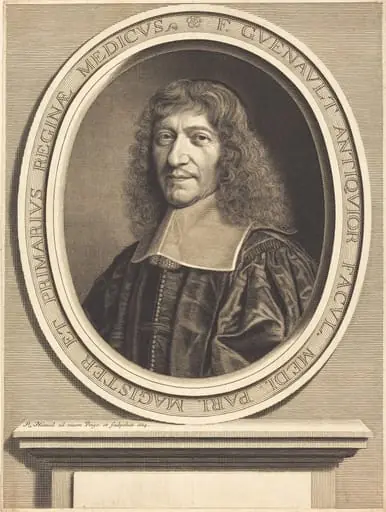
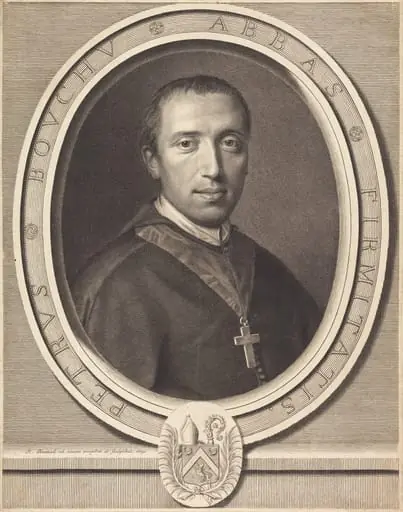
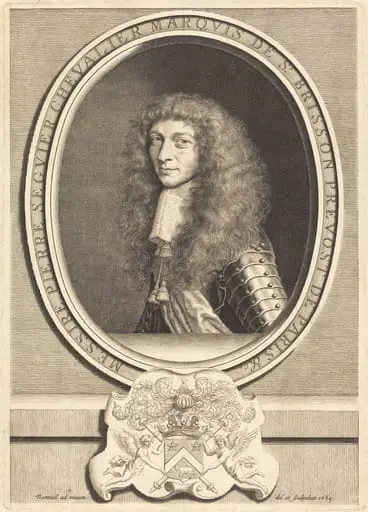
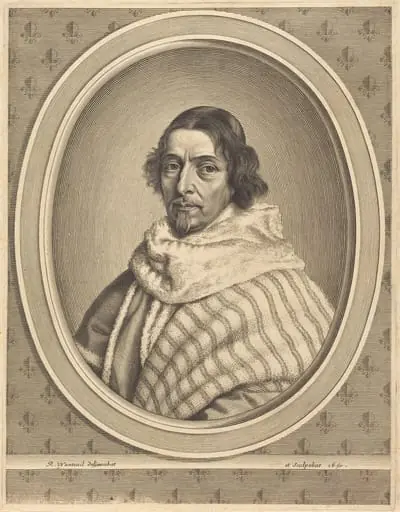
Created in 1660 by Robert Nanteuil, this engraving depicts Henri-Auguste de Loménie, Comte de Brienne, a French nobleman and statesman. Nanteuil, a leading portraitist at the court of Louis XIV, employed the precision of engraving to capture the subject’s likeness with formal dignity. The work reflects the era’s emphasis on status and representation through controlled, detailed imagery, typical of royalist portraiture in mid-17th-century France.
Subject & Meaning
The Comte de Brienne is portrayed with a composed, direct gaze, conveying authority and gravitas. His attire—black coat, lace cuffs, and high collar—signals aristocratic rank, while the heraldic shield and ornamental wreath behind him reinforce his noble lineage and official standing. These elements were not merely decorative but served as visual affirmations of social position, aligning the subject with the values of the French court.
Technique & Style
Nanteuil used fine, controlled lines to model the contours of the face and fabric, achieving subtle tonal variation without color. The engraving’s meticulous cross-hatching renders the texture of lace and the sheen of silk, while the wreath and coat of arms are rendered with geometric clarity. This approach exemplifies the Baroque preference for realism tempered by formal structure, emphasizing precision over emotional expression.
History & Provenance
Commissioned during Nanteuil’s tenure as a court engraver, the portrait likely served as a diplomatic or familial keepsake. As one of many such portraits produced for the French elite, it circulated among aristocratic circles, reinforcing the subject’s public image. The work remains part of institutional collections today, valued for its historical documentation and technical refinement.
Context
In the reign of Louis XIV, portraiture functioned as a tool of political and social affirmation. Nanteuil’s engravings were instrumental in disseminating the likenesses of court figures beyond the palace, shaping public perception of power. This portrait aligns with a broader trend of using print to stabilize and propagate aristocratic identity during a period of centralized monarchical authority.
Legacy
Nanteuil’s engravings set a standard for French portraiture in the late 17th century, influencing both contemporaries and later printmakers. His ability to convey character through line alone elevated engraving from mere reproduction to a respected artistic medium. This portrait endures as a representative example of how status was visually codified in the era’s graphic arts.
Artist & collection
Artist
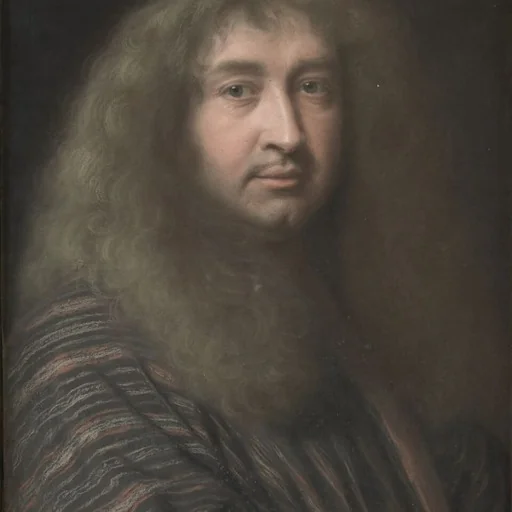
Robert Nanteuil (French pronunciation: ; 1623 – 9 December 1678) was a French portrait artist: engraver, draughtsman and pastellist to the court of Louis XIV.