Artwork
Lady Anne Pope
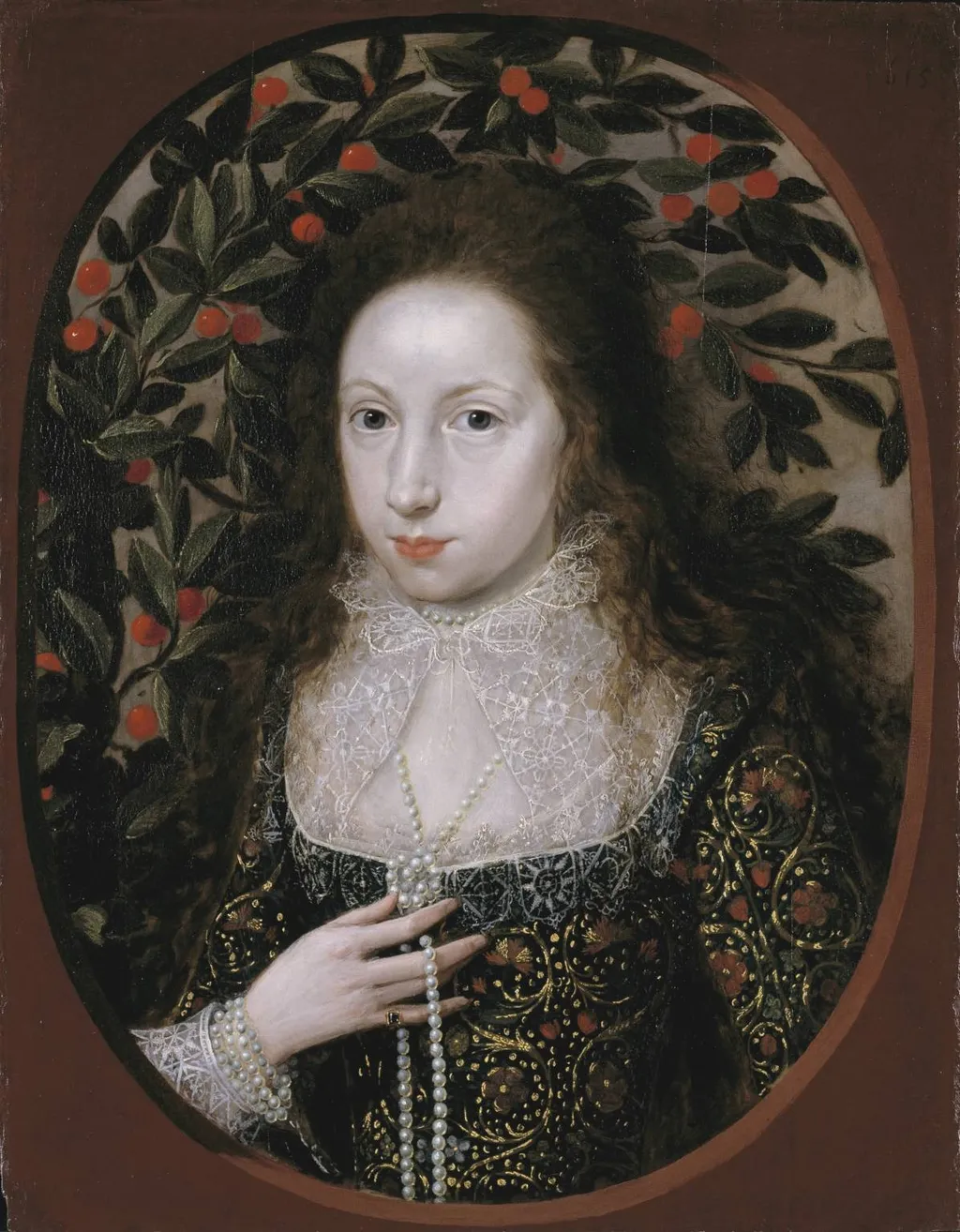
Lady Anne Pope is an oil painting by the Early Baroque Italian artist Robert Peake the elder. It dates from 1615 and is held in the collection of the Tate Britain.
About this work
If you're interested in learning more about the artist behind this portrait, you might want to look up Robert Peake the elder.
The painting depicts a woman with long, curly brown hair and a dark dress adorned with gold embroidery. She wears a white lace collar and holds a string of pearls in her right hand.
The woman's attire and hairstyle suggest a formal portrait from the early 17th century. The use of oil paint and the level of detail in the embroidery and lace indicate a high level of skill and craftsmanship.
If you're interested in learning more about the artist behind this portrait, you might want to look up Robert Peake the elder.
Overview
Created in 1615, this full‑length oil portrait presents a woman dressed in a dark, gold‑embroidered gown with a white lace collar, her long curly hair framing a composed expression. She holds a string of pearls in her right hand, a detail that underscores the work’s focus on refined materiality and status.
Subject & Meaning
The sitter, identified as Lady Anne Pope, is portrayed with the dignified bearing typical of early‑seventeenth‑century English portraiture. The luxurious fabrics, lace, and pearls serve not only as markers of wealth but also as visual symbols of virtue and genteel refinement, aligning the portrait with contemporary conventions of representing noble femininity.
Technique & Style
Executed in oil on canvas, the painting showcases meticulous rendering of texture—from the sheen of gold embroidery to the delicate translucency of lace. Peake’s handling of colour is vivid yet restrained, employing a palette that highlights the contrast between the dark dress and the luminous accessories, reflecting the early Baroque influence permeating English court art at the time.
History & Provenance
The work was painted by Robert Peake the Elder, who served as serjeant‑painter to King James I and earlier as picture‑maker to Prince Henry. After remaining in private hands for centuries, the portrait entered the collection of Tate Britain, where it is now displayed as part of the museum’s holdings of early modern English painting.
Context
Peake’s career spanned the transition from the Elizabethan to the Jacobean era, a period marked by increasing adoption of continental artistic trends. This portrait exemplifies how English court painters incorporated Italian Baroque elements—such as dramatic lighting and rich ornamentation—while maintaining a distinctly English approach to portraiture.
Artist & collection
Artist
Robert Peake the Elder (c. 1551–1619) was an English painter active in the later part of Elizabeth I's reign and for most of the reign of James I. In 1604, he was appointed picture maker to the heir to the throne,…

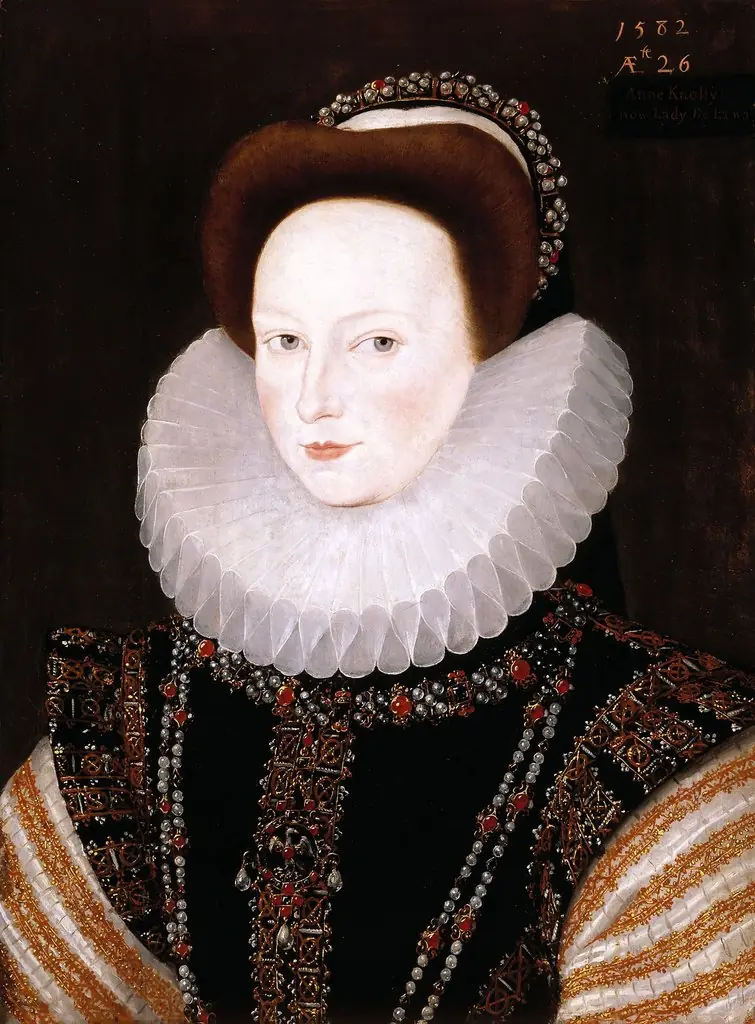
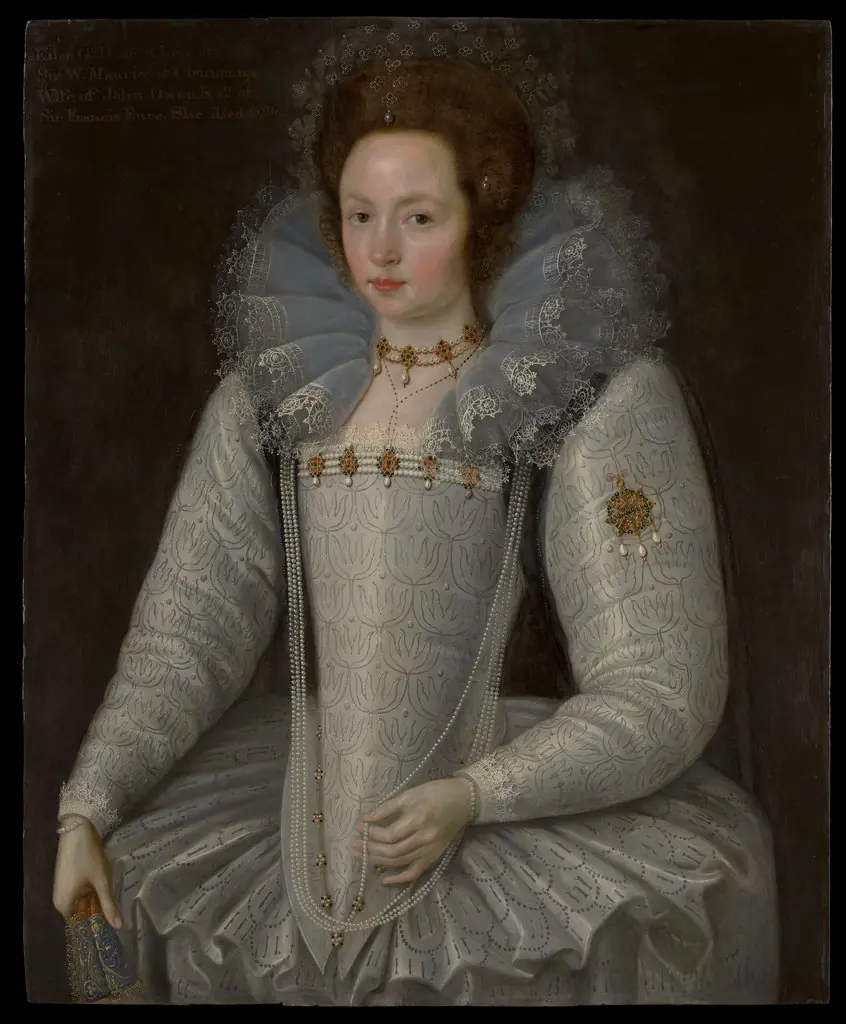 Ellen Maurice (1578–1626)
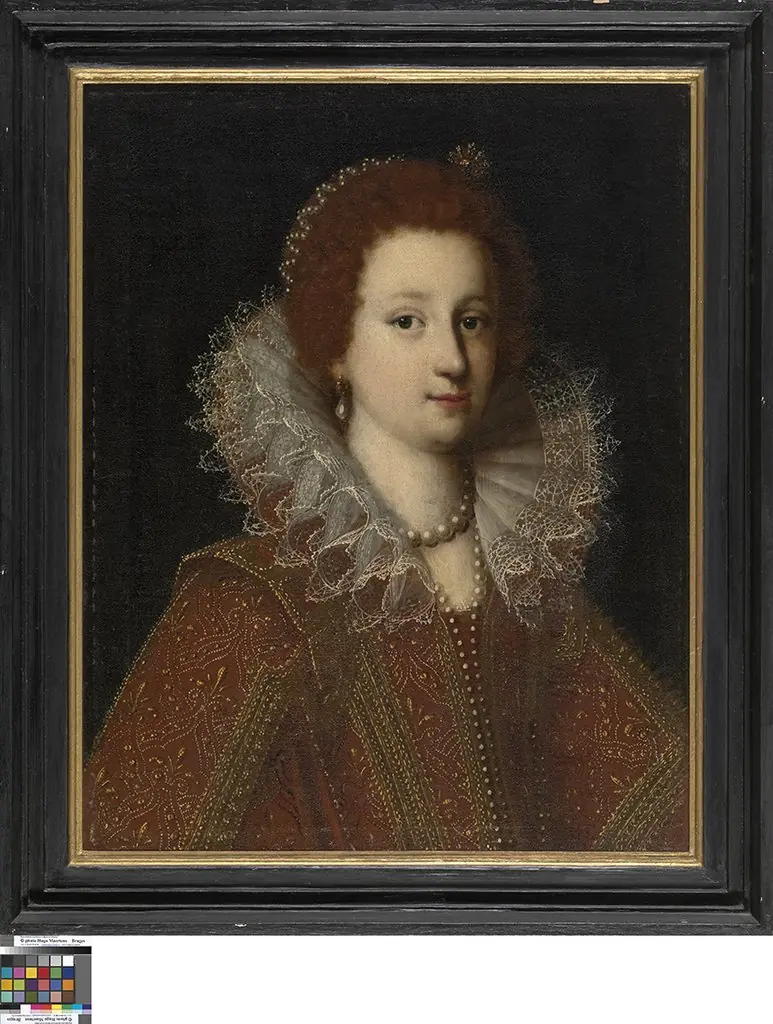 Portret van een vrouw
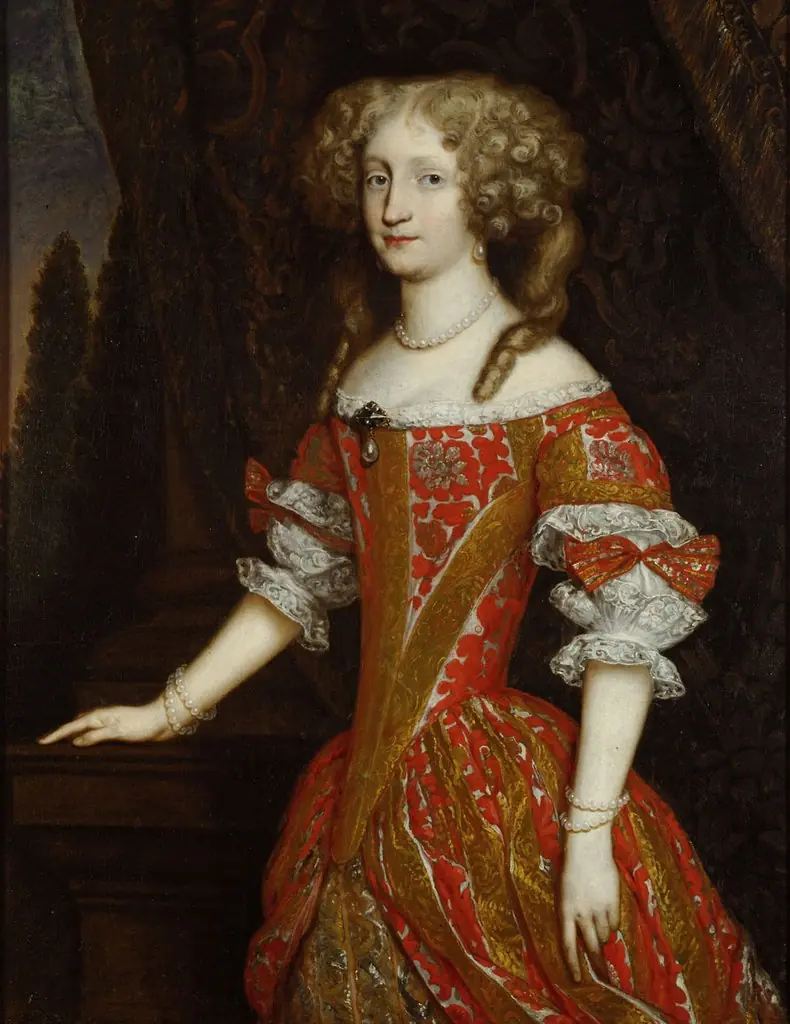 Eleonore Magdalena (1655-1720) von Pfalz - Neuburg, Kaiserin, Kniestück
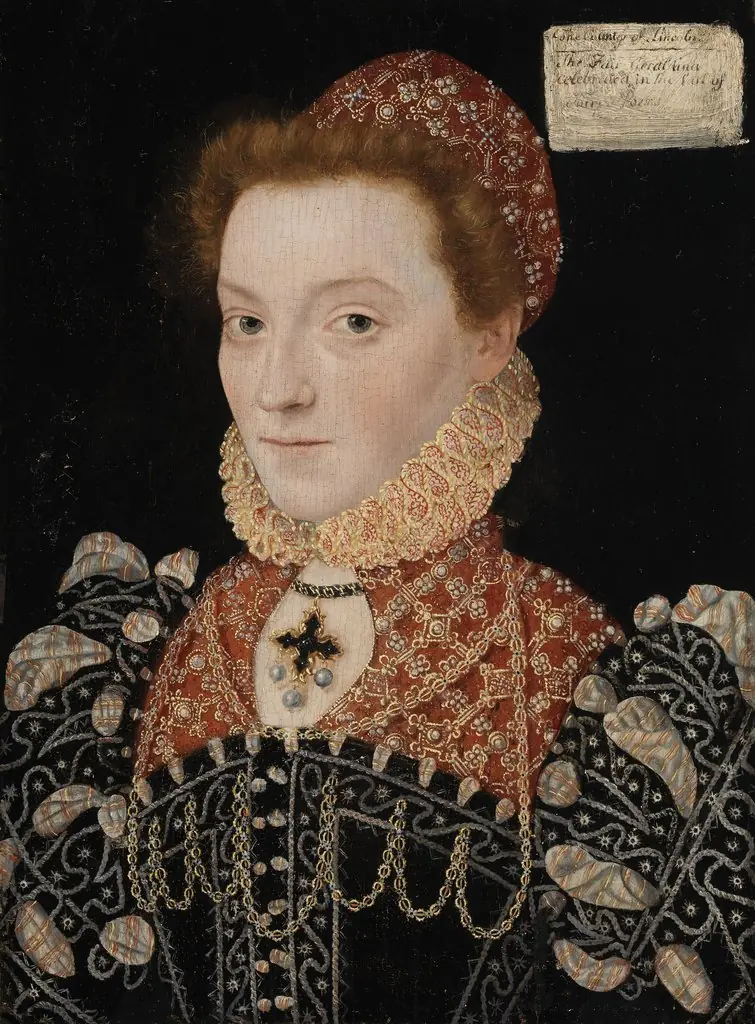 Portrait of 'The Fair Geraldine' (Elizabeth Fitzgerald, Countess of Lincoln, c1528-1590)
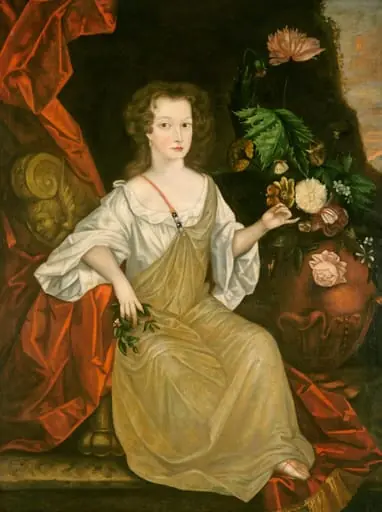 Young Woman with a Butterfly
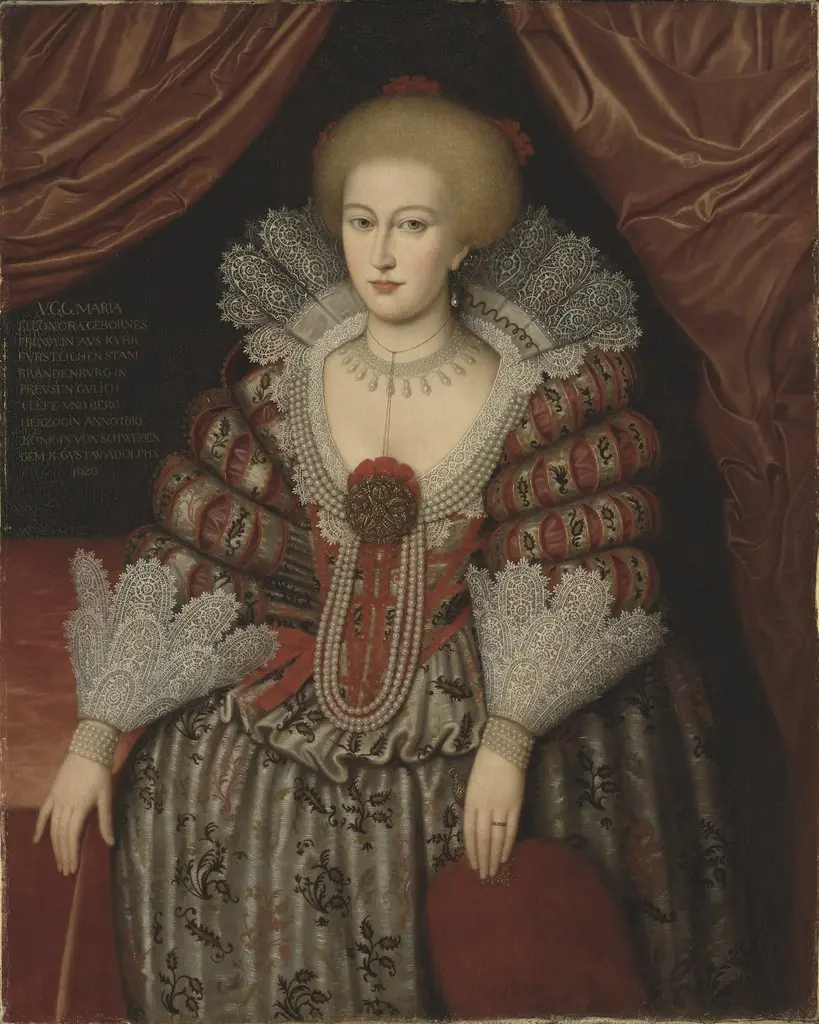 Maria Eleonora (1599-1655), Princess of Brandenburg, Queen of Sweden
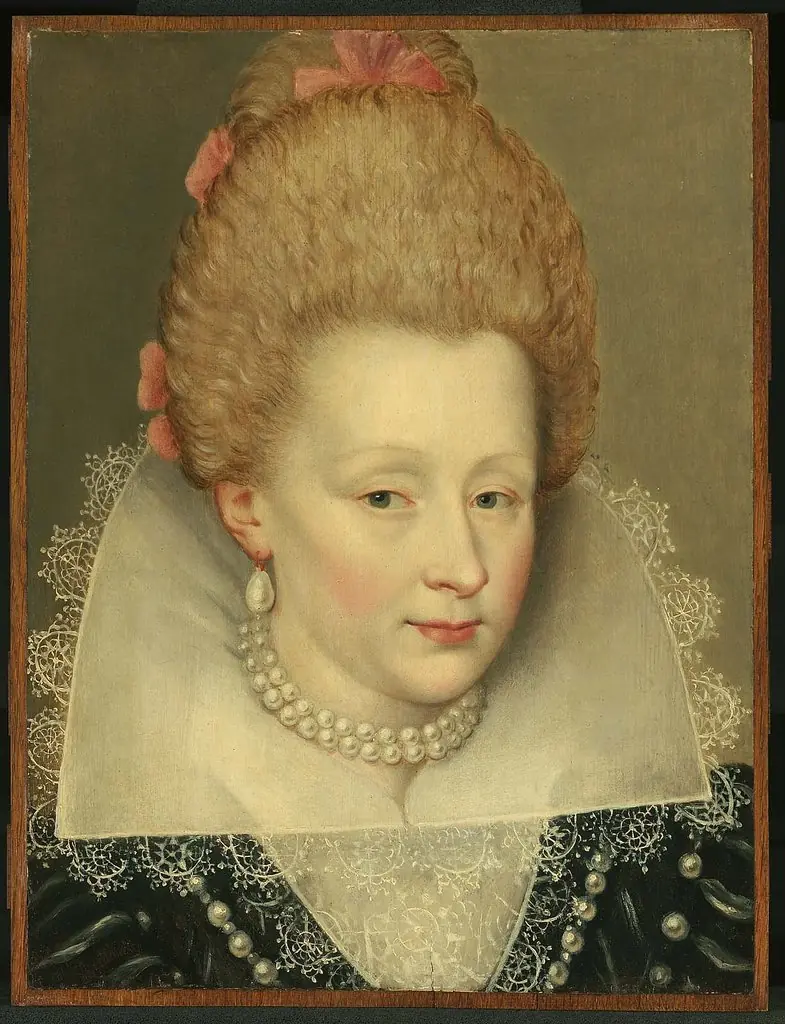 Portrait of a Woman
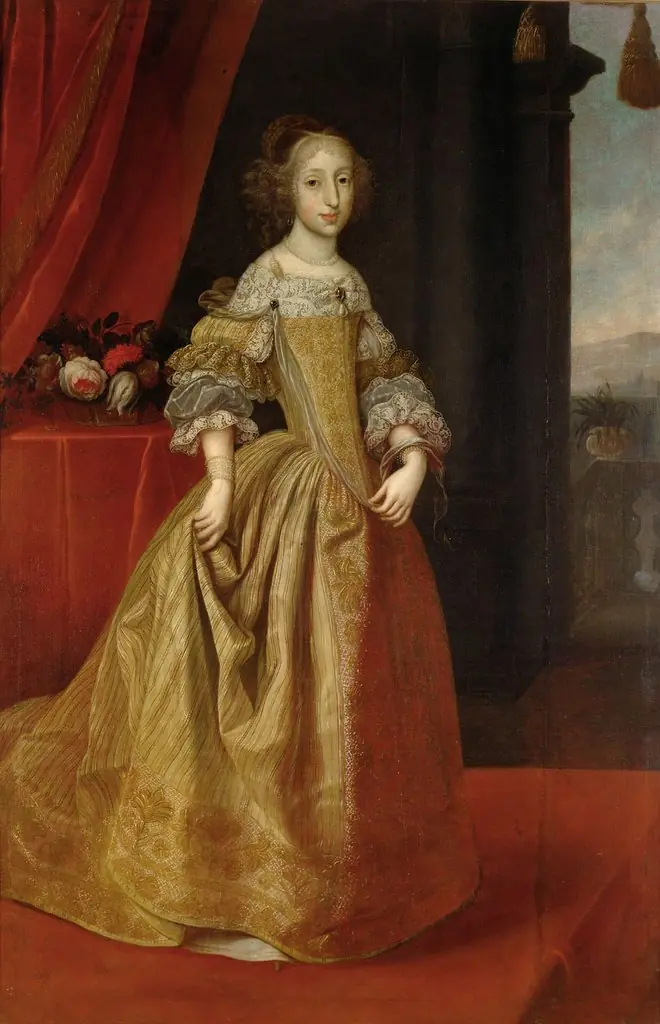 Portrait of Eleanor Maria Josepha of Austria.
 Portrait of Elizabeth of Austria, Wife of King Charles IX of France
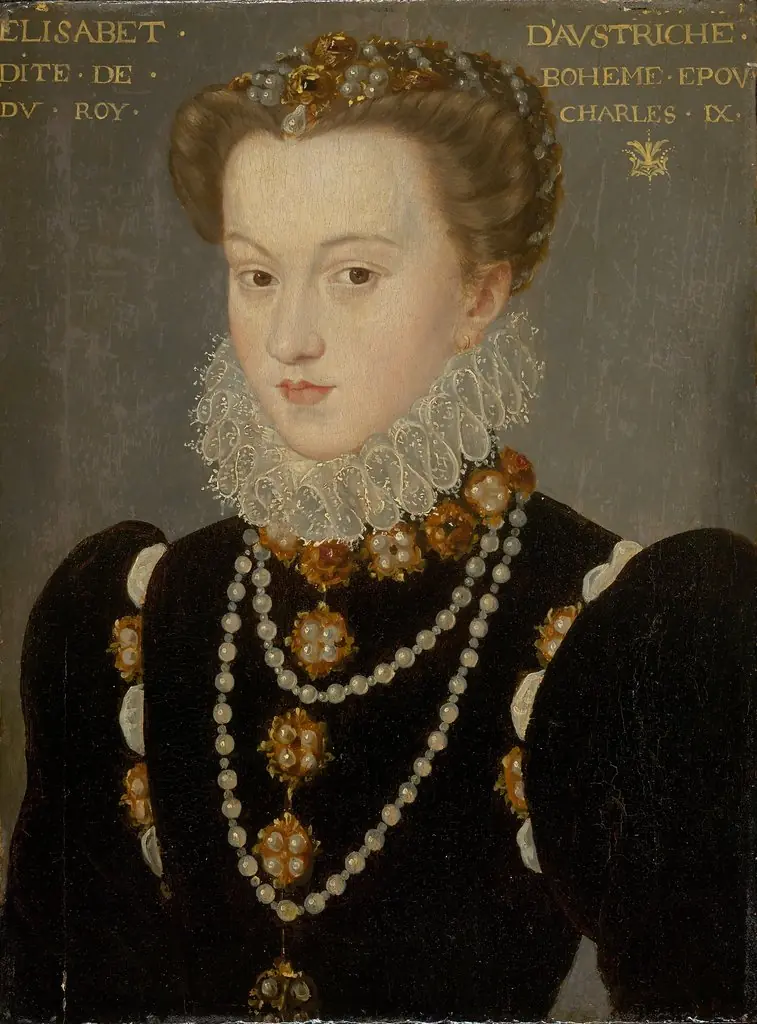 Portrait of Elizabeth of Austria, Wife of King Charles IX of France
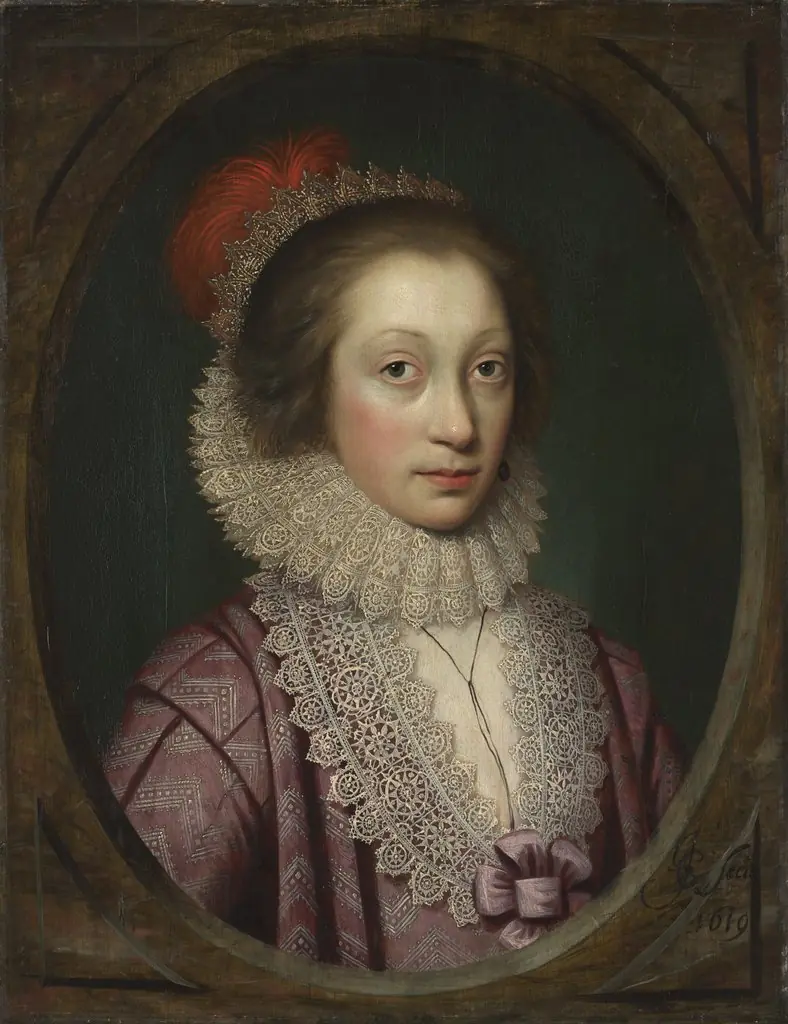 Portrait of a Woman, possibly Elizabeth Boothby