Artwork
Untitled
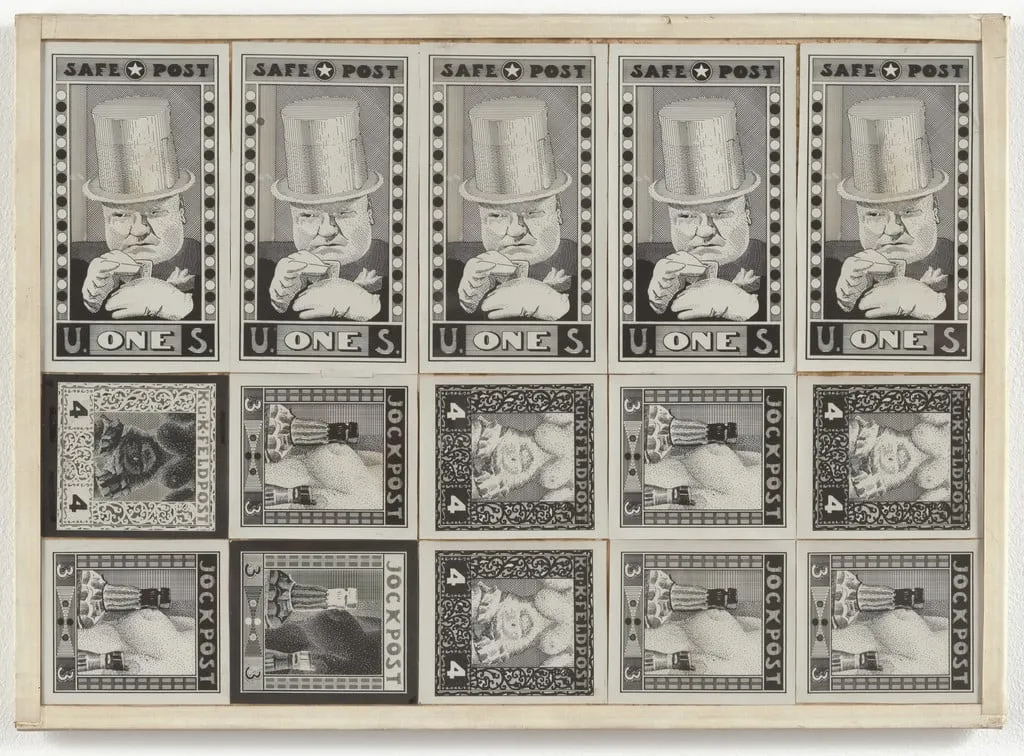
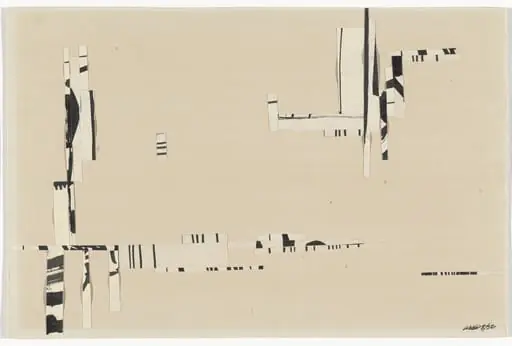
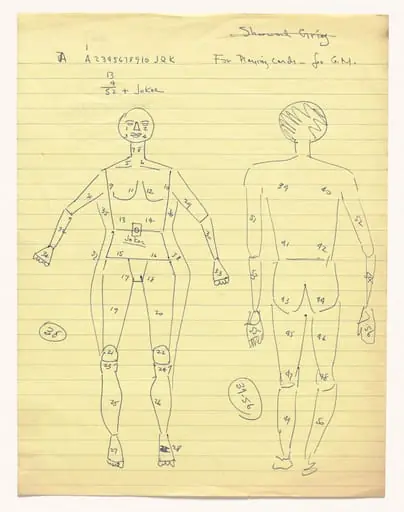
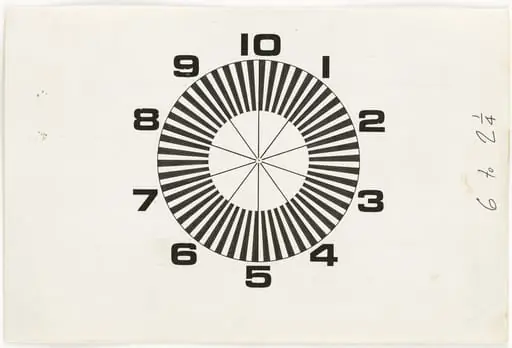
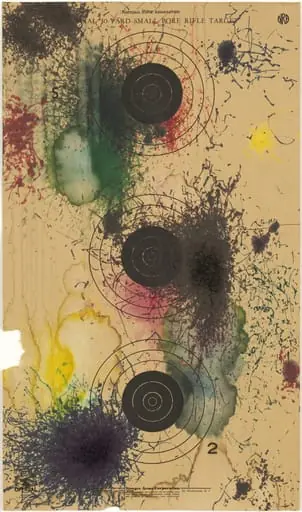
Untitled is a silver print by Robert Watts. It dates from 1961 and is held in the collection of the Museum of Modern Art.
About this work
Overview
Created in 1961, this work by Robert Watts consists of fifteen gelatin silver prints arranged in a grid and mounted in a hand-assembled wooden frame.
Created in 1961, this work by Robert Watts consists of fifteen gelatin silver prints arranged in a grid and mounted in a hand-assembled wooden frame. Each image was physically cut and repositioned by the artist, forming a composite structure that resists linear narrative. The use of found photographic material and manual assembly aligns with Fluxus-era experimentation, prioritizing process over polished finish.
Subject & Meaning
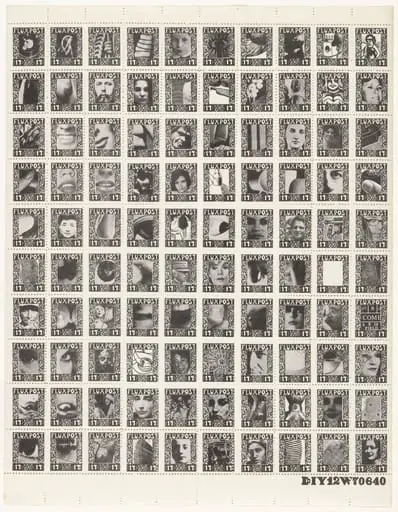
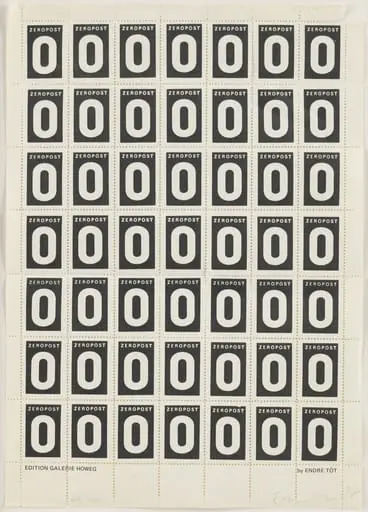
The composition juxtaposes a recurring figure in a top hat—possibly a bureaucratic or institutional archetype—with symbols of security: locks, safes, and numbered labels. Text fragments like 'Safe Post' and 'Lockpost' suggest coded systems of control or communication. The arrangement evokes administrative paperwork or archival labeling, inviting speculation about authority, order, and the absurdity of bureaucratic logic.
Technique & Style
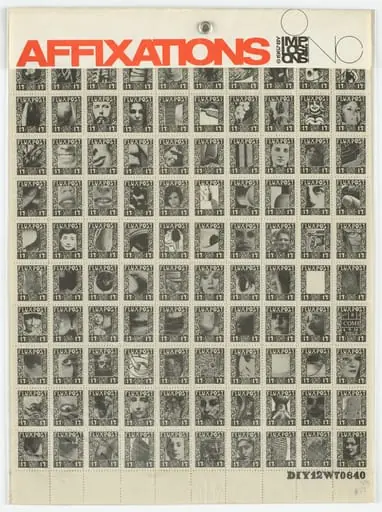
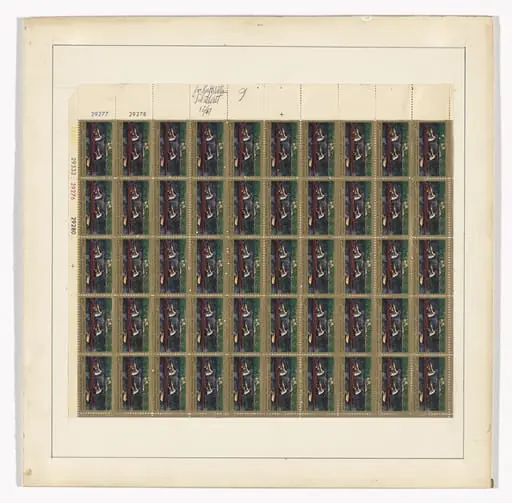
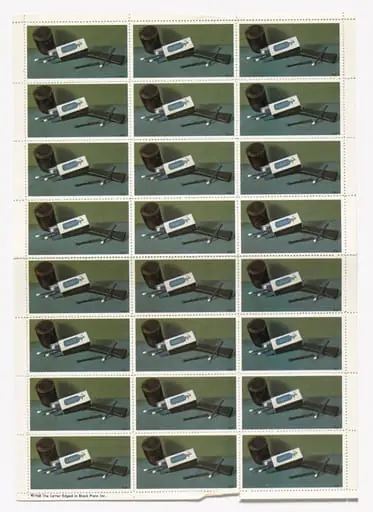
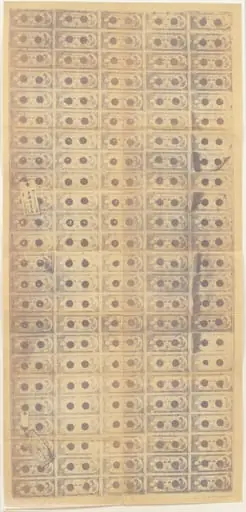
Watts employed direct, tactile methods: cutting, pasting, and layering photographic fragments without retouching. The prints resemble vintage postage stamps or official seals, their degraded quality enhancing their mundane, utilitarian aura. The grid format imposes structure, yet the irregular placement and mismatched scales disrupt visual harmony, reflecting an interest in chance and material spontaneity.
History & Provenance
Made during Watts’s tenure at Rutgers University, the work emerged from his engagement with peers like Allan Kaprow and Roy Lichtenstein, who were also exploring the boundaries between art and everyday life. Though not widely exhibited at the time, it reflects a broader shift in early 1960s American art toward assemblage and anti-compositional strategies, later associated with conceptual and pop practices.
Context
In the early 1960s, artists increasingly repurposed mass-produced imagery to question cultural norms. Watts’s use of photographic fragments—reminiscent of postal stamps, security tags, and archival labels—echoes Fluxus’s interest in the poetic potential of the ordinary. The work anticipates conceptual art’s focus on systems and signs, while resisting overt political or aesthetic declarations.
Legacy
This piece exemplifies Watts’s quiet subversion of institutional aesthetics through humble materials. Though less known than contemporaries, his approach influenced later artists who treated the archive, the label, and the fragment as sites of meaning. The work remains a quiet testament to the power of reassembly in challenging how we perceive order, value, and authority in visual culture.
Artist & collection
Artist
Robert Marshall Watts (1923–1988) was an American artist best known for his work as a member of the international group of artists Fluxus.