Artwork
Untitled
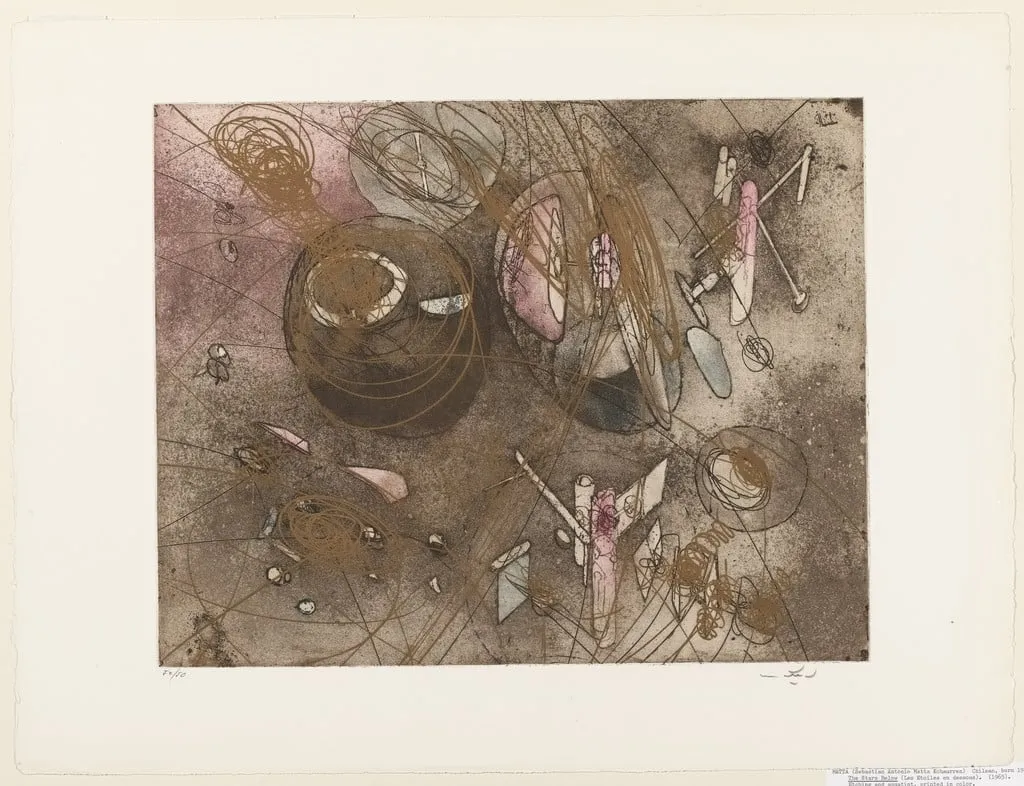
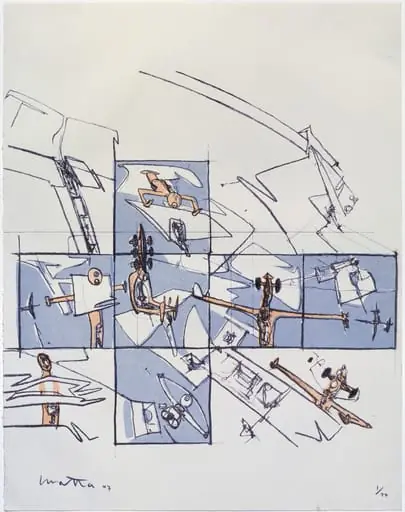
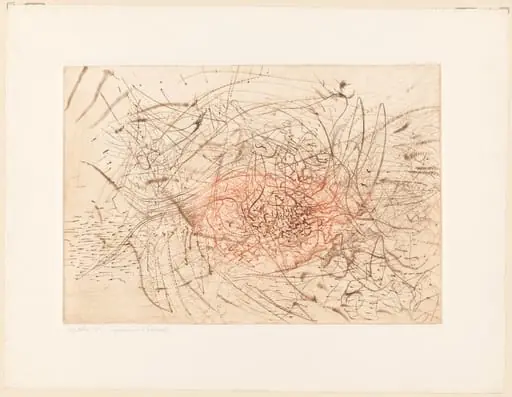
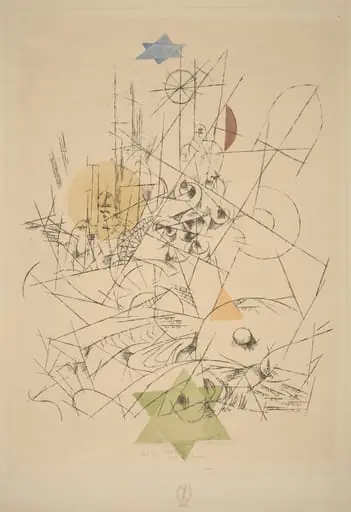
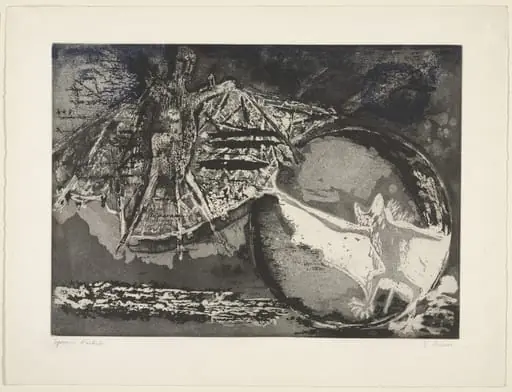
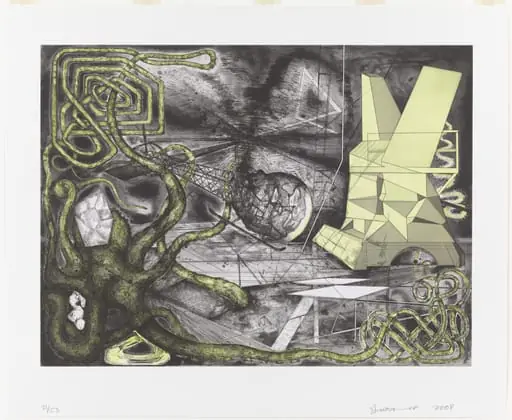
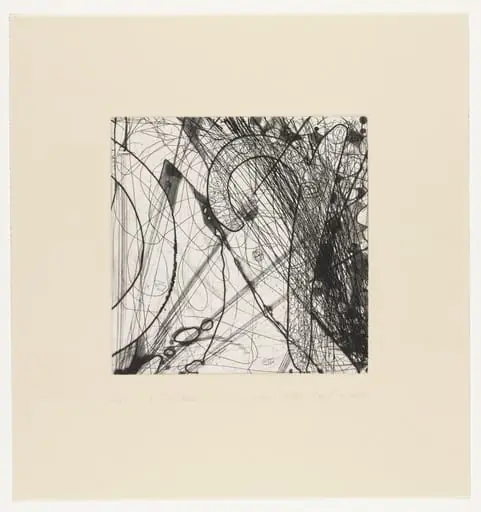
Untitled is an ink print by Roberto Matta. It dates from 1965 and is held in the collection of the Museum of Modern Art.
About this work
Overview
The piece is part of The Museum of Modern Art’s collection, reflecting its significance within postwar printmaking and Surrealist-derived practices.
Created in 1965, this print by Chilean artist Roberto Matta combines etching and aquatint to produce a layered, atmospheric composition. It belongs to a body of work from his later period, when he increasingly focused on abstract, psychologically charged imagery. The piece is part of The Museum of Modern Art’s collection, reflecting its significance within postwar printmaking and Surrealist-derived practices.
Subject & Meaning
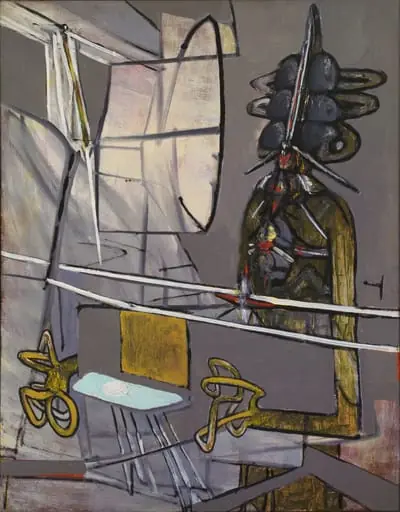
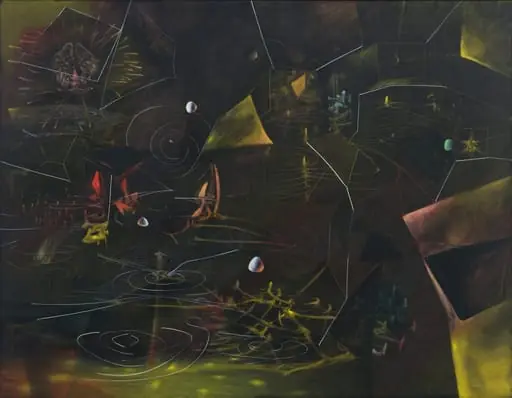
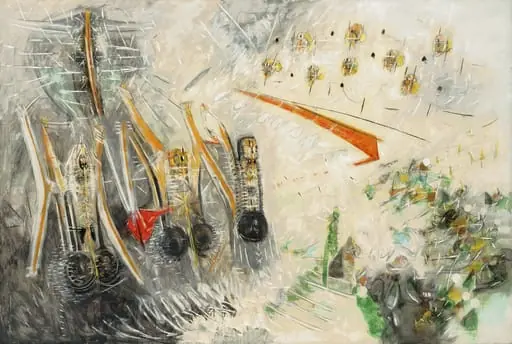
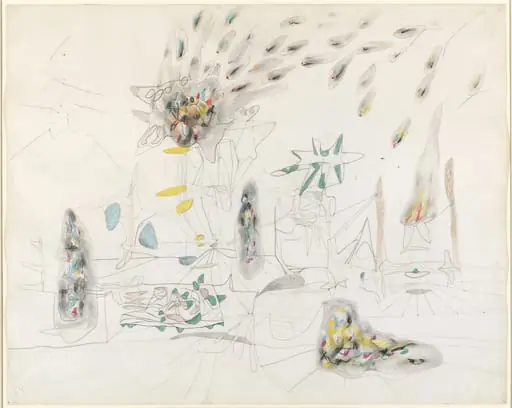
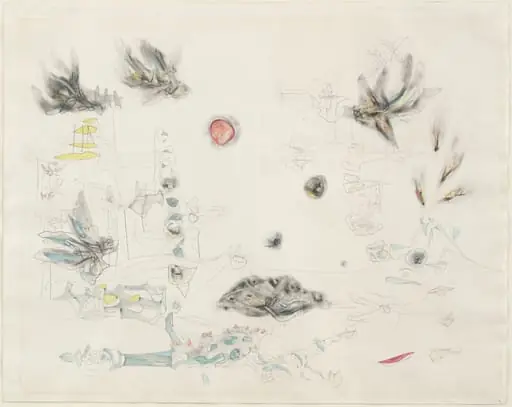
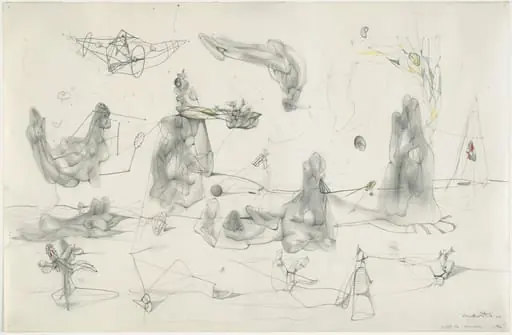
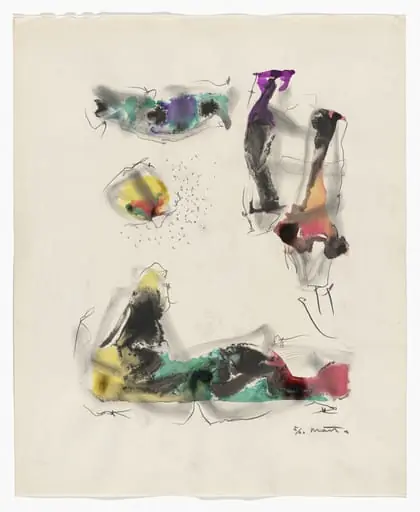
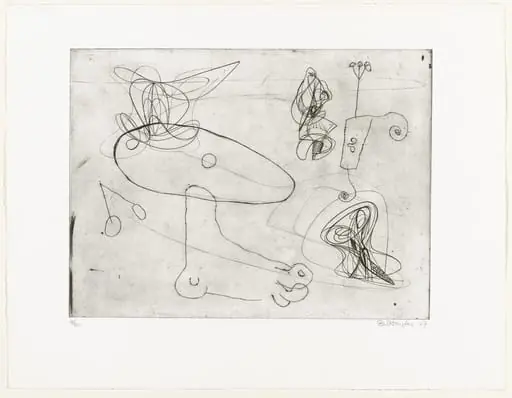
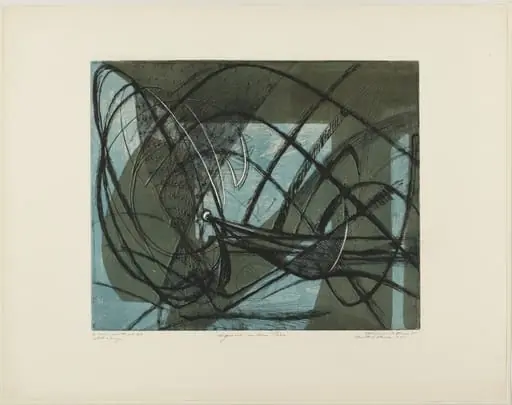
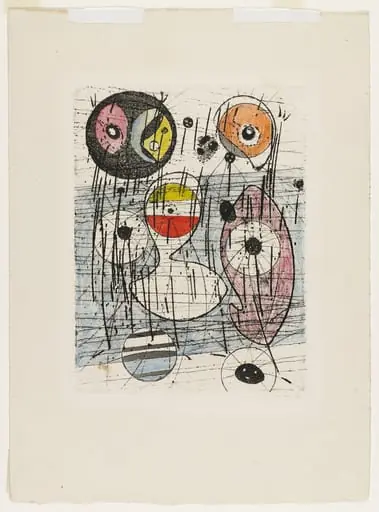
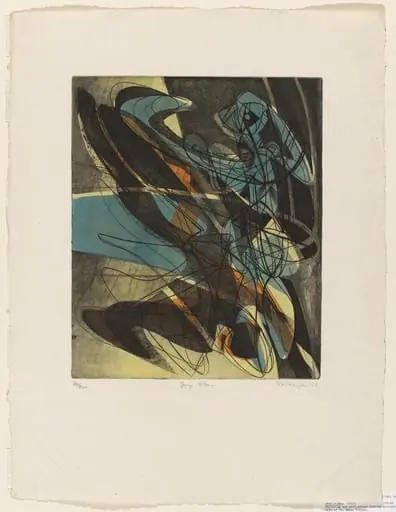
The image resists literal interpretation, presenting a field of ambiguous forms—swirling lines, indistinct circles, and fragmented shapes—that evoke internal states rather than external reality. Suggestive of subconscious activity, the composition mirrors Surrealist interests in dream logic and psychic automatism. Faint, stick-like figures appear without clear identity, reinforcing the sense of psychological ambiguity over narrative clarity.
Technique & Style
Matta employed etching to define fine, fluid lines and aquatint to generate soft tonal gradations, creating a sense of depth through subtle shifts in gray, pink, and brown. The aquatint’s granular texture mimics atmospheric haze, while the etched marks suggest movement and instability. The absence of realistic reference points aligns the work with abstract Surrealism, prioritizing emotional resonance over depiction.
History & Provenance
Produced during Matta’s time in the United States, the print emerged from a period of intense experimentation with print media following his earlier European Surrealist engagements. It entered The Museum of Modern Art’s collection shortly after its creation, indicating early institutional recognition of its contribution to the evolution of printmaking in the mid-20th century.
Context
Matta’s work in the 1960s continued to engage with Surrealist concerns, though increasingly filtered through abstract expressionist sensibilities. This print reflects broader postwar artistic trends that favored psychological exploration over figurative representation. His use of printmaking allowed for rapid iteration and layered effects, aligning with contemporaneous interests in process and spontaneity.
Legacy
The work exemplifies how Surrealist principles were adapted in postwar printmaking, influencing later artists interested in non-representational psychological expression. Its inclusion in MoMA’s collection helped cement Matta’s role in bridging European Surrealism with American abstract practices, contributing to the medium’s expanded conceptual possibilities.
Artist & collection
Artist
Roberto Antonio Sebástian Matta-Echaurren (Spanish: ; November 11, 1911 – November 23, 2002), usually known simply as Matta, also as Sebastián Matta or Roberto Matta, was one of Chile's best-known painters and figures…