Artwork
Ames du Purgatoire
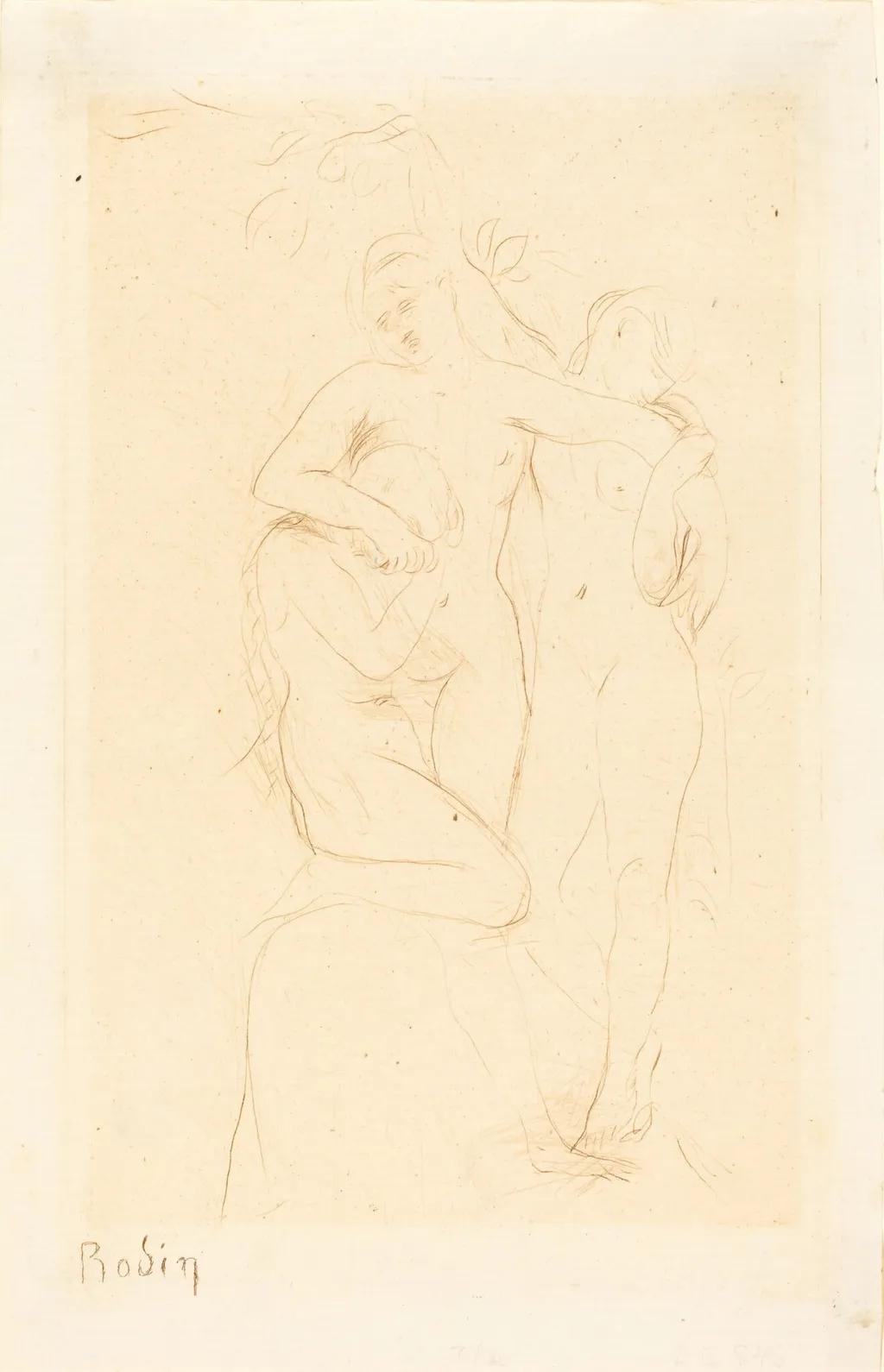
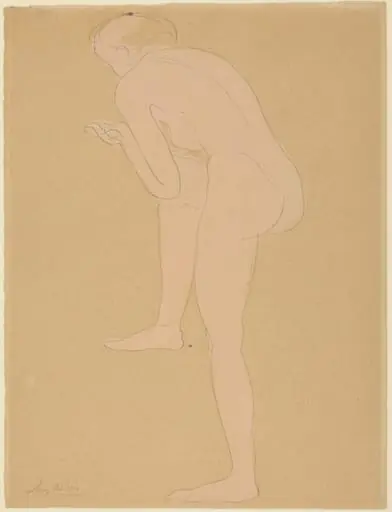
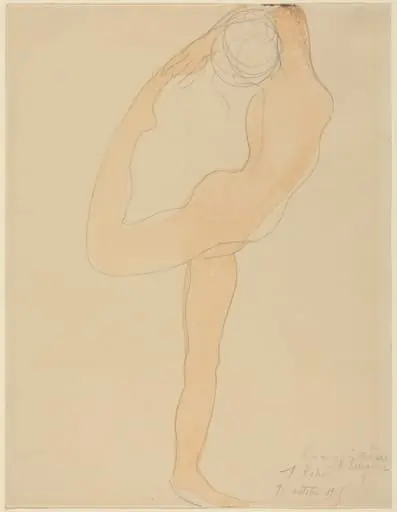
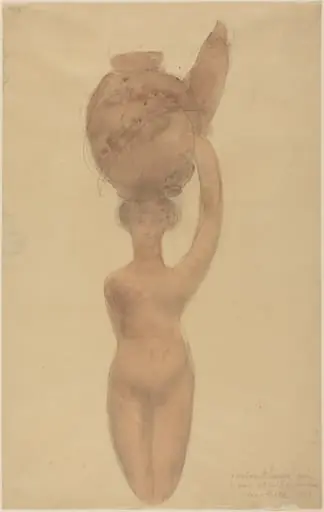
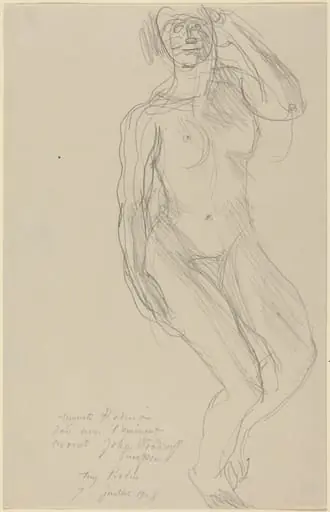
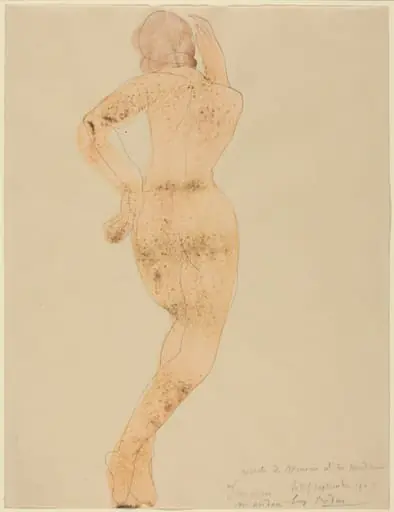
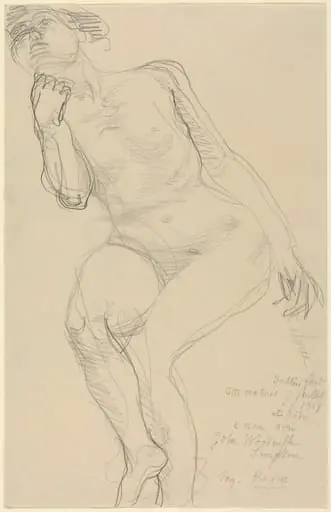
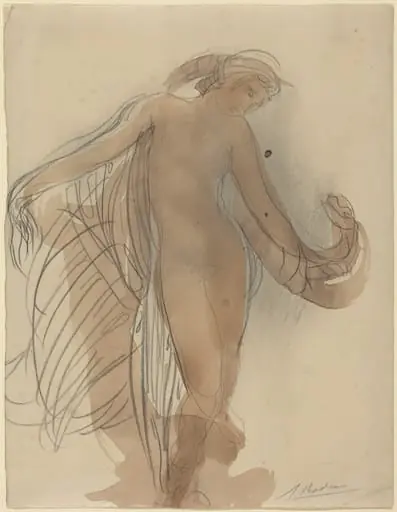
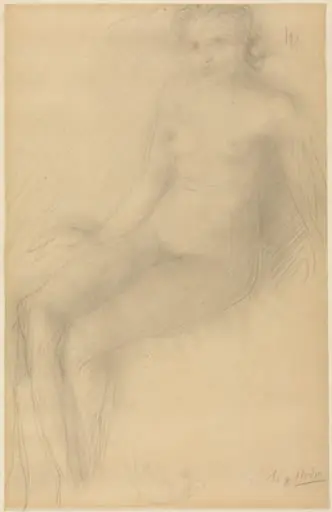
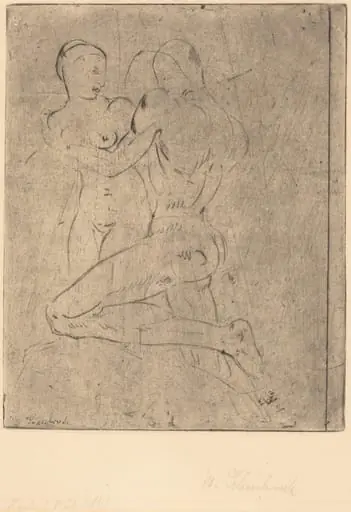
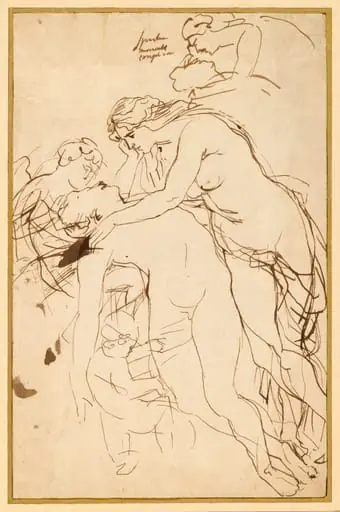
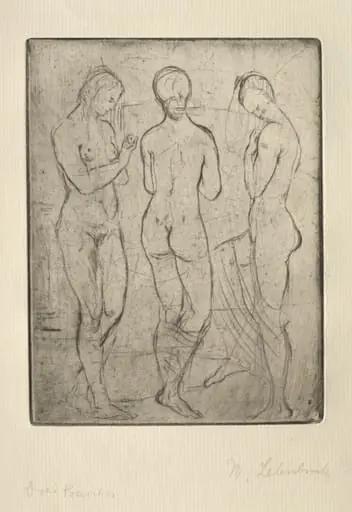
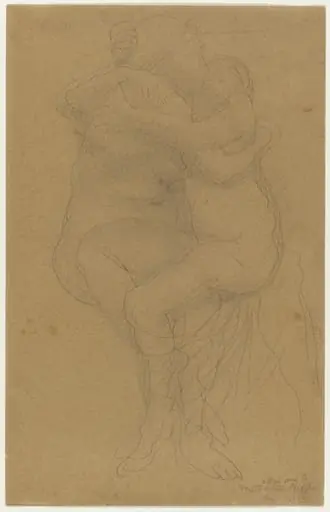
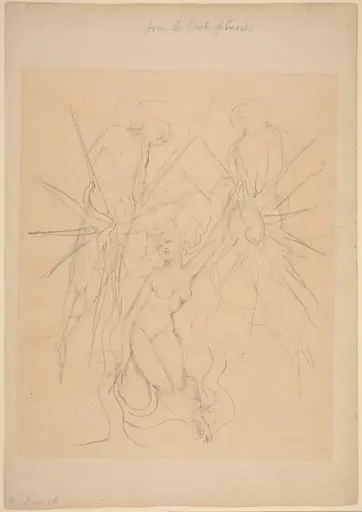
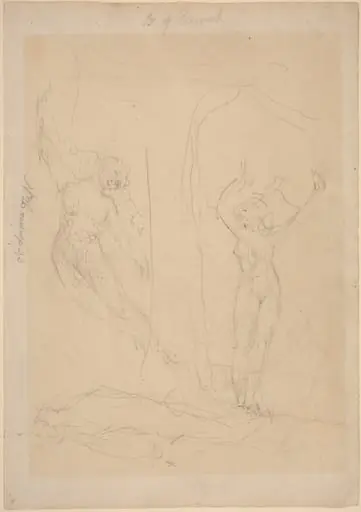
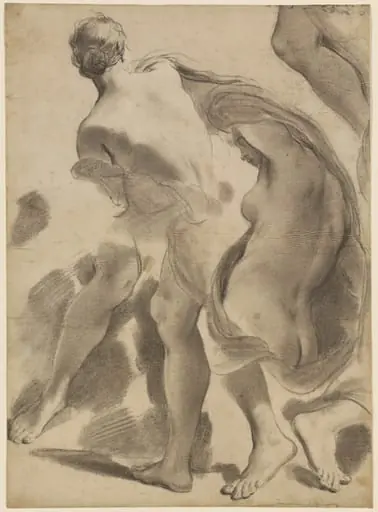
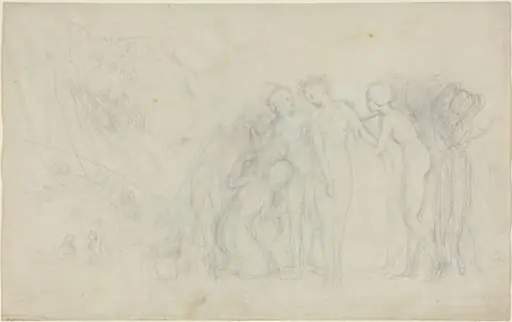
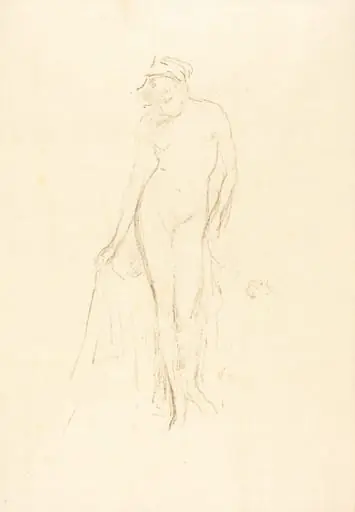
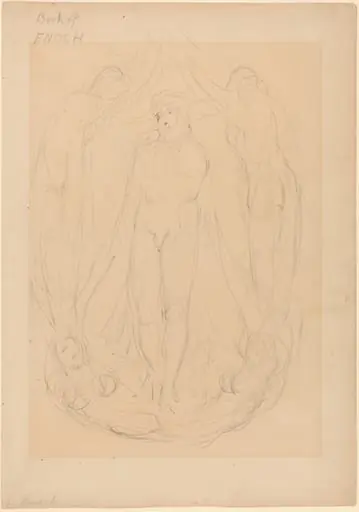
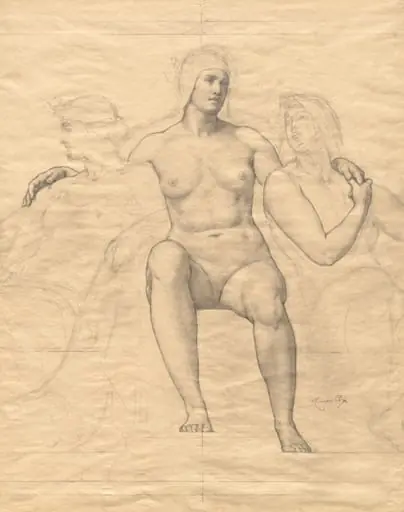
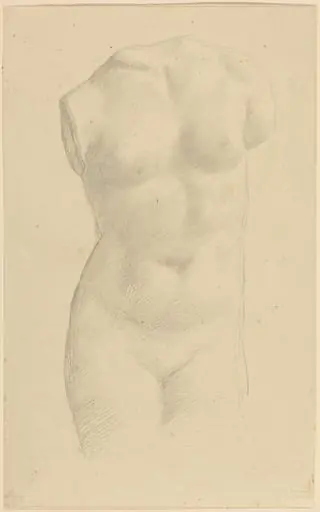
Ames du Purgatoire is an ink print by the Impressionist artist Auguste Rodin. It dates from 1893 and is held in the collection of the National Gallery of Art.
About this work
Overview
Created in 1893, *Ames du Purgatoire* is a drypoint print by the French sculptor Auguste Rodin. Though primarily known for his monumental sculptures, Rodin explored printmaking as a means of quickly recording gestural studies. The work consists of a single sheet of plain paper on which two intertwined nude figures are rendered in swift, flowing lines.
Subject & Meaning
The composition presents two bodies merged in an intimate, almost inseparable pose. The figures are depicted without defined edges, their limbs and torsos blending into one another, suggesting a shared emotional or spiritual state rather than a literal narrative. The title, translating to "Souls in Purgatory," hints at a contemplation of transition and unresolved tension between the pair.
Technique & Style
Rodin employed the drypoint method, incising the design directly into a metal plate with a sharp needle. This approach yields soft, velvety lines and a characteristic burr that deepens the tonal range. The resulting marks on the paper are loose and spontaneous, emphasizing movement and the tactile quality of the forms over precise anatomical detail.
History & Provenance
The print was produced during a period when Rodin was experimenting with drawing and print media to complement his sculptural practice. While the original plate and early impressions remain in private collections, the work has been exhibited in several retrospectives of Rodin's graphic output, illustrating his broader interest in capturing the human figure across media.
Artist & collection
Artist
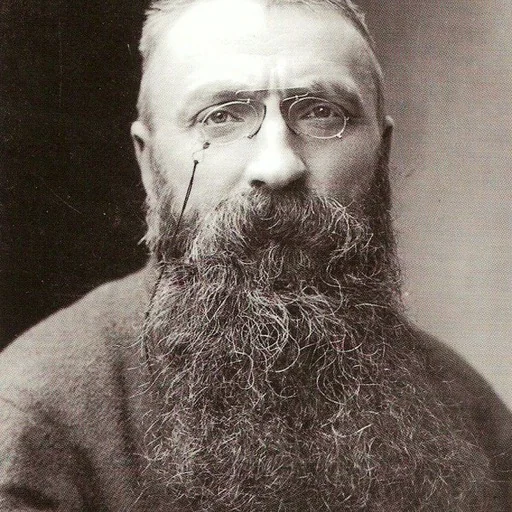
François Auguste René Rodin (; French: ; 12 November 1840 – 17 November 1917) was a French sculptor generally considered the founder of modern sculpture.