Artwork
Saint Peter Enthroned
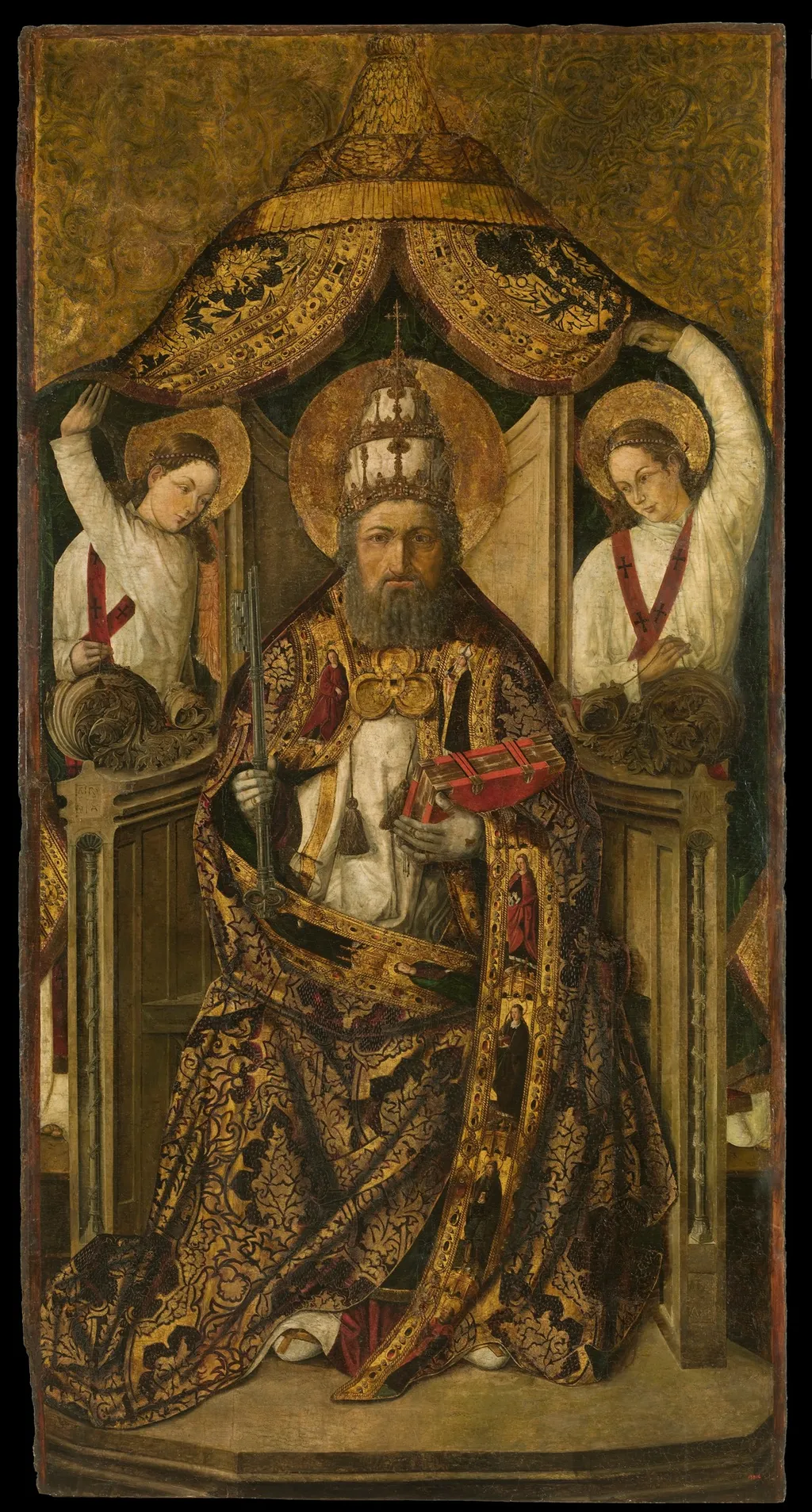
Saint Peter Enthroned is an unspecified painting by the Early Renaissance artist Rodrigo de Osona. It dates from 1490 and is held in the collection of the Museu Nacional d'Art de Catalunya.
About this work
Overview
Painted in 1490 by Rodrigo de Osona, this work portrays Saint Peter seated on a ceremonial throne, surrounded by two angels in reverent poses.
Painted in 1490 by Rodrigo de Osona, this work portrays Saint Peter seated on a ceremonial throne, surrounded by two angels in reverent poses. Executed in tempera and gold leaf on panel, it reflects the devotional painting traditions of late 15th-century Catalonia. The piece is part of the permanent collection at the Museu Nacional d'Art de Catalunya, where it stands as a representative example of regional religious art from the period.
Subject & Meaning
Saint Peter, recognized as the first pope and keeper of the keys to heaven, is depicted in regal stillness, embodying spiritual authority. His open book suggests his role as transmitter of divine teaching, while the angels flanking him reinforce his sacred status. The composition avoids narrative action, instead emphasizing solemnity and divine presence, aligning with devotional practices that prioritized contemplation over drama.
Technique & Style
The painting employs tempera and gold leaf on wood panel, typical of Catalan workshop practices of the era. Rich, warm hues dominate the robes and throne, set against a deep, uniform background that enhances their luminosity. Intricate patterns on the throne and delicate rendering of fabric folds reveal attention to detail, while the angels’ raised arms create a rhythmic symmetry that guides the viewer’s focus toward the central figure.
History & Provenance
Commissioned for a religious context, likely a chapel or monastery in Catalonia, the painting remained in local ecclesiastical custody until the 19th century. It entered the Museu Nacional d'Art de Catalunya’s collection during the museum’s early consolidation of regional religious art. Its survival through periods of secularization and war underscores its enduring cultural value within Catalan heritage.
Context
Created during a time of heightened religious devotion in late medieval Catalonia, the painting reflects the influence of both local traditions and broader Iberian and Flemish styles. While not aligned with the emerging Renaissance humanism of Italy, it demonstrates a sophisticated synthesis of Gothic formality and emerging naturalism in textile and facial rendering, characteristic of regional workshops adapting to changing tastes.
Legacy
Though not widely known outside Catalonia, the painting remains a key example of late Gothic religious iconography in Spain. It contributes to scholarly understanding of how devotional imagery functioned in local communities, preserving stylistic continuity even as broader European trends evolved. Its preservation allows ongoing study of materials, iconography, and workshop practices in 15th-century Catalan art.
Artist & collection

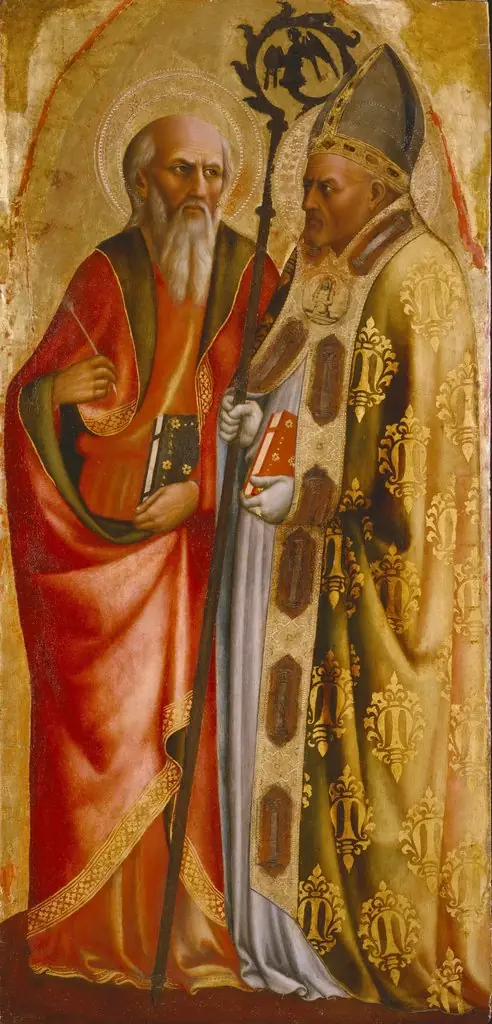 Saints John the Evangelist(?) and Martin of Tours
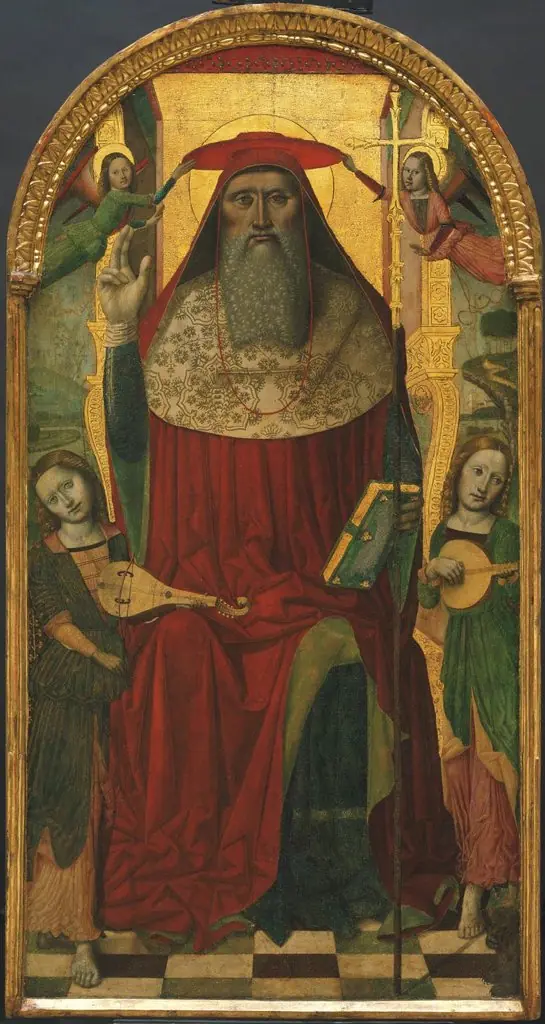 Enthroned Saint Jerome, with Angels
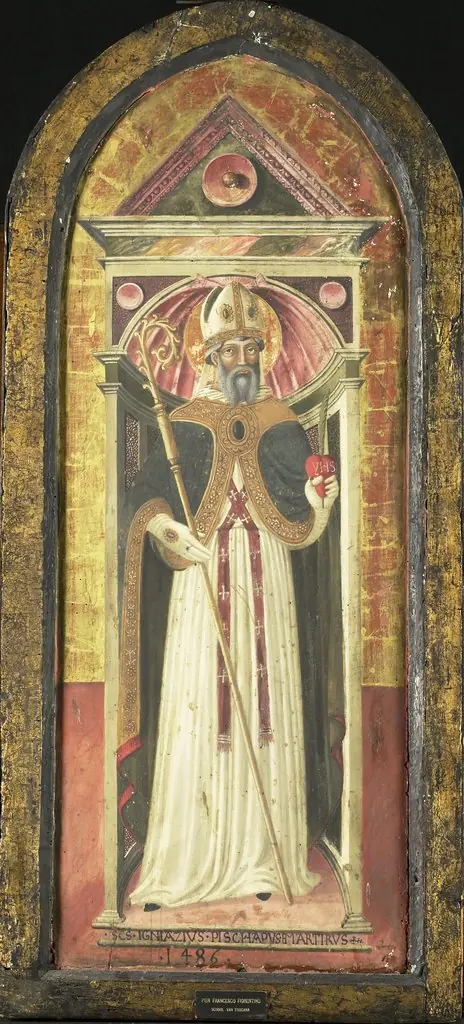 The Holy Ignatius of Antioch
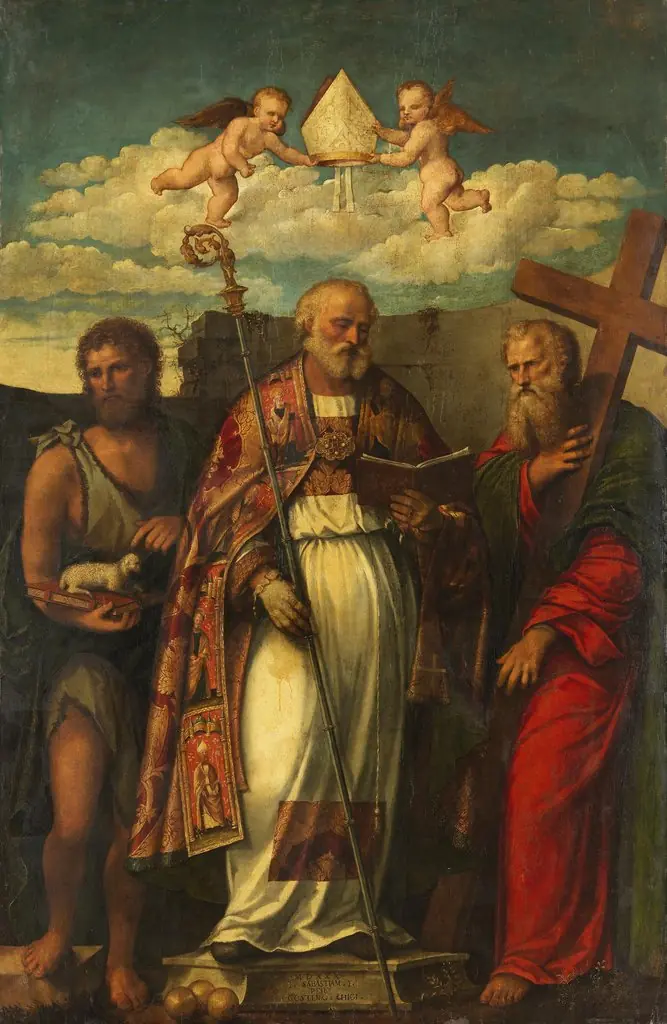 Saint Nicholas of Bari, John the Baptist and Philip
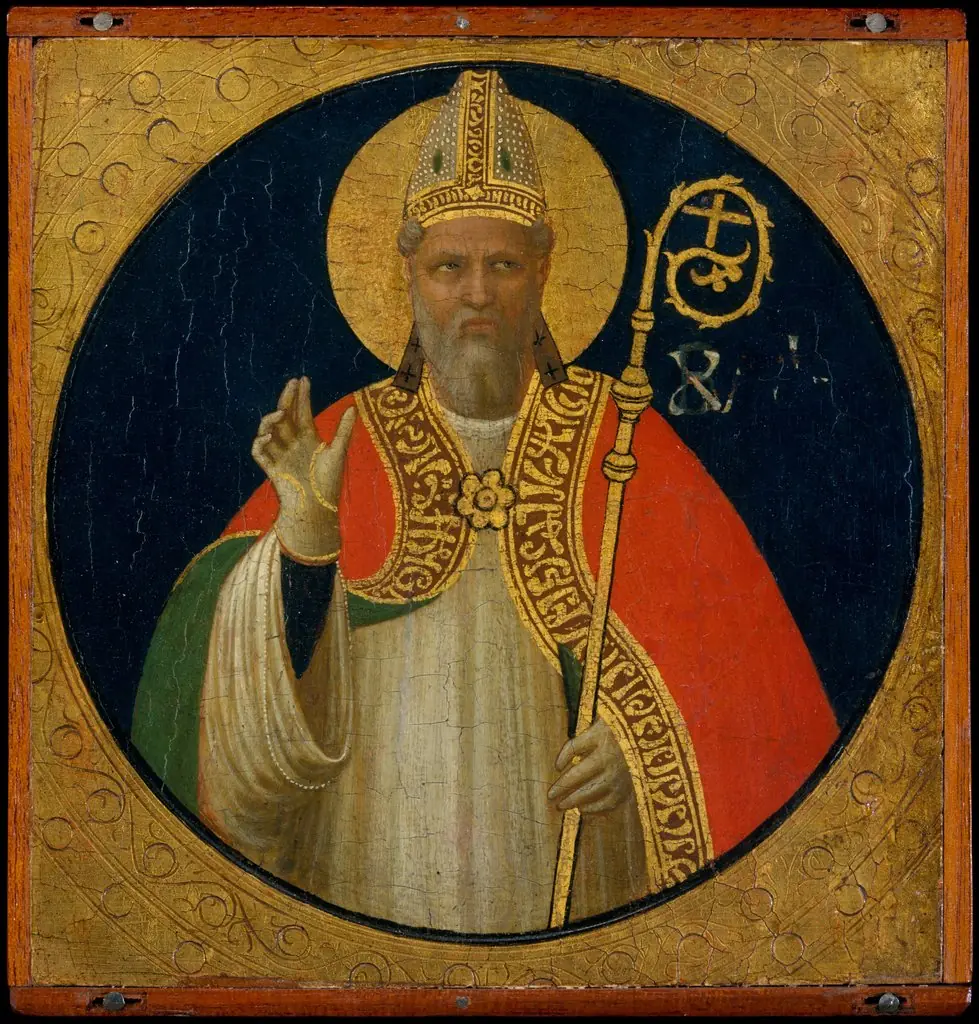 A Bishop Saint
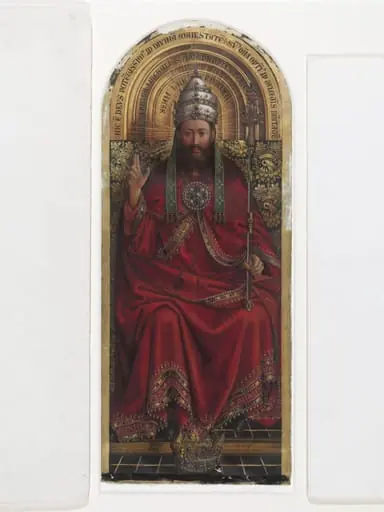 Copy of a detail of the Ghent Altarpiece, Triune God by Hubert and Jan van Eyck in the church of St Bavon, Ghent
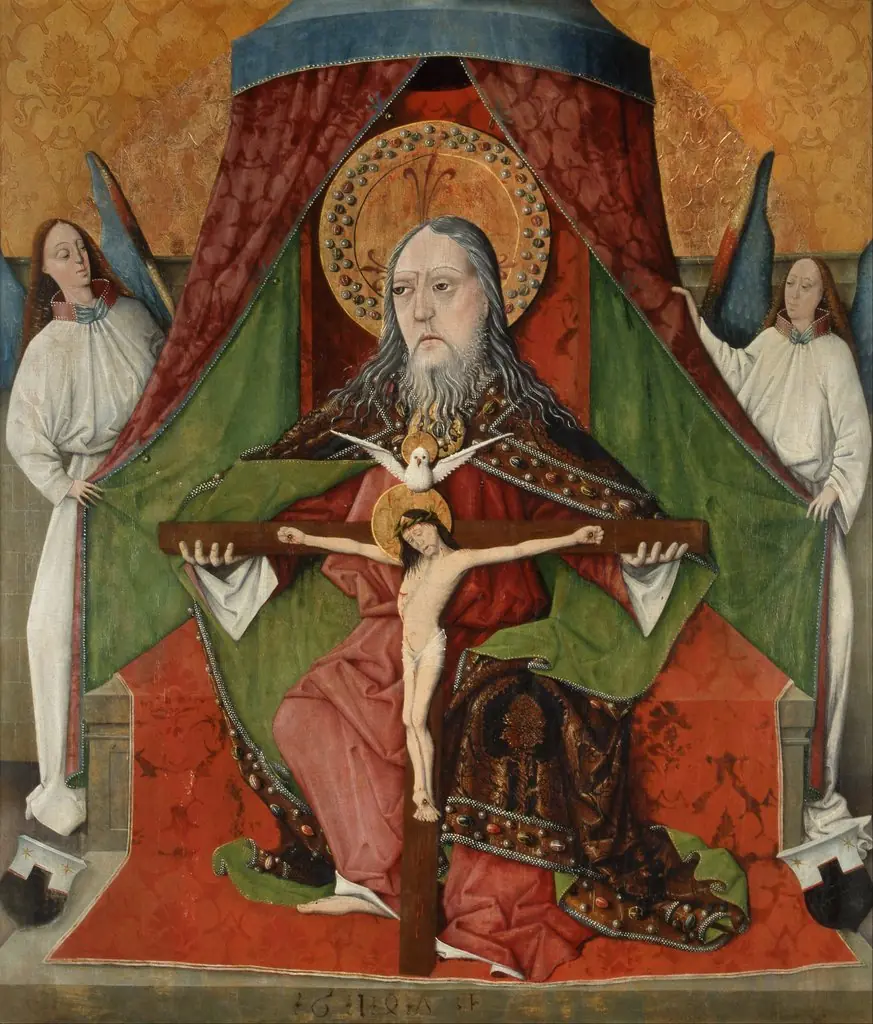 Holy Trinity, Central Panel from the High Altar of the Trinity Church, Mosóc
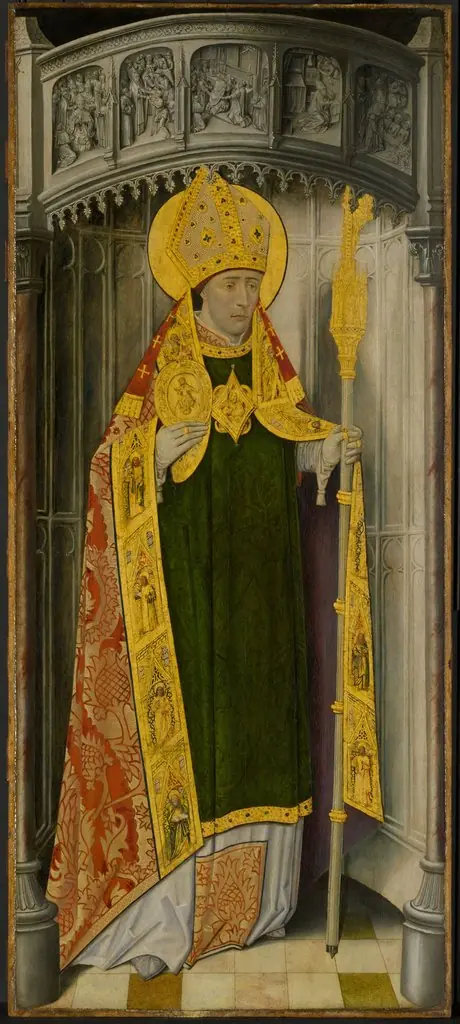 Altarpiece from Thuison-les-Abbeville: Saint Honoré
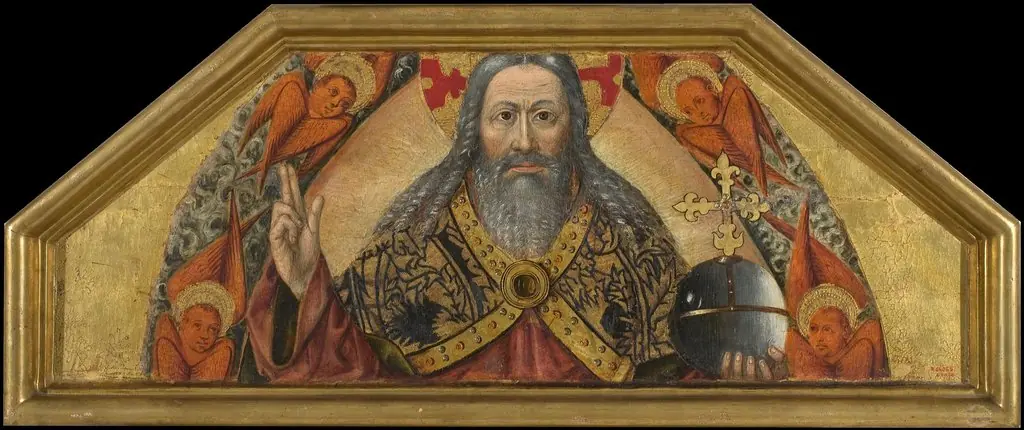 Everlasting Father
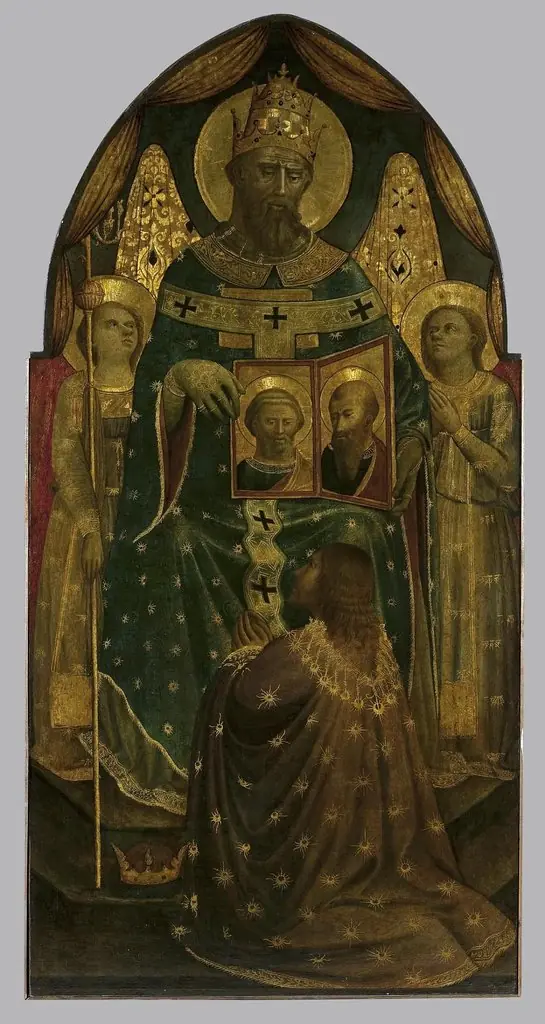 Emperor Constantine in front of Pope Sylvester I Showing Depictions of Sts Peter and Paul (central part of the triptych)
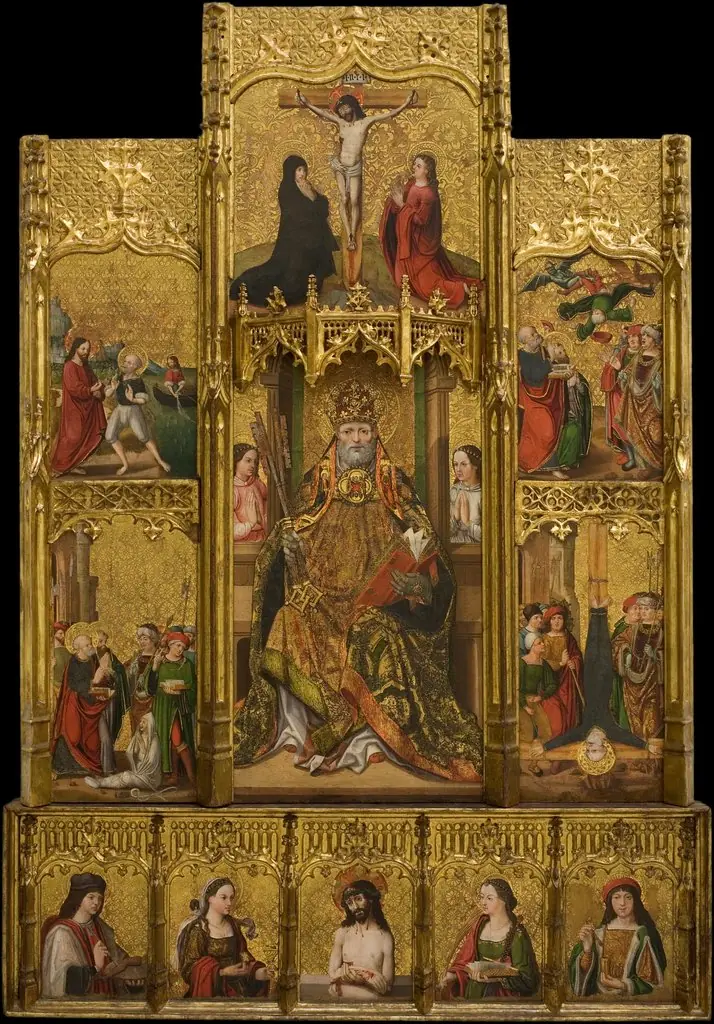 Altarpiece of Saint Peter
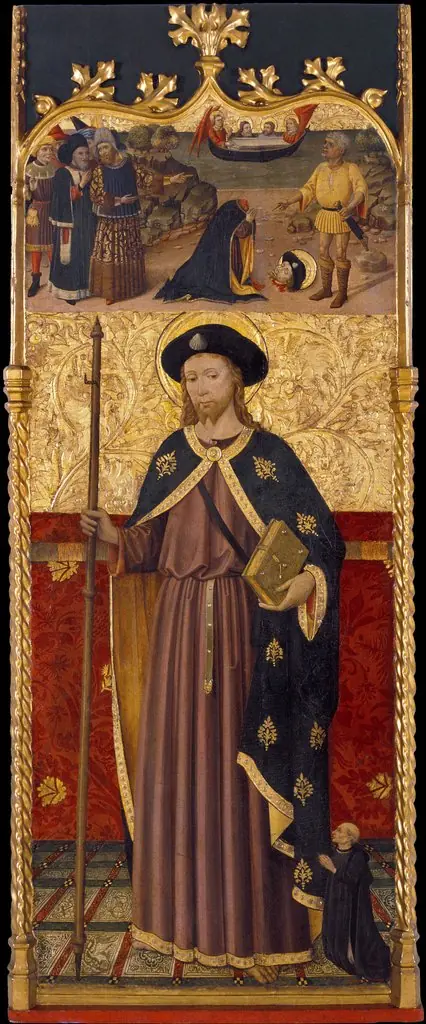 Saint James with a Donor, Decapitation of Saint James