Artwork
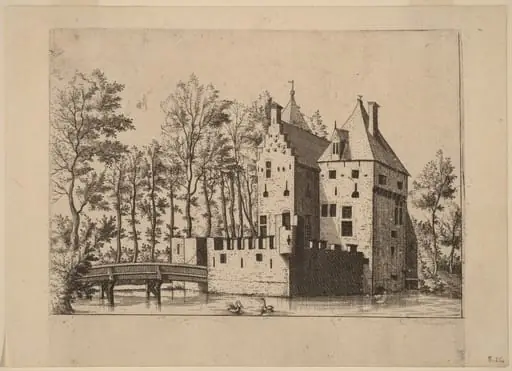
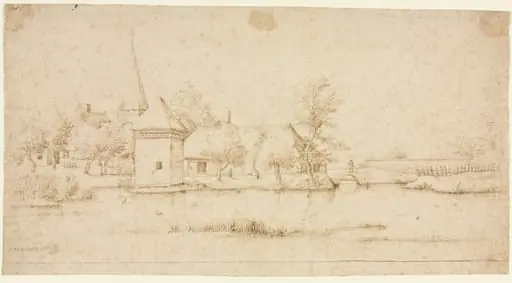
Zuylen Castle, near Utrecht (recto)/Ruin of the huis Ter Kleef, near Haarlem (verso)
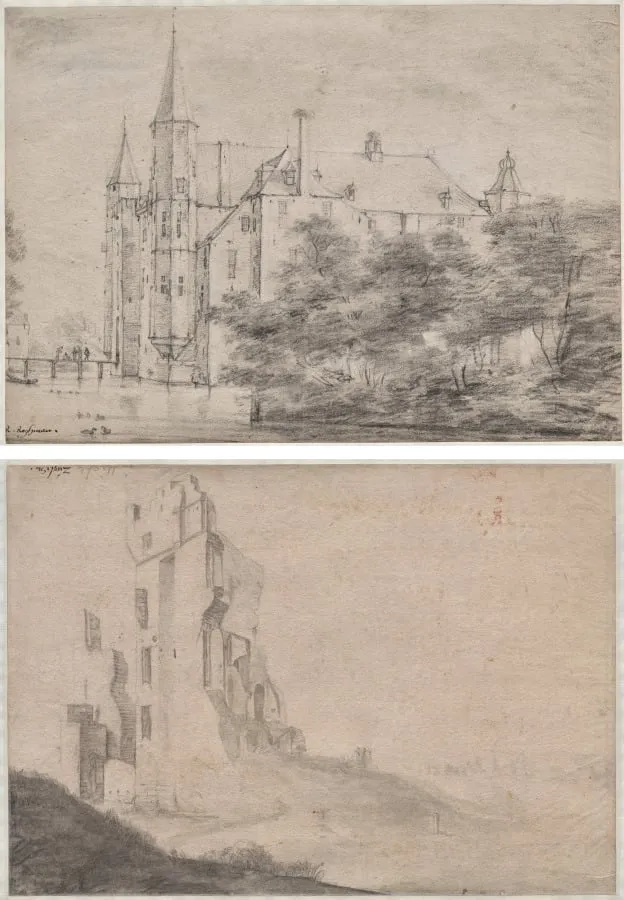
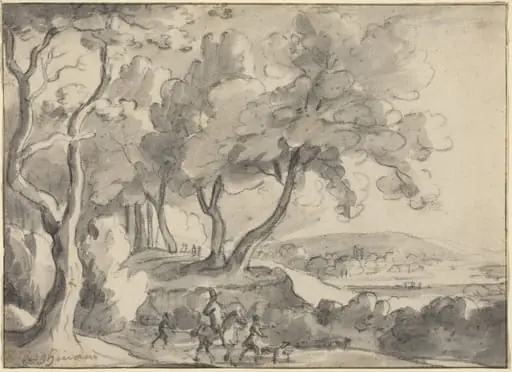
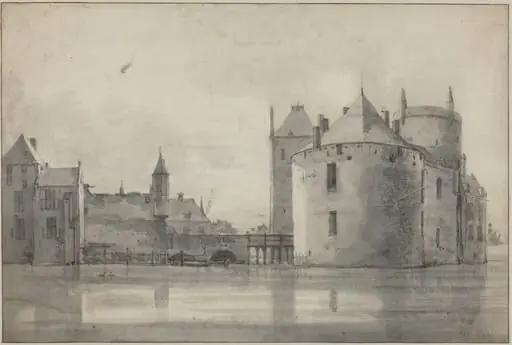
Zuylen Castle, near Utrecht (recto)/Ruin of the huis Ter Kleef, near Haarlem (verso) is a drawing by the Baroque artist Roelant Roghman. It dates from 1646 and is held in the collection of the Cleveland Museum of Art.
About this work
You see a tall, crumbling castle perched on a hill, its walls half-covered in ivy, with a few bare trees around it.
You see a tall, crumbling castle perched on a hill, its walls half-covered in ivy, with a few bare trees around it.
Roghman walked hundreds of miles to draw these ruins just after a long war. He didn’t fix them up—he showed them exactly as they were, cracks and all. That makes the picture feel honest, like a quick photo from 1646.
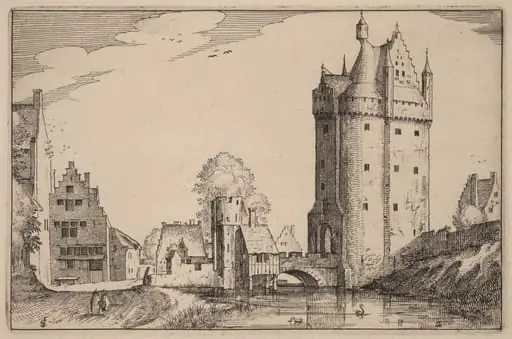
If you like quiet, real places, look up other drawings of netherlands castles.
Overview
Roelant Roghman created this double-sided drawing during a multi-year journey across the Netherlands, documenting architectural remnants left by the Eighty Years’ War. Executed on large sheets of paper, the work pairs Zuylen Castle near Utrecht on the recto with the ruins of Huis ter Kleef near Haarlem on the verso. Both sites were captured in situ, reflecting Roghman’s commitment to recording the physical aftermath of conflict rather than idealizing the past.
Subject & Meaning
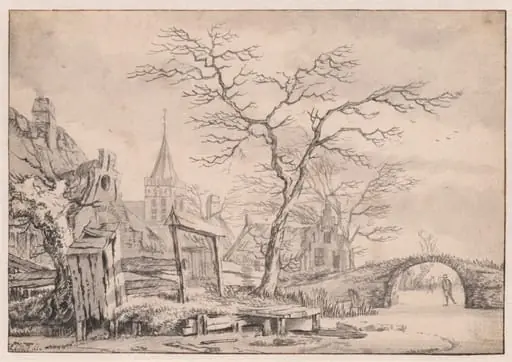
The drawings depict two once-grand residences reduced to partial ruins, their walls overgrown and structures fractured. Roghman avoided romanticizing decay, instead presenting the buildings as they stood—weathered, abandoned, and quietly reclaimed by nature. This unembellished approach suggests a documentary intent, preserving the visual record of a nation emerging from prolonged warfare and shifting political landscapes.
Technique & Style
Roghman employed ink wash and charcoal on substantial paper to render texture and volume with immediacy. The heavy shadows and loose, expressive lines convey the weight of stone and the soft encroachment of vegetation. His on-site method allowed for spontaneous observation, resulting in a directness that prioritizes atmospheric truth over polished finish, distinguishing these works from formal architectural renderings of the period.
History & Provenance
Created between 1645 and 1650, these drawings were part of a larger series of over two hundred works produced during Roghman’s foot journey through the Dutch Republic. The drawings were likely intended as personal records rather than commissioned pieces. Many survived in private collections and later entered institutional holdings, where they remain valued for their historical specificity and rare firsthand documentation of postwar architecture.
Context
The Netherlands had just concluded a grueling eight-decade struggle for independence from Spanish rule. Many noble estates, especially those near contested borders, suffered damage or neglect. Roghman’s focus on ruins reflects a broader cultural moment in which the physical scars of war became subjects of quiet reflection, not celebration. His work stands as a counterpoint to the era’s more triumphant civic imagery.
Legacy
Roghman’s series is now recognized as one of the earliest systematic visual surveys of Dutch architectural heritage in its postwar state. His unidealized approach influenced later topographical artists and early preservationists. These drawings serve not as aesthetic objects alone, but as historical artifacts that preserve the appearance of structures now lost or altered beyond recognition.
Artist & collection