Artwork
Henry III of France
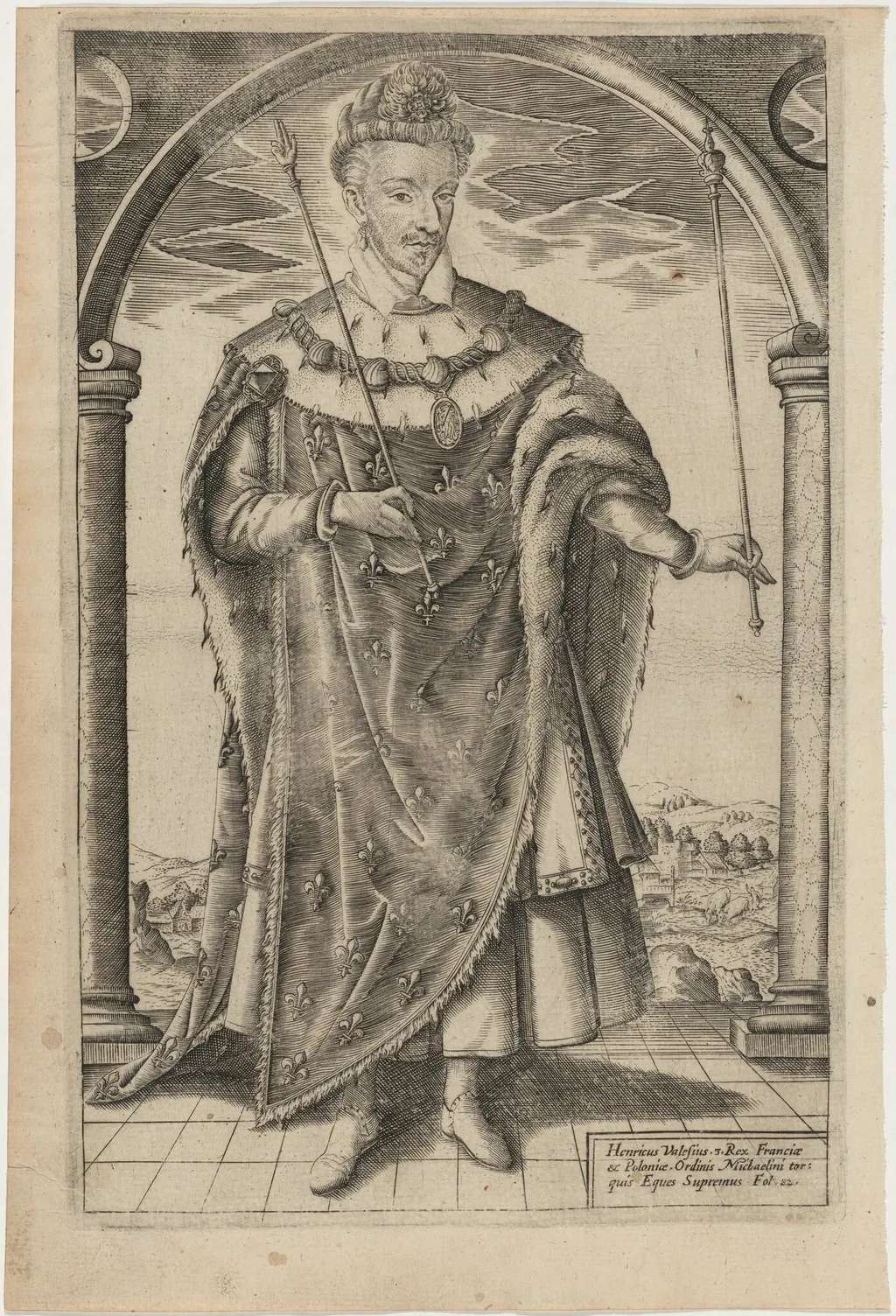
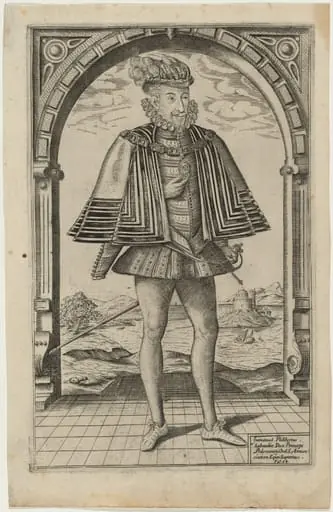
Henry III of France is an ink print by the Baroque artist William Rogers. It dates from 1602 and is held in the collection of the National Gallery of Art.
About this work
The level of detail in the engraving is high, with intricate lines and textures that give the image a sense of depth and dimensionality.
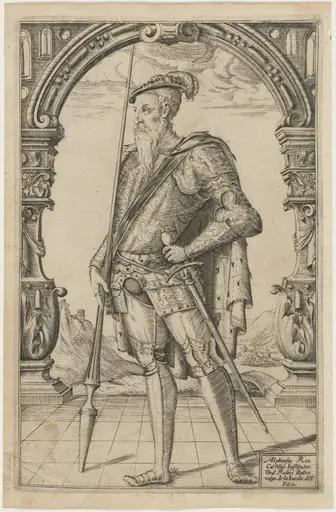
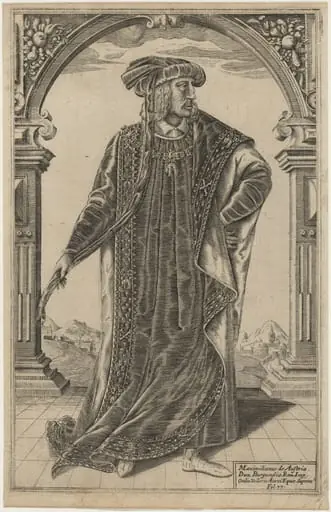
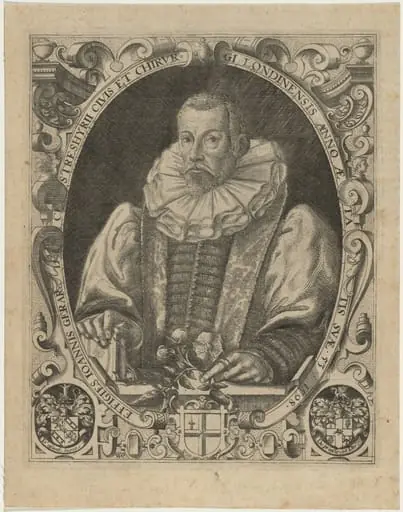
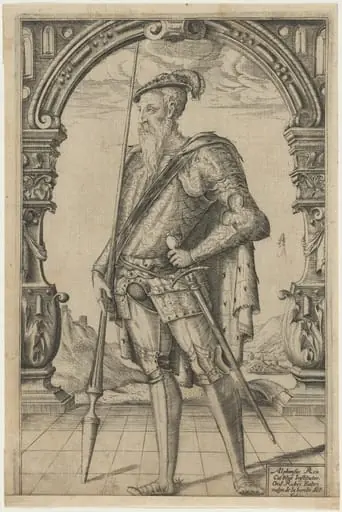
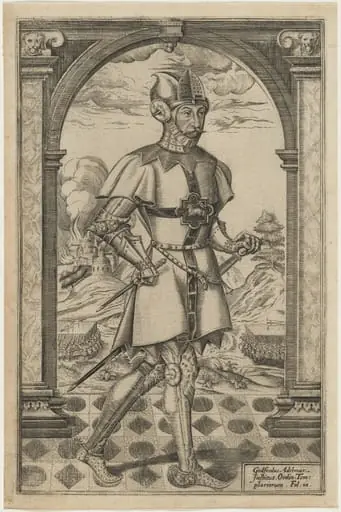
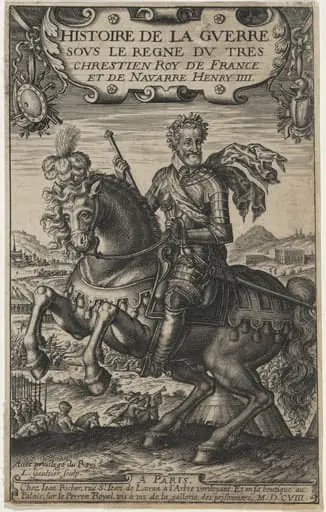
The image is an engraving of a man standing in an arched doorway, holding a scepter in his right hand and a sword in his left. He is dressed in ornate clothing, including a cloak with a fleur-de-lis pattern, and has a crown on his head. The background of the image is a landscape with rolling hills and a cloudy sky.
The man's facial expression is serious, and he appears to be looking directly at the viewer. The level of detail in the engraving is high, with intricate lines and textures that give the image a sense of depth and dimensionality.
This engraving is a great example of the Baroque style, which was popular during the 17th century. If you're interested in learning more about this style, you might want to check out the work of other Baroque artists.
Overview
William Rogers’ 1602 engraving presents a portrait of Henry III of France. The figure stands within an arched doorway, holding a scepter in his right hand and a sword in his left, his gaze directed toward the viewer. He wears a richly decorated cloak patterned with fleur‑de‑lis, a crown, and elaborate attire, set against a landscape of gentle hills under a cloudy sky.
Subject & Meaning
The composition emphasizes royal authority through the juxtaposition of regalia—the scepter and sword—with the monarch’s solemn expression. The inclusion of the fleur‑de‑lis motif reinforces the subject’s French identity, while the architectural framing suggests a formal, courtly setting, inviting contemplation of the king’s power and presence.
Technique & Style
Rogers employs fine, intersecting lines to render textures of fabric, metal, and stone, creating a sense of depth uncommon in early 17th‑century prints. The intricate hatching and cross‑hatching convey volume and light, aligning the work with the emerging Baroque aesthetic that favored dramatic detail and dynamic composition.
History & Provenance
Created in 1602, the engraving was produced shortly after Henry III’s death in 1589, reflecting contemporary interest in commemorating the late monarch. William Rogers, an English engraver active in the late Tudor and early Stuart periods, likely issued the print for a market of collectors interested in European royal portraiture.
Artist & collection