Artwork
Emperor Maximilian I
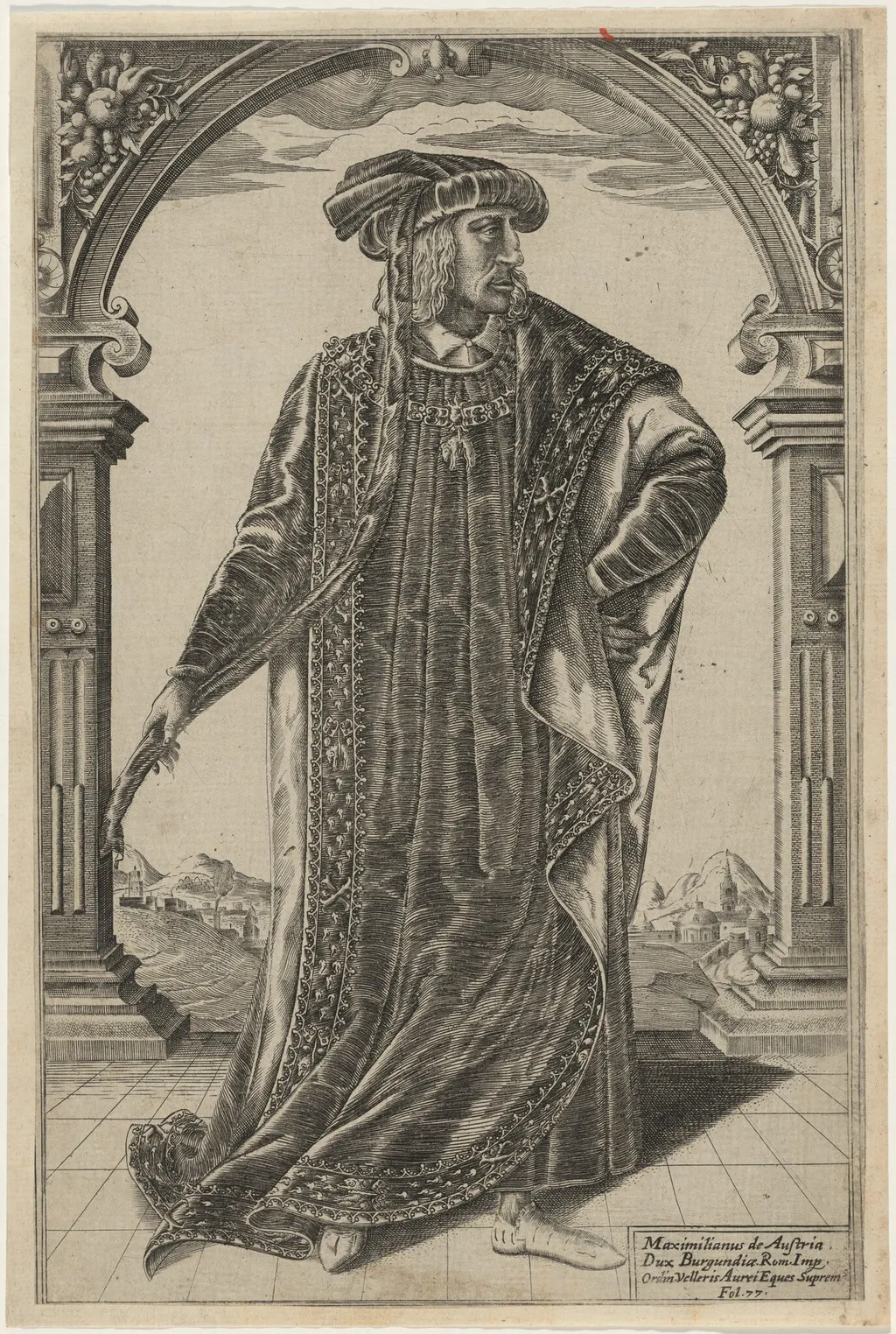
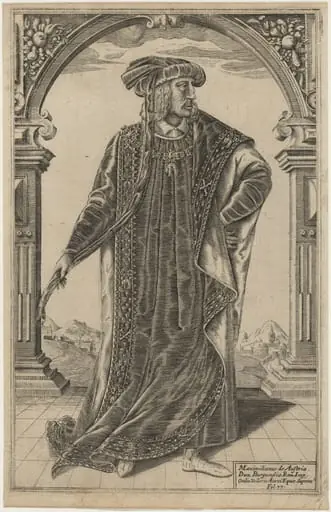
Emperor Maximilian I is an ink print by the Baroque artist William Rogers. It dates from 1602 and is held in the collection of the National Gallery of Art.
About this work
Overview
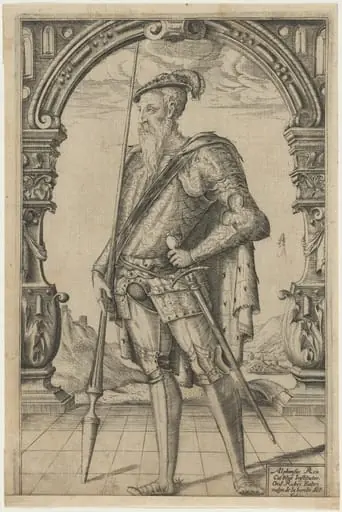
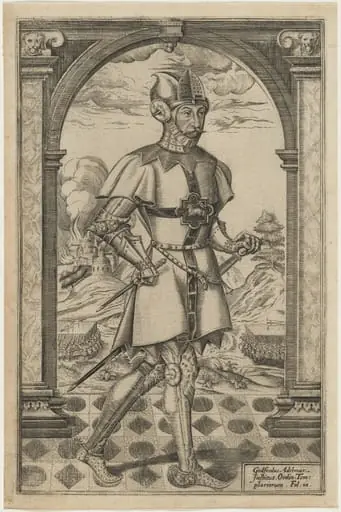
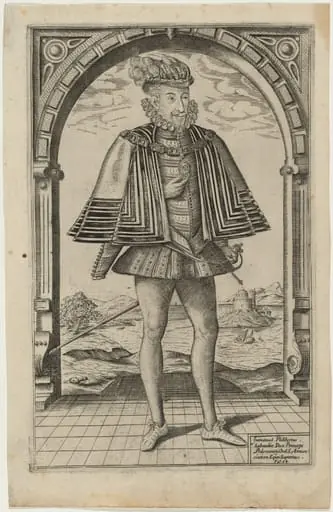
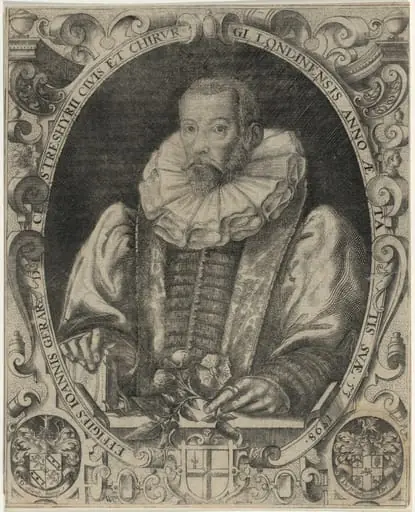
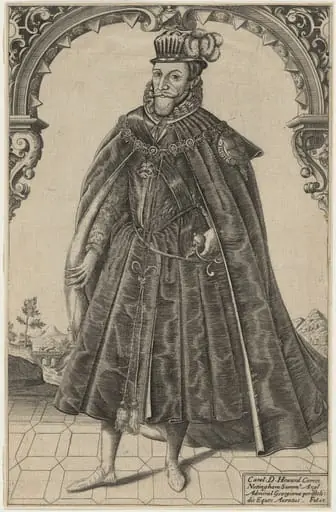
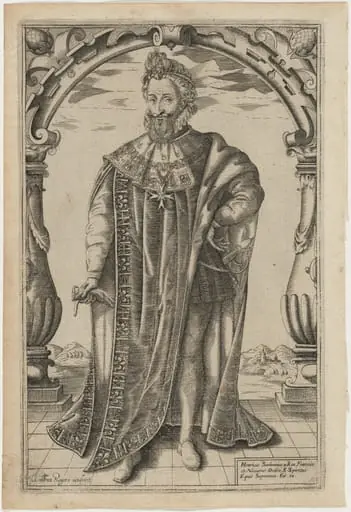
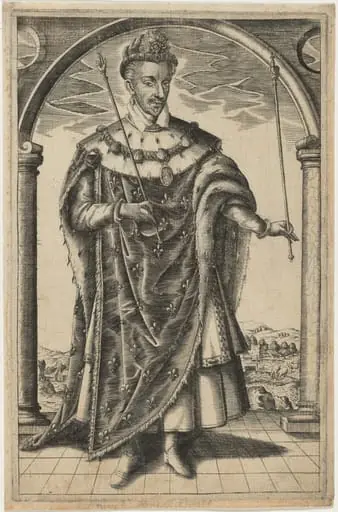
William Rogers’ 1602 engraving presents a formal portrait of Emperor Maximilian I. Rendered in monochrome, the figure is dressed in elaborate ceremonial attire, complete with a long, chain‑adorned robe and a tall, feathered hat. He stands within an ornate frame, one hand on his hip and the other grasping a rolled document, while a modest architectural and landscape vignette unfolds behind him.
Subject & Meaning
The image identifies Maximilian I, Holy Roman Emperor, emphasizing his regal authority through sumptuous clothing and symbolic objects. The rolled paper suggests legislative or diplomatic activity, reinforcing the emperor’s role as a law‑giver and patron of governance. The surrounding architectural motifs allude to the empire’s territorial reach and cultural patronage.
Technique & Style
Executed as an engraving, Rogers employed fine, intersecting lines to create tonal variation—a method known as cross‑hatching. This approach renders the textures of velvet, metal chains, and fabric folds with precision, while the contrast between deep shadows and illuminated areas gives the figure a three‑dimensional presence despite the flat medium.
History & Provenance
Created in the early seventeenth century, the print reflects the period’s interest in commemorating imperial figures through reproducible media. Rogers, an English engraver active in the late 1500s and early 1600s, produced the work likely for distribution among courtly patrons and collectors interested in dynastic portraiture.
Context
The engraving emerges at a time when printed portraiture served both political propaganda and personal devotion. Maximilian I’s reign (1493‑1519) had been celebrated in earlier woodcuts and medals; Rogers’ print continues this visual tradition, adapting it to the English market and the technical possibilities of copper engraving.
Legacy
While not as widely reproduced as later imperial portraits, Rogers’ engraving contributes to the visual record of Maximilian I and exemplifies early modern printmaking’s capacity to disseminate regal imagery across borders, influencing subsequent portrait engravings in England and the continent.
Artist & collection