Artwork
Aaron Rathborne
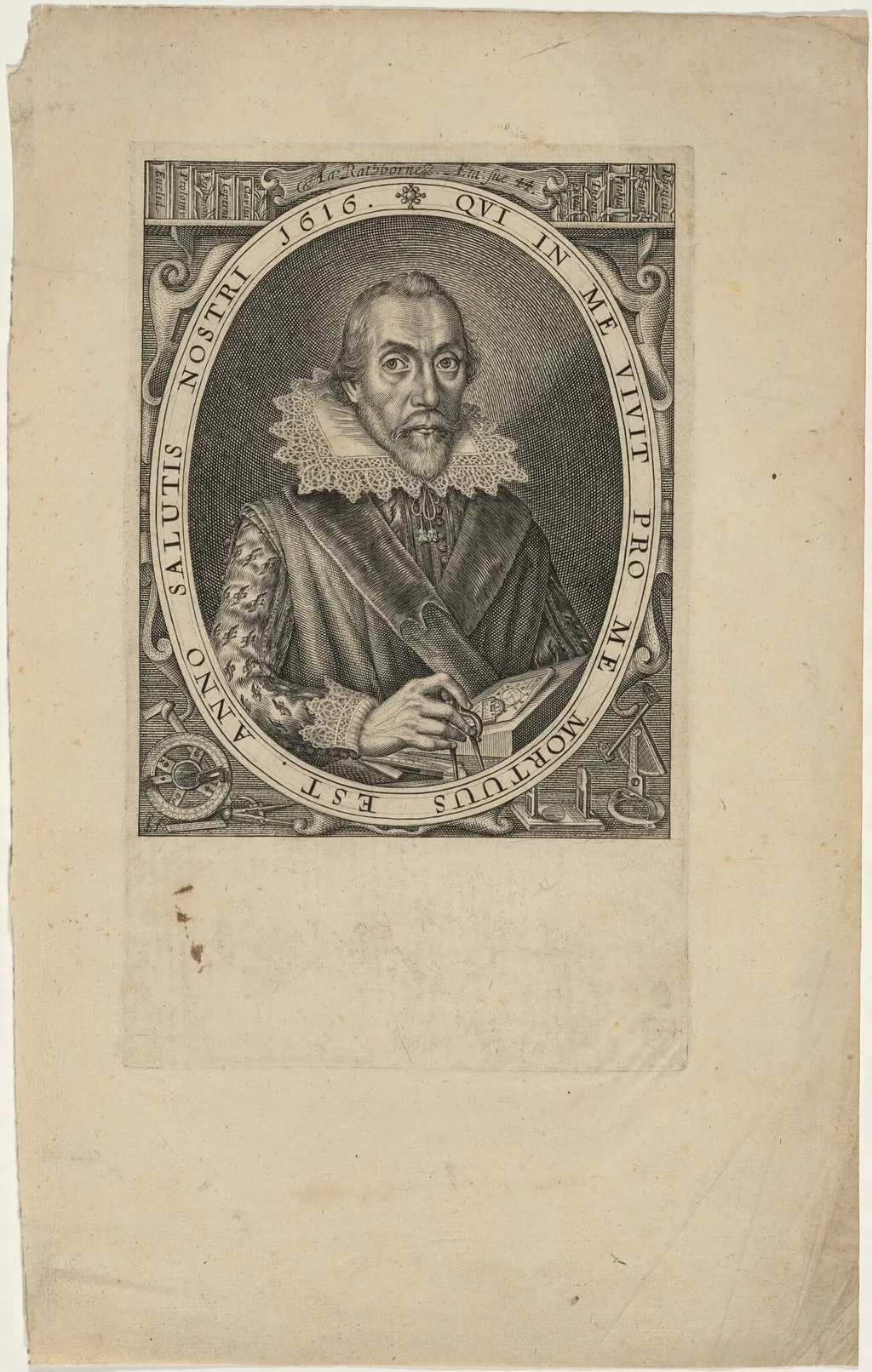
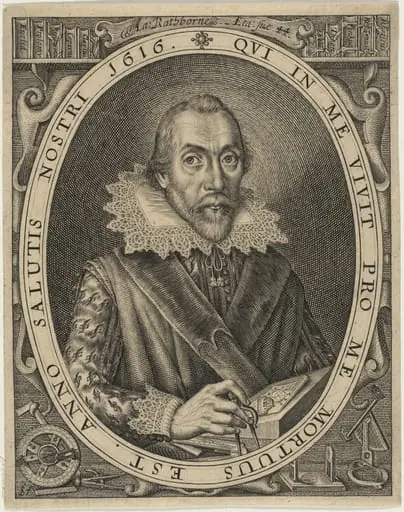
Aaron Rathborne is an ink print by the Baroque artist Simon van de Passe. It dates from 1616 and is held in the collection of the National Gallery of Art.
About this work
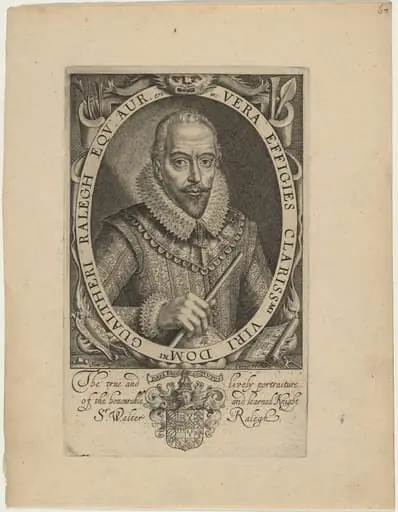
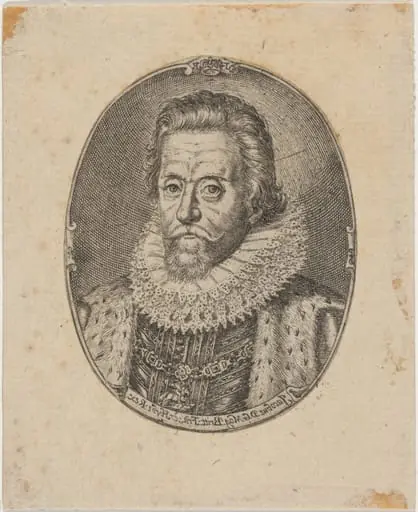
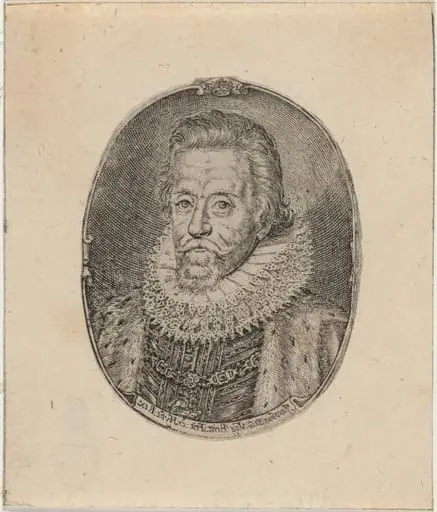
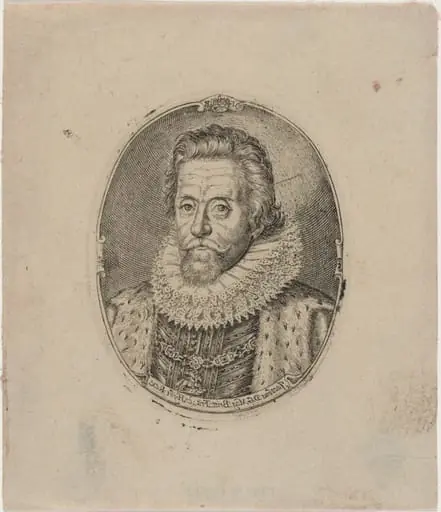
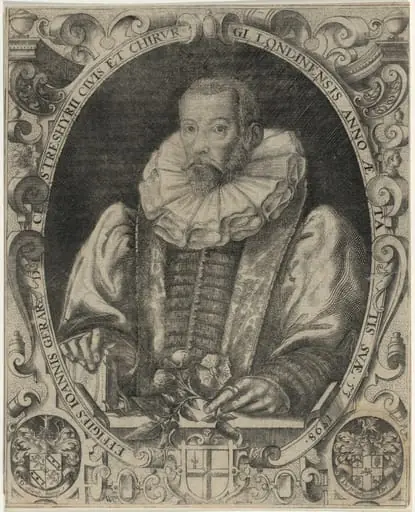
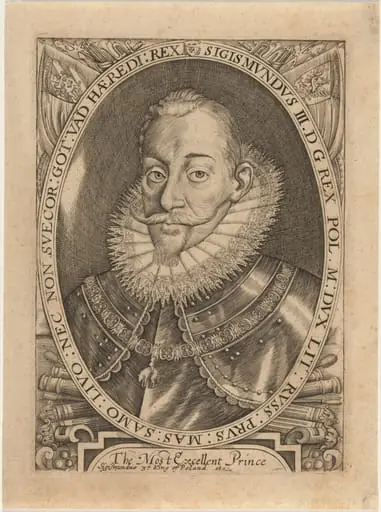
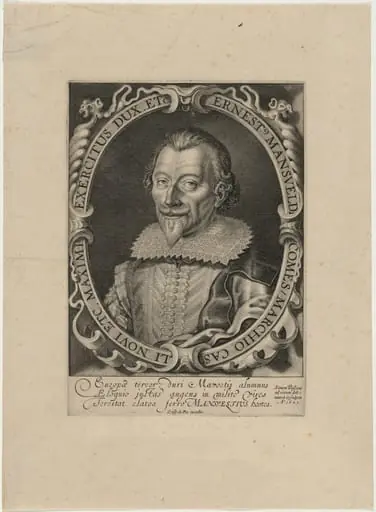
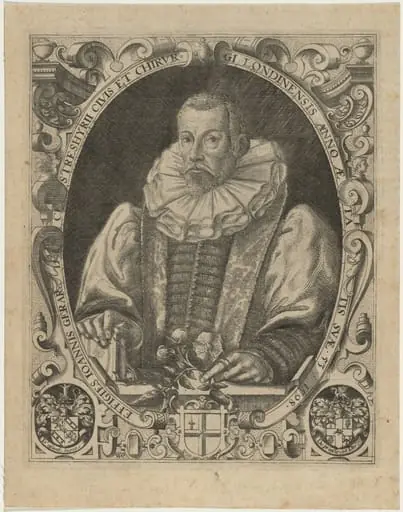
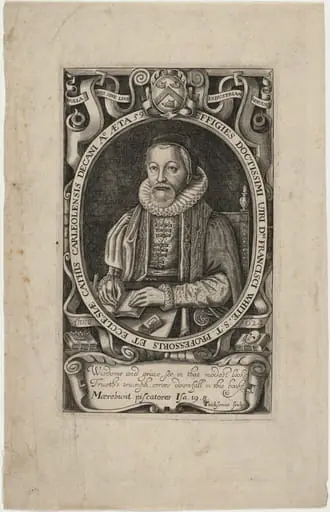
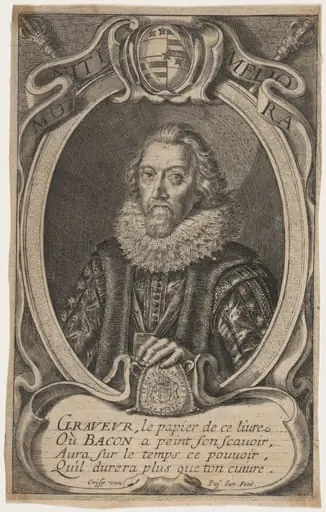
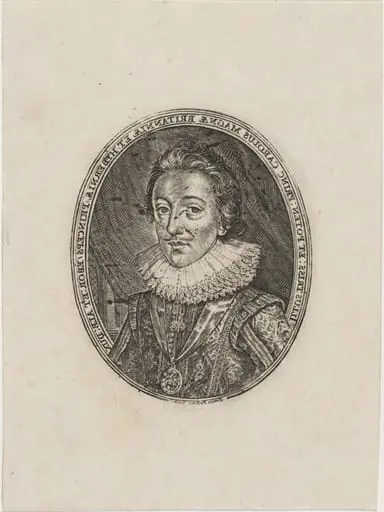
This portrait shows a man with a lace collar and a dark robe, holding a quill pen. He has a serious expression and is surrounded by an oval frame with text.
The frame includes the year 1616 and the name Aaron Rathborne. The background is dark, and the overall mood is formal.
To learn more about the artist who created this engraving, look up Passe, Simon van de.
Overview
This 1616 engraving by Simon van de Passe depicts Aaron Rathborne, a figure associated with the arts or scholarly circles of early 17th-century England.
This 1616 engraving by Simon van de Passe depicts Aaron Rathborne, a figure associated with the arts or scholarly circles of early 17th-century England. Rendered in fine line work on paper, the portrait is framed within an oval border inscribed with the subject’s name and the date. The composition is restrained, emphasizing formality and intellectual presence through minimal background and precise detail.
Subject & Meaning
Aaron Rathborne is portrayed as a man of letters, identified by his quill pen and scholarly attire. His serious expression and direct gaze suggest a contemplative, professional demeanor. The inclusion of his name and the year in the border reinforces the portrait’s function as a documented likeness, likely intended for circulation among peers or patrons rather than as a private keepsake.
Technique & Style
Simon van de Passe employed fine, controlled engraving lines to render texture in Rathborne’s lace collar and the folds of his dark robe. The dark background isolates the figure, heightening focus on facial features and clothing. The oval frame, typical of portrait prints of the period, serves both decorative and structural purposes, anchoring the inscription and reinforcing the subject’s status.
History & Provenance
Created in 1616, the engraving emerged during a period when portraiture in print was gaining currency among European elites. Van de Passe, part of a renowned family of engravers, produced numerous likenesses of notable figures. While Rathborne’s specific role remains obscure, the print’s survival suggests it was circulated in intellectual or artistic networks of the time.
Context
In early 17th-century England, engraved portraits served as tools of recognition and social documentation. Artists like van de Passe, working in the Netherlands but catering to English patrons, bridged continental techniques with local tastes. Rathborne’s portrait reflects this transnational exchange, aligning with trends in scholarly portraiture that valued precision and restraint over flamboyance.
Legacy
The engraving endures as an example of early modern print culture, illustrating how portraiture functioned beyond mere representation to affirm identity and professional standing. Though Rathborne himself is not widely remembered, van de Passe’s craftsmanship preserves his image within a broader archive of printed likenesses that shaped visual records of the era.
Artist & collection