Artwork
Medici Madonna
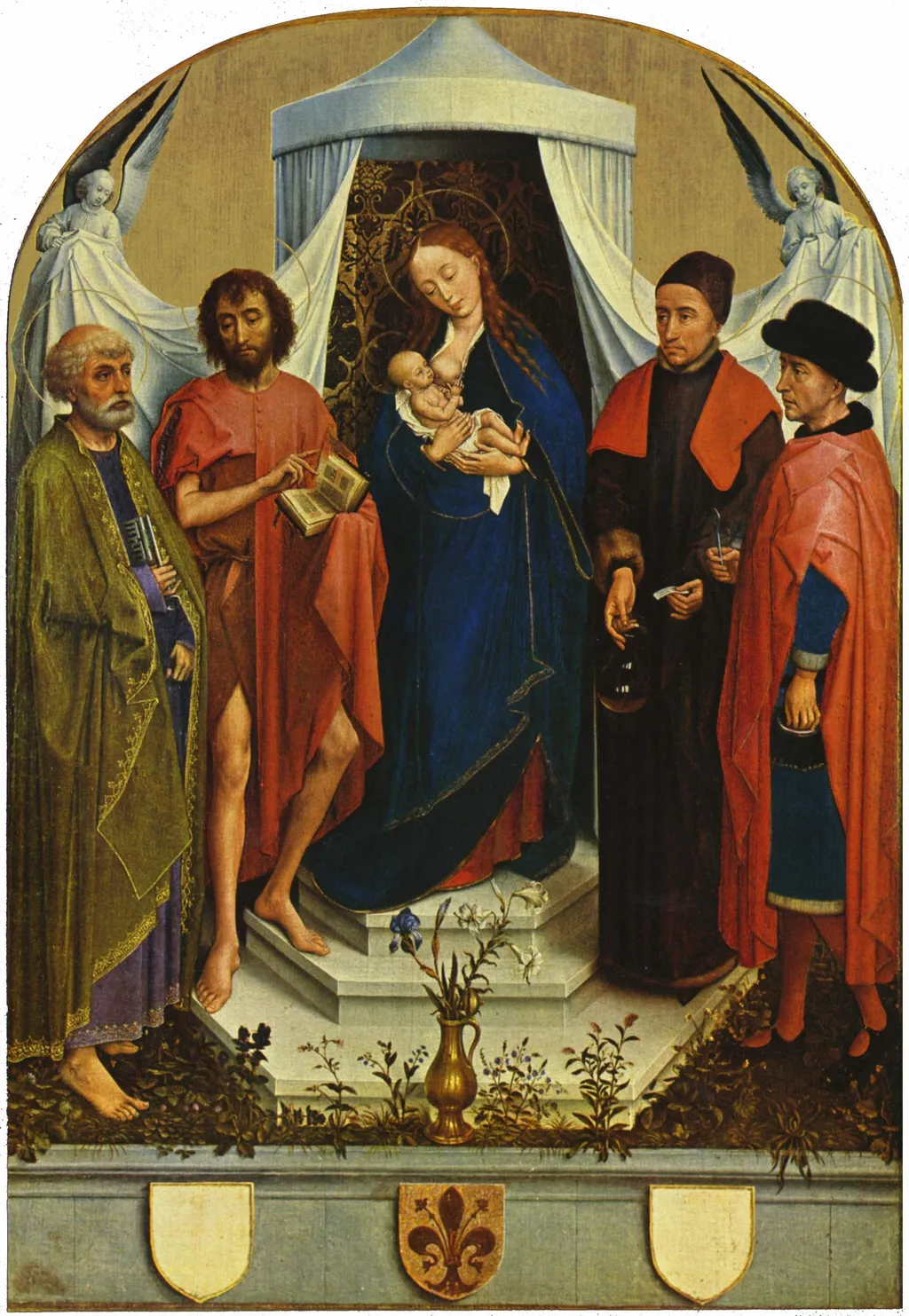
Medici Madonna is a mixed painting by the Northern Renaissance artist Rogier van der Weyden. It dates from 1460 and is held in the collection of the Städel Museum.
About this work
Overview
Painted in oil on oak panel, the Medici Madonna is attributed to Rogier van der Weyden and created between approximately 1460 and 1464. It resides in the Städel Museum in Frankfurt, Germany. The painting was commissioned by the Medici family of Florence, a fact confirmed by the heraldic emblem of the city—a red lily—engraved on the step beneath the Virgin’s feet.
Subject & Meaning
The inclusion of the Medici emblem suggests the painting served both spiritual and political purposes, aligning the family with divine favor.
The composition depicts the Virgin Mary seated with the Christ Child on her lap, both figures rendered with solemn grace. Their quiet intimacy reflects a devotional ideal common in Northern Renaissance art, where sacred figures are presented not as distant icons but as accessible, humanized beings. The inclusion of the Medici emblem suggests the painting served both spiritual and political purposes, aligning the family with divine favor.
Technique & Style
Van der Weyden employs fine brushwork to render textures of fabric, skin, and stone with meticulous detail. The figures are arranged in a shallow space, framed by a Gothic arch, enhancing their sculptural presence. His use of subdued color and controlled lighting creates a contemplative mood, characteristic of his mature style and influenced by Italian devotional models encountered during his travels.
History & Provenance
The painting’s commission by the Medici family is documented through the Florentine coat of arms on the step. While some scholars have proposed an earlier date around 1450–1451, linking it to van der Weyden’s journey to Italy, the prevailing consensus places its creation in the early 1460s. It remained in Florence before entering the Städel’s collection in the 19th century.
Context
During the 1460s, Northern artists increasingly engaged with Italian artistic traditions, particularly in devotional imagery. Van der Weyden’s exposure to Florentine works, including those by Beato Angelico, likely shaped the Madonna’s serene composition and emotional restraint. The painting reflects a cross-cultural exchange, blending Northern precision with Italian ideals of harmony and dignity.
Legacy
The Medici Madonna stands as a testament to the transregional networks of Renaissance patronage and artistic influence. Its survival and continued display in Frankfurt underscore its importance as a bridge between Flemish and Italian traditions. Though not widely reproduced, it remains a key example of how religious imagery was adapted to serve both spiritual devotion and familial prestige.
Artist & collection
Artist
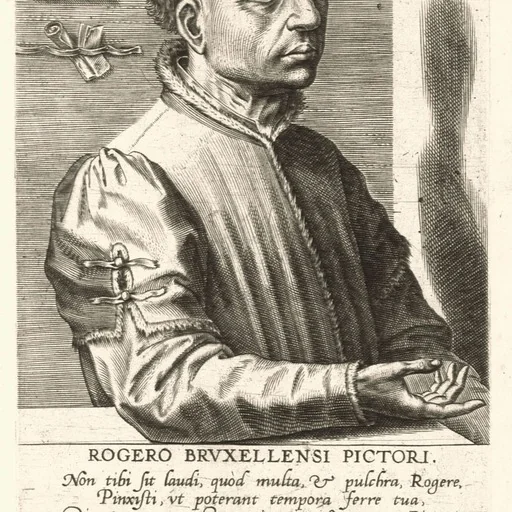
Rogier van der Weyden (Dutch: ; 1399 or 1400 – 18 June 1464), initially known as Roger de la Pasture (French: ), was an early Netherlandish painter whose surviving works consist mainly of religious triptychs,…

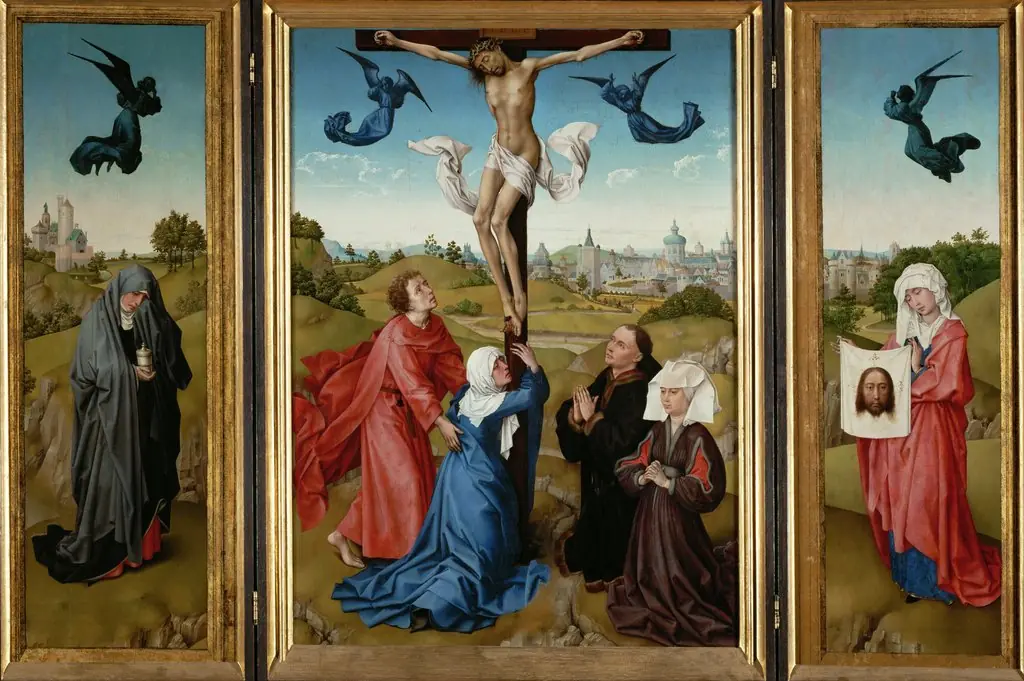
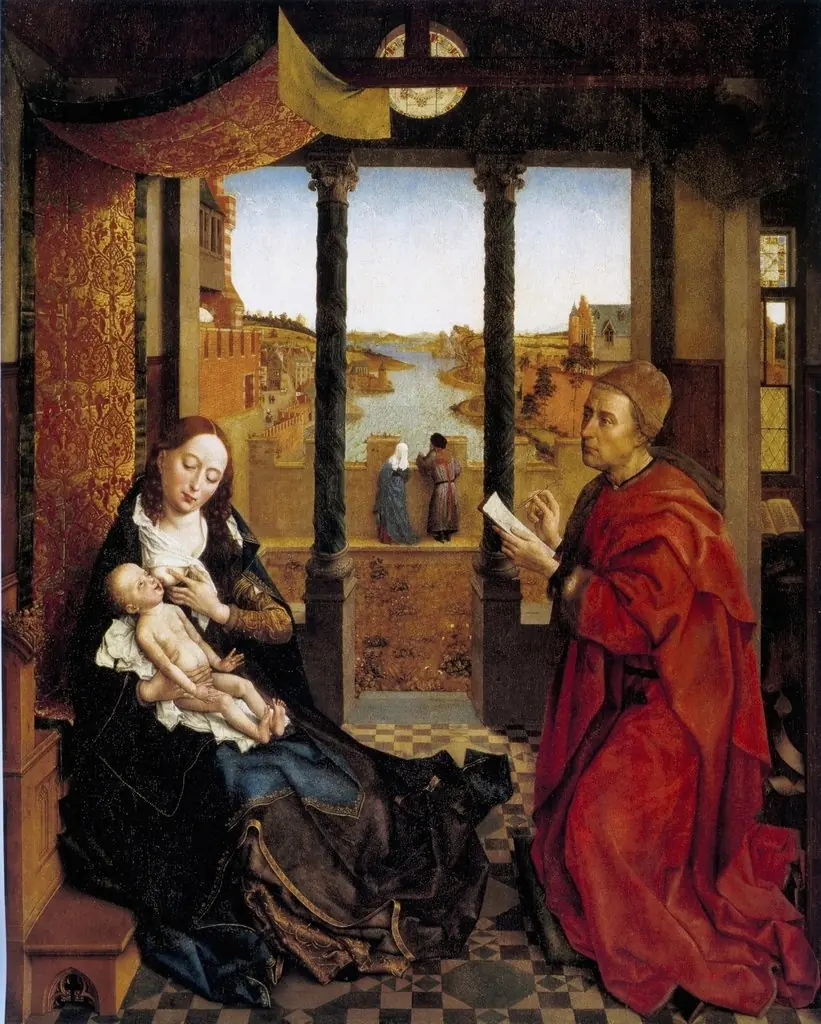
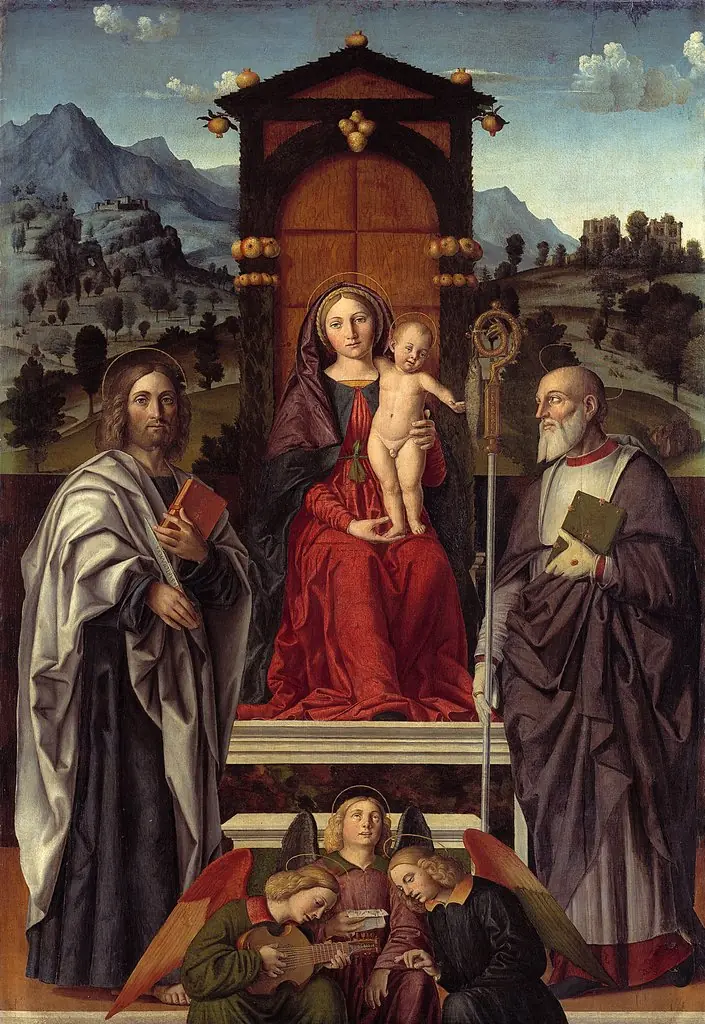 Mary and Child Enthroned with Saints
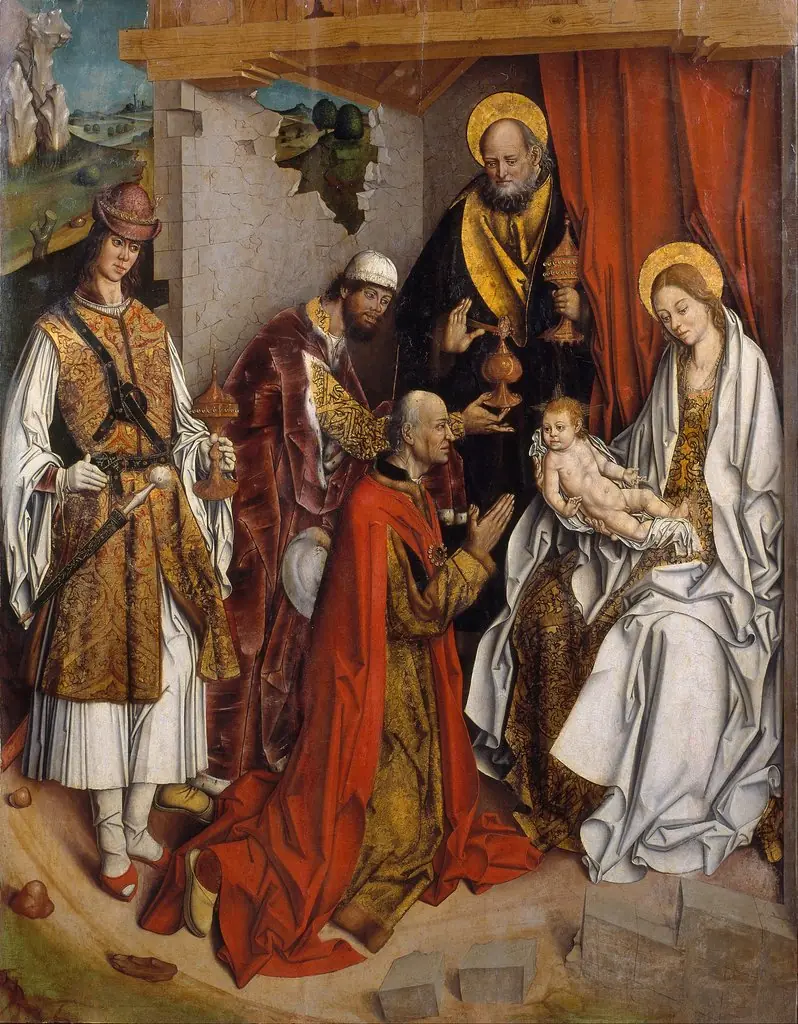 Epiphany
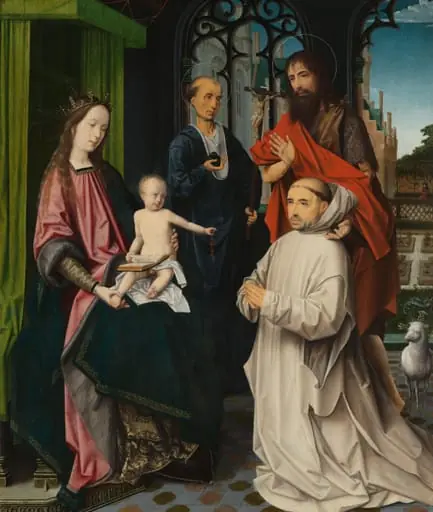 Tronende Maria en Christus, met Sint-Hiëronymus, Johannes de Doper en een kartuizer monnik
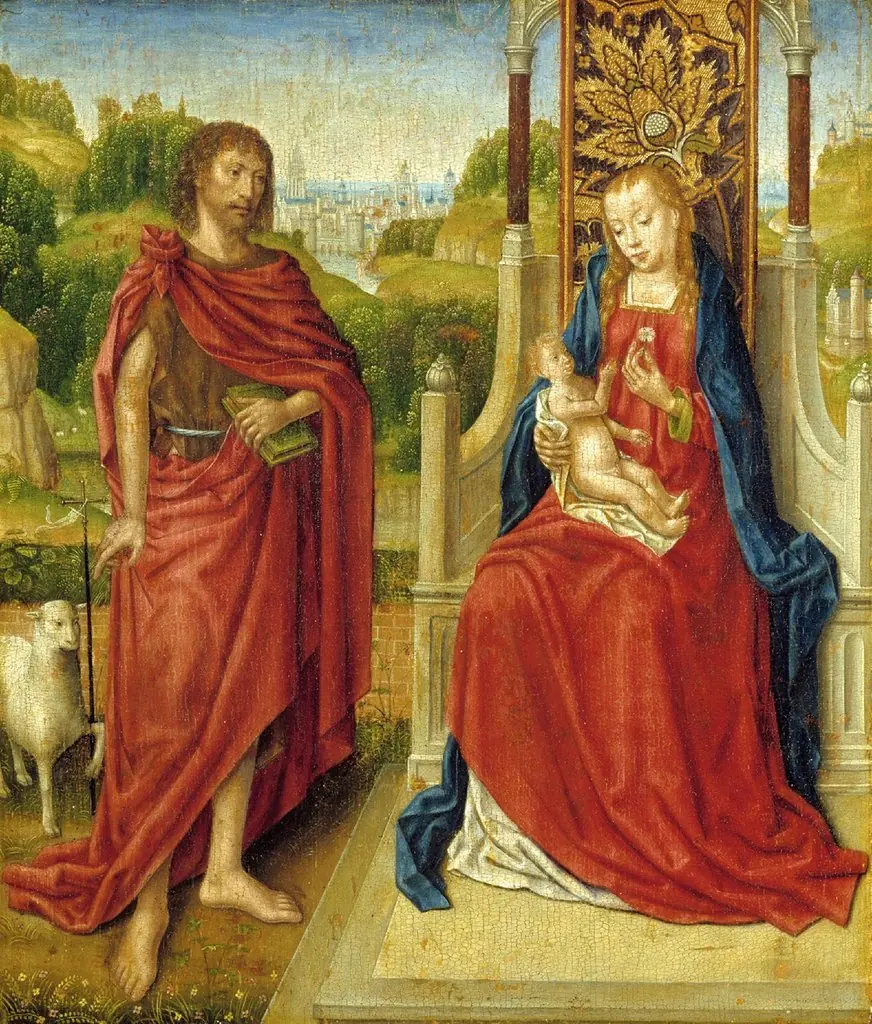 Virgin and Child and Saint John the Baptist
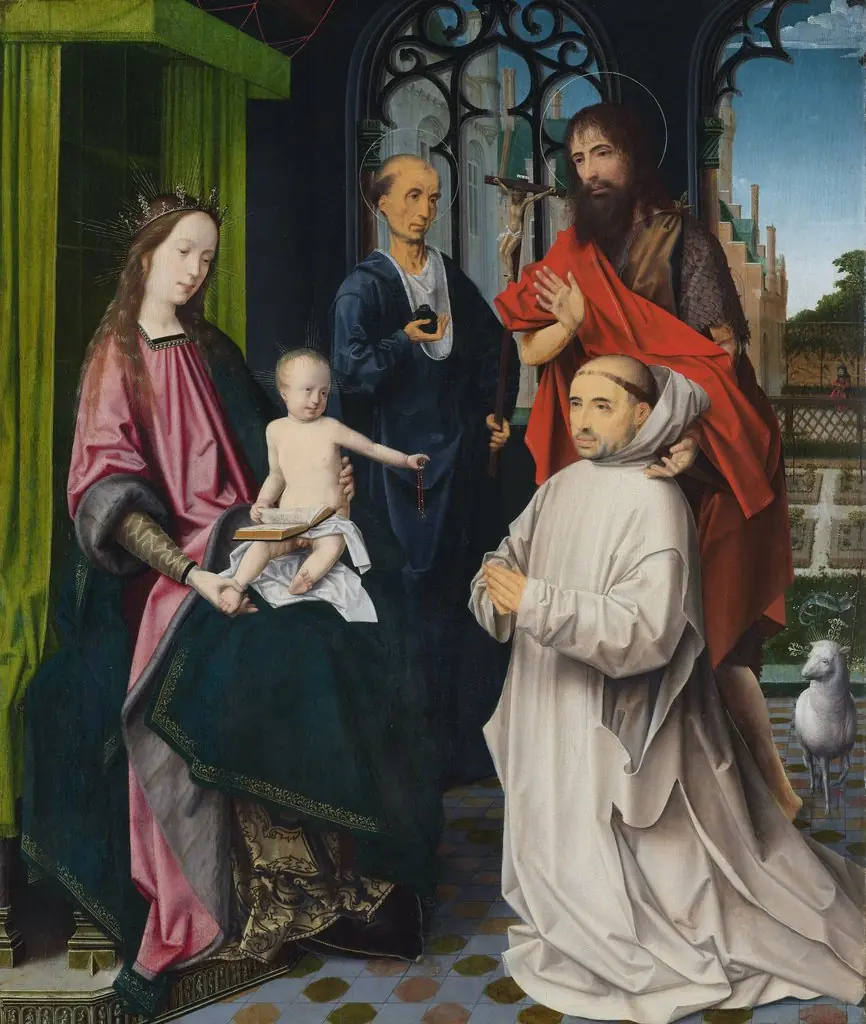 Virgin and Child Enthroned, with Saints Jerome and John the Baptist and a Carthusian Monk
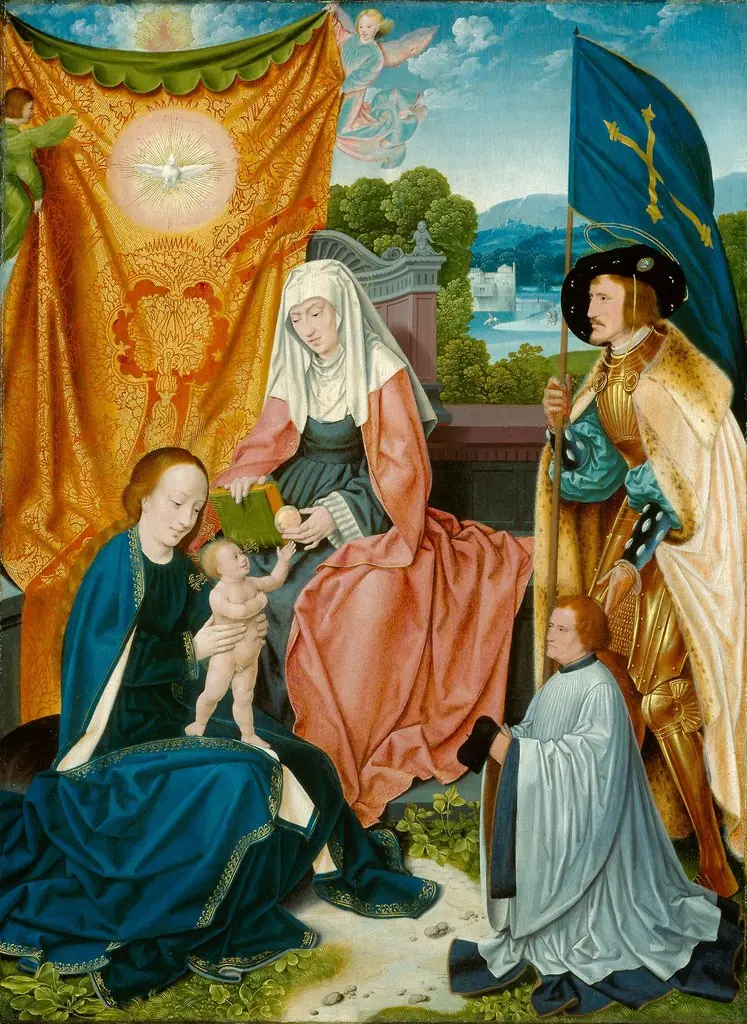 Virgin and Child with Saint Anne, Saint Gereon, and a Donor
 Madonna and Child with Saints in the Enclosed Garden
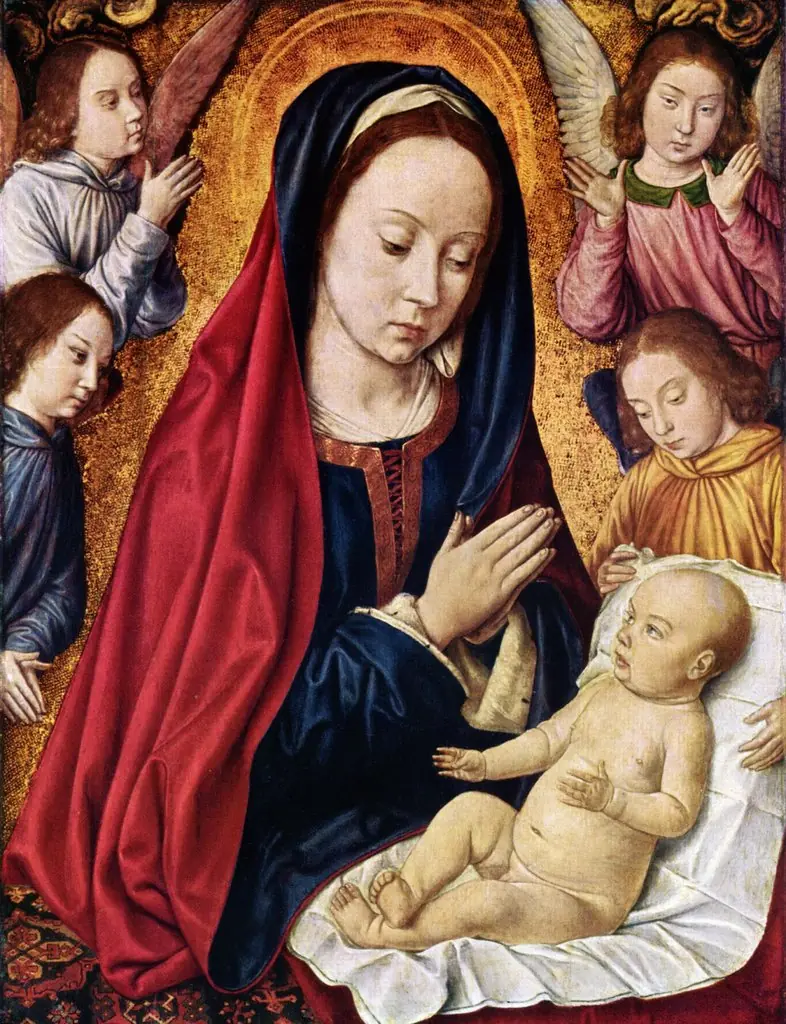 Madonna and Child
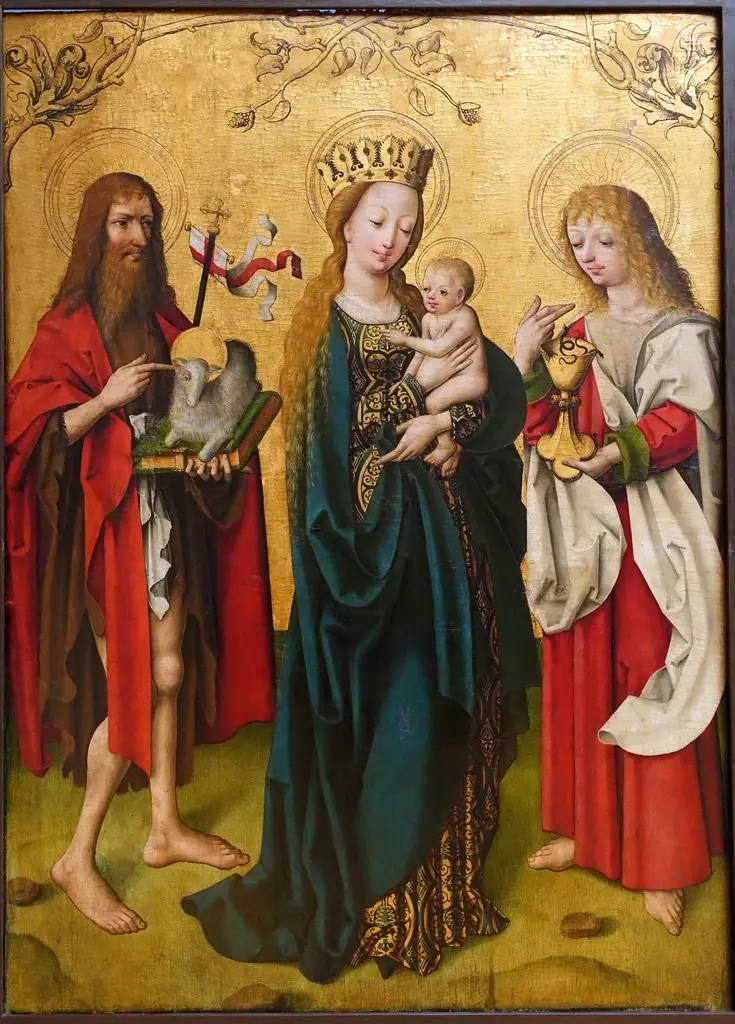 Virgin and Child between Sts. John the Baptist and John the Evangelist
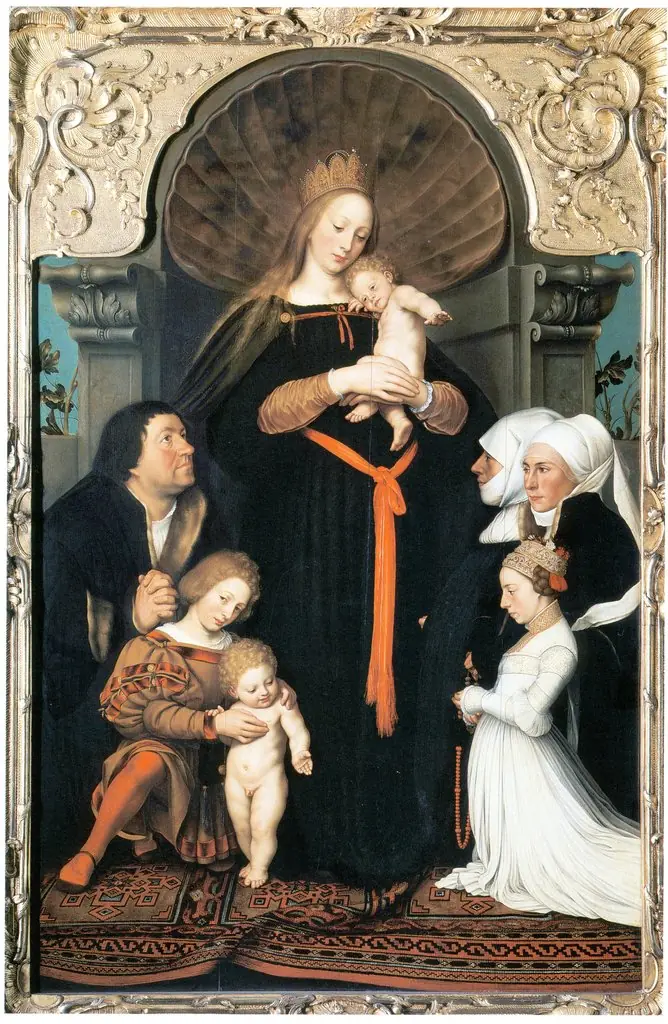 Madonna des Bürgermeisters Meyer (Kopie)
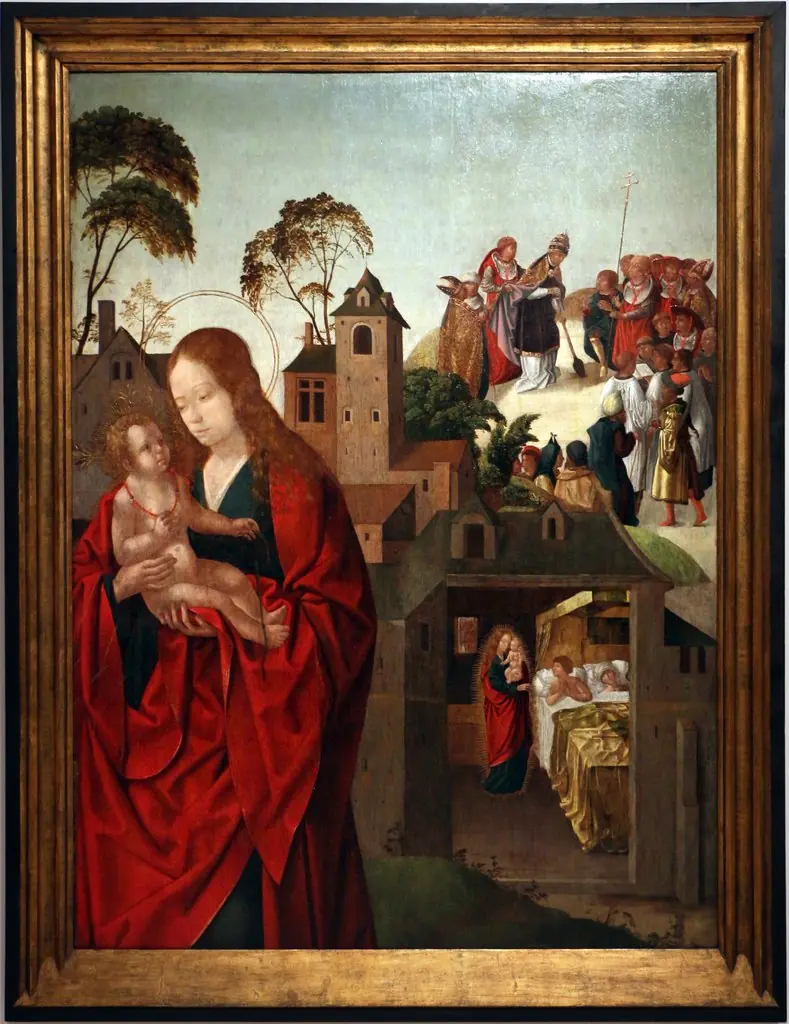 Our Lady of the Snows
 Virgin of the Councillors