Artwork
Charles-Georges Coqueley de Chaussepierre
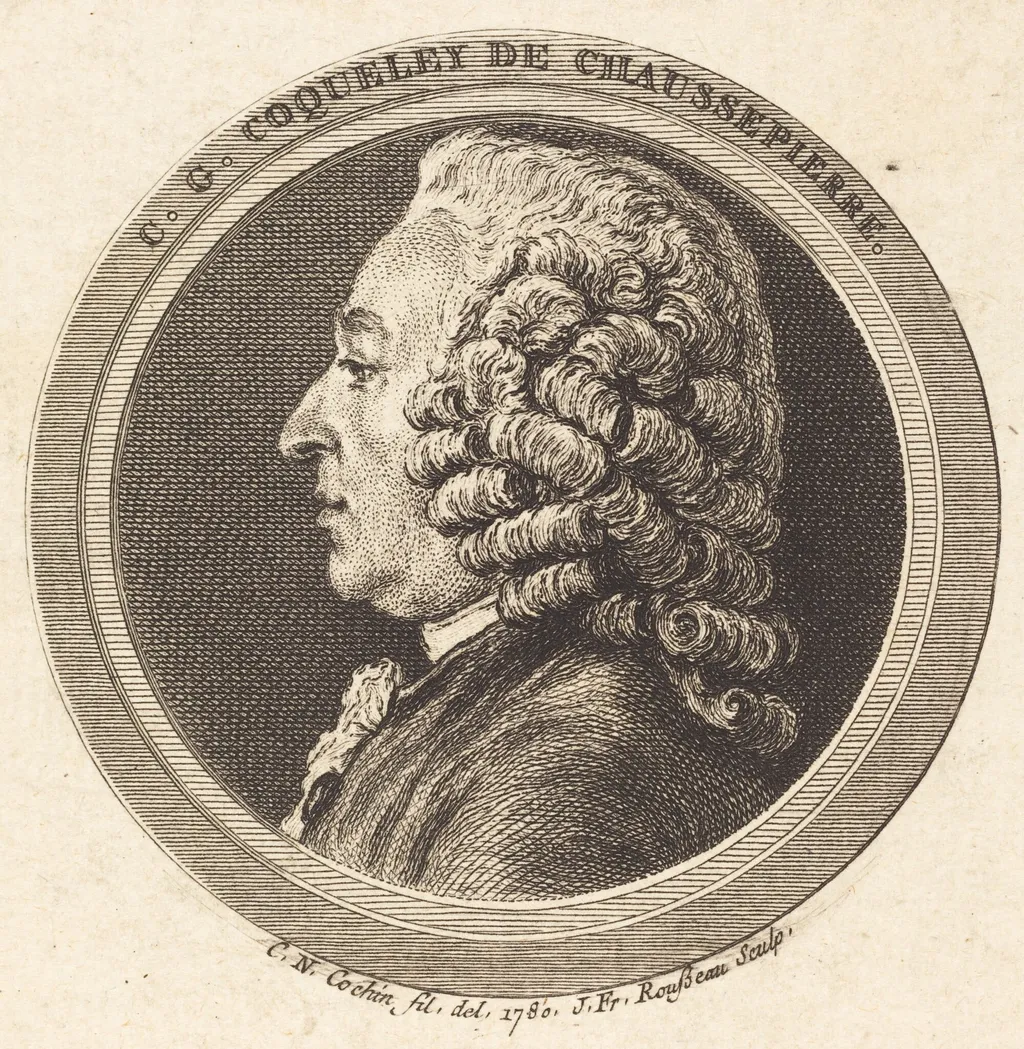
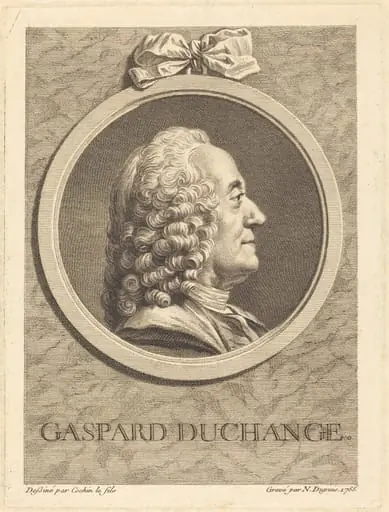
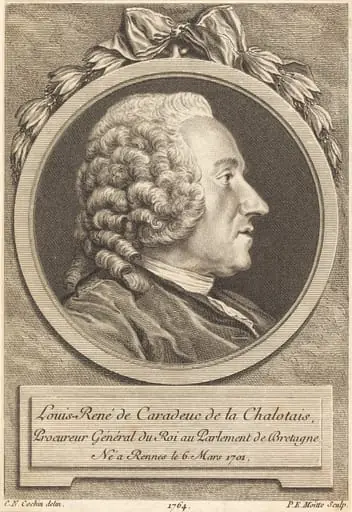
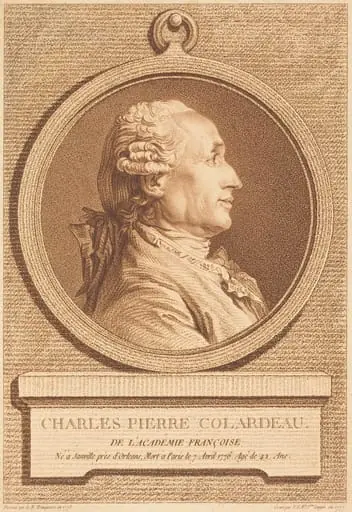
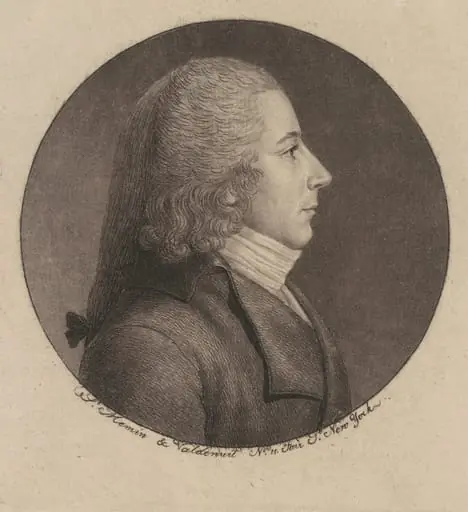
Charles-Georges Coqueley de Chaussepierre is an ink print by the Romanticist artist Jean Francois Rousseau. It dates from 1780 and is held in the collection of the National Gallery of Art. The work is a black‑and‑white print depicting an elderly gentleman with white, tightly curled hair and a towering white wig.
About this work
Overview
The work is a black‑and‑white print depicting an elderly gentleman with white, tightly curled hair and a towering white wig. He is dressed in a dark, high‑collared coat and holds a folded sheet of paper in his right hand. The figure is set against an unadorned background and enclosed within a circular frame that carries inscription along its upper edge.
Subject & Meaning
The portrait presents a formal representation of a senior male figure, likely intended to convey status or scholarly authority. The inclusion of a letter or document suggests a connection to correspondence, legal affairs, or intellectual activity, common motifs in eighteenth‑century portraiture that emphasized the sitter’s professional or civic role.
Technique & Style
Executed by Jean‑François Rousseau in 1780, the image combines etching and engraving on laid paper. Fine, incised lines render the texture of the wig and coat, while deeper engraved strokes provide tonal depth. The method involves drawing the design on a metal plate, etching the outlines with acid, then incising details with a burin before printing with ink pressed onto the paper.
History & Provenance
Created in the late eighteenth century, the print bears the name Charles‑Georges Coqueley de Chaussepierre, likely the sitter, and reflects the period’s practice of producing portrait prints for circulation among patrons and collectors. Its survival on laid paper indicates it was intended for a relatively limited audience, typical of personalized portraiture of the era.
Artist & collection