Artwork
N.B. Lepicie
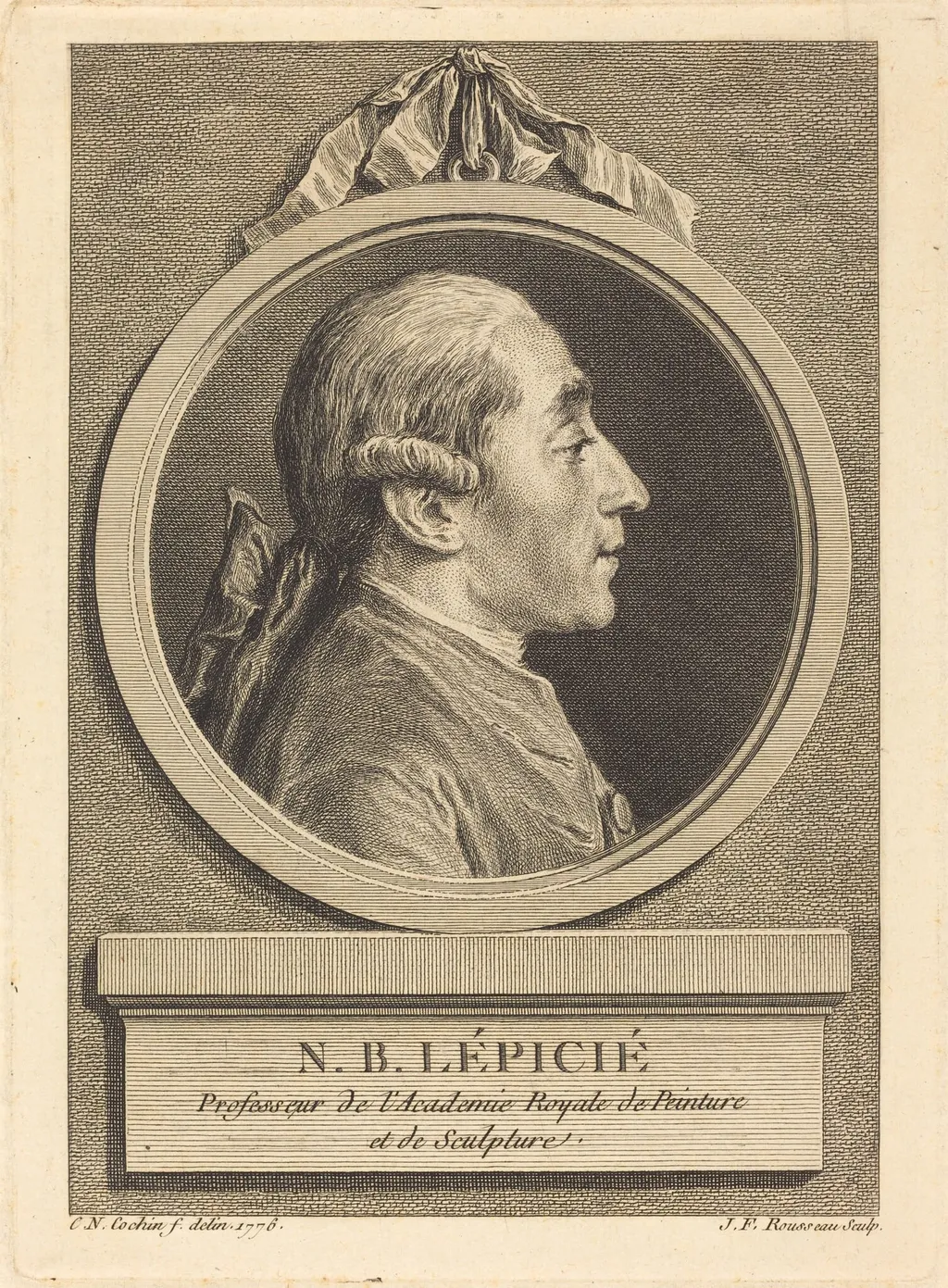
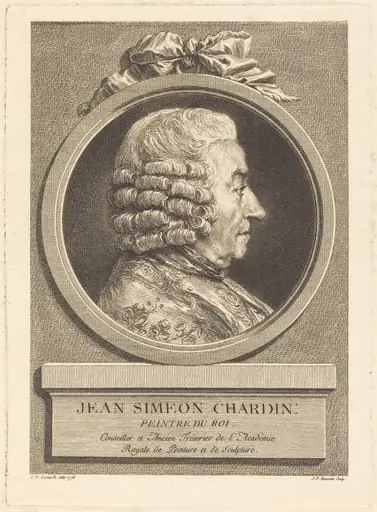
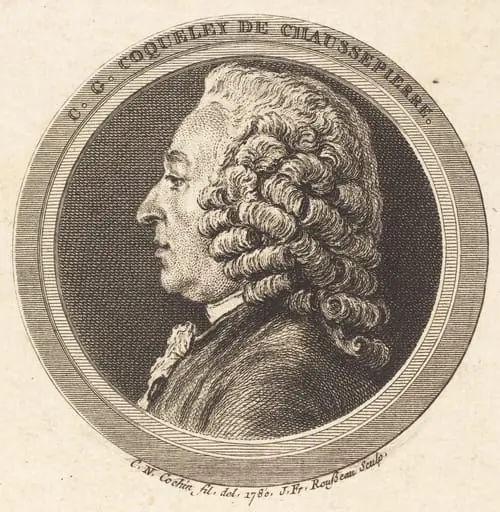
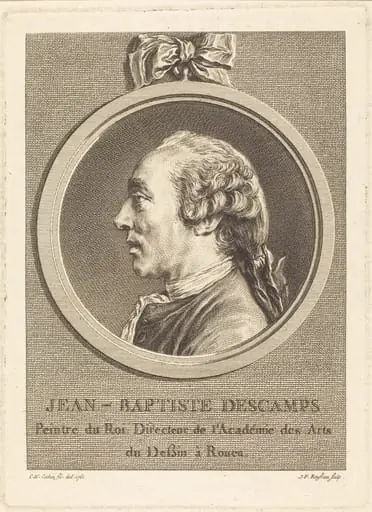
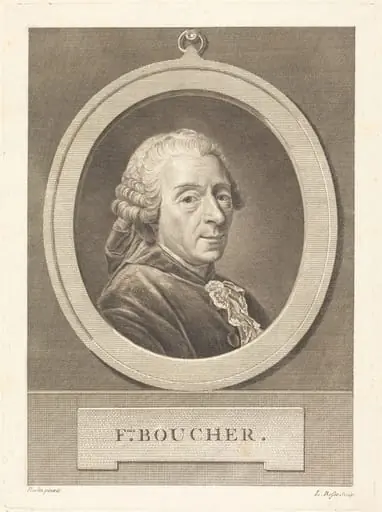
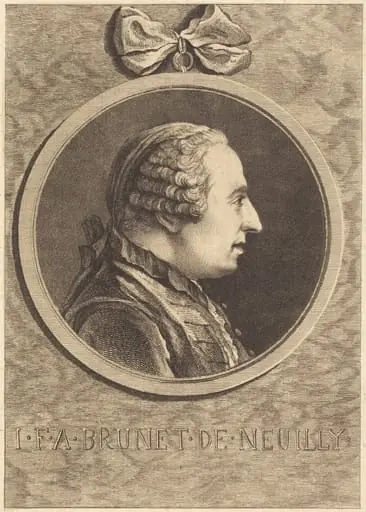
N.B. Lepicie is an ink print by the Romanticist artist Jean Francois Rousseau. It dates from 1776 and is held in the collection of the National Gallery of Art. Created around 1776, this circular print by Jean‑François Rousseau combines engraving with an underlying etching on laid paper.
About this work
Overview
A plain, unadorned background isolates the subject, allowing the viewer to concentrate on the nuanced rendering of his expression and costume.
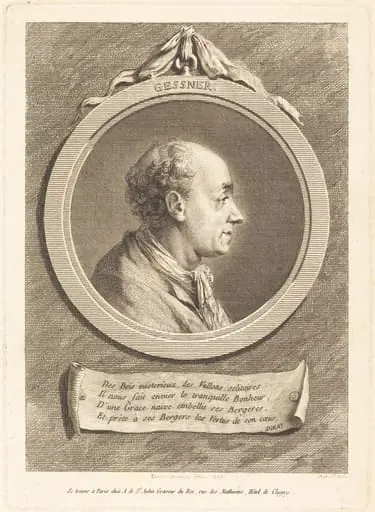
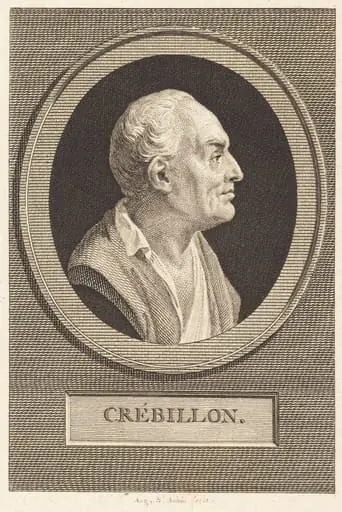
Created around 1776, this circular print by Jean‑François Rousseau combines engraving with an underlying etching on laid paper. The work presents a solitary male figure in profile, rendered with meticulous line work that emphasizes facial features and attire. A plain, unadorned background isolates the subject, allowing the viewer to concentrate on the nuanced rendering of his expression and costume.
Subject & Meaning
The portrait depicts a man turned toward the right, his gaze directed outward, conveying a composed seriousness. He wears a period wig, its back secured with a ribbon, a fashion cue that signals his social standing. The emphasis on facial structure—particularly a pronounced nose—suggests an intent to capture the individual's likeness and character rather than an idealized type.
Technique & Style
Rousseau employed a dual process: an initial etching laid the compositional framework, followed by a finer engraving that added depth through cross‑hatching and tonal variation. The use of laid paper, with its subtle ribbed texture, interacts with the incised lines to produce a tactile surface. This combination yields a rich gradation of light and shadow, enhancing the three‑dimensional illusion of the figure.
History & Provenance
Attributed to the French printmaker Jean‑François Rousseau, the work dates to the late eighteenth century, a period when portrait engravings served both decorative and documentary purposes. While specific ownership records are scarce, the piece aligns with Rousseau’s known output of portraiture for a clientele interested in commemorating personal identity through reproducible media.
Artist & collection