Artwork
Hjalmar Wicander, industrialist, art collector
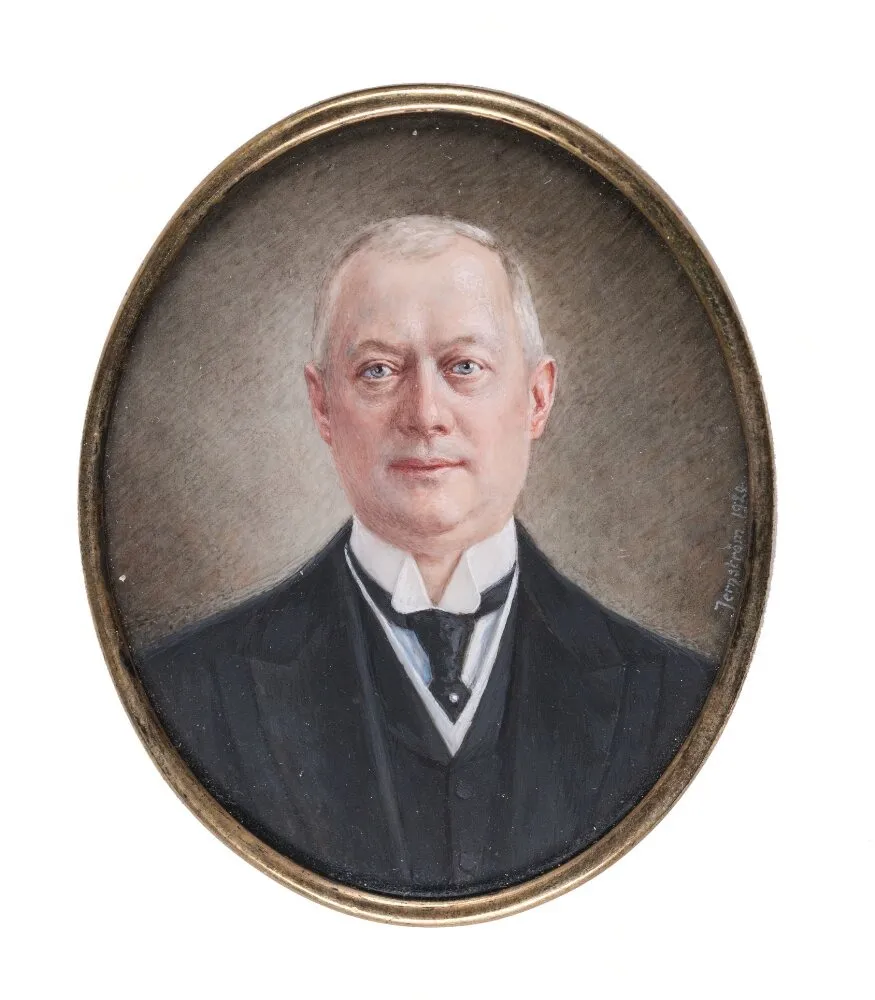
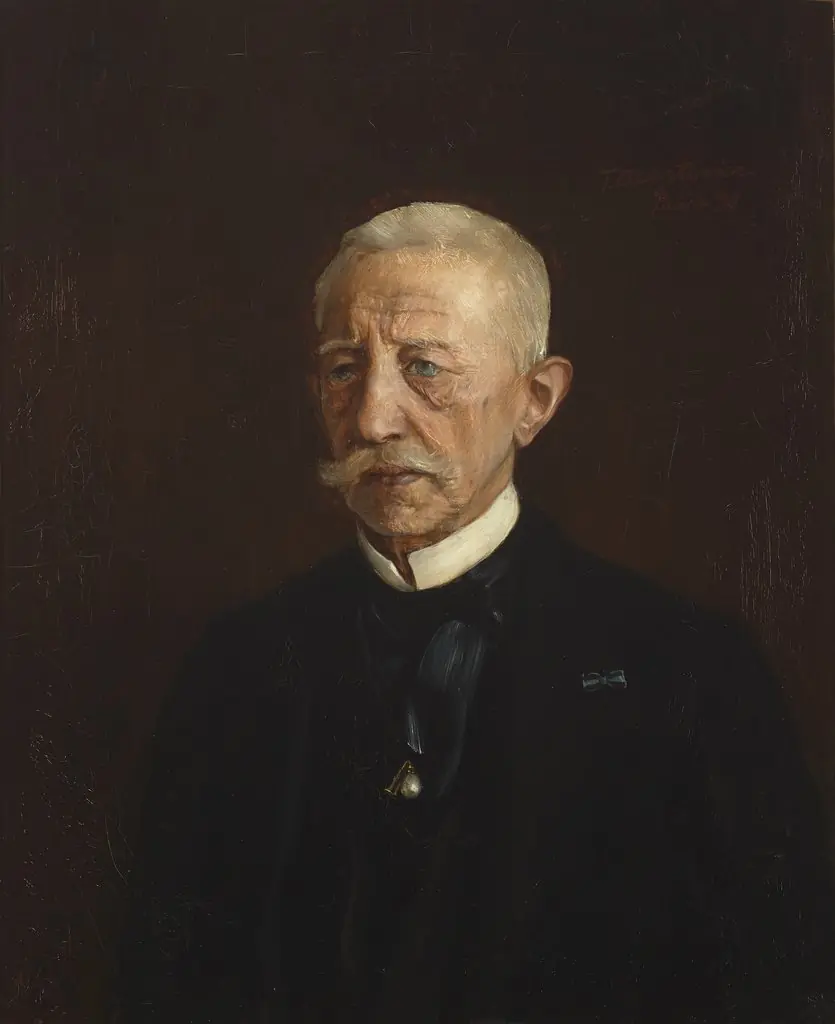
Hjalmar Wicander, industrialist, art collector is an unspecified painting by Rudolf Jernström. It dates from 1920 and is held in the collection of the Nationalmuseum.
About this work
If you're interested in learning more about the artist behind this portrait, you might want to look up Rudolf Jernström.
This portrait features a man with short white hair, dressed in a black suit, white shirt, and black tie. The background is a muted brown color.
The subject's attire and the style of the painting suggest it was created in the early 20th century. The artist's use of a neutral background focuses attention on the subject.
If you're interested in learning more about the artist behind this portrait, you might want to look up Rudolf Jernström.
Overview
Painted in 1920 by Rudolf Jernström, this portrait depicts Hjalmar Wicander, a Swedish industrialist and art collector. The work resides in the Nationalmuseum in Stockholm and exemplifies early 20th-century Swedish portraiture. Jernström captures Wicander with restrained elegance, emphasizing his social standing through composed posture and formal dress, without overt embellishment.
Subject & Meaning
Hjalmar Wicander is portrayed as a man of quiet authority, his short white hair and tailored black suit conveying established status. As both an industrialist and patron of the arts, his image reflects the cultural influence of Sweden’s economic elite during the interwar period. The portrait does not seek to dramatize but to affirm his role within a society that valued enterprise and civic responsibility.
Technique & Style
Jernström employs a muted palette dominated by browns and grays, with the subject’s white shirt and tie providing subtle contrast. The background is deliberately neutral, eliminating distractions and directing focus to the figure. Brushwork is precise yet unobtrusive, favoring clarity over expressiveness, aligning with the era’s preference for dignified, realistic representation in commissioned portraiture.
History & Provenance
The painting was completed in 1920 and entered the collection of the Nationalmuseum shortly thereafter. Its acquisition reflects the museum’s interest in documenting Sweden’s cultural and industrial leadership during the early 1900s. No record suggests the portrait was privately owned for long; its institutional placement underscores Wicander’s significance in Swedish public life.
Context
In early 20th-century Sweden, industrialists like Wicander played key roles in shaping national culture through patronage. Portraits of such figures were common, serving as visual records of economic and social influence. Jernström’s approach aligns with broader Scandinavian traditions that valued understated realism over theatricality, reflecting a national aesthetic rooted in modesty and restraint.
Legacy
The portrait remains a quiet testament to the intersection of industry and culture in Sweden’s modern history. While not widely exhibited, it contributes to the Nationalmuseum’s broader narrative of national identity through its representation of influential non-artistic figures. Jernström’s restrained style ensures the work endures as a document of its time rather than a flamboyant statement.
Artist & collection

 Portrait of Nikolai Koksharov
 Thomas B. Clarke
 Salaneuvos Robert von Trappin muotokuva
 Portretul Dr. Rossignon
 Portrait of a man in an armchair with papers in his hand
 Pieter Mijer (1812-81). Gouverneur-generaal van Nederlands Oost Indië
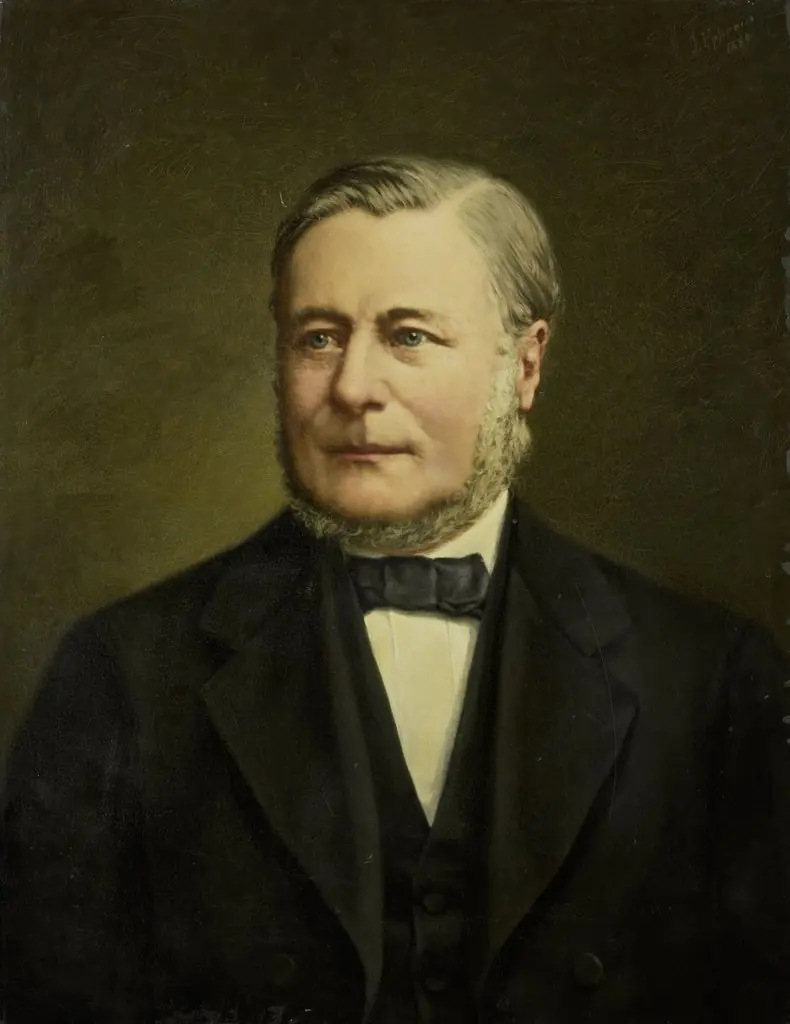 Portrait of Pieter Hendrik van Gelder (1822-1883)
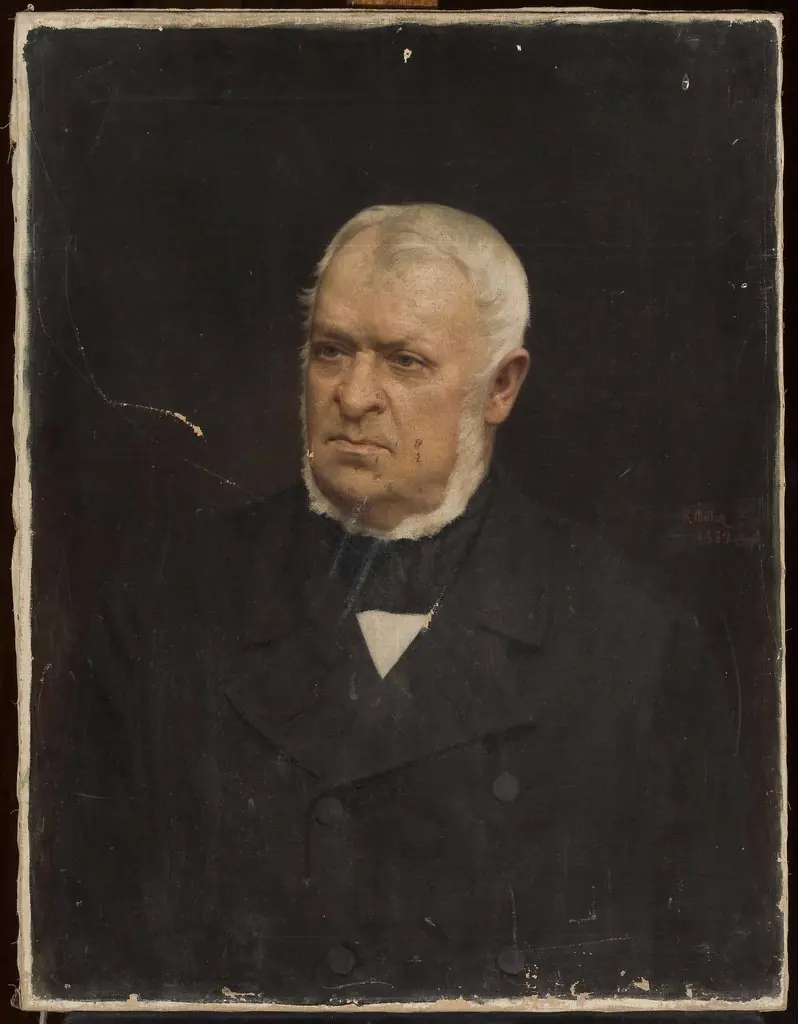 Portrait o f Aleksander Wielopolski
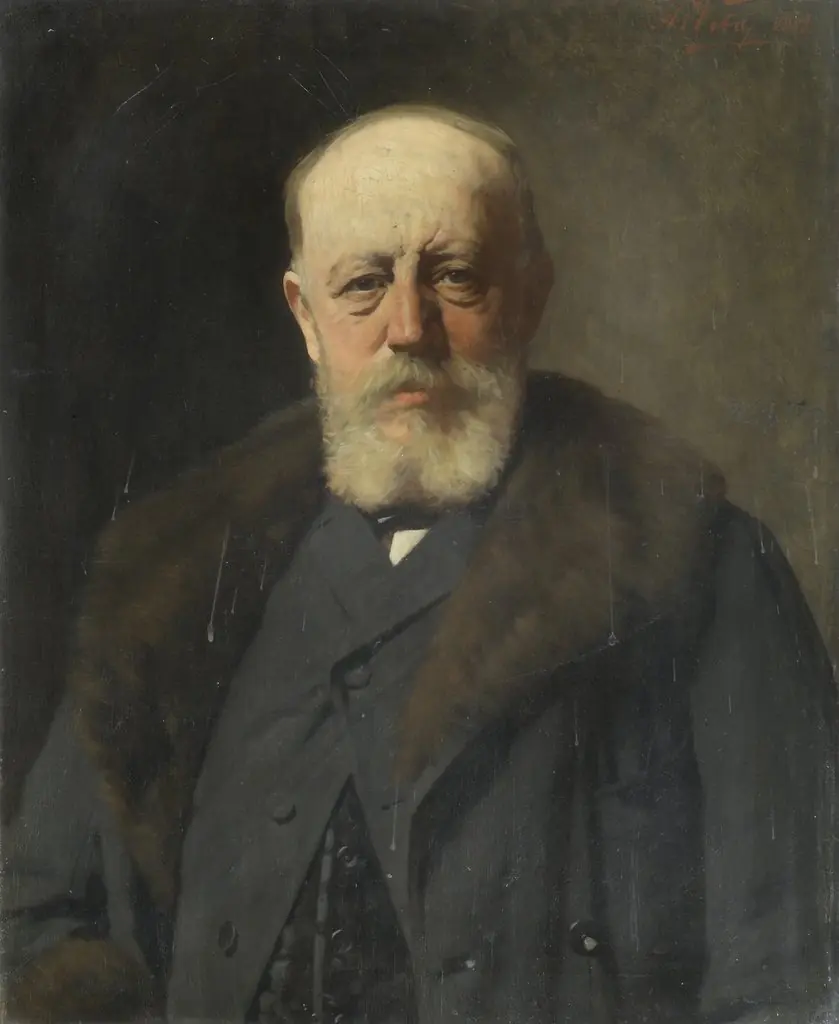 Dr. Thaddäus Vita
 Bărbat
 Matting, Paul
 Portrait of Wiktor Osławski