Artwork
Brutăria din Tulcea
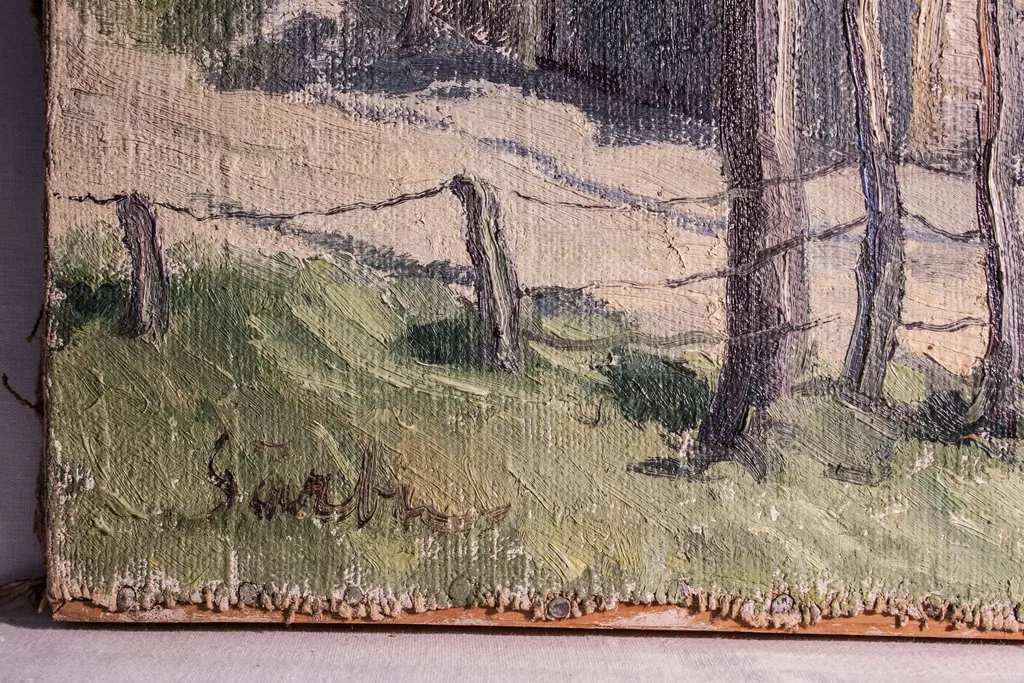
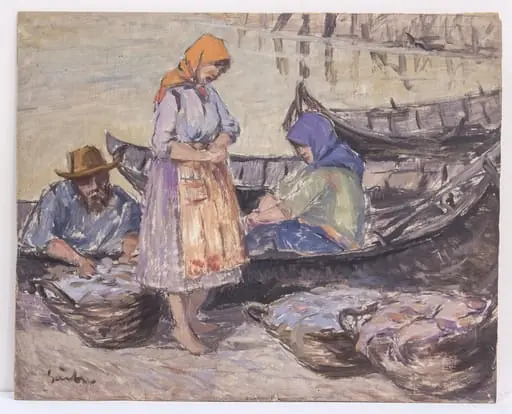
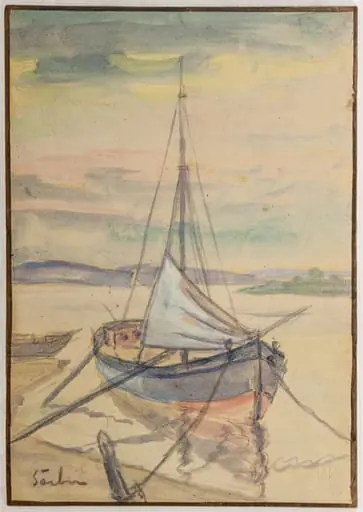
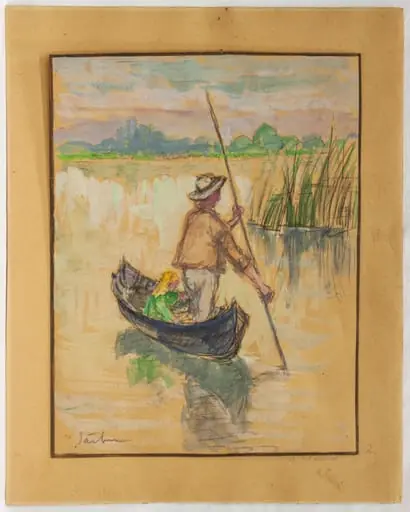
Brutăria din Tulcea is an unspecified painting by Gheorghe Sârbu. It dates from 1929 and is held in the collection of the Gavrila Simion Eco-Museum Research Institute Tulcea.
About this work
Overview
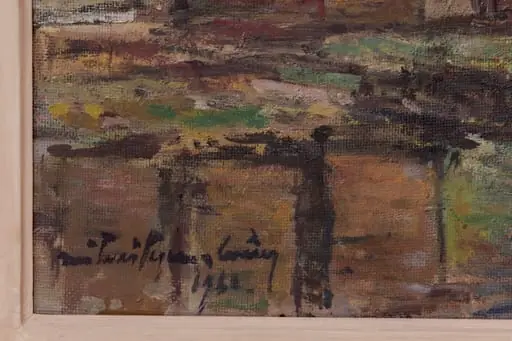
Gheorghe Sârbu painted Brutăria din Tulcea around 1929, capturing a rural landscape near the Danube. The work is part of the Museum of Ethnography’s collection, reflecting early 20th-century Romanian interest in regional environments. Its unpolished surface and restrained palette distinguish it from idealized depictions of the countryside, instead emphasizing the physicality of the land.
Subject & Meaning
The painting presents a quiet, undramatic stretch of terrain—rolling hills, sparse vegetation, and a low sky—without human figures or architectural markers.
The painting presents a quiet, undramatic stretch of terrain—rolling hills, sparse vegetation, and a low sky—without human figures or architectural markers. The absence of narrative suggests an interest in the land as a presence in itself, not a backdrop. The muted tones and rough forms convey a sense of endurance, aligning with a broader cultural focus on rural resilience during a period of national transformation.
Technique & Style
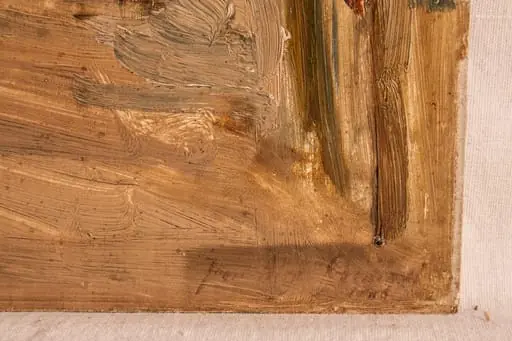
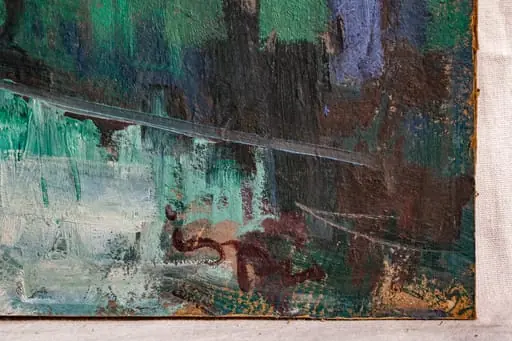
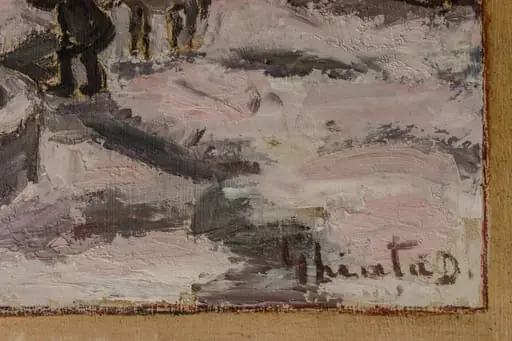
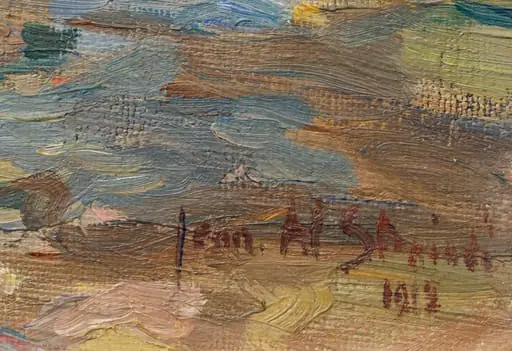
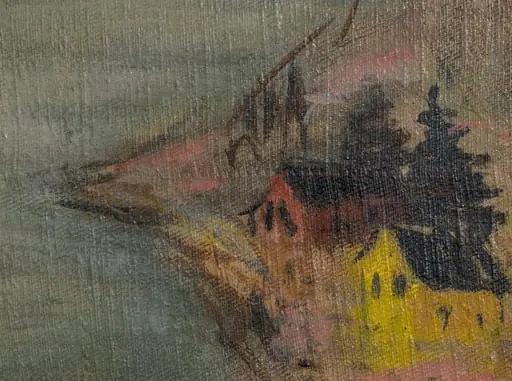
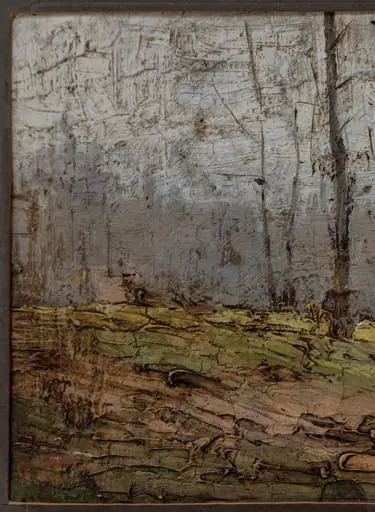
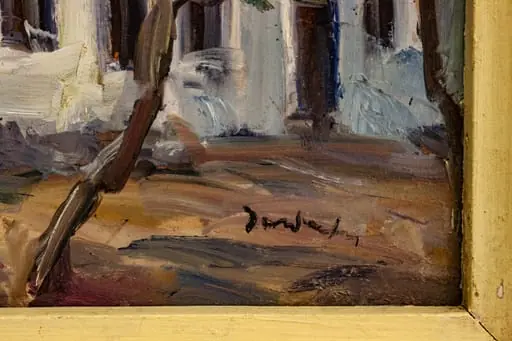
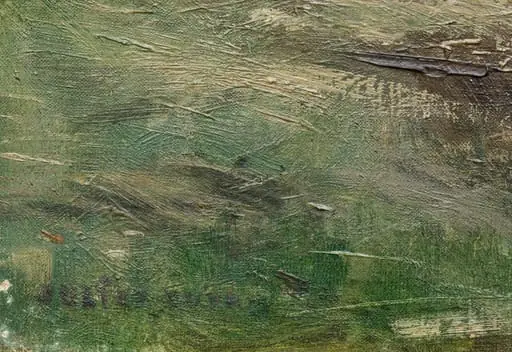
Sârbu applied paint thickly, using impasto to build texture across the canvas. Brushstrokes are visible and directional, creating a tactile surface that mimics the unevenness of earth and foliage. Colors are subdued—ochres, dull greens, and ashen grays—avoiding vibrancy in favor of atmospheric cohesion. The technique prioritizes material presence over detail, reinforcing the rawness of the scene.
History & Provenance
The painting entered the Museum of Ethnography’s holdings in the early 20th century, likely acquired as part of efforts to document regional life. Its preservation suggests recognition of its documentary value, even if it was not widely exhibited at the time. No significant changes in ownership are recorded, indicating stable institutional custody since its creation.
Context
Created during a period when Romanian artists increasingly turned to local landscapes for inspiration, the work aligns with a movement away from academic idealism. Sârbu’s approach echoes contemporaries who sought authenticity through direct observation and expressive brushwork. The painting reflects a broader interest in the material and emotional weight of the countryside amid urbanization.
Legacy
Brutăria din Tulcea remains a quiet example of interwar Romanian landscape painting that prioritized texture and mood over narrative. While not widely reproduced, it contributes to the understanding of how regional artists engaged with their environment through material experimentation. Its continued presence in the Museum of Ethnography underscores its role in preserving a non-romanticized view of rural Romania.
Artist & collection
Museum
Gavrila Simion Eco-Museum Research Institute Tulcea
Continue through works from the same source collection.