Artwork
Autoportret
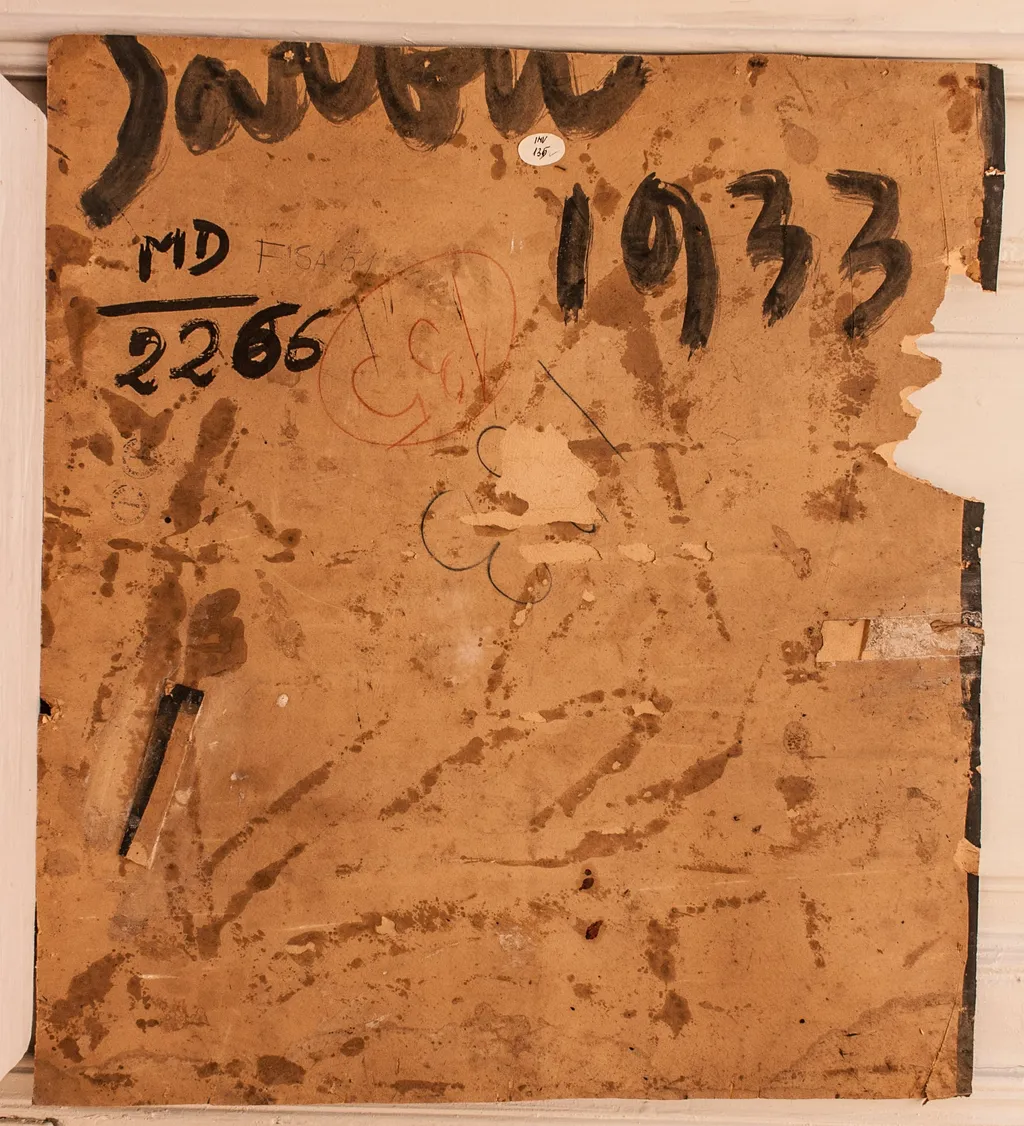
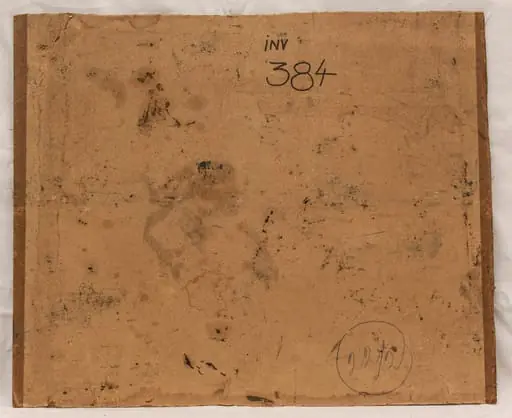
Autoportret is an unspecified painting by Gheorghe Sârbu. It dates from 1929 and is held in the collection of the Gavrila Simion Eco-Museum Research Institute Tulcea.
About this work
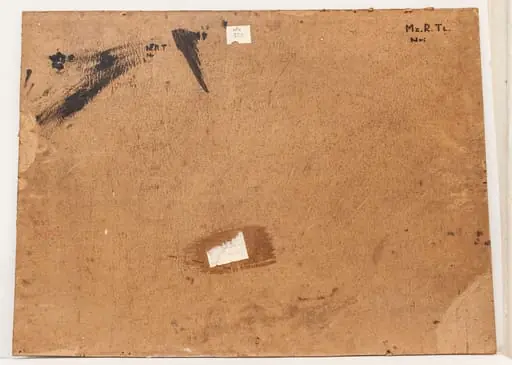
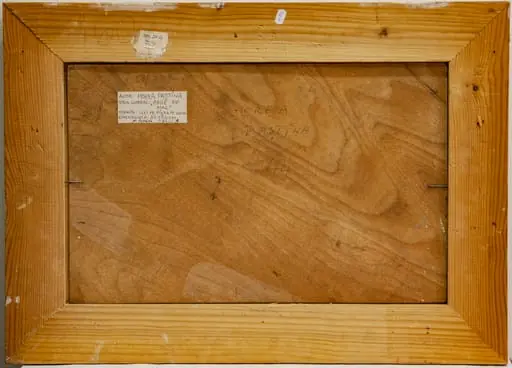
There are scribbled numbers and letters in black ink, like "1933" and "2266," along with some red circles and lines.
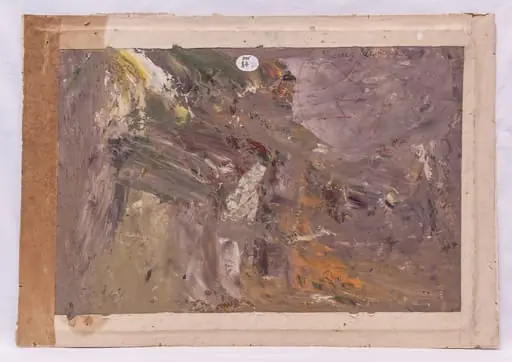
This painting looks like a faded, worn canvas with brownish-yellow paint. The surface is rough, with thick brushstrokes and patches where the paint is missing. There are scribbled numbers and letters in black ink, like "1933" and "2266," along with some red circles and lines. The edges of the canvas are torn, and the paint is cracked in places.
The messy, uneven strokes make it feel like the artist worked quickly or roughly. The numbers and marks might be notes or inventory labels, but they’re not part of the original painting.
Next, check out impasto to see how thick paint like this is used in other artworks.
Overview
Autoportret, dated around 1929, is a self-portrait by Romanian artist Gheorghe Sârbu. The work is currently in the collection of the Museum of Ethnography. Its physical condition reflects significant aging: the canvas is frayed at the edges, the paint is cracked and partially flaked away, and the surface bears traces of later markings. These additions, including ink notations and symbols, were likely applied after the painting’s completion, possibly for cataloging purposes.
Subject & Meaning
The painting presents a direct, unidealized view of the artist’s face, rendered with minimal detail and no decorative embellishment. The focus on the self, combined with the rough execution, suggests an introspective or utilitarian intent rather than a formal portrait. The absence of context or symbolic elements reinforces a sense of personal documentation, as if the image was made for private reflection rather than public display.
Technique & Style
Sârbu applied paint thickly, using visible, uneven brushstrokes that create a textured, almost sculptural surface. The palette is restrained, dominated by muted browns and yellows, with little contrast or shading. The impasto technique contributes to a tactile quality, emphasizing the physicality of the medium. The lack of refinement in form and contour indicates a spontaneous or hurried approach, possibly reflecting limited resources or a deliberate rejection of academic conventions.
History & Provenance
The painting’s later additions—inked numbers such as '1933' and '2266,' along with red circles and lines—are not part of the original composition. These markings likely served as inventory or storage labels, applied by museum staff or collectors. The canvas’s deterioration, including tears and paint loss, suggests prolonged exposure to environmental stress or inadequate storage prior to institutional acquisition.
Context
Created in late 1920s Romania, the work emerges during a period when many artists were experimenting with expressionist and folk-inspired styles outside formal academies. Sârbu’s approach aligns with a broader trend of self-representation that prioritized authenticity over polish. The painting’s rawness may reflect both personal artistic choices and the material constraints faced by artists outside urban cultural centers.
Legacy
Autoportret endures not as a polished example of portraiture but as a document of artistic practice under modest conditions. Its wear and incidental markings have become integral to its historical record, offering insight into how artworks were handled, stored, and understood in early 20th-century Romania. The piece contributes to a broader understanding of non-institutional art-making during a time of cultural transition.
Artist & collection
Museum
Gavrila Simion Eco-Museum Research Institute Tulcea
Continue through works from the same source collection.
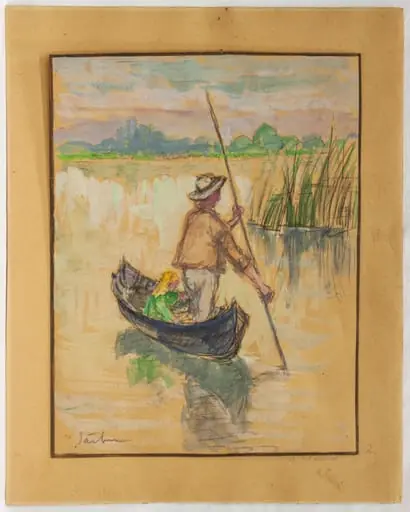
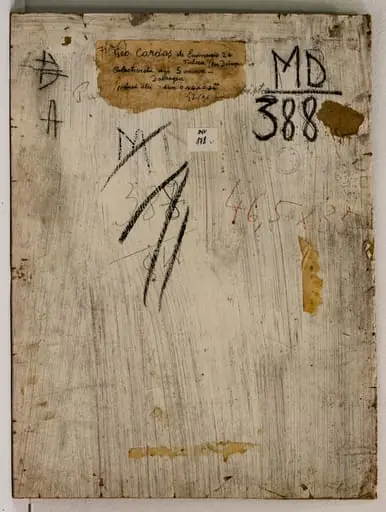 Colectivistă din Somova
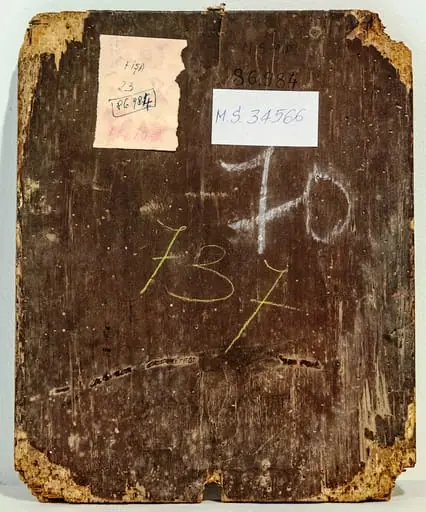 Sfinții Vasile cel Mare și sf. Mucenic Haralambie, în picioare, înveșmântați ca arhierei, redați din ușor semiprofil.Sfântul Vasile este redat canonic, cu fruntea înaltă, barba castanie, lungă. Trăsăturile ușor butucănoase. Cu dreapta binecuvintează, în stânga ține o carte deschisă pe care este scris cu litere majuscule, roșii, textul citat. Este înveșmântat cu un sacos vernil cu motiv floral roșu, la poale și la mâneci cu o bandă lată, verde, epitrahil roșu pe care se vede crucea; stihar roșcat, de sub care se văd vârfurile încălțărilor cafenii. De mâna dreaptă îi atârnă bedernița, de aceeași culoare cu epitrahilul. În pandant sfântul Haralambie, cu părul și barba lungi, cărunte, binecuvintează cu dreapta, în stânga ține o cruce mică. Fruntea înaltă, privirea expresivă. Înveșmântat cu un sacos roșu, epitrahil verde și stihar cafeniu Peste acestea felon verde cu intradosul deschis la culoare. Poartă deasemenea bedernița. Pământul este redat în tonuri de brun, linia orizontului începe de jos, fondul este luminat în partea de jos, închis în cea de sus. Se pot observa influențe ale picturii neo academice. Lemnul icoanei este mâncat de cari la colțuri, crăpat în partea de jos; stratul pictural prezintă mici lacune și exfolieri.
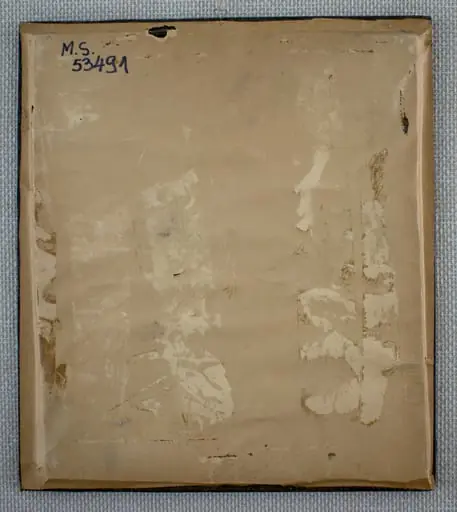 Icoae re
 Portul Amalfi
 Tema este redată sub forma "Ospitalității lui Avraam", care se petrece în fața cortului lui Avraam. În prim plan cei trei îngeri așezați la o masă semicirculară. În planul doi, Avraam și Sara îi slujesc. Pe masă se află câte o azimă în fața tinerilor, în centru un potir. Îngerii sunt așezați simetric, unul în stânga, altul în dreapta, celălalt în spatele mesei. Înveșmântați cu chiton și himation, în culori complementare(roșu și bleumarin cei din față, posibil repictare, nuanțe mai deschise). Chipurile copilărești, asemănătoare, privirea melancolică, plete castanii lăsate pe spate. Aripi mari și aureole mărginite cu alb.Îngerii din față cu picioarele goale pe un subpedum. În planul doi Avraam,(în vârstă, cu chiton roșu și himation albastru) și Sara înveșmântată cu maforion roșu stins. Scena se proiectează pe fondul bleu(cerul) completat cu elemente de arhitectură. Tehnica picturală - iluminare treptată, chipurile expresive, proporțiile respectate. Compoziție echilibrată, cromatica dominată de culorile reci, cu nuanțe accentuate de culorile pe bază de ulei. Chenar lat de culoare brun roșcat, care se regăsește și pe spatele icoanei. Această culoare ulterioară a acoperit urmele de flacără de lumânare sau candelă de pe fața icoanei. După înlocuirea "e"-ului final cu "i" ar putea fi atribuită spațiului Moldovei.
 Buna gro
 Casa conspiratorului Ticovschi
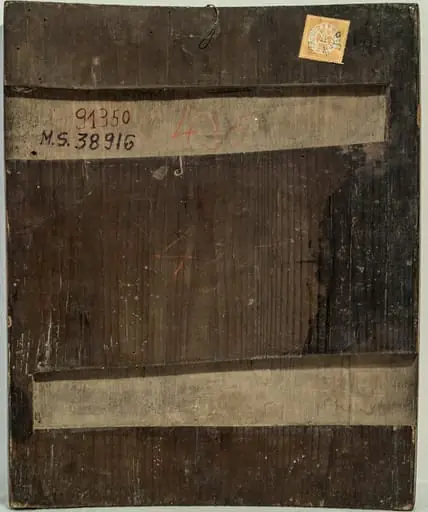 Sfânta Paraschiva încoronată este reprezentată frontal, 3/4, Nimbul trasat cu roșu depășește linia chenarului și partea superioară a coroanei. Tehnica iluminării treptate cu elemente specifice: accentuarea zonei ochilor, tonurile de pământ ale umbrelor. Tunica decorată cu motive fitomorfe ample incizate în stratul de foiță. Mantie închisă în față, cu decor linar și bordură lată cu motive geometrice 3 șiruri de incizii în grund). Pe cap, umeri lăsat pe spate, un maforion de culoare deschisă. În mâna dreaptă, Sfânta ține o cruce mică, rusească, (6 brațe)în stânga un rotulus desfășurat cu inscripția scrisă în limba slavonă: Cred în unul Dumnezeu… alte inscripții: pe chenar de o parte și de alta a nimbului: Chipul Sf. Mucenițe Parascheva Vineri, în colțul stâng al icoanei ѾOН pe nimbul cruciger al lui Iisus, reprezentat ca pe sfântul Keramion. Cromatica: Chenar roșu cu două linii galbene și mărginit cu brun; fond - foița metalică decorată prin incizare, cu chenar multiplu din motive geometrice reteate. Tip Krashnuskha. Pe spate, un timbru al miliței RPR.
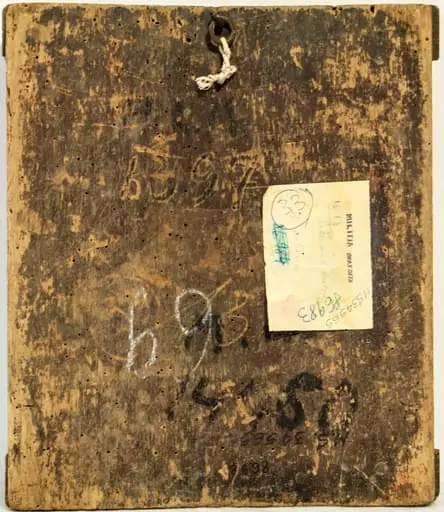 Icoana este încadrată de un chenar lat (ocru, delimitat de o linie grena). În centrul spațiului pictural sfântul în picioare, ținând un rotulus cu inscripții în limba slavonă în mâna stângă, cu dreapta binecuvântează într-un gest amplu, lateral. Maniera bizantină a redării personajului se completează cu peisajul în manieră romantică ce îl încadrează(un râu lat curgând în meandre printre coline înverzite, o luntre cu un vâslaș în josul râului, creste muntoase în depărtare). Chipul grav, redat cu minuțiozitate, cu multiple riduri sub ochi și pe fruntea înaltă, nas subțire și fin, mustață și barbă lungă până la brâu, executat cu multă migală în mici bucle, carnația măslinie, gura mică cu buze roșii. Înveșmântat cu cămașă grena cu drapaj, aurie, epitrahilul arhieresc negru cu motive roșii, felon vișiniu. Deasupra capului Arhiereului, depășind chenarul, este reprezentat Iisus Hristos cu nimb cruciger(mahrama Veronicăi, sfântul Keramion) Inscripția de pe rotulus scrisă în limba slavă veche are prima literă de culoare roșie, restul cu negru: "Nu vă întristați voi toți frații mei, să ne dea Domul Dumnezeu înțelepciune și vom găsi în El mântuirea", Pe spatele icoanei sunt incizate prin scobire cu dalta cifre arabe 1397 (?). Icoana prezintă strat de pictură și foița de fondul icoanei și a aureolei sfântului exfoliate, zgârieturi, porțiuni de pictură, pânză și grund lipsă (chenarul este distrus în proporție de 80 %), două găuri în zona capului unde ar fi trebuit să fie urechile.
 Lectura
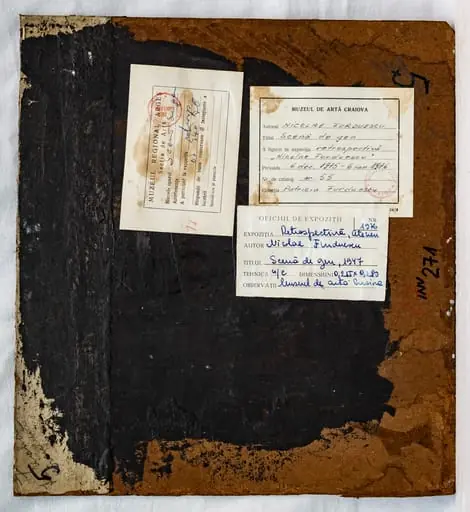 Scenă de gen
 Case pe mal