Artwork
Până la audiență sala Prefecturii Tulcea
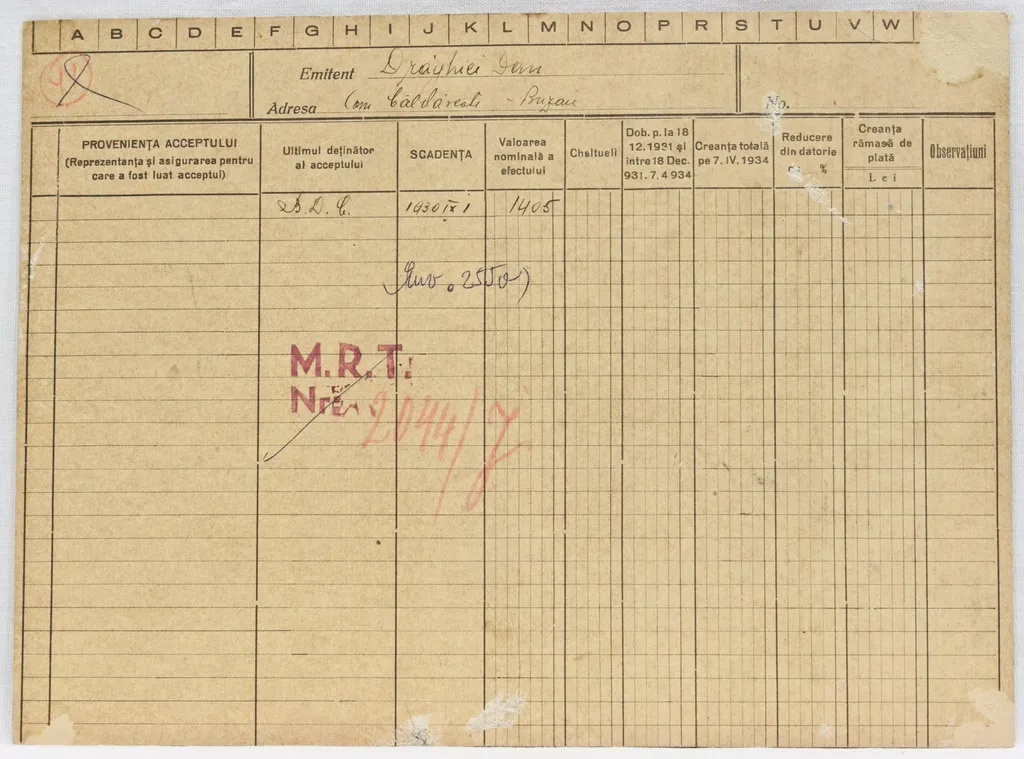
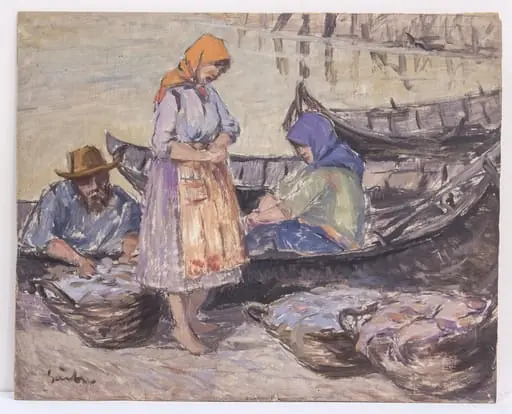
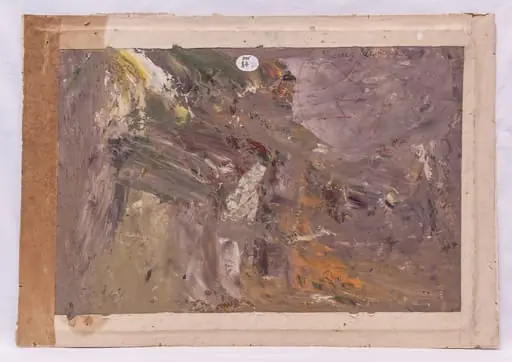
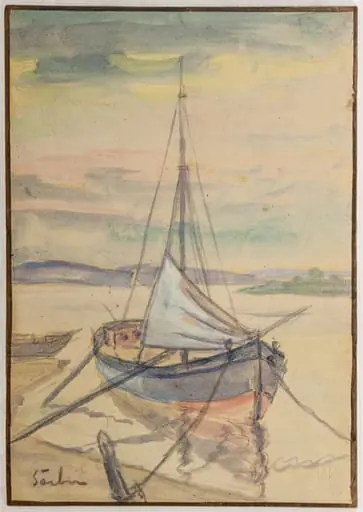
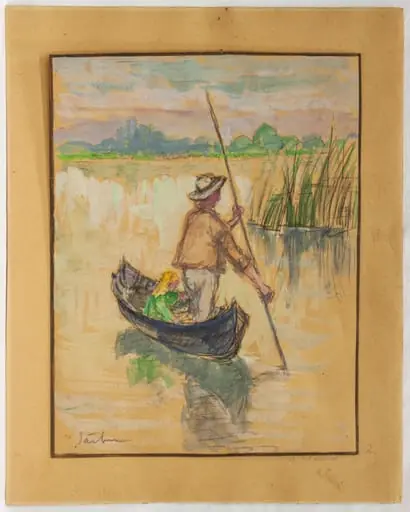
Până la audiență sala Prefecturii Tulcea is a drawing by Gheorghe Sârbu. It dates from 1950 and is held in the collection of the Gavrila Simion Eco-Museum Research Institute Tulcea.
About this work
If you like this kind of old paperwork, look up esquiss next—they’re quick, sketchy drawings that sometimes hide big stories.
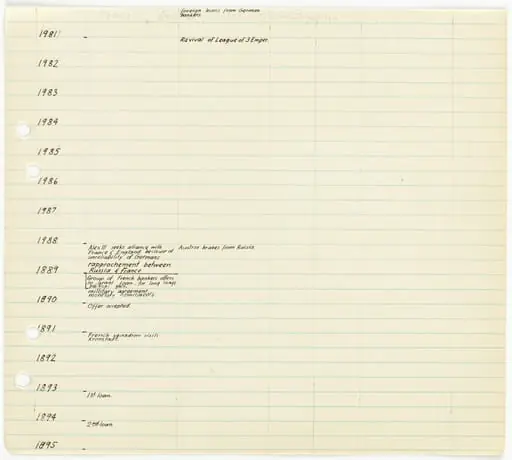
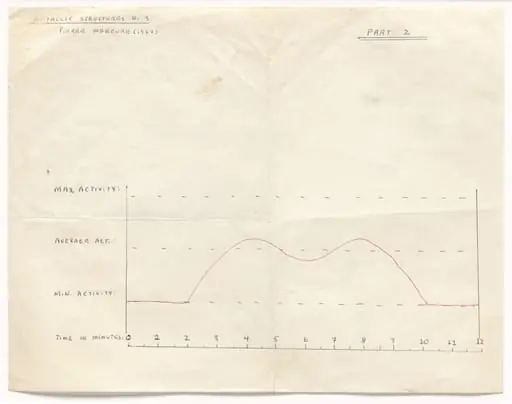
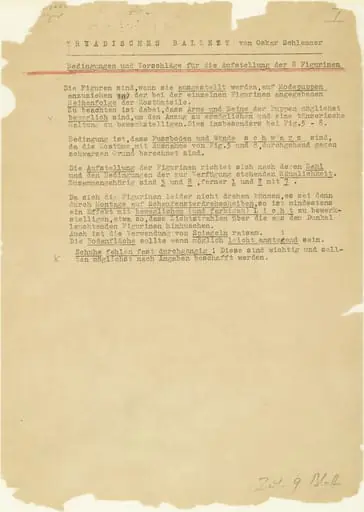
This looks like an old, hand-filled form with grid lines and columns. The top has a name—*Gheorghe Sârbu*—and an address in Romania. Below, someone wrote "M.R.T. Negru" in red ink. The columns are labeled in Romanian, with dates and numbers scribbled in, like "1931" and "1405." The paper is faded, with a few smudges and a small piece torn off at the bottom.
The form seems to track something official, maybe a debt or a record. The handwriting is neat but rushed in spots, like a clerk working quickly.
If you like this kind of old paperwork, look up esquiss next—they’re quick, sketchy drawings that sometimes hide big stories.
Overview
Created around 1950 by Romanian artist Gheorghe Sârbu, this work is a documented administrative form, repurposed as an artistic object. It bears the marks of bureaucratic use—faded paper, handwritten entries, and a torn edge—yet retains the artist’s name and address at the top. Held by the Museum of Ethnography, it blurs the line between official record and artistic artifact, inviting reflection on the weight of routine documentation in daily life.
Subject & Meaning
The form appears to be a ledger or registry, possibly tracking financial obligations or official transactions, with columns dated to the early 20th century. The entry 'M.R.T. Negru' in red ink suggests a specific individual or case marked for attention. The presence of handwritten numbers and dates implies a system of accountability, while the artist’s own name on the form introduces a personal layer—perhaps a quiet assertion of identity within an impersonal system.
Technique & Style
Sârbu presents no painted imagery or formal composition; instead, he elevates the mundane through selection and framing. The work’s aesthetic arises from the physicality of the paper—its wear, smudges, and tear—and the contrast between neat script and hurried notations. The grid structure, typical of state forms, becomes a visual scaffold, transforming administrative clutter into a quiet study of order and decay.
History & Provenance
The object originated as an official document, likely used in Tulcea’s Prefecture during the interwar or early communist period. Its transition into an artwork occurred when Sârbu preserved and signed it, possibly as a commentary on bureaucracy. It entered the Museum of Ethnography’s collection as part of efforts to document everyday Romanian life, where its authenticity and material history were deemed culturally significant.
Context
In postwar Romania, bureaucratic paperwork was omnipresent, governing everything from property to personal status. Forms like this were tools of state control, yet also repositories of individual lives. Sârbu’s retention of such a document reflects a broader cultural tendency to find meaning in the overlooked—turning administrative debris into testimony of ordinary existence under systemic pressure.
Legacy
This work contributes to a postwar Romanian artistic practice that reclaims mundane materials as carriers of historical memory. It anticipates later conceptual and institutional critiques by treating bureaucracy not as background but as subject. Its preservation in a museum signals a shift in what is deemed worthy of cultural attention—ordinary objects, worn by use, now bearing the weight of collective experience.
Artist & collection
Museum
Gavrila Simion Eco-Museum Research Institute Tulcea
Continue through works from the same source collection.