Artwork
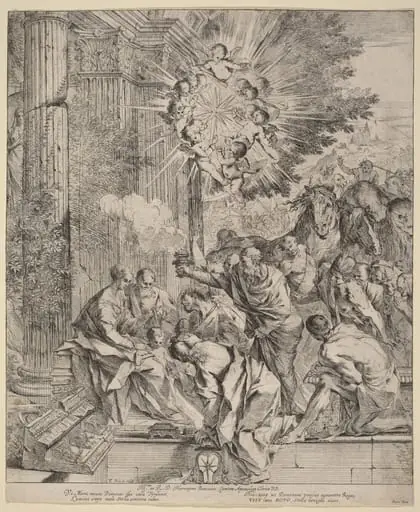
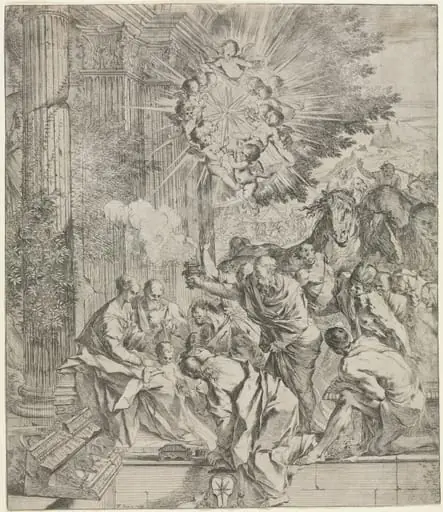
The Adoration of the Kings
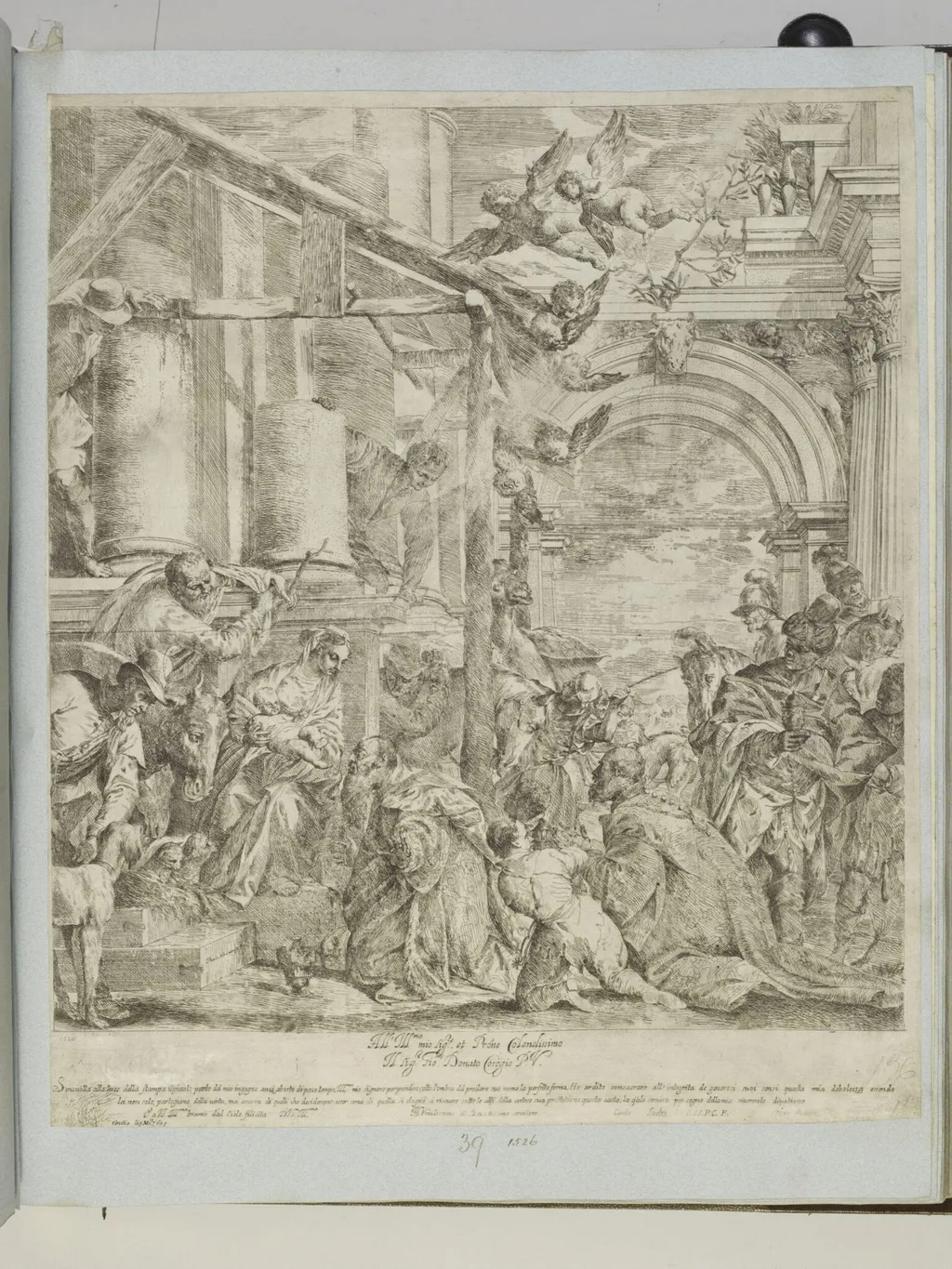
The Adoration of the Kings is a print by Carlo Sacchi. It dates from 1750 and is held in the collection of the Victoria and Albert Museum.
About this work
Overview
This print depicts the Adoration of the Kings, a biblical scene inspired by Paolo Veronese's 1573 painting of the same subject. The composition features a grand, arched building with multiple figures, including three kneeling men on horseback before a manger and angels above, set against a backdrop of classical columns, clouds, and birds.
Subject & Meaning
The print illustrates the visit of the Three Kings to the newborn Jesus, symbolizing the recognition of Christ's divinity by the Gentile world. The crowded, dynamic scene conveys the significance and wonder of the event.
Technique & Style
The artist employs strong chiaroscuro, leveraging contrasts of light and dark to create depth. This technique highlights key figures, such as the baby and the kneeling kings, while receding others into shadow, guiding the viewer's focus.
History & Provenance
Based on Paolo Veronese's 1573 painting, the exact date and artist of this print are not specified in the provided information. It is a later interpretation of the original work.
Context
The print reflects the Renaissance interest in biblical narratives and the adaptation of famous paintings into more accessible print forms, allowing broader dissemination of artistic and religious themes.
Legacy
As a print based on a well-known Renaissance painting, it contributes to the enduring popularity of Veronese's composition and the Adoration of the Kings theme in Western art, though its specific impact is not detailed in the provided context.
Artist & collection
Artist
Carlo Sacchi made prints in the Italian Baroque style. His "The Adoration of the Kings" shows the Nativity scene in bold lines and deep shadows. The bundle also includes an untitled print from the same era. Baroque…

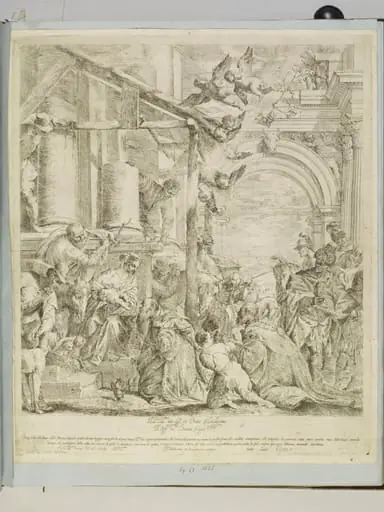 Untitled
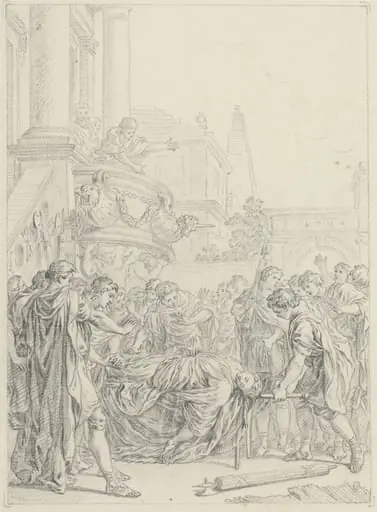 Du plus grand des Romains voilà ce qui vous reste
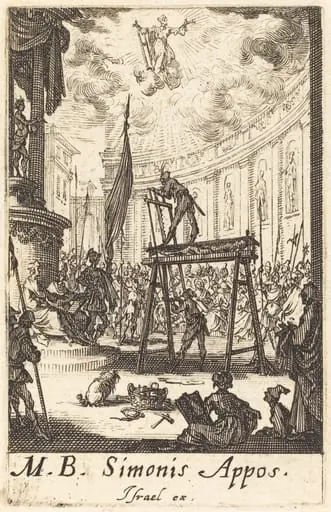 The Martyrdom of Saint Simon
 The Adoration of the Magi
 Adoration of the Magi
 The Martyrdom of Saint Bartholomew
 Passion Set: Christ Crowned with Thorns
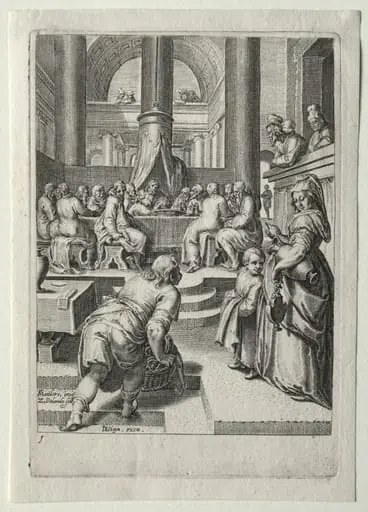 Life of Christ: The Last Supper
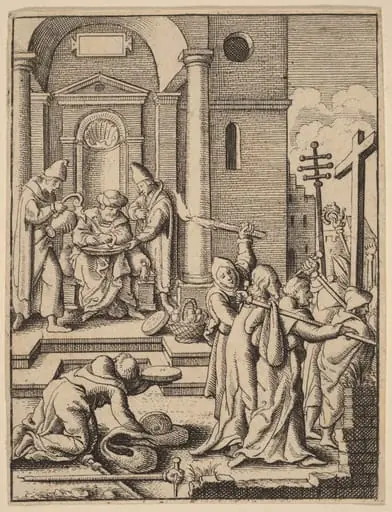 The Washing of Hands
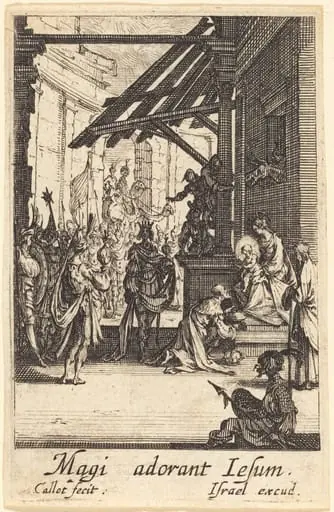 The Adoration of the Magi
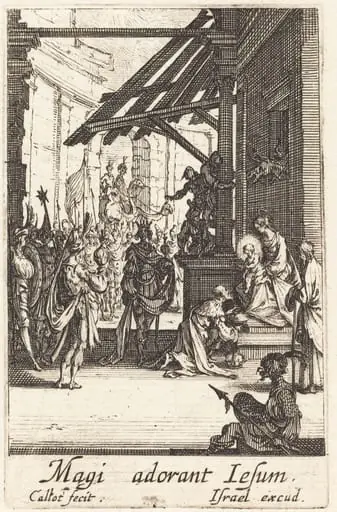 The Adoration of the Magi
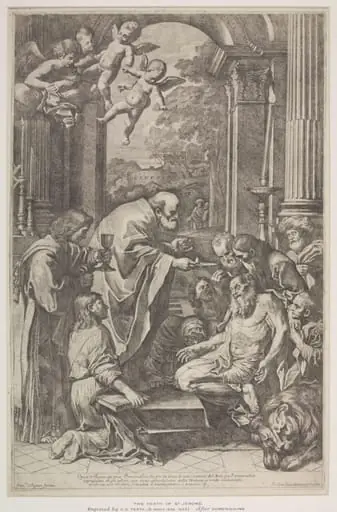 Death of St. Jerome