Artwork
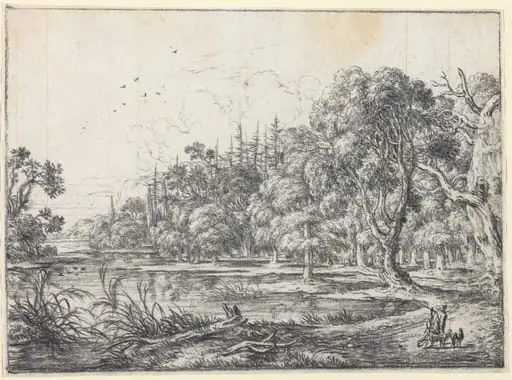
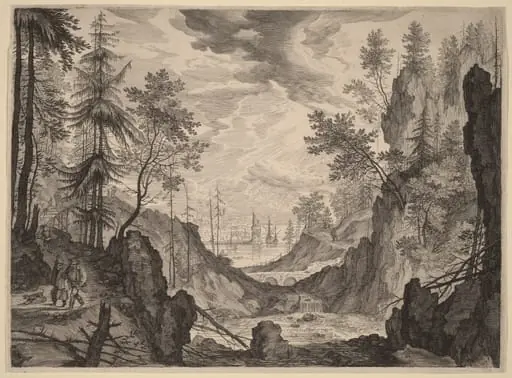
Three Hunters and Two Dogs near a Pool
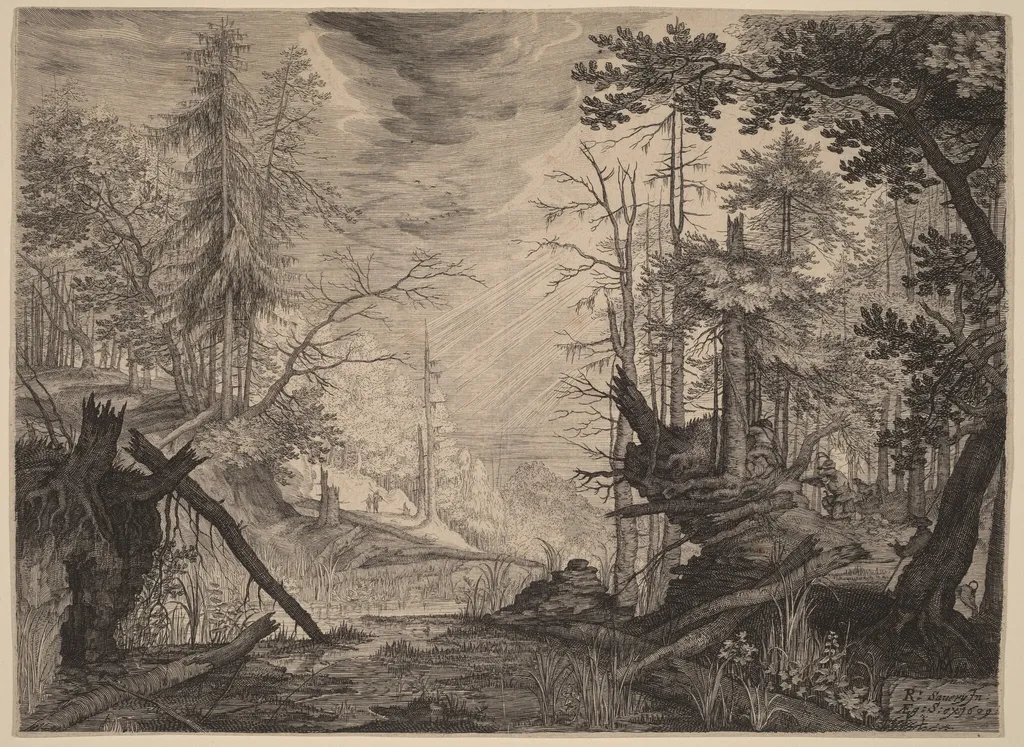
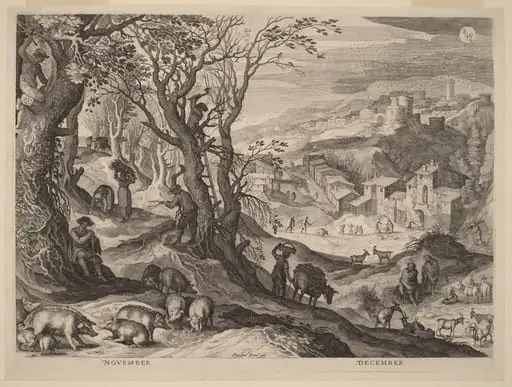
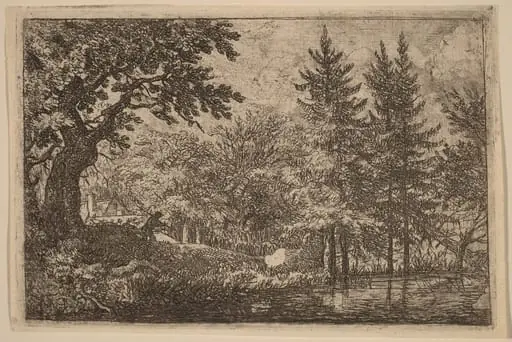
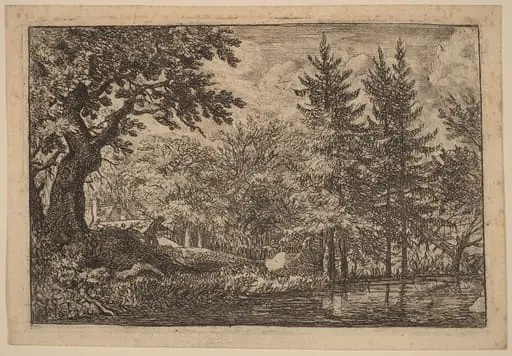
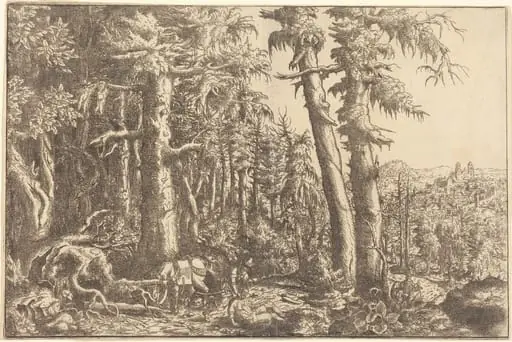
Three Hunters and Two Dogs near a Pool is an ink print by the Baroque artist Aegidius Sadeler II. It dates from 1609 and is held in the collection of the National Gallery of Art.
About this work
Overview
Created in 1609 by Aegidius Sadeler II, this engraving on laid paper captures a quiet moment in a forested landscape.
Created in 1609 by Aegidius Sadeler II, this engraving on laid paper captures a quiet moment in a forested landscape. Sadeler, a Flemish artist working in Prague under Habsburg patronage, specialized in detailed reproductive prints. The scene features three hunters and two dogs beside a still pool, rendered with fine linear precision characteristic of early 17th-century Northern printmaking traditions.
Subject & Meaning
The image presents a hunting party paused near water, a common theme in Northern Renaissance and Baroque art that often carried symbolic weight beyond mere recreation. While not overtly allegorical, the scene reflects aristocratic leisure and the relationship between humans, animals, and nature. The stillness of the pool contrasts with the implied motion of the dogs, suggesting a moment of repose after pursuit.
Technique & Style
Sadeler employed fine cross-hatching and delicate line work to model form and texture, creating depth in the foliage, fur, and clothing. The engraving’s meticulous detail reflects the technical standards of courtly printmaking, where clarity and precision were valued. The composition is tightly framed by trees, drawing focus to the figures while maintaining a sense of naturalistic space.
History & Provenance
Sadeler worked extensively in Prague during the reign of Emperor Rudolf II, a known patron of the arts and sciences. This print likely originated in his workshop as part of a broader output of landscape and genre scenes favored by imperial collectors. Its survival in good condition suggests it was preserved within aristocratic or scholarly collections, typical for high-quality engravings of the era.
Context
In early 17th-century Central Europe, printmaking served both artistic and documentary functions. Engravings like this one circulated among elites, disseminating visual culture beyond painting. Hunting scenes were popular in Northern art, reflecting social customs and the influence of courtly life. Sadeler’s work bridges Flemish traditions with the intellectual climate of Rudolfine Prague, where naturalism and observation were prized.
Legacy
Though not widely known today, Sadeler’s prints contributed to the development of landscape engraving in Central Europe. His technical skill influenced later generations of printmakers who sought to capture natural detail with precision. This work remains a representative example of how printmaking functioned as a medium for recording and circulating visual ideas in the Baroque period.
Own this work as a print
Artist & collection
Artist
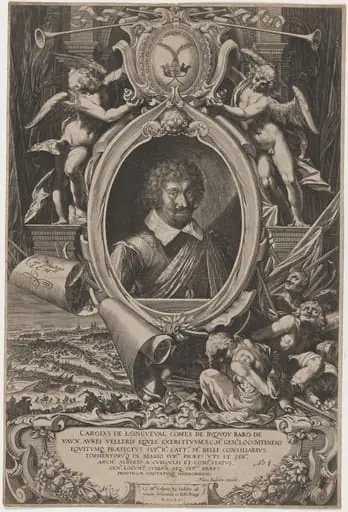
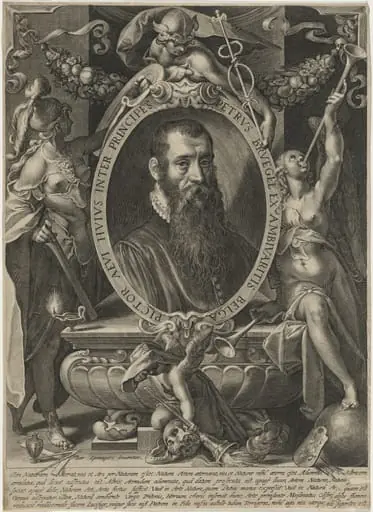
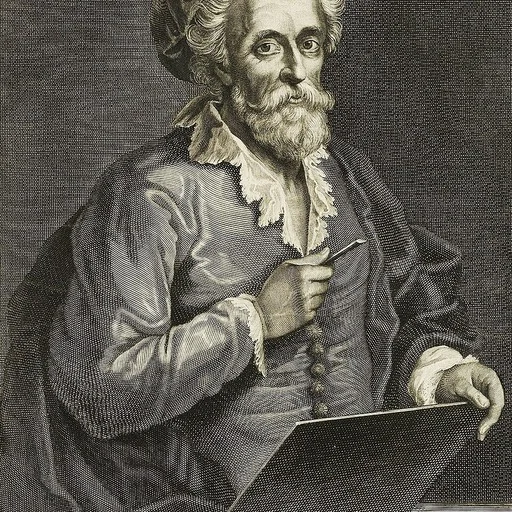
Aegidius Sadeler or Aegidius Sadeler II (1570–1629) was a Flemish engraver who was principally active at the Prague court of Rudolf II, Holy Roman Emperor and his successors.